8.292 km²
The Ngorongoro Conservation Area is one of the most fascinating and complex places on the entire African continent. Located in northern Tanzania, between the Serengeti Park and Lake Manyara, this vast protected area is a veritable treasure trove of biodiversity, human history and tribal culture. Here, the visitor does not just observe the wildlife: he walks on ancient soils that tell the story of man’s evolution, meets people who still live in harmony with nature and immerses himself in landscapes that seem to have come out of a primordial dream.
Declared a WORLD HERITAGE OF HUMANITY (UNESCO 1978) and INTERNATIONAL BIOSPHERE RESERVE (1981), the Ngorongoro Conservation Area is a rare example of the coexistence of environmental conservation and human presence. A unique place where nature, history and culture meet. The Ngorongoro Conservation Area represents a dynamic ecosystem where the conservation needs of the fauna are intertwined with the culture of the Maasai people and geological and archaeological history. Within its borders live lions, elephants, buffalos, hyenas and black rhinoceroses, but also human villages, cultivated fields and the fossil remains of some of man’s oldest ancestors. It is one of those rare places where nature, past and present come together harmoniously.
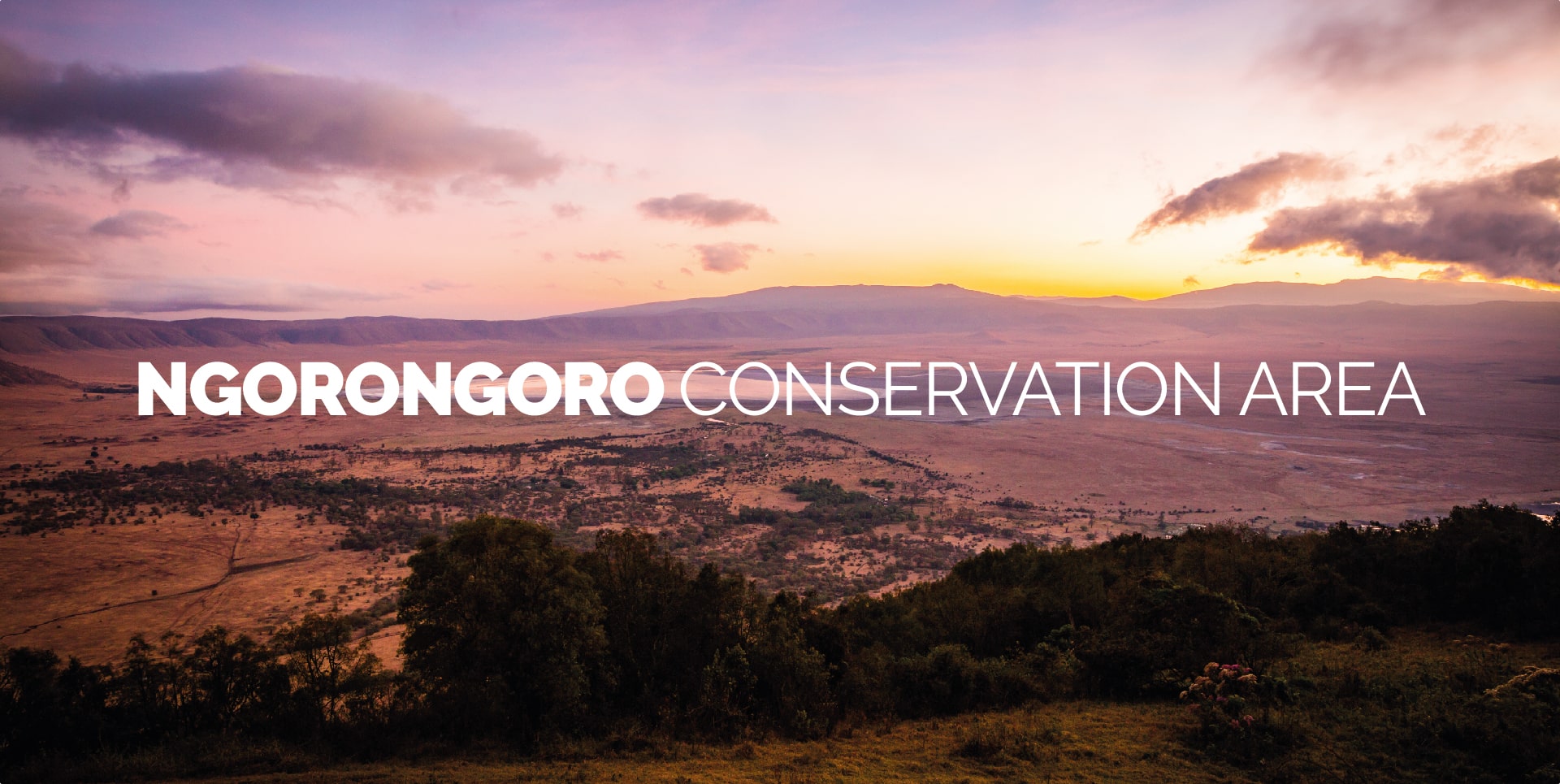
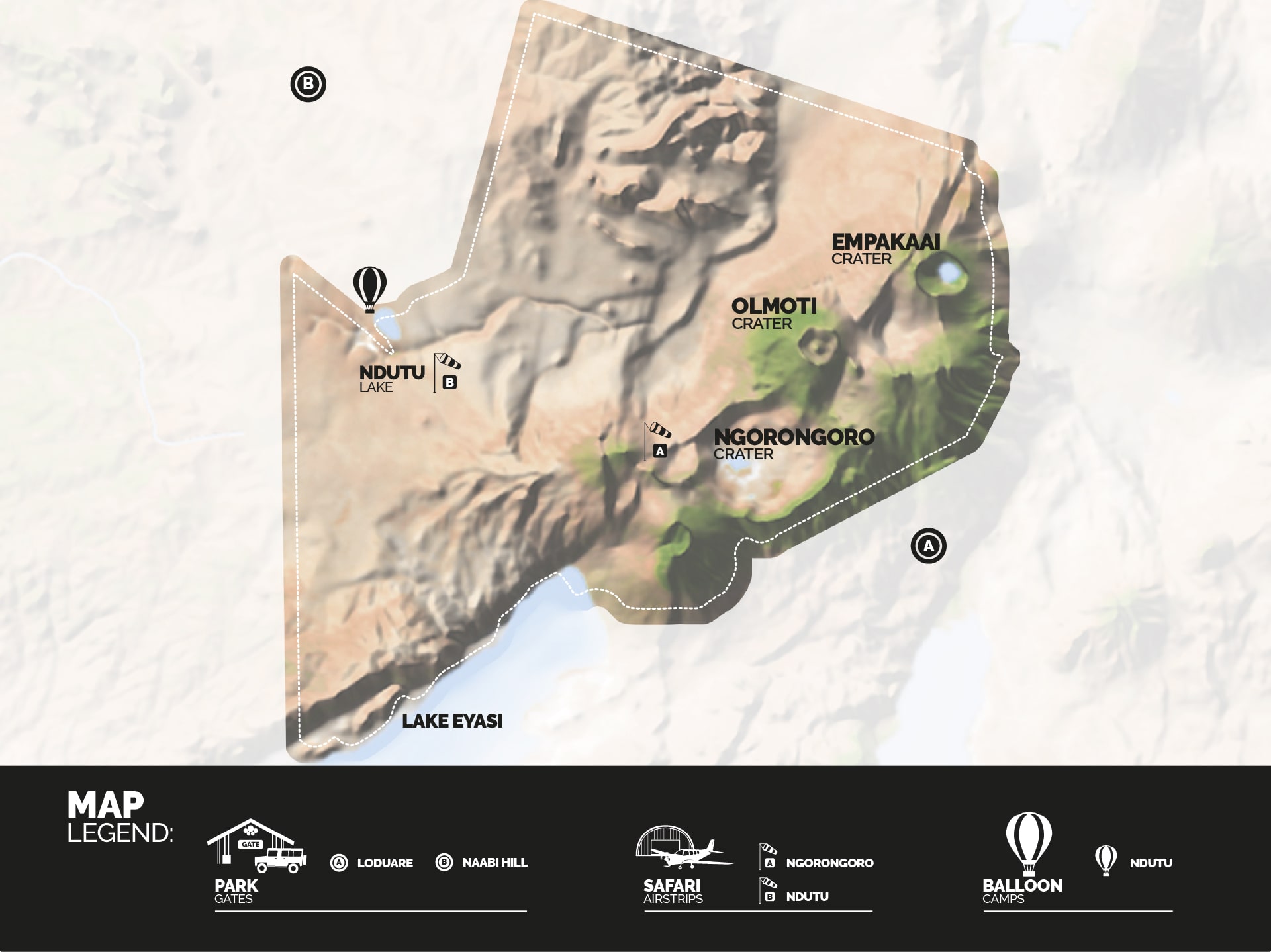
The area located north-west of the city of Arusha, east of the Serengeti National Park and west of the western escarpment of the Great Rift Valley, covers 8,300 km² and includes, in addition to the famous Ngorongoro Crater (2,200 m) from which it takes its name, several other extinct volcanoes Oldeani (3,216 m), Makarot (3,107 m), Olmoti (3,100 m), Loolmalasin (3,648 m) and Empakaai (3,262 m).
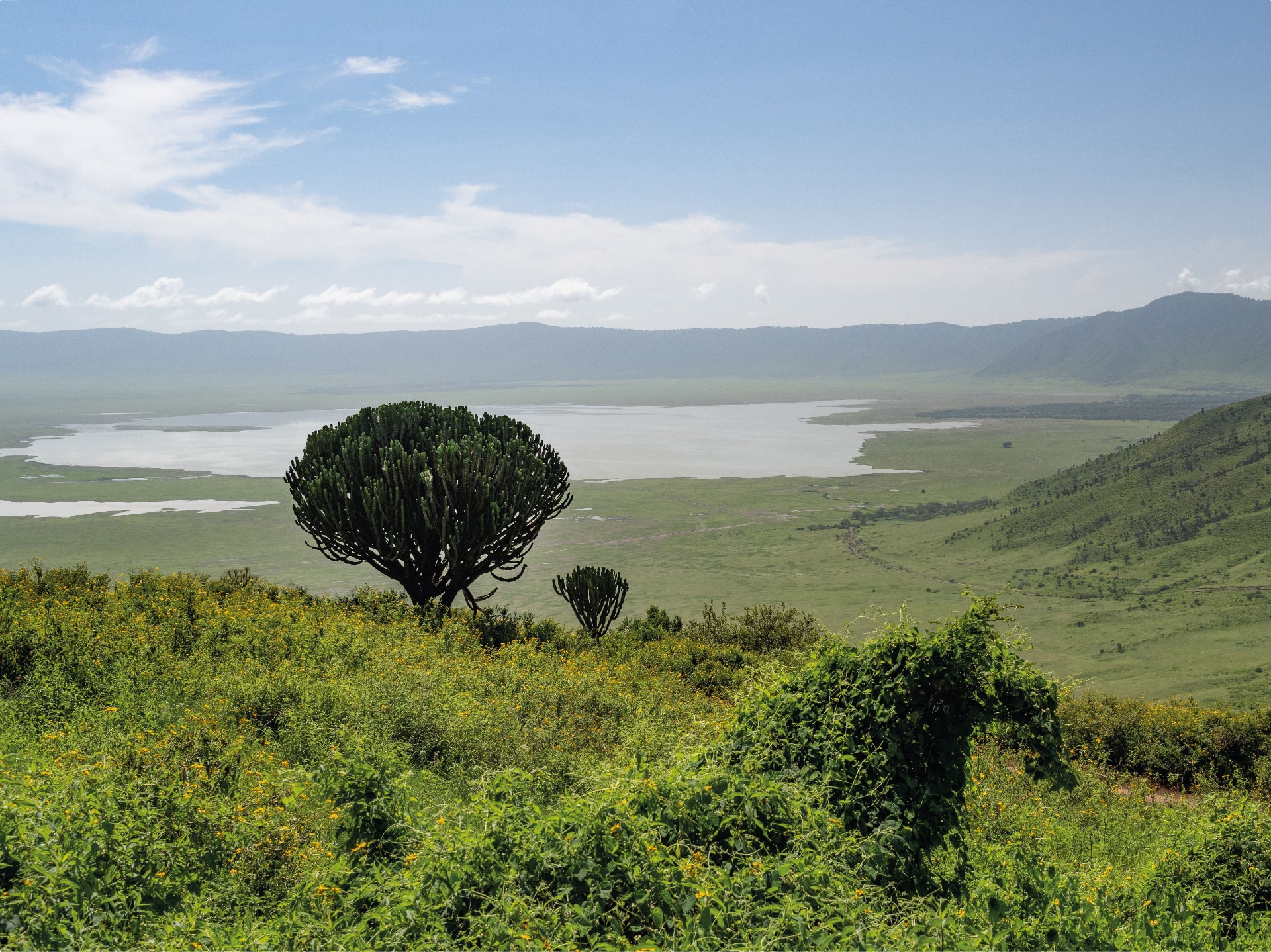
These volcanic structures were formed around 20 million years ago, following several violent eruptions closely linked to the formation of the Great Rift Valley. The Ngorongoro Crater is considered the largest intact caldera in the world with a diameter of 19 km and a depth of 600 metres. Due to variations in climate, terrain and altitude, the landscape offers, in addition to volcanic craters, a great variety of overlapping habitats and ecosystems: sand dunes, rainforests, grassy plains, mountain plateaus, savannahs, lakes, rivers and swamps. The area also includes the very important archaeological site of the Olduvai Gorge. Known as the ‘cradle of mankind’, it is the site where the remains of hominids dating back some 2 million years and various animal fossils dating back to the Stone Age have been found. The area is managed by the Ngorongoro Conservation Area Authority, which, unlike the TANAPA (Tanzania’s nature park governing body), allows for traditional settlements by indigenous ethnic groups such as the Masai, while safeguarding natural resources and wildlife.
The area is easily reached from Arusha by jeep, crossing the scenic Great Rift Valley. It is usually included in the Northern Safari Circuit tours, one of the most popular itineraries for those who wish to have a complete experience.
Our Tanzania safari tour operator often includes stops in the Serengeti, the Ngorongoro Crater and the Olduvai Gorge archaeological area. Trips can last between five and ten days, often combined with stays in lodges within the Conservation Area.
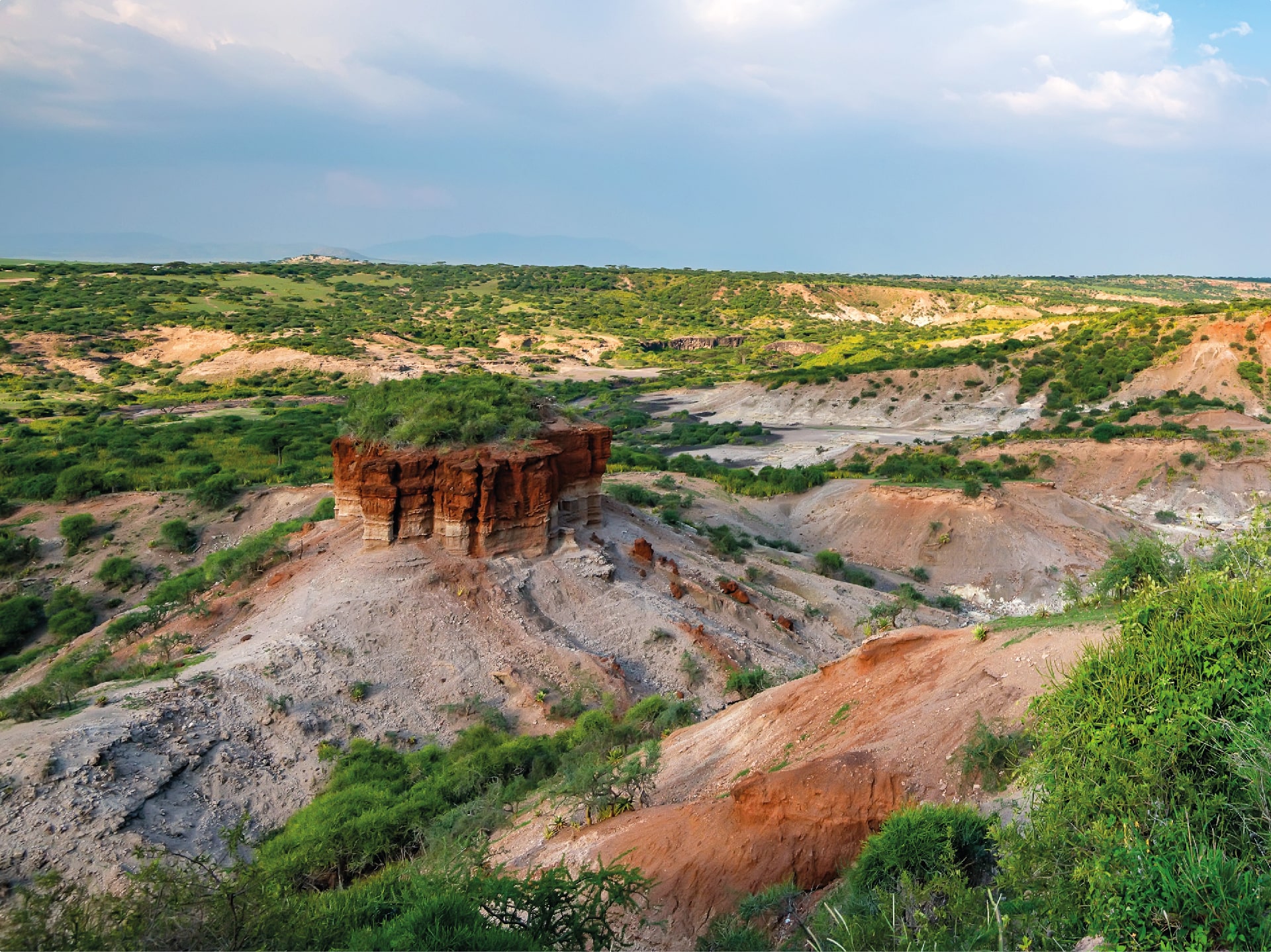
Olduvai, which derives from the Maasai term “Oldupai” (wild sisal plant typical of the area), is a very special and important place. The gorge, almost 90 meters deep with an extension of about 50 km, along the Great Rift Valley, is one of the most important paleoanthropology sites in the world. The geological layers of the gorge and the findings made, first by Professor Wilhelm Kattwinkle and later by palaeontologist Louis Leakey and his wife Mary Leakey, illuminated the long evolutionary path of man. The hominids identified in the Olduvai Gorge area are Australopithecus boisei, Homo habilis, Homo erectus and Homo sapiens. In addition to human remains, numerous fossils, stone tools and skeletons of many extinct animals have been unearthed, which are currently kept in the museum of the same name. In 1972, about 40 km from the gorge, the famous ‘Laetoli footprints’ were discovered by Mary Leakey: perfectly preserved fossil footprints left by hominids in volcanic ash 3.5 million years ago. Today, it is possible to visit the gorge museum and take a guided walk around the excavation sites. For those who love history and archaeology, this stop is not to be missed and gives a completely different meaning to the concept of a ‘safari’.
The Ngorongoro Conservation Area is unique because it allows for the coexistence of wildlife and human populations. The Maasai live within the protected area, leading a life based on pastoralism and respect for the land. It is possible to visit their villages, participate in cultural encounters, learn about age-old traditions and understand how shared resource management works. This model is now also being studied internationally for its effectiveness in protecting biodiversity.
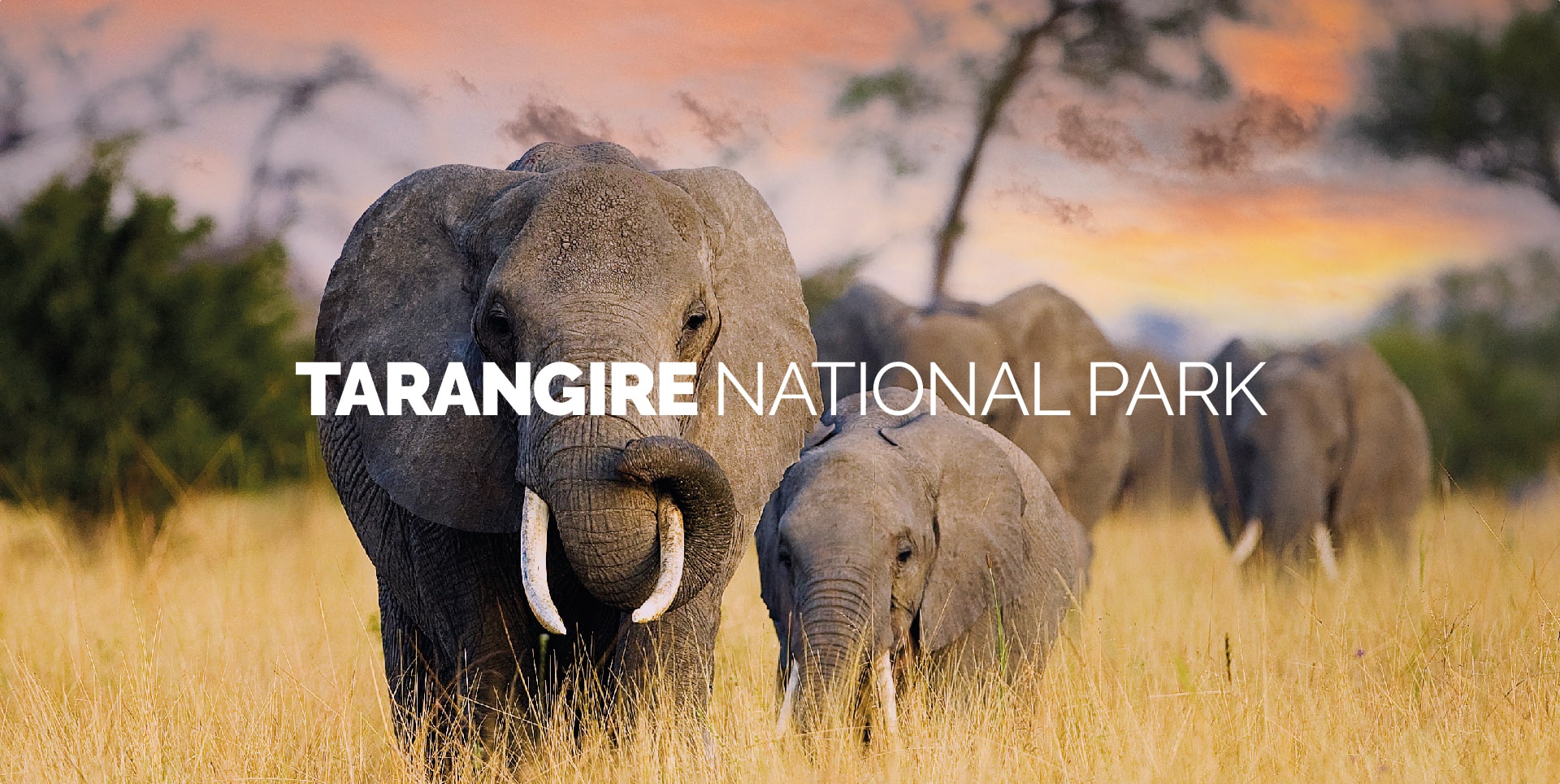
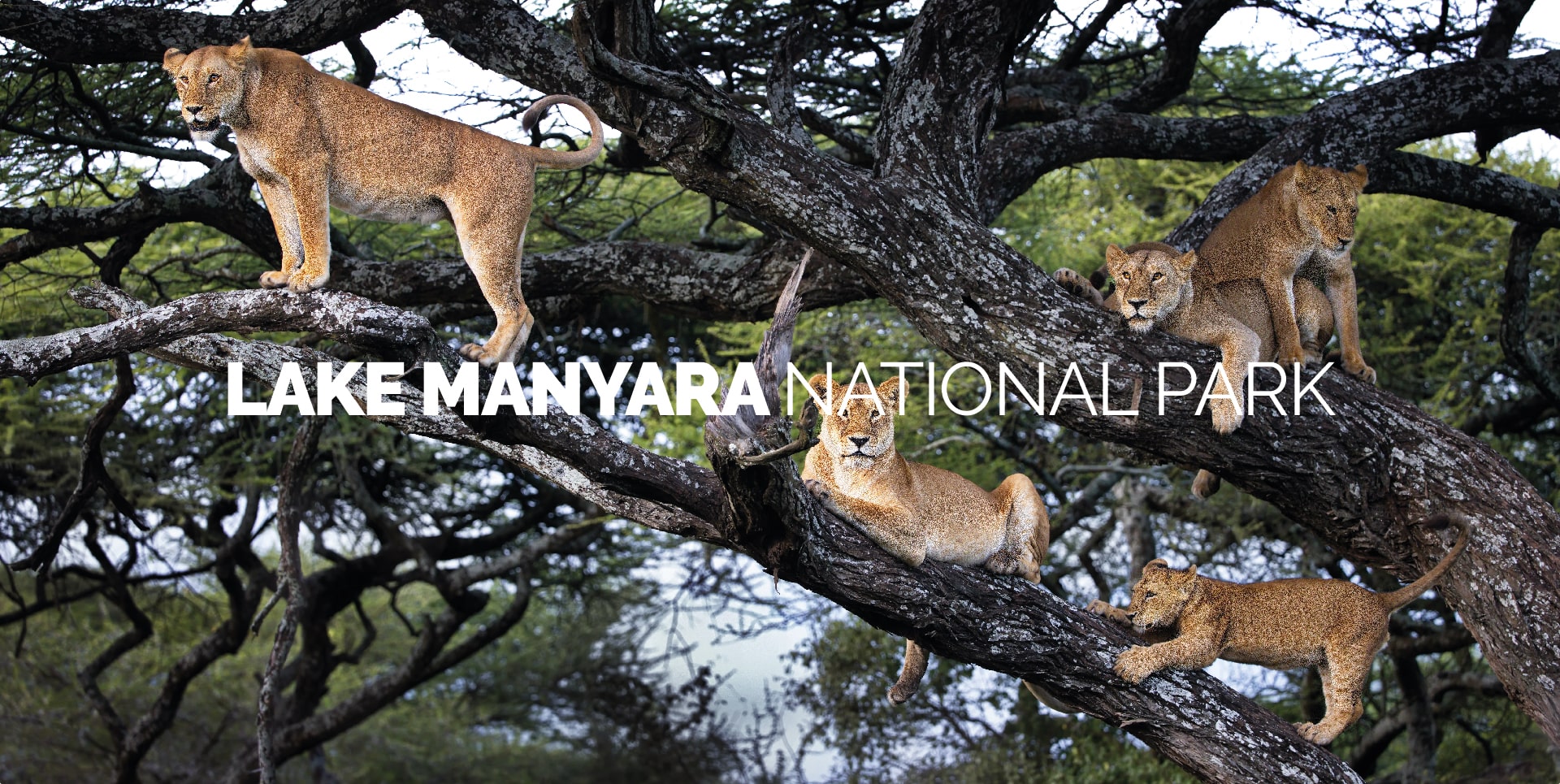
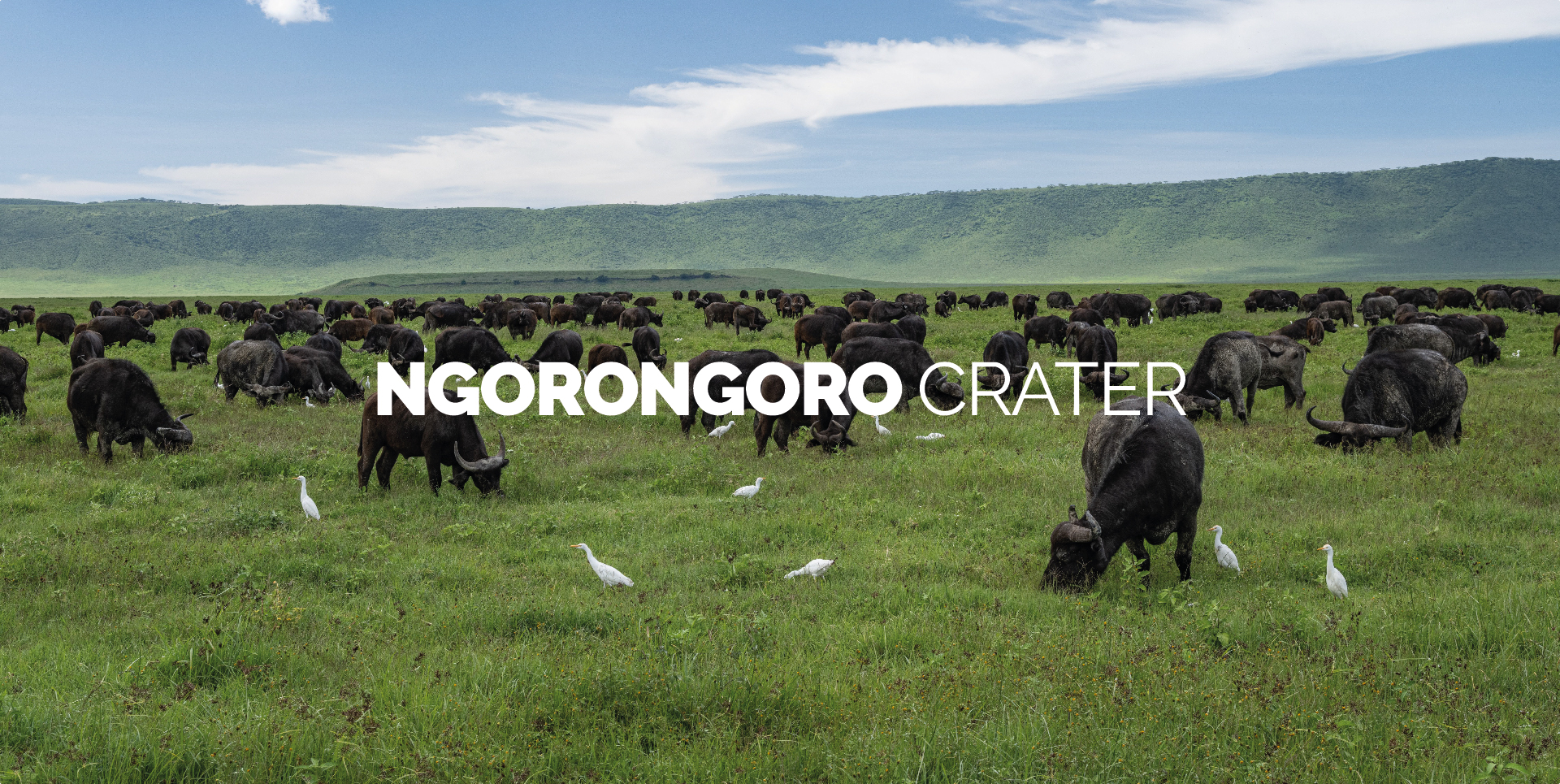
The area is home to numerous ecosystems: montane forests, grassy savannahs, wetlands and alkaline lakes. From a naturalistic point of view, it is a very important conservation area because it is home to and protects some endangered species such as the black rhinoceros. About 30,000 large mammals live in the reserve, including wildebeests, giraffes, zebras, gazelles, antelopes, buffaloes, hippos, elephants, baboons, lions, leopards, hyenas, servals, jackals, cheetahs and wild dogs.
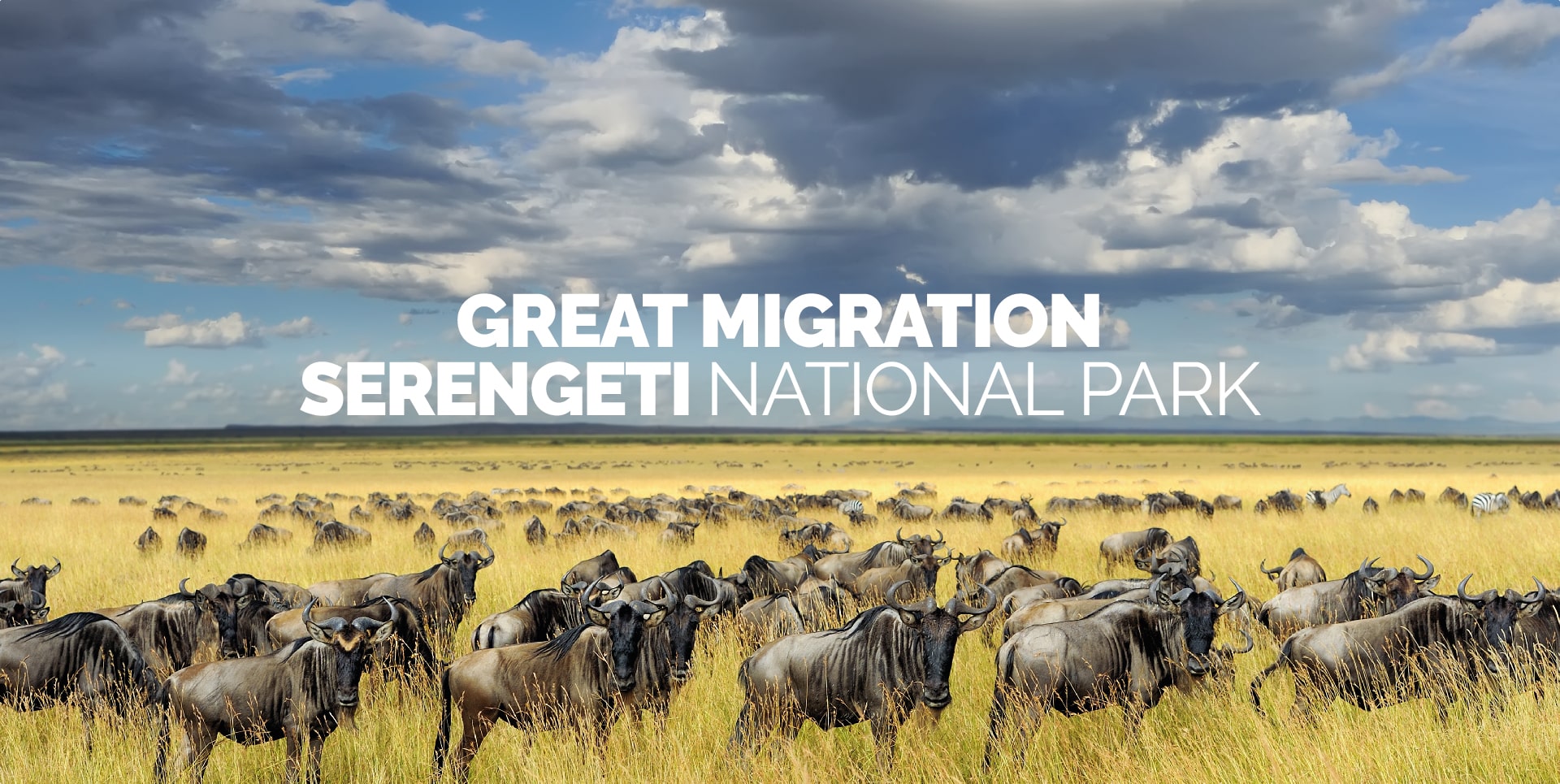
In addition to this resident fauna, during the months of December to March, the grasslands in the north are home to the Great Migration of wildebeests and zebras, which give birth to their cubs near Lake Ndutu and Lake Masek. Click here to discover our safari in Tanzania the Great Migration.
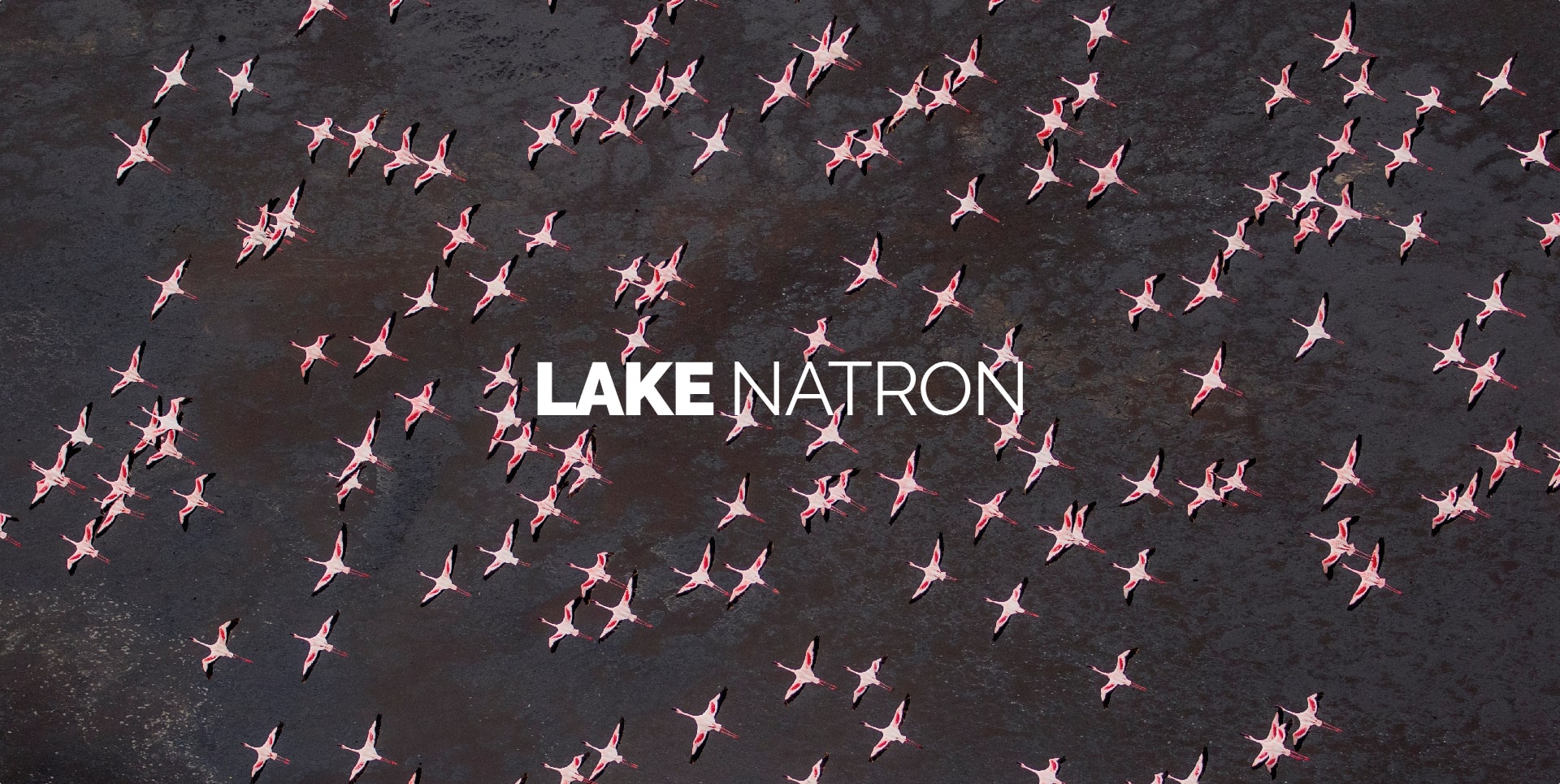
The Ngorongoro Conservation Area is home to almost 400 species of birds, some resident such as eagles, vultures, hornbills and ostriches, and others migratory such as storks and swallows. Thousands of lesser flamingos can be seen, especially between November and April, around Lake Ndutu and the crater lakes of Ngorongoro and Empakkai.
Within the Ngorongoro Conservation Area, each stop tells a different part of the deep connection between nature, man and time. Among the main attractions is undoubtedly the Olduvai Gorge, considered one of the most important archaeological sites in the world. Here, in addition to a visit to the museum, you can immerse yourself in the history of human evolution by walking along the trails that have returned the remains of some of the earliest hominids to the world. The experience is intense and educational, suitable for both science enthusiasts and the merely curious who want to put a face to prehistory.
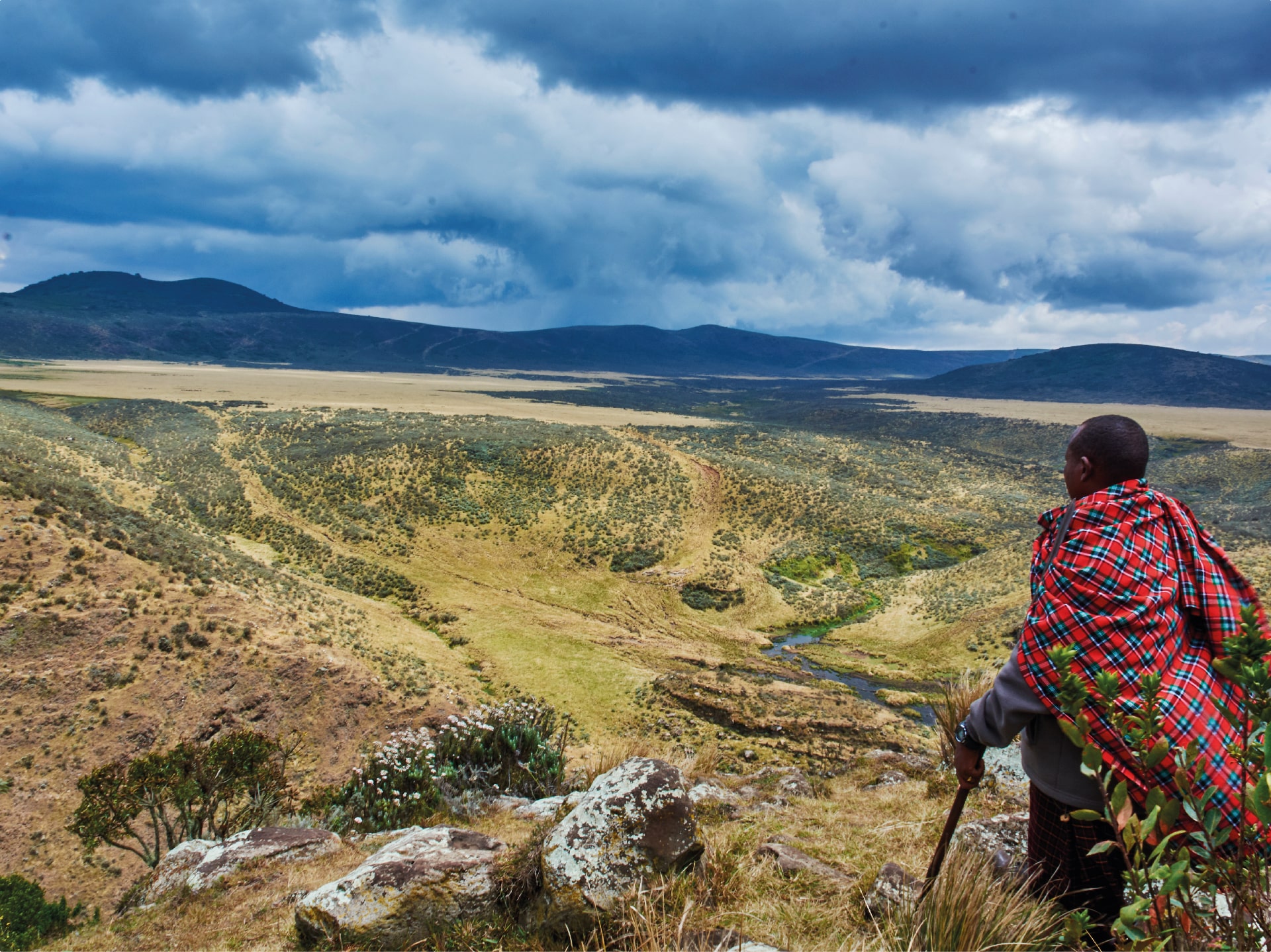
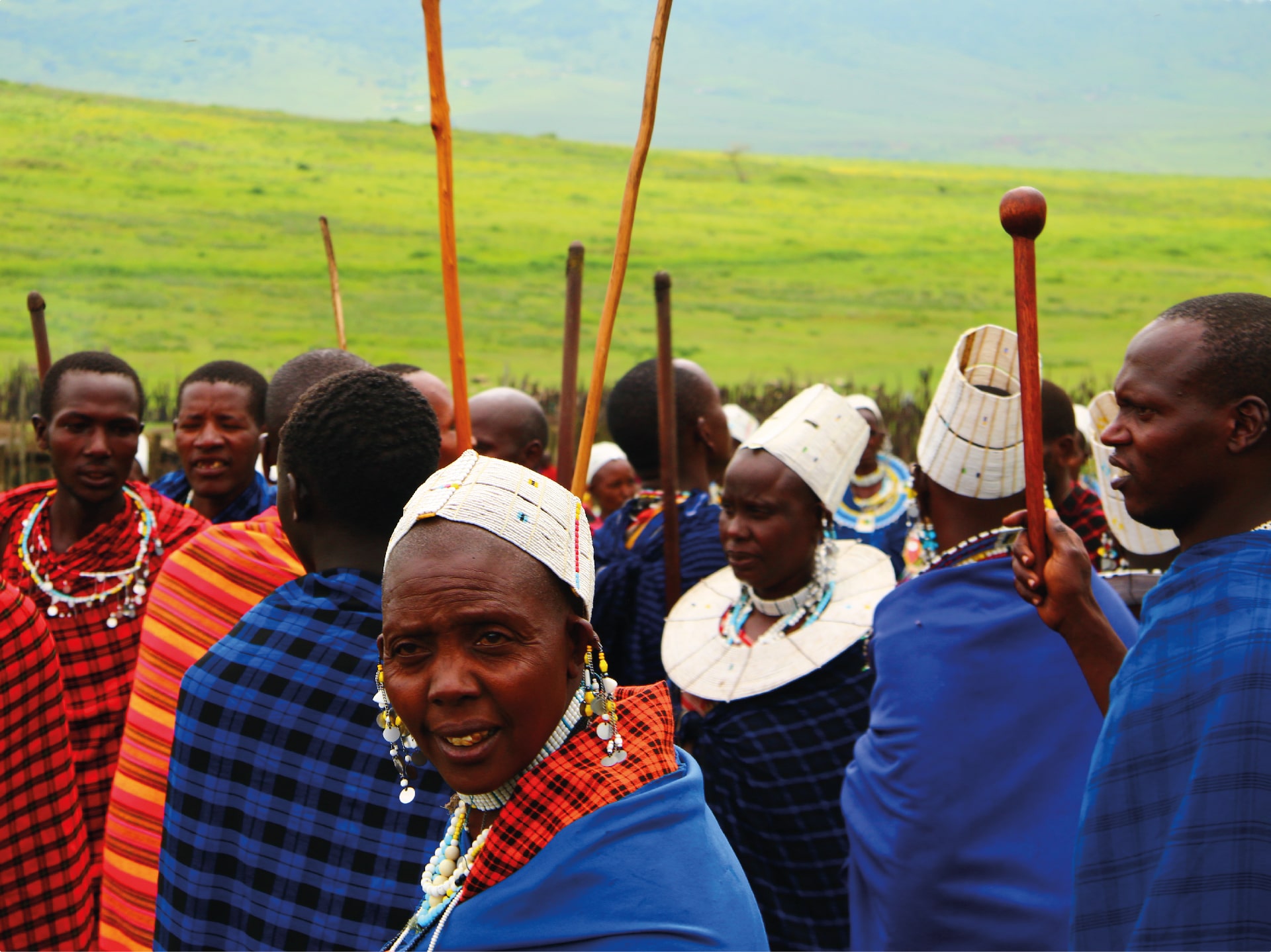
Another distinctive feature of the area is the presence of Masai villages, small traditional settlements where it is possible to come into direct contact with the culture and customs of this ancestral people. The Maasai who speak ‘Maa’, the term from which they derive their name, are a semi-nomadic people of Nilotic origin with a dual soul of brave warriors and transhumant breeders of cows, goats and sheep. Today, about 100,000 Maasai live in the Ngorongoro protected area and take care of their livestock without harming the wildlife. They have always been opposed to any change and therefore still live today as they did centuries ago. The small villages in which they live are circular in shape with a bramble fence in the centre, into which they drive their cattle at dusk. All around, huts of straw and dried dung stand where numerous people and newborn calves live.
The Masai are easily recognisable because they wear the ‘Shuka’: the traditional dress that consists, essentially, of a brightly coloured cloth, with a clear predominance of red. This is the symbol colour of their culture because it is believed that red can keep lions away. Both men and women sprinkle their bodies with ochre and animal fat and adorn themselves with gaudy jewellery of coloured beads and designs symbolising their clan and social status. As a rule, they wear sandals on their feet, heedless of any kind of terrain on which they may walk. Maasai society is strongly patriarchal and age-based. Only men hold the most important roles, while women have marginal roles and no hereditary rights. Marriages are chosen by the elders and polygamy is widespread. Children are very dear to the hearts of all members of the village, who take care of their upbringing and growth indiscriminately. Soon the boys learn to tend cattle and the girls to do household chores, learning ceremonies and customs that mark the transition from childhood to adulthood. The men’s life journey is marked by stages of special rituals, the first of which involves circumcision. This is followed by the passages of young warrior, adult warrior, lower and higher elder: each of these levels is characterised by specific rights, responsibilities and clothing. The religion is monotheistic, but the Maasai consider their surroundings sacred. The major source of livelihood comes mainly from the herd: milk, meat, blood. Wealth, consequently, is measured by the livestock one owns and, also, by the number of children: the more animals and children one has, the richer one is. A peculiarity of Masai customs is to see in the act of spitting a sacred symbolism and a form of respect. Members of this tribe spit to greet their friends, validate business or wish good luck. To visit a Maasai Boma is to understand the meaning of living in symbiosis with the environment, observing the everyday life of a community that has been able to adapt and resist without losing its identity.
Finally, one cannot forget the absolute wonder of the Ngorongoro Crater, an iconic place where it is possible to spot the African ‘Big Five’ in a single day. This crater, which was once an active volcano, is now home to one of the most densely populated ecosystems for wildlife. Its caldera shape makes it a natural theatre for unforgettable photographs and moments of pure wonder.
Exploring the Ngorongoro Conservation Area is not just about observing landscapes and animals, but about authentic experiences that stimulate the senses and enrich the mind, such as visiting the Empakaai and Olmoti craters or the Masek and Ndutu lakes.
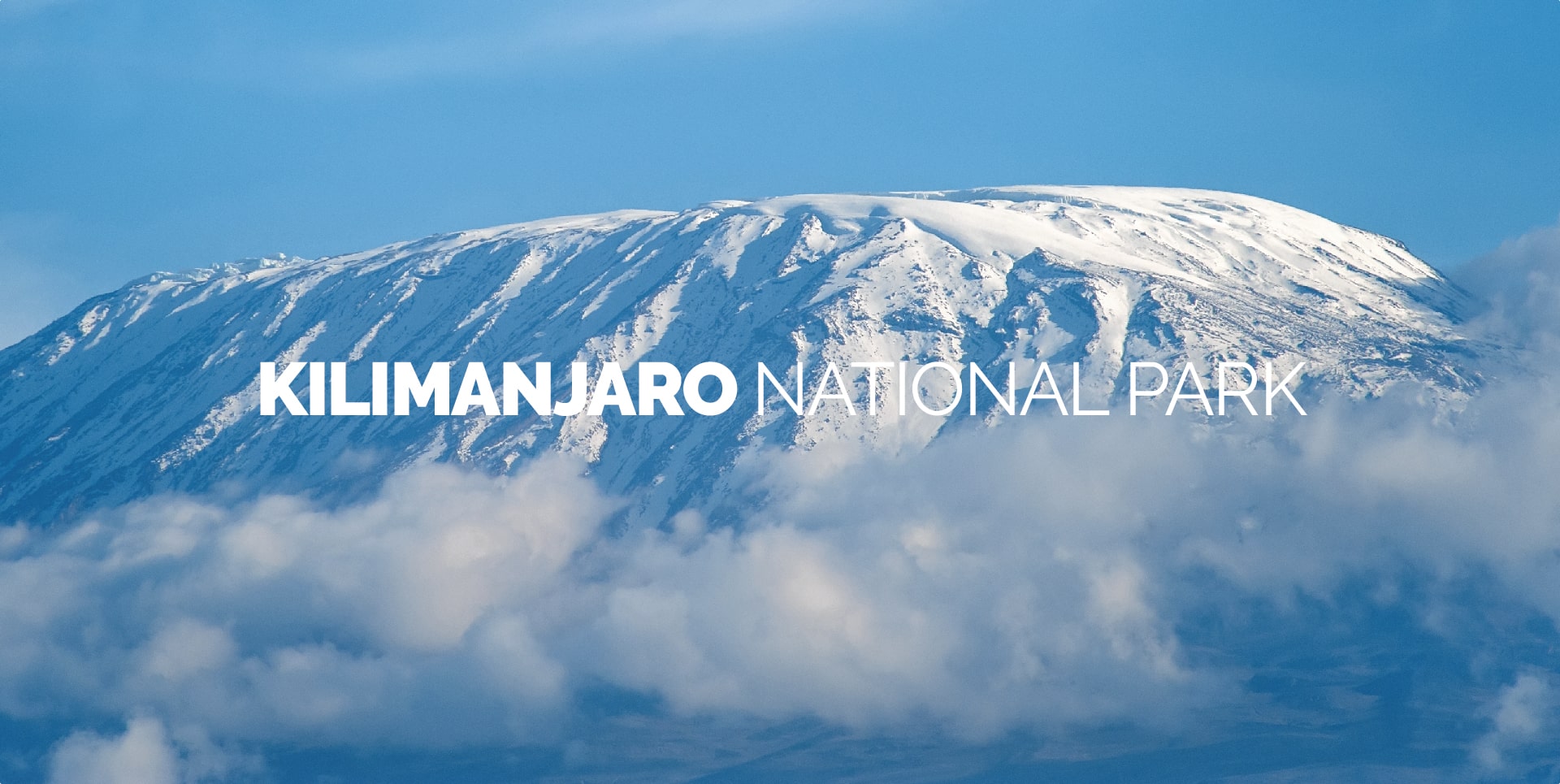
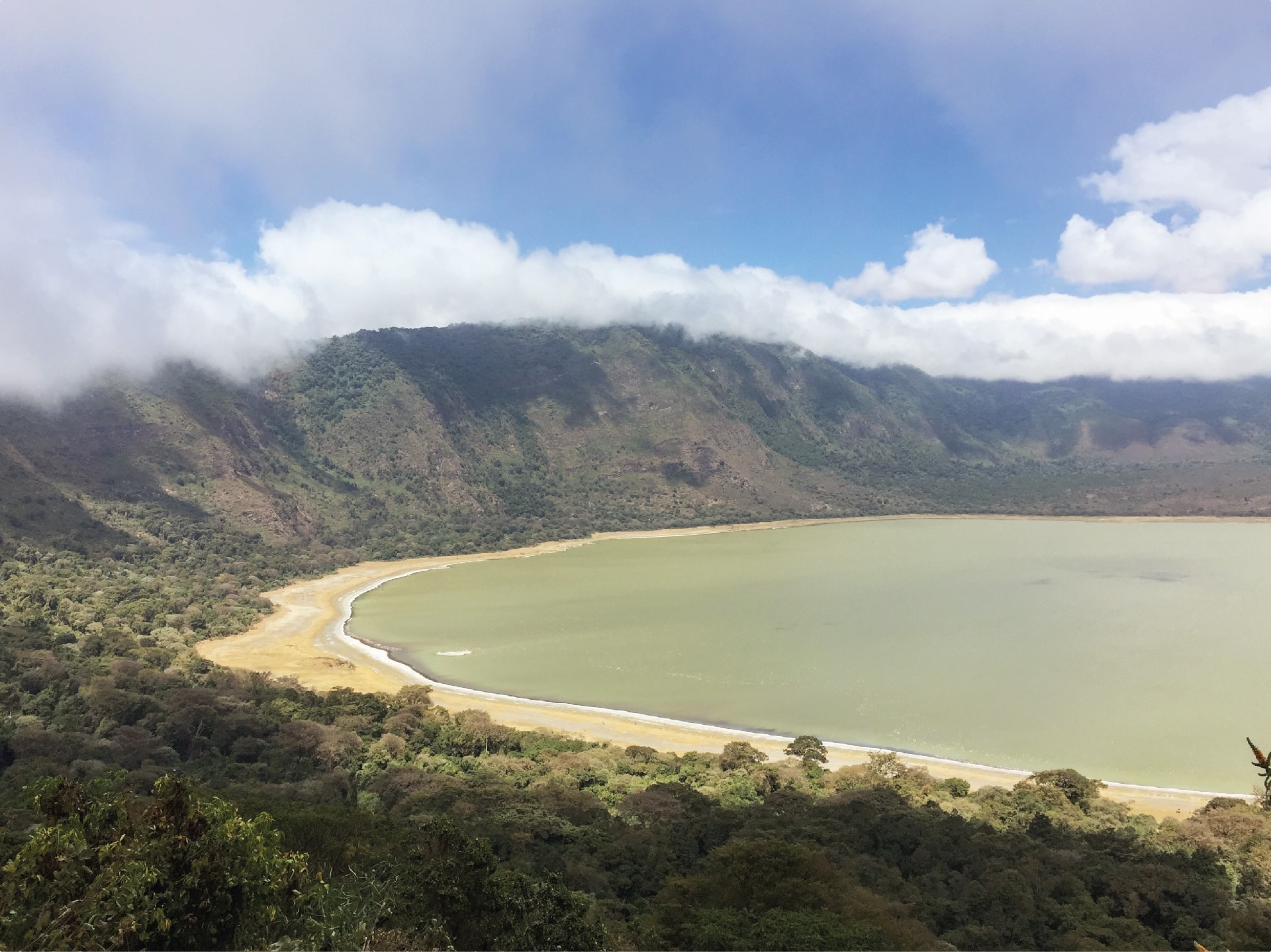
Empakaai Crater is the second largest crater in the Ngorongoro Conservation Area. The ancient caldera is about 6 km in diameter and about half of it is occupied by a beautiful emerald-green lake that attracts flamingos and other waterfowl. It can only be visited on foot, accompanied by an armed ranger: the well-maintained trail winds along the eastern rim and through the lush mountain forest that entirely covers the crater walls. From the rim, visitors can admire the volcanic cone of Ol Doinyo Lengai, Lake Natron and, on a clear day, even snow-capped Kilimanjaro. The steep but scenic descent to the bottom of the crater presents numerous opportunities to spot wildlife, including buffalo, hyenas, blue monkeys, elephants and a wide variety of birds.
Olmoti Crater, whose name means ‘pot’ in the Masai language, is a shallow submerged caldera located north of Ngorongoro Crater and south of Empakaai Crater. The lush surroundings and numerous water sources provide fertile pastures for both Maasai cattle and wildlife. It is possible to make a short excursion, with an armed ranger, to the impressive Munge Falls that feed Lake Magadi in the Ngorongoro Crater.
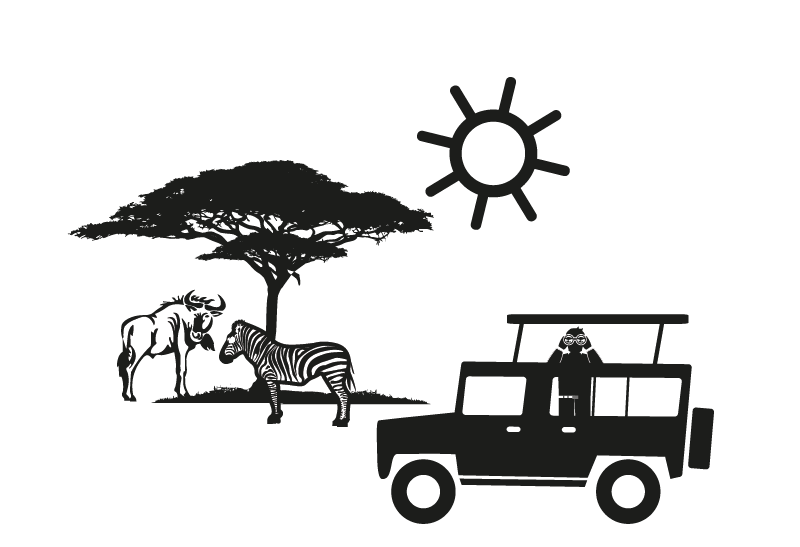
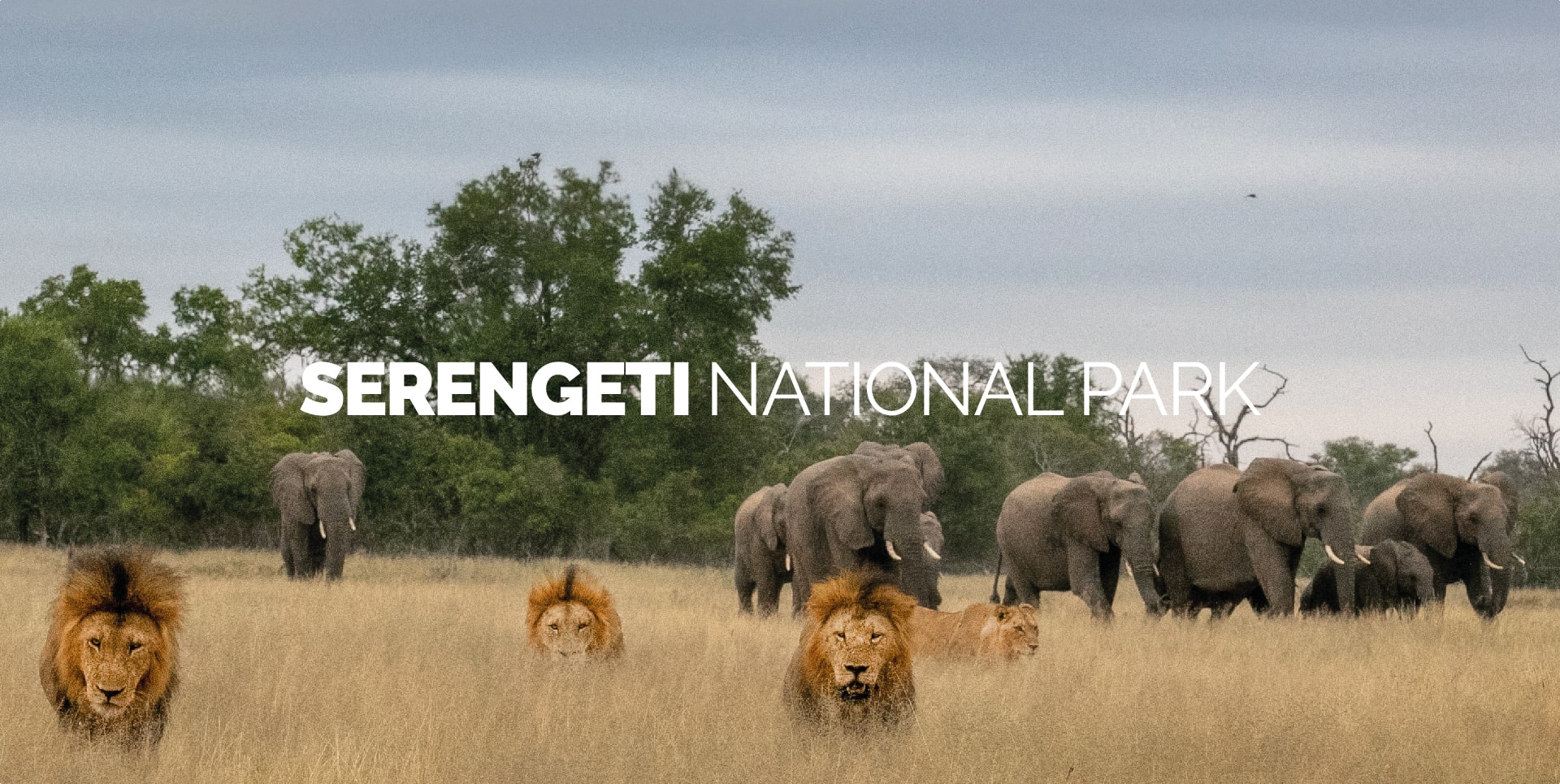
Lake Ndutu and, a short distance away, Lake Masek are part of the Ngorongoro Conservation Area and are a key stage in the Great Migration. Every year, from December to March, the transhumance of the large herds of herbivores offers an incredible spectacle. The animals, perpetually in search of water and pasture for survival, reach, after an exhausting journey, this area that, with the arrival of the rains, gives them lush grasslands of low, mineral-rich grass. Herds of wildebeest and zebra stay here for several months and, in February, give birth to thousands of cubs that attract predators such as cheetahs, lions and hyenas. The activities offered in the area allow you to connect deeply with what you are visiting, making the trip something much more engaging than a simple photographic safari. Among the most popular experiences are game drives, or off-road safaris, both in the crater and in the surrounding areas. These excursions allow you to spot an extraordinary variety of animals in the wild: from herds of zebras and wildebeests crossing the savannah, to herds of lions hiding in the tall grass, to elephants moving silently among the acacias. History buffs can take part in a guided tour of the Olduvai Gorge, where archaeologists and local guides explain the scientific and symbolic value of the findings. Entering the small museum in the gorge, observing the finds and walking around the excavation areas offers a unique experience, that of really being in the place where it all began. Also very touching are the cultural encounters with the Masai communities, who open the doors of their villages to proudly display their customs, dances, traditional clothes and farming systems. Mutual respect and active listening make these experiences real, intense moments of human exchange, far from any forced folklore. Finally, the area is perfect for those who love landscape and archaeological photography. The colour contrasts between sky, craters and savannahs, the presence of iconic animals, and the golden light that envelops the hills at sunrise or sunset, provide shots that remain imprinted not only on the camera, but also in the memory.
The dry season (June-October) is the most suitable for sightings, due to the lower vegetation and slopes in optimal condition. Instead, those looking for greener landscapes and less crowding can choose the rainy season, between December and March, an ideal time to observe the first births of herbivores and also enjoy a more intimate atmosphere.
Perfect for lovers of nature, history and adventure, the Ngorongoro Conservation Area is ideal for those who want to combine safari and culture, explore the roots of humanity and experience something off the beaten track.
It is not just any journey, but a profound discovery of the bond between man and the environment. The best safari in Tanzania start right here.
Visiting the Ngorongoro Conservation Area does not only mean observing African wildlife. It means immersing oneself in a millennial tale, walking beside the first traces of man, listening to the voice of the ancient peoples who still inhabit these lands today.
It is a journey through time and space, between craters, plateaus and cultures that resist. An experience capable of leaving a deep and authentic imprint in the memory of every traveller.