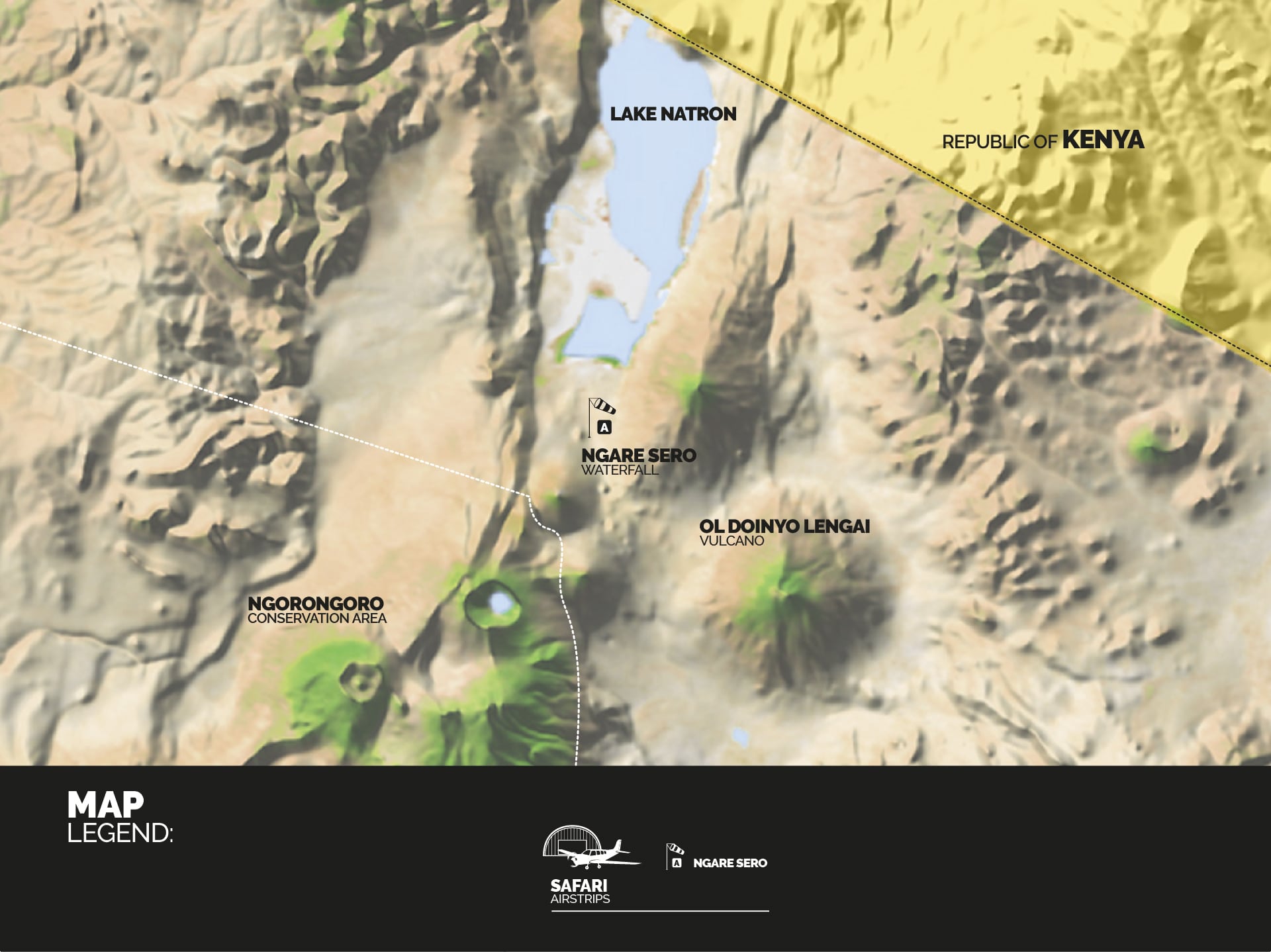
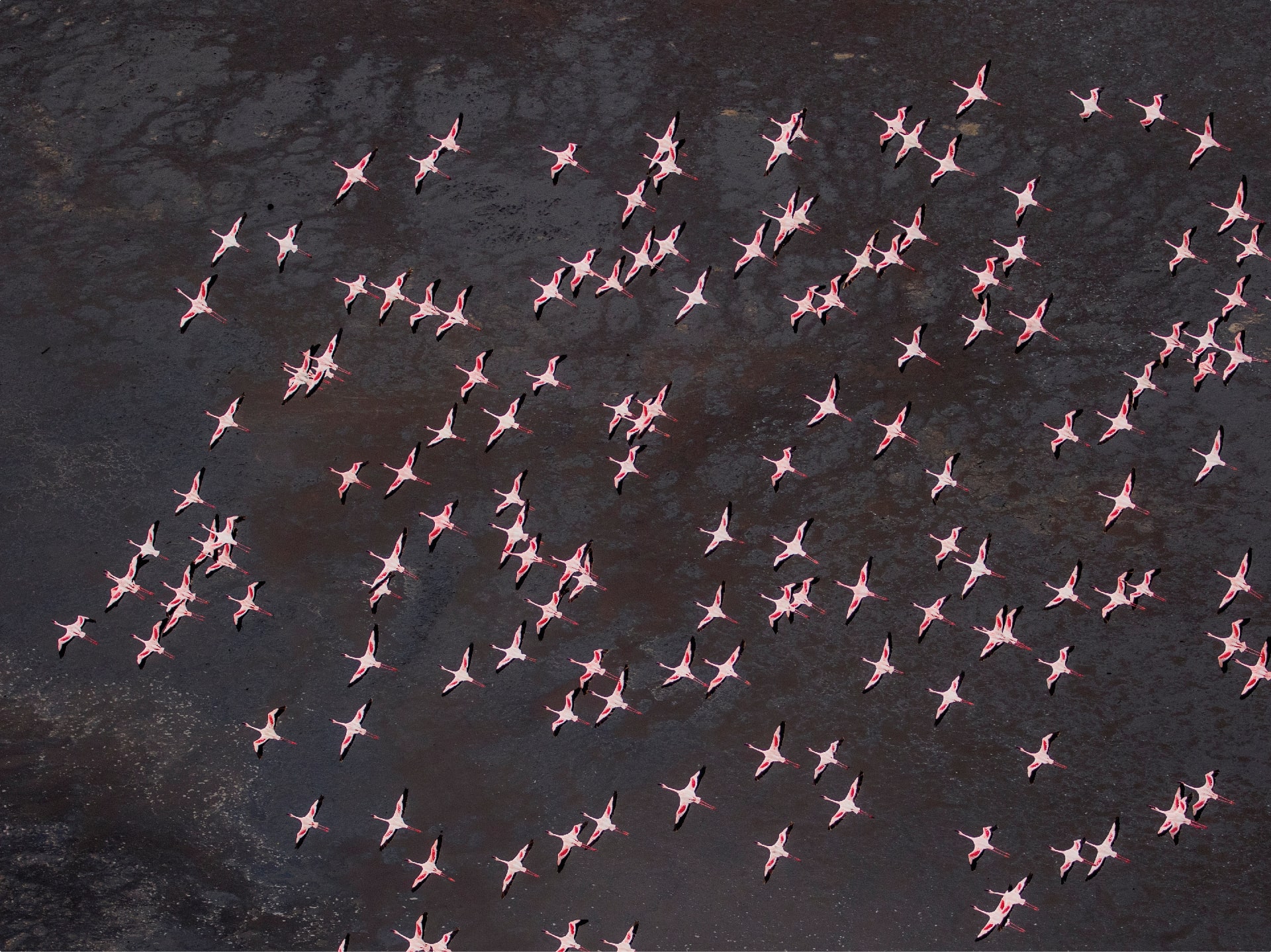
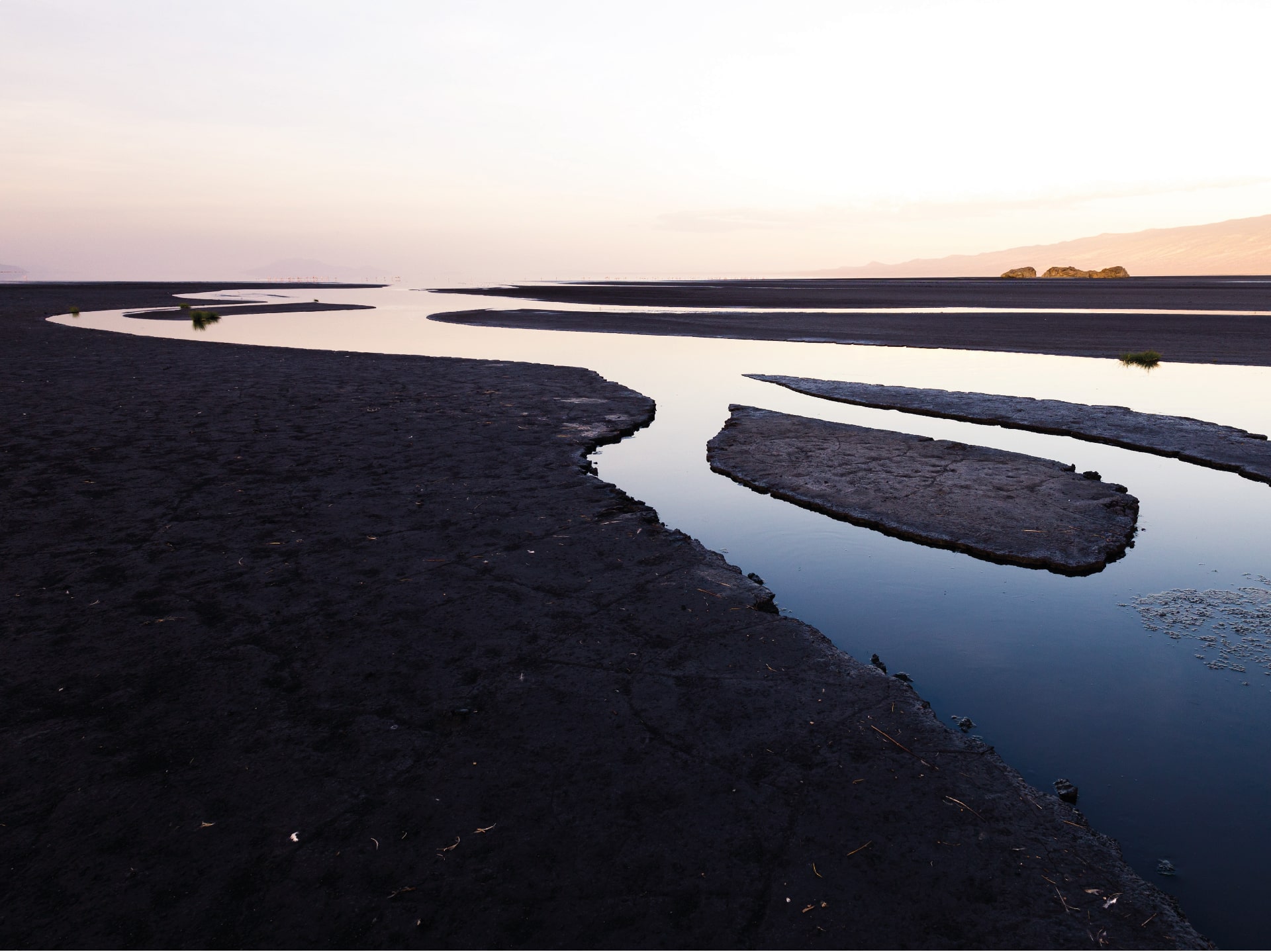
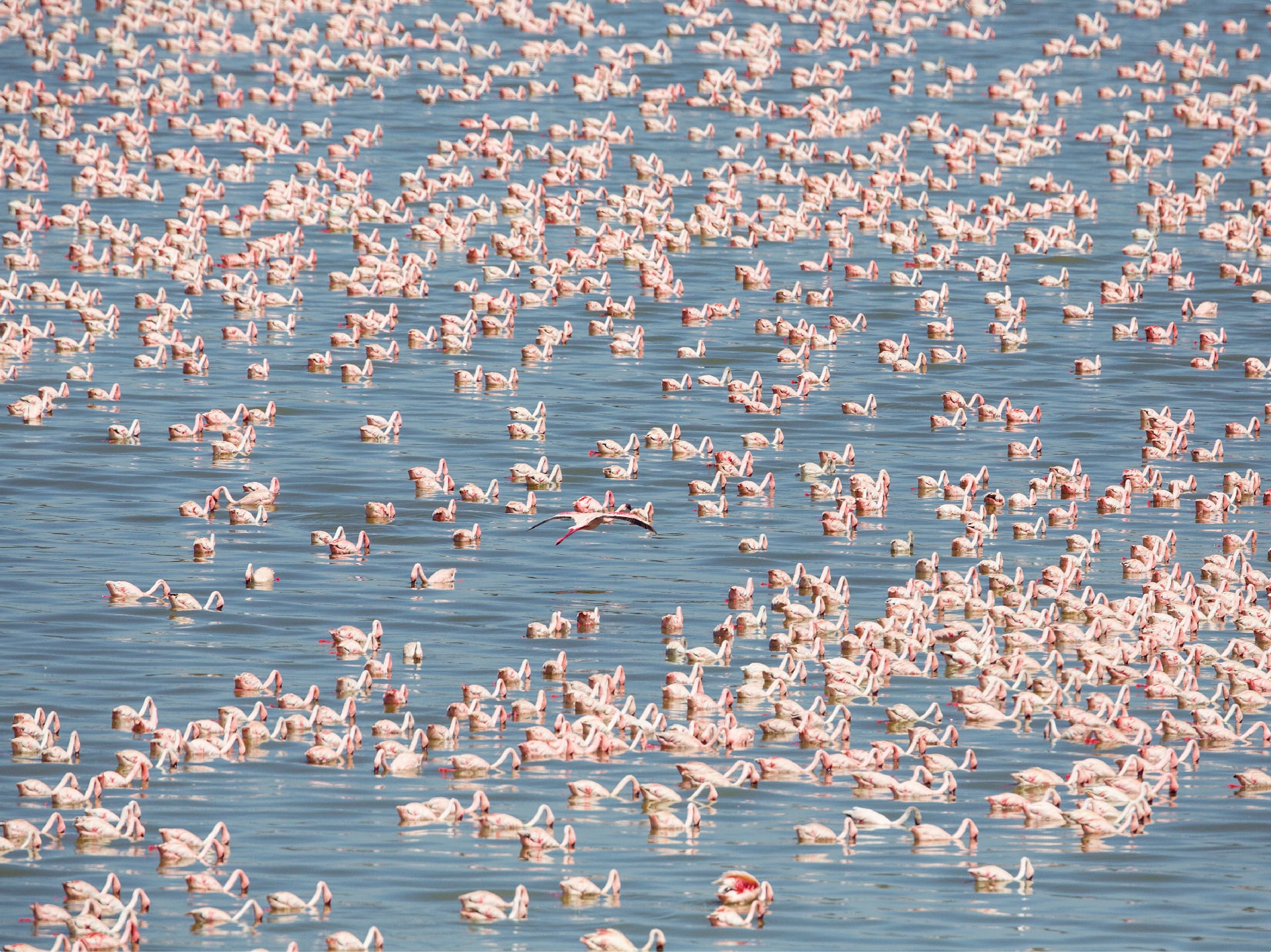
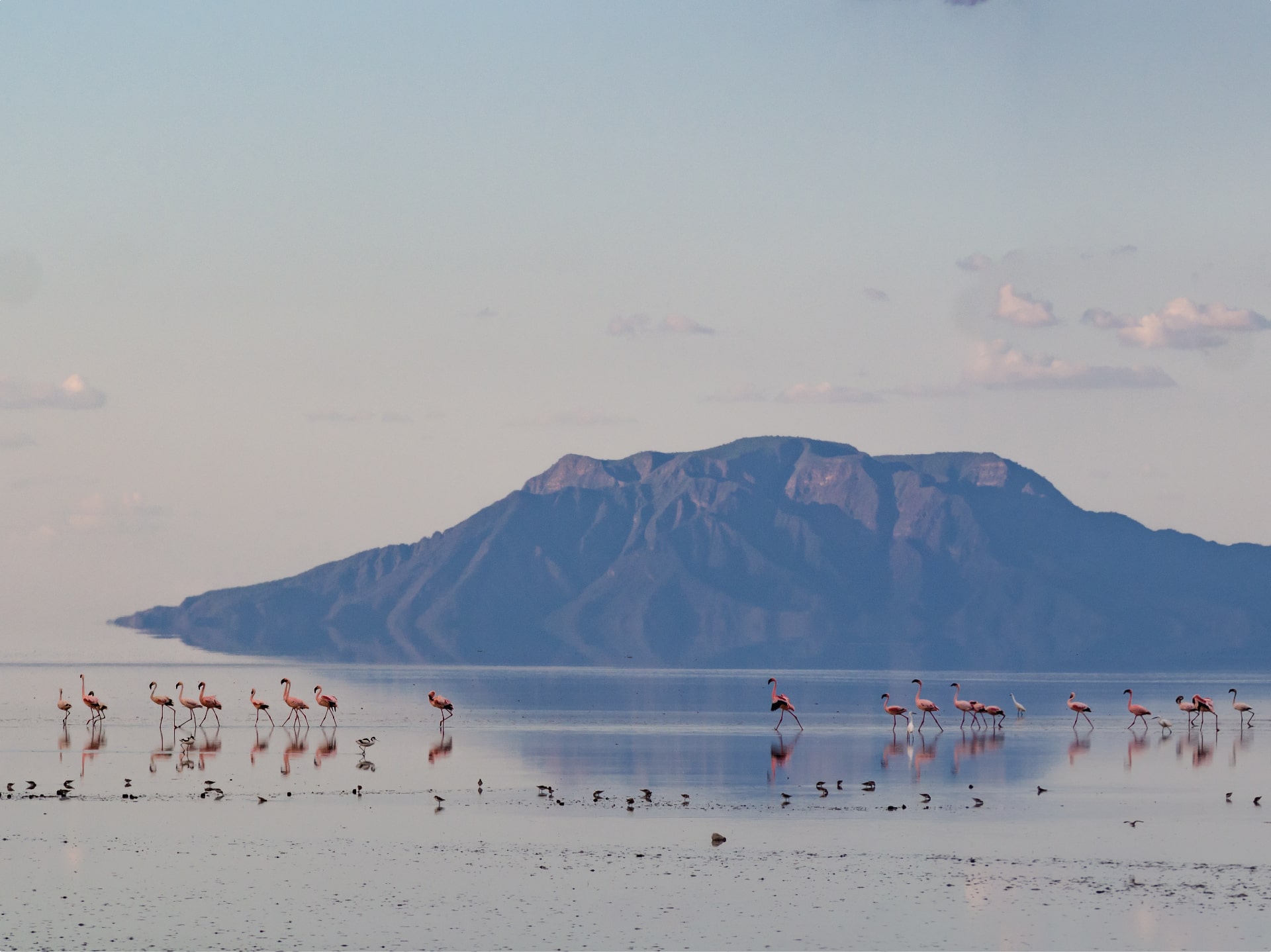
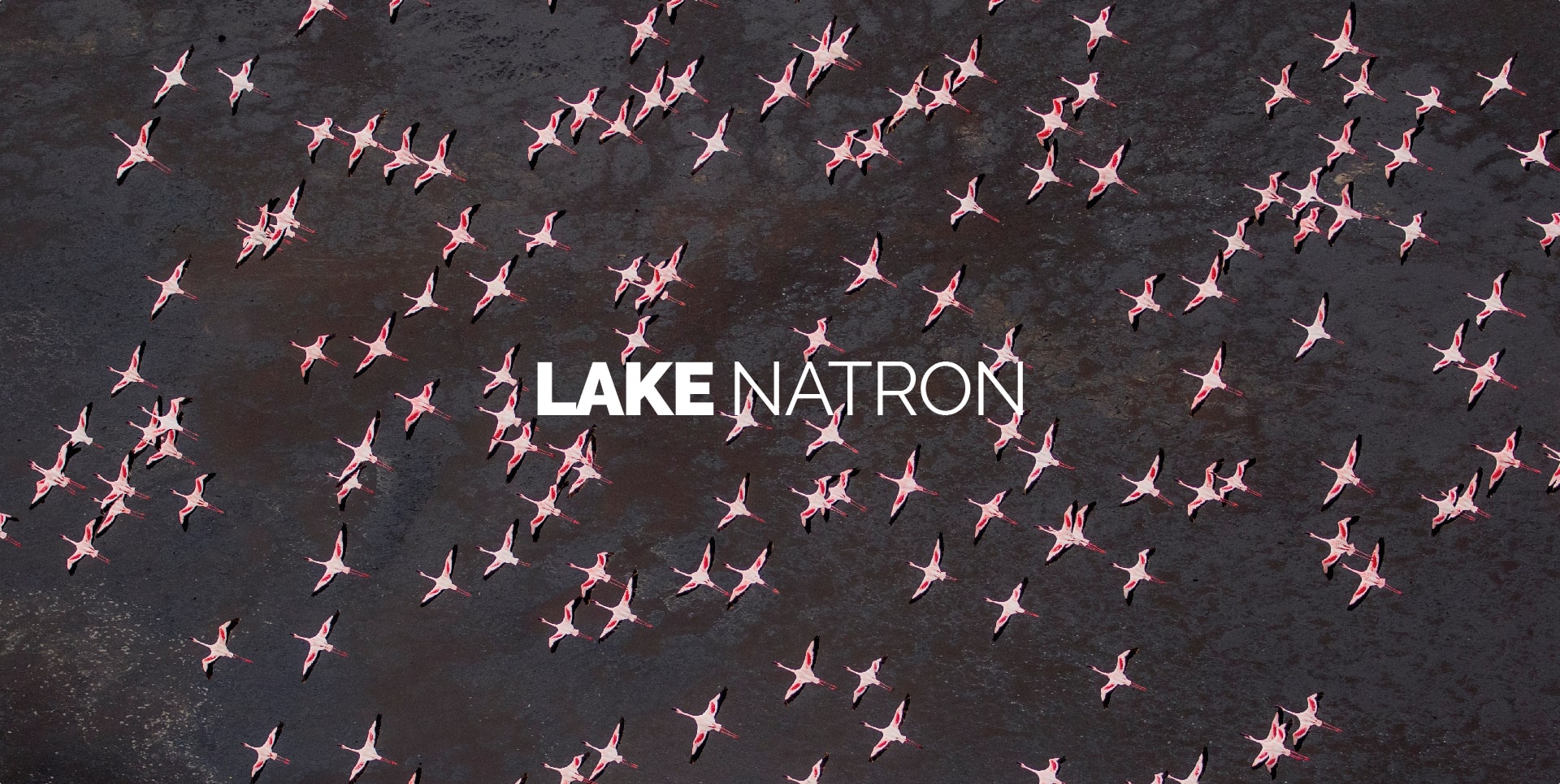
In northern Tanzania, in the wilderness of the Great Rift Valley lies one of the most astonishing and surreal landscapes on the African continent: Lake Natron. This saline body of water is famous for its pinkish waters and varies in size, extent and depth depending on the seasons and rainfall patterns, so that its colours also change from white to pink, red to brown. Its waters are dangerous because the very high percentage of sodium carbonate hydrate makes them caustic. The only being that can survive on its surface is the ‘lesser flamingo’, thanks to a protective horny layer on its legs and beak. East Africa has 1.5-2.5 million lesser flamingos, accounting for three quarters of the world’s total population. Most of this species nests in Lake Natron between August and October, ranking as the most important breeding site for lesser flamingos in the world.
No wonder, then, that the shores of the lake were the location for the filming of Walt Disney Pictures’ nature documentary “The Mystery of the Pink Flamingos”.
Far from the classic tourist routes, Lake Natron fascinates with its almost alien appearance, but also with the incredible biodiversity it manages to host, despite an environment defined as extreme in many respects.
Where is Lake Natron and how to get there
Lake Natron lies in the eastern part of the Great Rift Valley, on the border between Tanzania and Kenya. It is one of the most remote and wild areas of the country, which makes travelling to this lake a real adventure.
The main access is from Arusha or the northern circuit parks. For those who want an organised and safe experience, the ideal solution is to rely on our Tanzania safari tour operator, who knows the area well and can organise every detail, from transport to guided tours.
The unique characteristics of Lake Natron
Lake Natron is a saline-alkaline lake with a pH that can exceed 10.5 and temperatures of up to 60°C. These extreme conditions make it a hostile environment for most, but not all, life forms. It is due to its chemical composition that the waters take on hues ranging from pink to bright red, creating a striking visual contrast to the surrounding arid landscape. The salt crusts that form along the banks shimmer in the sunlight, making the atmosphere even more magical.
The red water phenomenon: causes and best times to observe it
The particular colour of Lake Natron is caused by the presence of cyanobacteria, microorganisms that produce red pigments to protect themselves from intense sunlight. During the dry season, water evaporation is very high, increasing salinity and favouring the proliferation of these organisms.
This is the best time to observe the lake in its full colour splendour. Nature photographers, particularly on photographic safaris in Tanzania, find this period a truly incomparable setting.
Lake Natron as a habitat for lesser flamingos
Lake Natron is the main nesting site of lesser flamingos in the whole of East Africa. Every year, millions of these elegant birds gather here to breed. The reason for this is simple: the lake’s hostile environment acts as a natural barrier against predators, providing a safe haven for nests. The flamingos feed on the cyanobacteria in the water, making Lake Natron crucial to the survival of the species. Their arrival dyes the sky and water pink, offering a spectacle that is unparalleled in the natural world.
Other life forms adapted to extreme conditions
Although it might seem a place devoid of life, Lake Natron is inhabited by highly specialised organisms that can adapt to extreme conditions. Prominent among these is the alkaline Alcolapia, a fish that manages to survive in pools of warm, highly alkaline water. Added to this are species of algae and micro-organisms that form an amazing ecosystem, now the subject of interest by biologists and scientists worldwide.
Activities and attractions around Lake Natron
The charm of Lake Natron does not end with the sight of its colourful waters. The walks around the lake, the streams and the Engare Sero waterfalls, along the nearby escarpment, are a fantastic adventure off the beaten track.
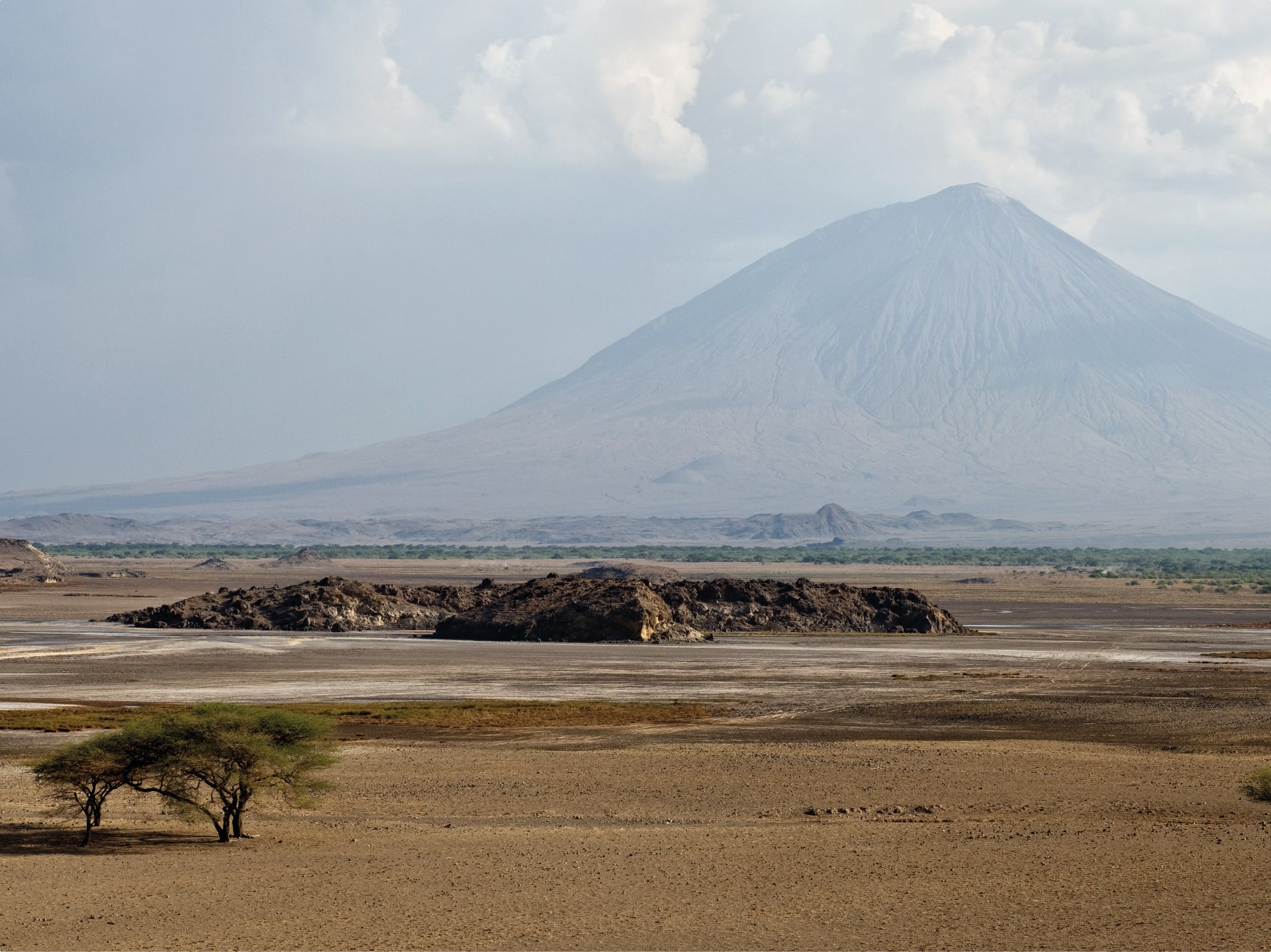
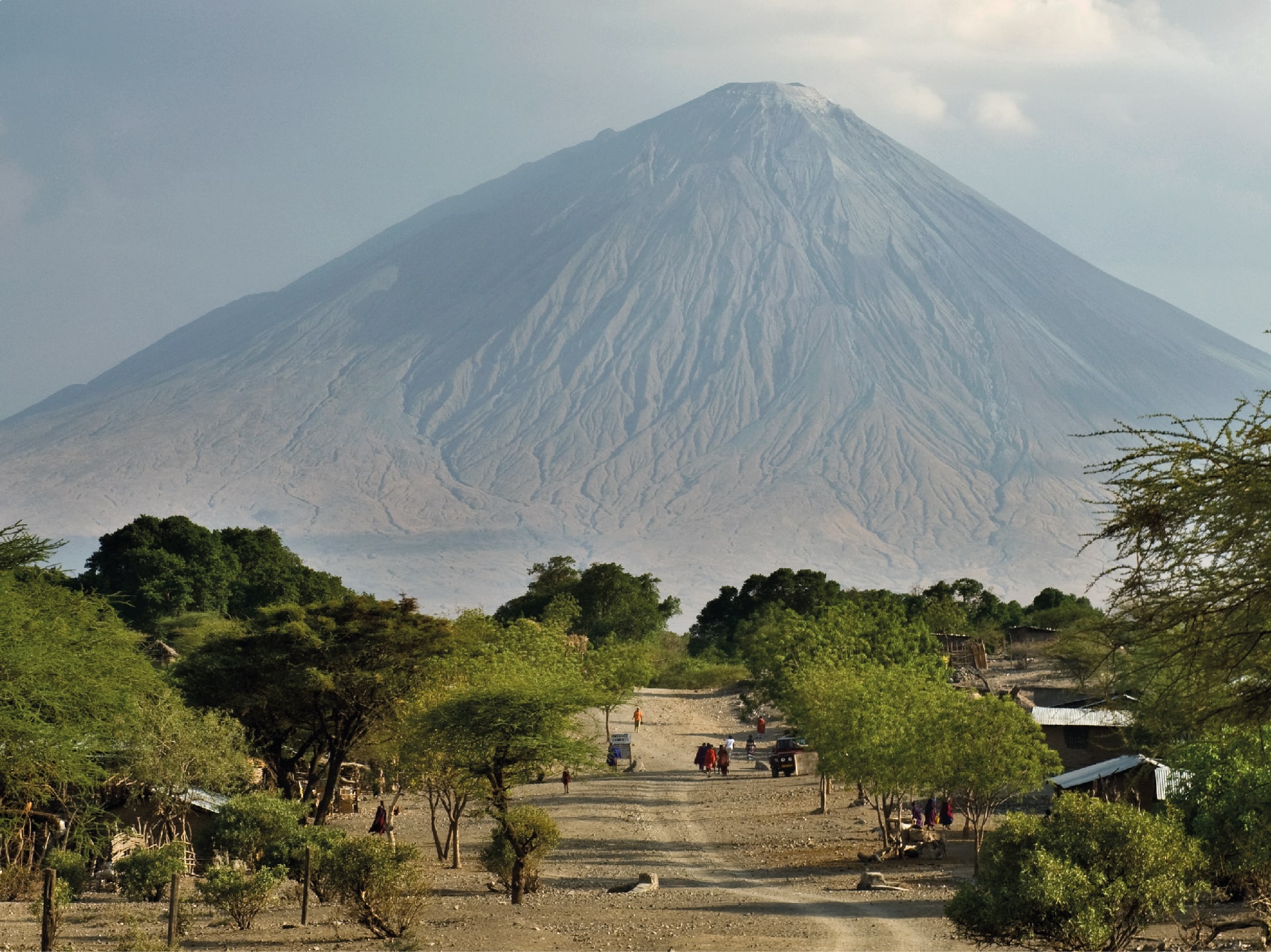
Trekking enthusiasts, on the other hand, can try their hand at climbing the Ol Doinyo Lengai volcano. The mountain rises south of Lake Natron, in the Great Rift Valley, right in the heart of Masai land. The Maasai come from all over Tanzania and neighbouring Kenya to come and pray on the mountain that they consider sacred and to which they have given the name ‘Ol Doinyo Lengai’, which means ‘Mountain of God’. It is the only active volcano in Tanzania and also the only volcano, known in the world, to erupt natrocarbonatite, a rare type of volcanic rock rich in sodium, potassium and calcium carbonate, but low in silica. Because of this particular composition, the lava is extremely fluid and flows quickly: initially dark as oil, it rapidly clears due to chemical reactions with rainwater and moisture in the air, turning white and creating the illusion of a snowy summit. Lower temperatures, compared to silica lavas, result in a low incandescence unable to produce enough light to glow during the day. Another peculiarity of Ol Doinyo Lengai’s lava is that it can only be visible at night.
The current cone of the volcano was formed about 15,000 years ago, but the depth and morphology have changed over the course of several eruptions. After the 2007 eruption, the active northern crater and the dormant southern crater merged together, creating a large caldera. The trek is challenging, starting late in the evening and lasting all night (6 hours for the ascent and about 4 hours for the descent). The ascent of Ol Doinyo Lengai is strenuous due to the scorching heat during the day and the lack of water. It climbs strictly straight up slippery slopes covered with ash and crumbly rocks, with a considerable difference in altitude. The ascent takes place at night to reach the summit at first light, when dawn offers the stupendous scenery of a dreamlike, desert-like, remote landscape. It is advisable to wear short but also long trousers and a warm jacket because the temperature can be cold at altitude. The access route from the north-west allows you to descend from the summit in the morning shade.
There are also several Maasai Boma in the area, which give the opportunity to interact with the local people and learn about their customs and traditions.
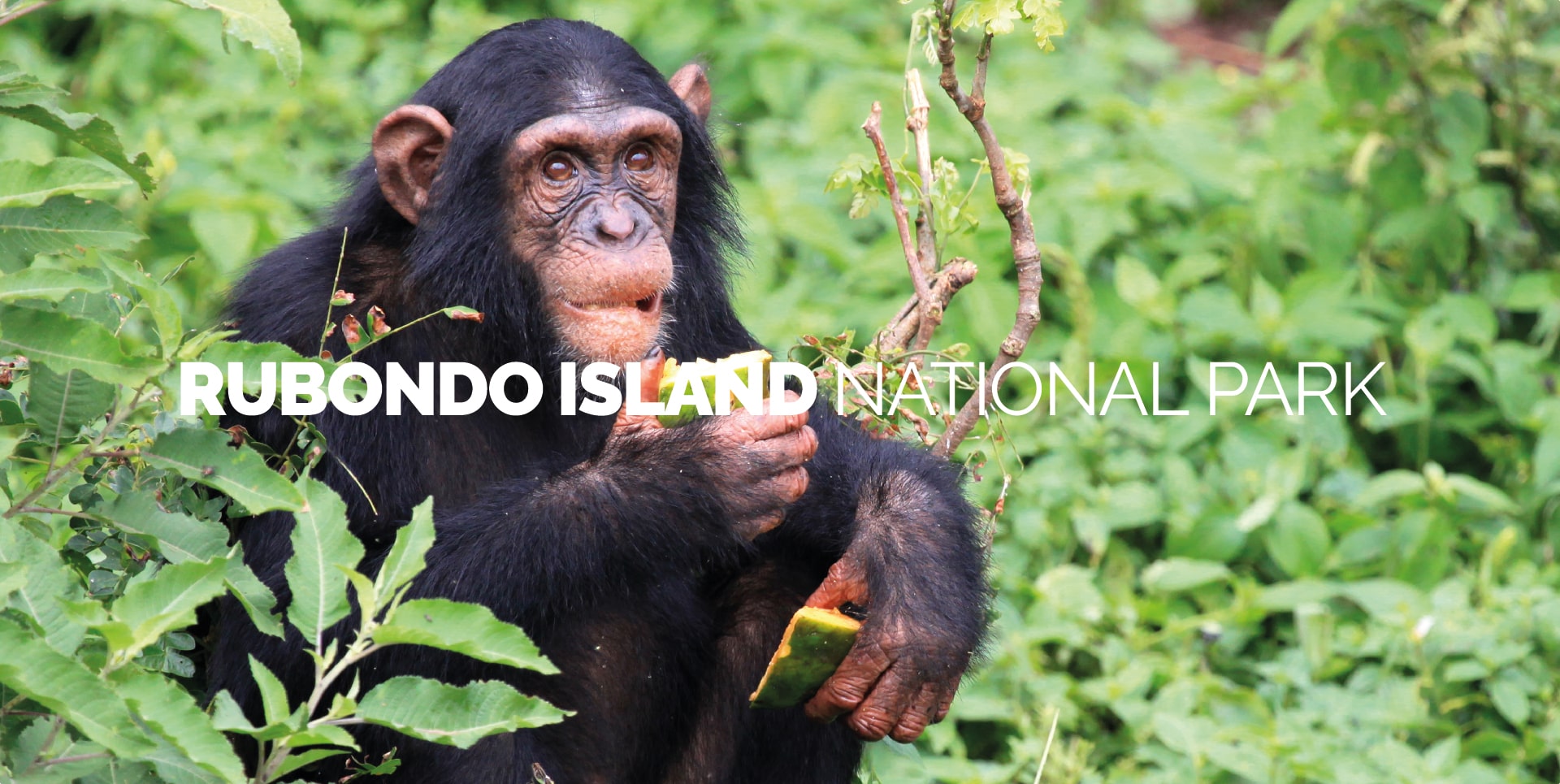
For those wishing to discover other fascinating natural areas, Rubondo Island National Park, with its lake scenery and the presence of chimpanzees, is also worth considering.
Practical tips for visiting Lake Natron
To fully enjoy a visit to Lake Natron, it is important to choose the right time of year and to set off well prepared. The dry season, which runs from June to October, guarantees favourable weather conditions and accessible roads. It is essential to bring light but opaque clothing, sun protection, water supplies and, above all, to travel accompanied by experienced guides. The difficulties of the terrain should not discourage but require good planning.
Turning to experienced professionals for safaris in Tanzania is the best way to approach this trip with confidence.
An unforgettable experience between nature and culture
Lake Natron is a place that leaves its mark. Its spectacular landscapes, the presence of flamingos, the surreal atmosphere and the interactions with the Maasai culture turn the trip into a total experience. Here, nature shows itself in one of its most extreme and fascinating forms, offering those who come to this hidden corner of Tanzania the chance to experience the magic of silence, light and life that endures against all odds.
Those looking for an authentic trip away from mass tourism circuits will find Lake Natron a destination to remember forever.