Those looking for a trip off the beaten track, away from the crowds and into the true soul of Africa, will find Lake Eyasi a surprising destination. Located in the north-western part of Tanzania, this seasonal salt lake offers much more than just a view.
It is a place where nature manifests itself in a raw and savage way, and where ancestral cultures survive that tell of another Africa, one of resilience, silence and deep-rooted identity.
Lake Eyasi: an off-course Tanzania among desert, tribes and silences
Lake Eyasi is a destination off the beaten track, and for this very reason it retains a rare charm. Its authenticity lies in its contrasts: harsh and bare landscapes, villages of huts where time has stood still, tribes that keep their thousand-year-old traditions alive. You won’t find luxury lodges or crowds of tourists, but deep silences, intense light and encounters that leave their mark.
Where Lake Eyasi is located
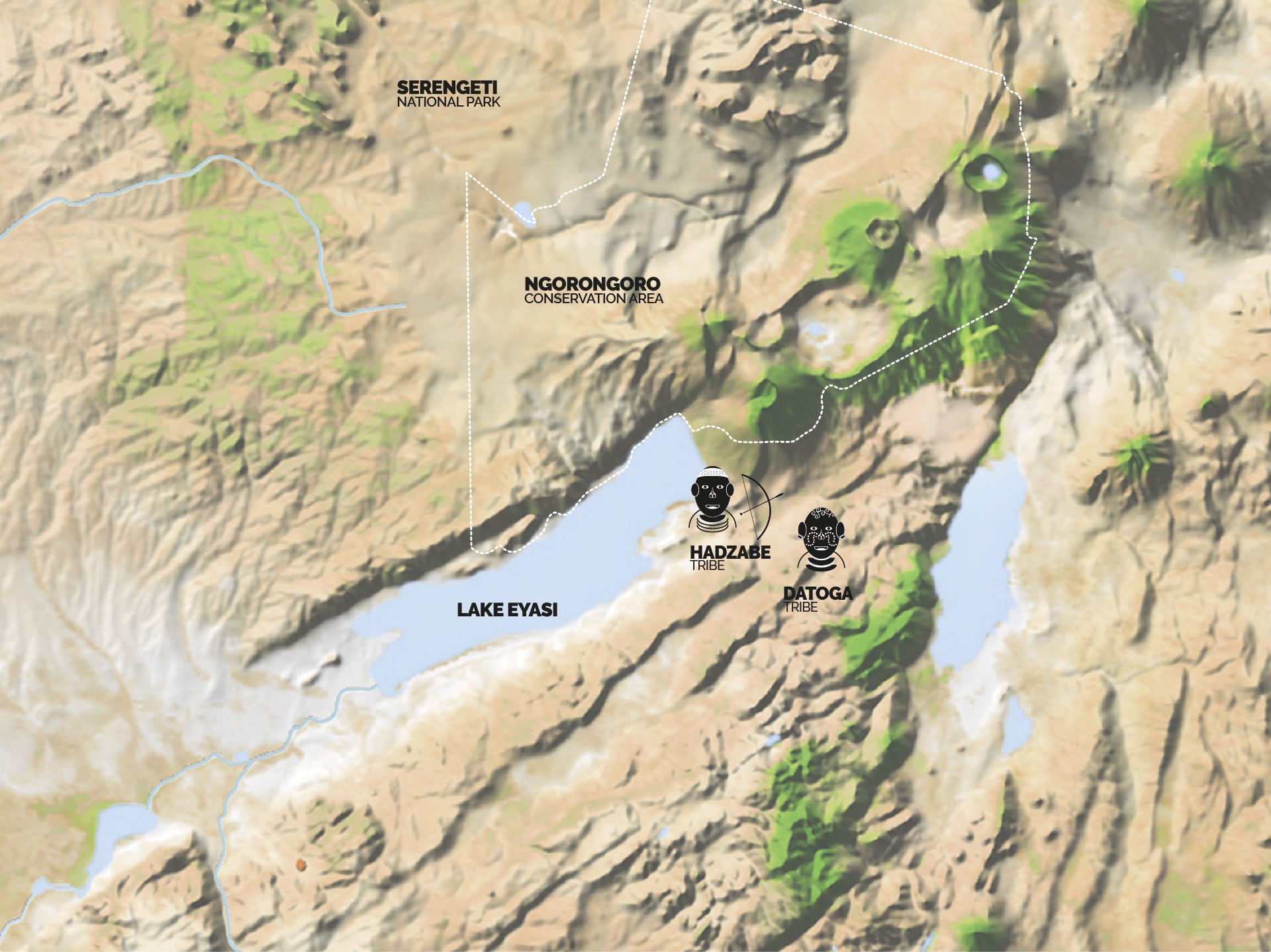
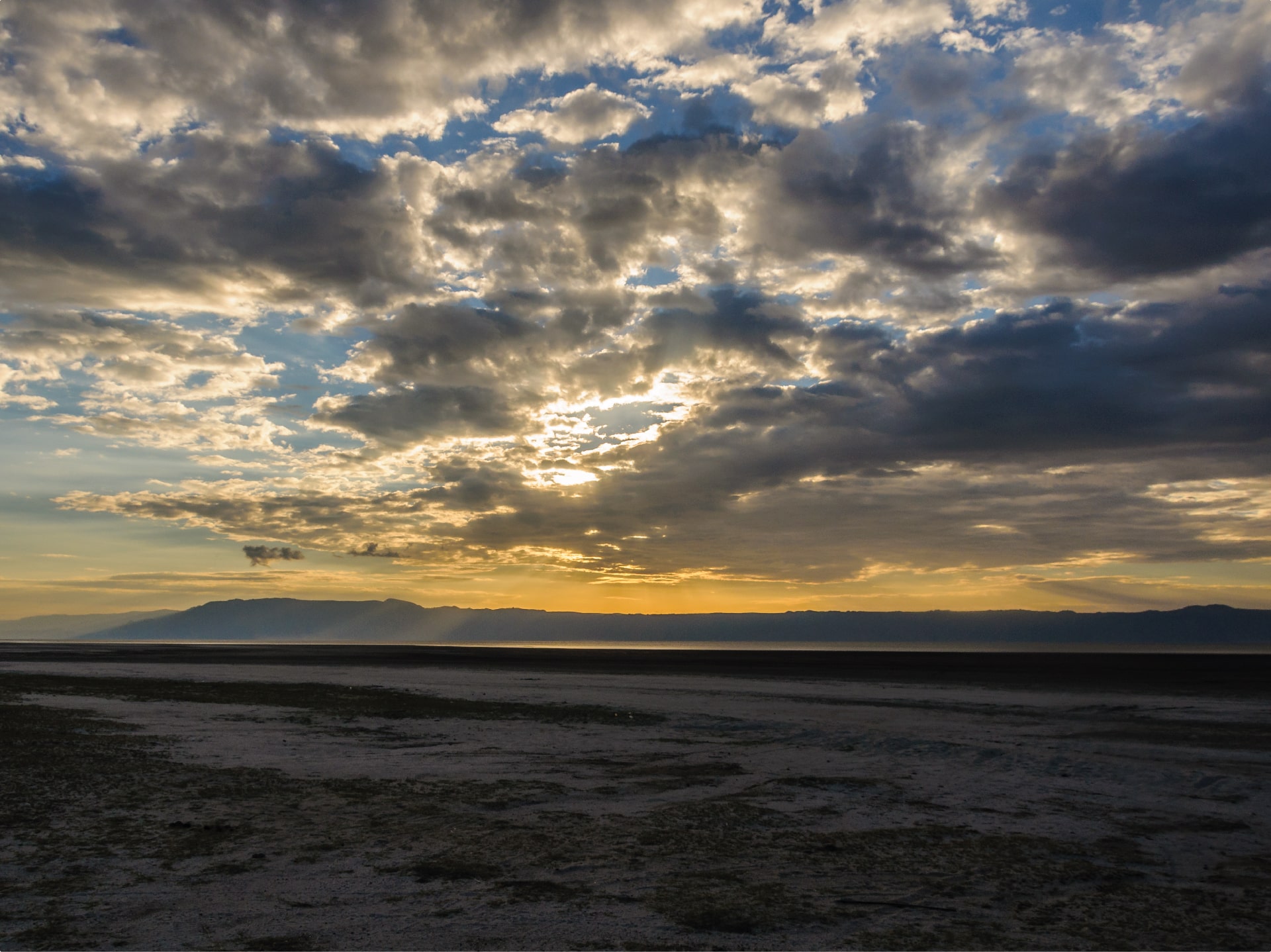
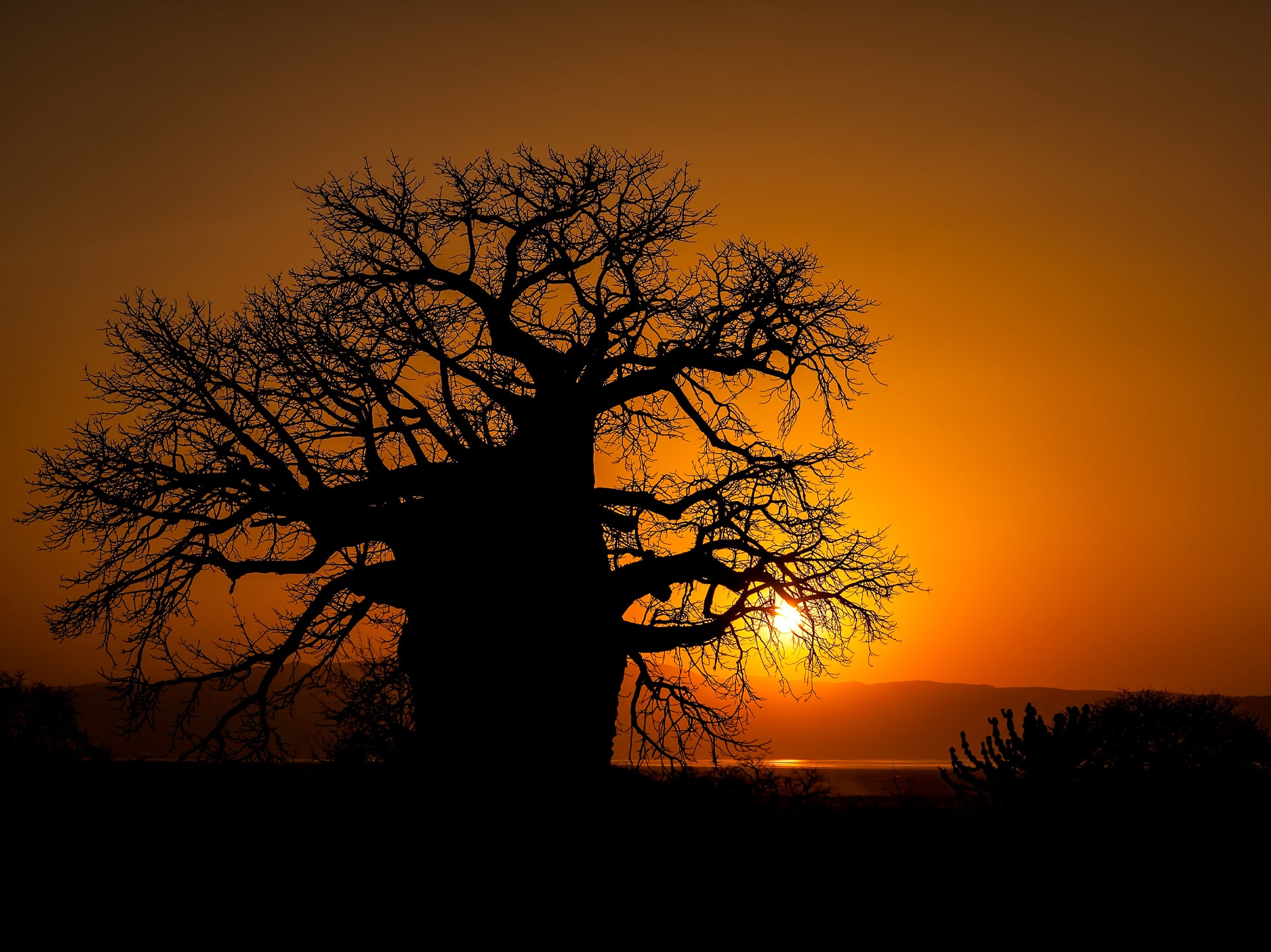
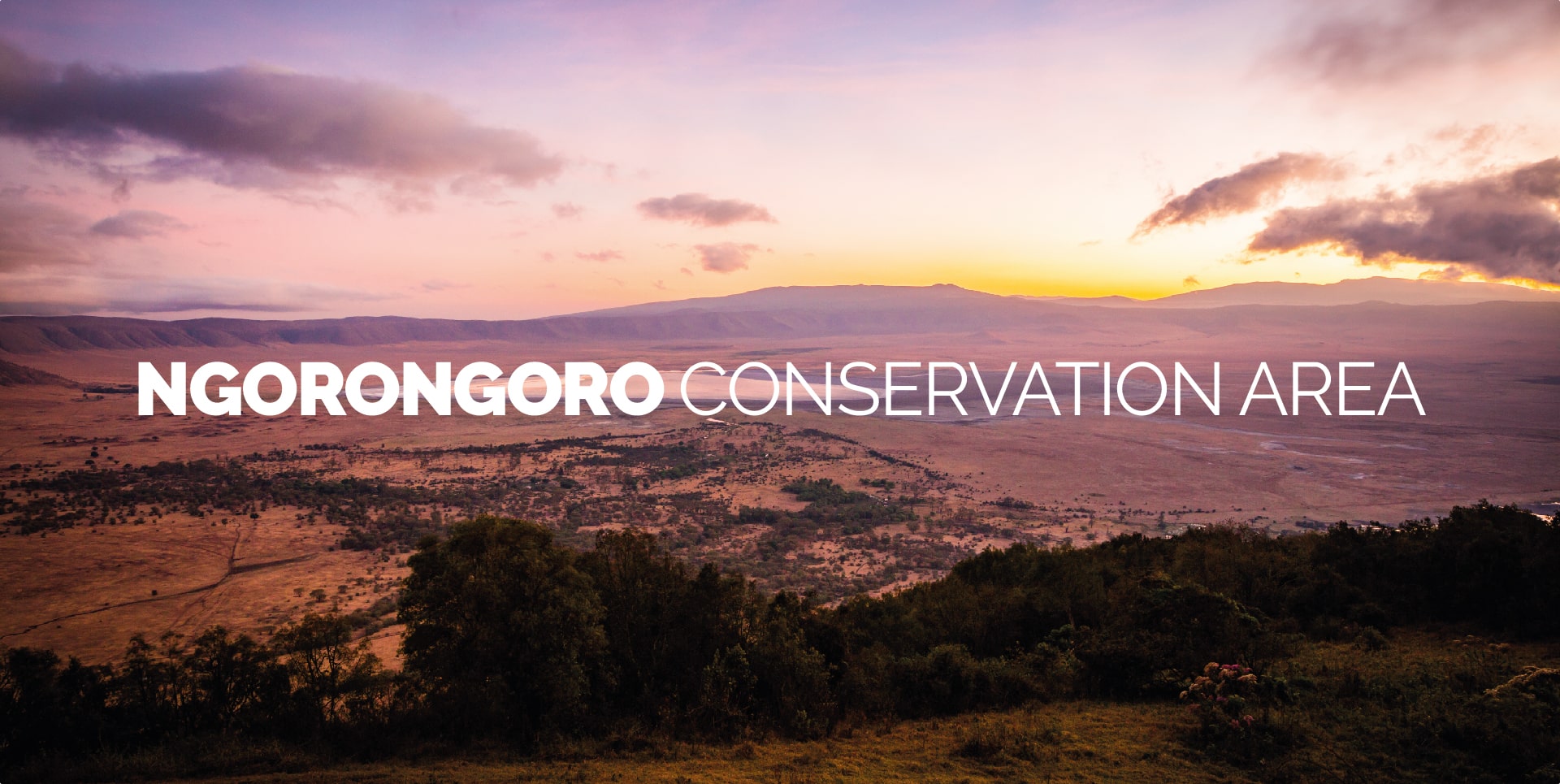
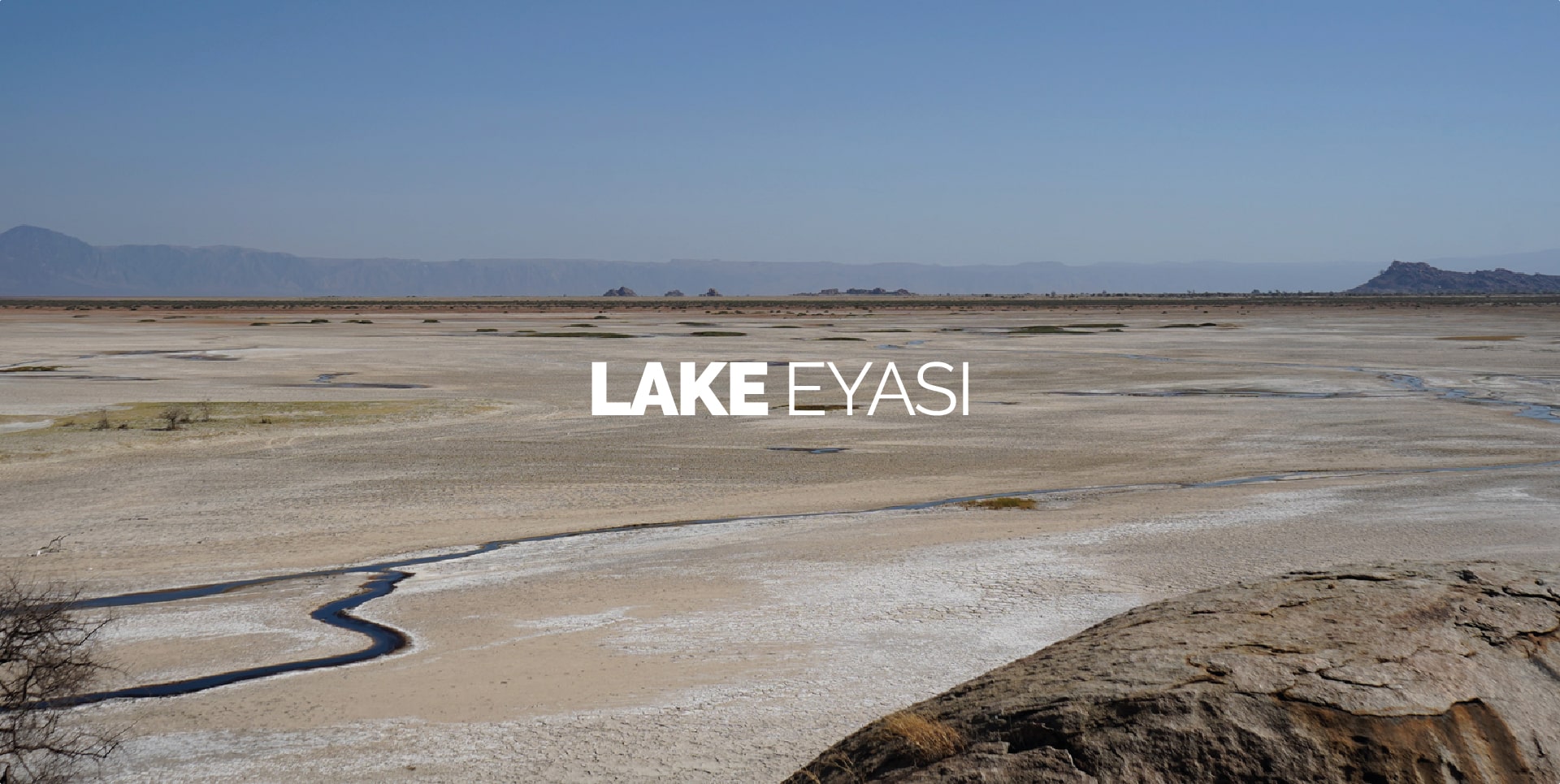
Lake Eyasi, also known as Lake Njarasa, is an endorexic, seasonal, shallow salt lake. Located south-west of the famous Ngorongoro Crater, on the eastern edge of the Great Rift Valley, Lake Eyasi lies in a saline depression about 75 km long. During the dry season it appears almost completely dry, while in the wet months it turns into a temporary water basin that attracts wildlife and flocks of birds. The climate is almost always characterised by very high temperatures because the lake is located in the middle of the Great Rift Valley, the oldest rift in the world. It is estimated that this opened over 65 million years ago, shortly after the extinction of the dinosaurs. Quite different from the surrounding areas of the Serengeti and Ngorongoro, the landscape has an almost tropical feel, thanks to the palm trees that line the lake and are home to birds such as the Fischer’s Inseparable, a brightly coloured parrot. Majestic umbrella acacias, sandpaper bushes and some wonderful specimens of baobabs complete this particular habitat.
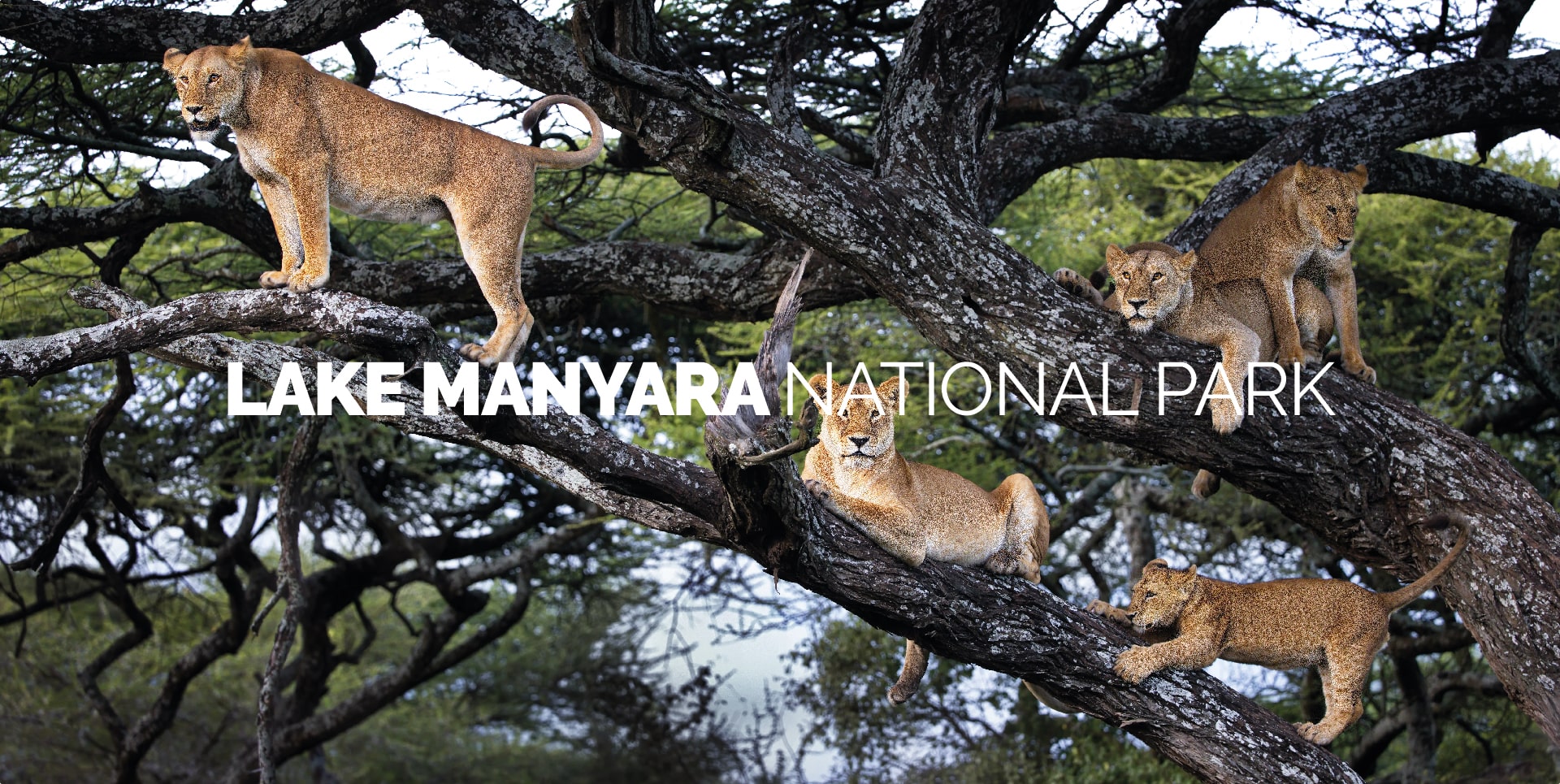
Although not included in the most famous parks, it is an excellent diversions for those tackling the Northern Safari Circuit, perhaps in combination with the nearby Lake Manyara National Park.
How to get there and when to visit
The lake is accessible from Karatu, a town located along the routes leading to the Ngorongoro Crater and the Serengeti. From there, it is about two hours on a dirt road through villages and open savannahs. Depending on the rainfall pattern, the lake changes its size and presents itself with different peculiarities. During the dry season, it shrinks to a sun-baked puddle, creating the best conditions for observing wildlife forced to share the little remaining water. During the rainy season, however, its capacity increases, attracting hippos eager to cool off in its brackish waters.
The dry season (June-October) is ideal for visits: the climate is more stable and cultural activities are easier. In the wet season (November-May), the lake fills up and becomes perfect for those who enjoy photography and unusual scenery, making it an excellent choice for those seeking photographic safaris in Tanzania.
What makes Lake Eyasi unique
What distinguishes Lake Eyasi from other places in Tanzania is its ‘human’ character. Here one does not expect to encounter lions or elephants, but people and landscapes that tell an ancient story. The terrain is rugged and open, dominated by scrubland, scattered acacias and intense light that colours the landscape with reddish hues. It is the ideal place to slow down, to observe and to listen.
Who are the peoples living around the lake
The area around Lake Eyasi is inhabited by two main ethnic groups: the Hadzabe and the Datoga.
Hadzabe Tribe
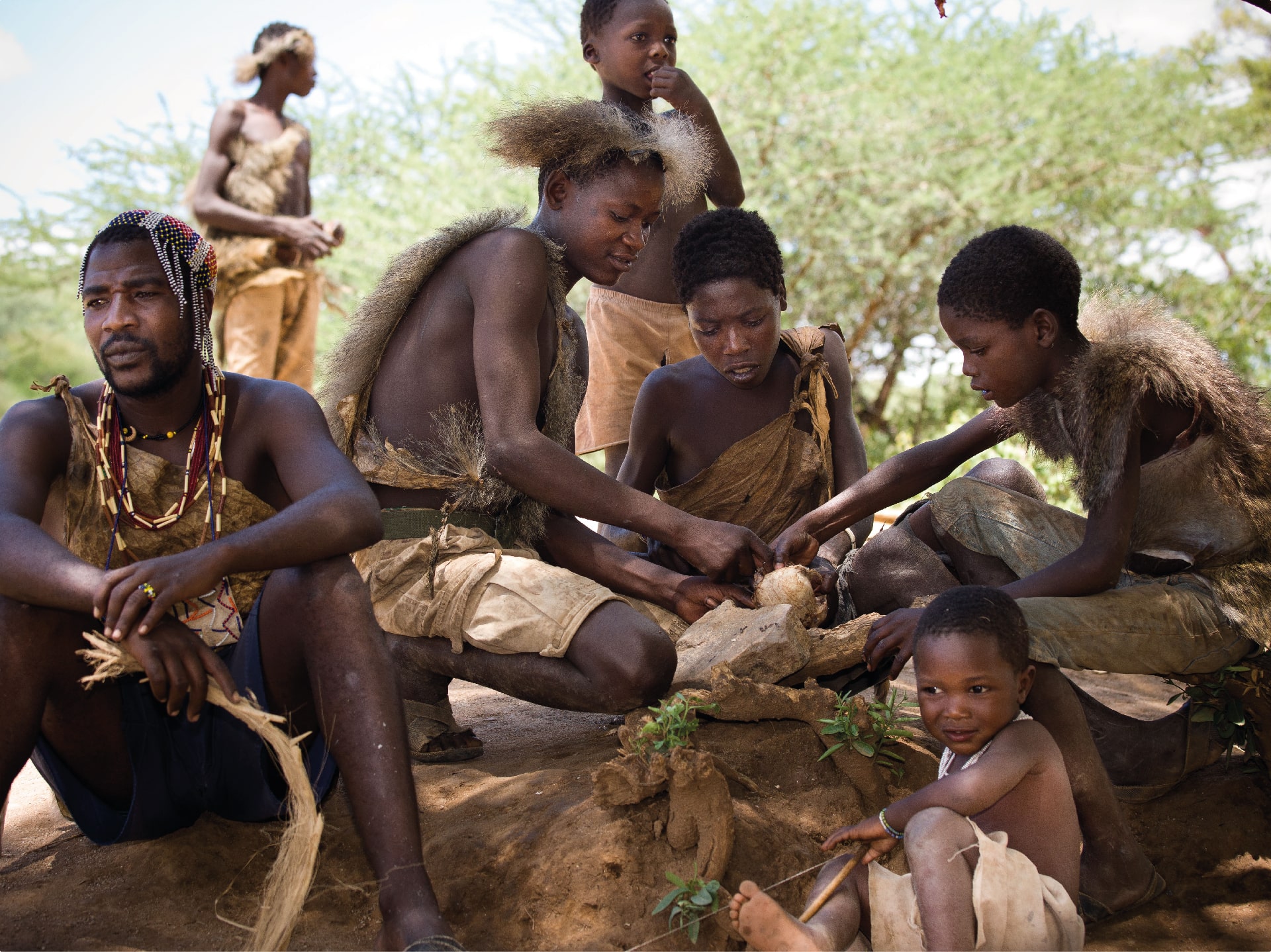
The Hadzabe are a Bushman tribe so old that National Geographic calls them ‘the closest living relatives of the humans who first left Africa to migrate to the rest of the world’.
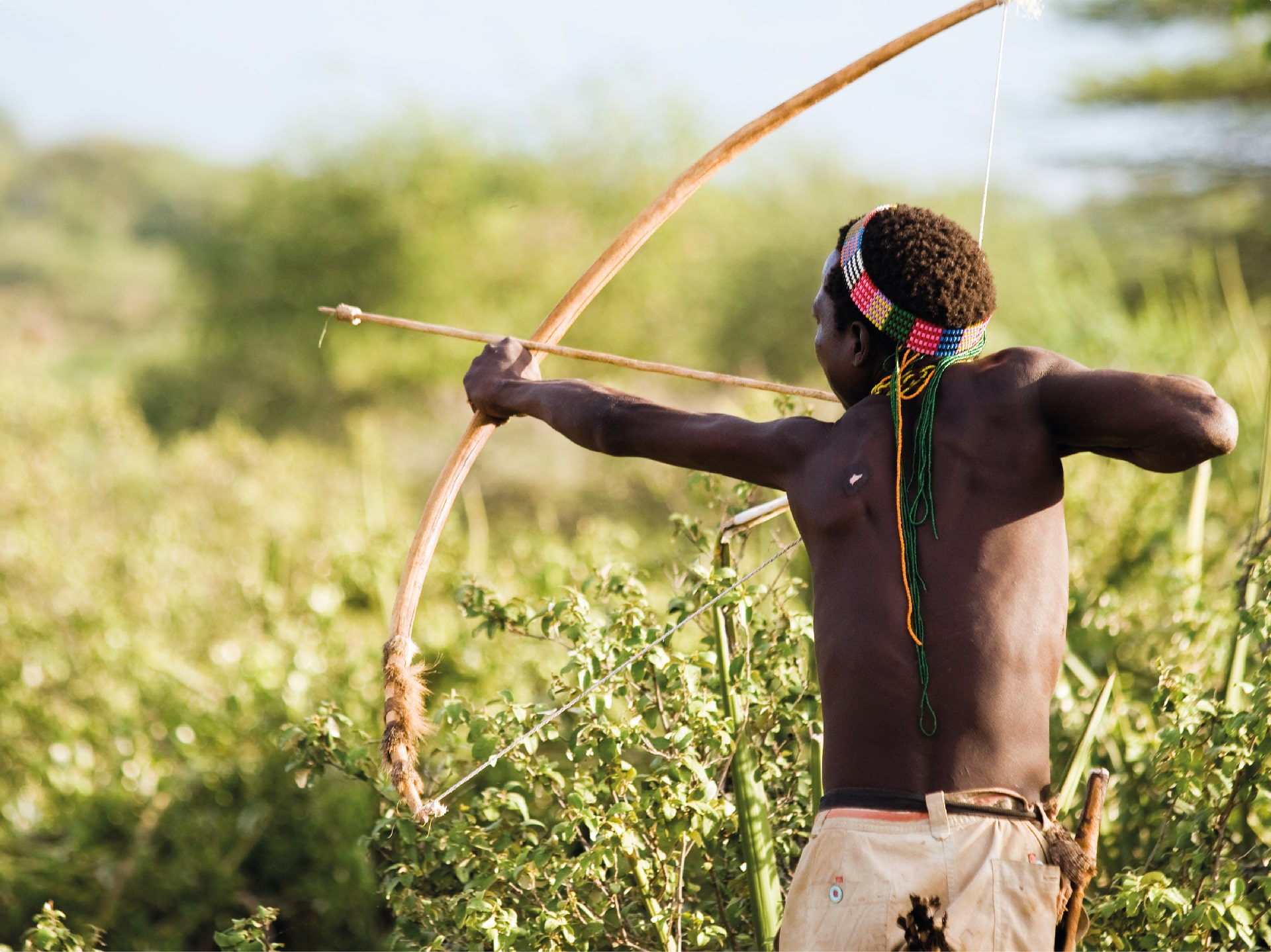
Peaceful in nature, this people, now reduced to less than a thousand individuals, represents the last example of the true hunter-gatherers of East Africa. They live in small nomadic villages and do not know agriculture, writing or any form of political organisation. The women are dedicated to searching for herbs and medicinal plants and gathering wild fruits and tubers, while the men hunt using bows with poison-tipped arrows. The Hadzabe speak a click language, made up of clicking sounds (produced by placing the tongue against the palate in certain positions), each of which has its own semantic significance.
Datoga Tribe
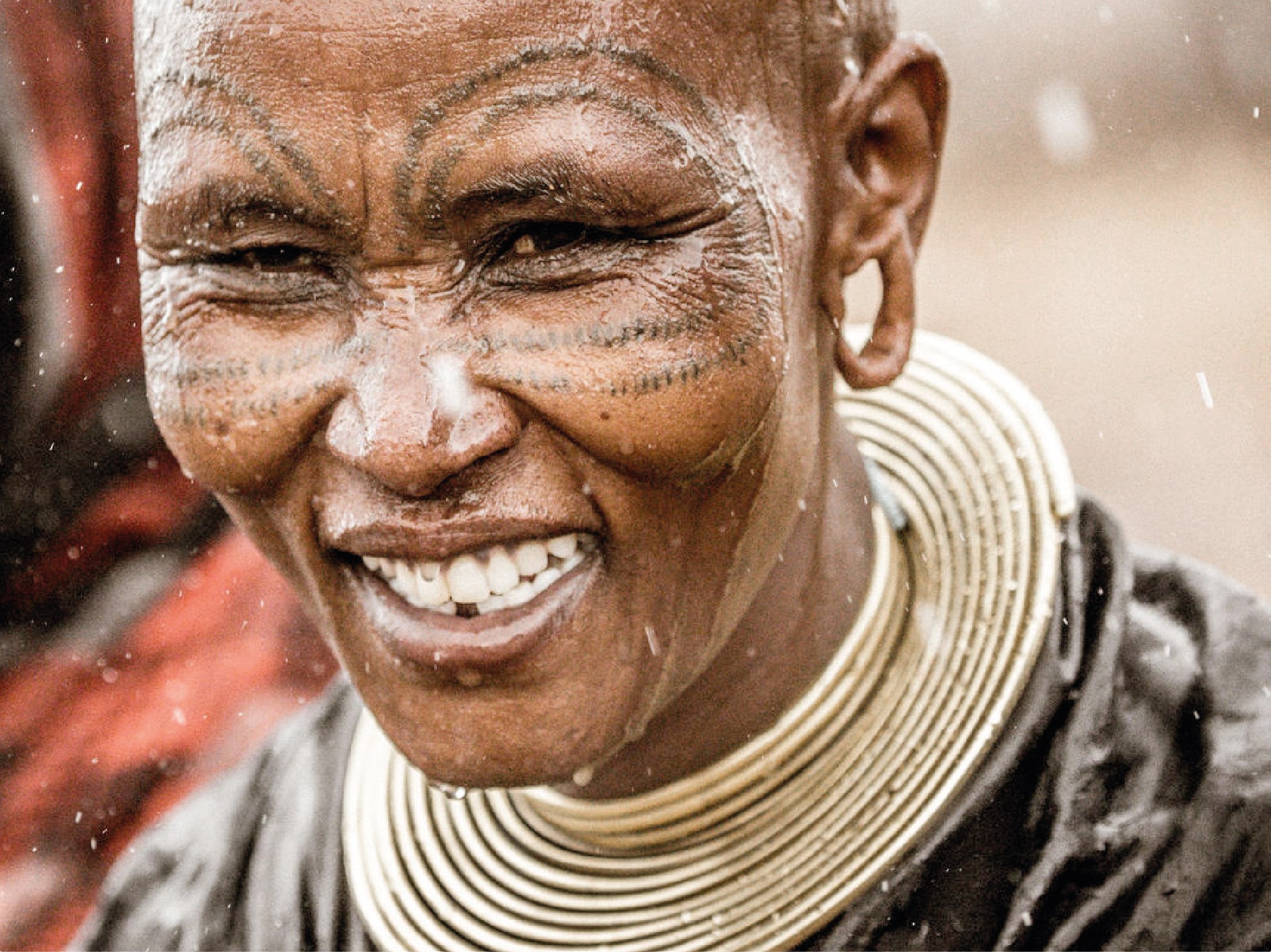
The Datoga are a people of Nilotic origin, also known by the Swahili word Mang’ati, which was attributed to them by the Masai and whose meaning is “respected enemy”. They are thought to have settled in the Lake Eyasi area about 3,000 years ago from southern Sudan and the highlands of western Ethiopia. The Datoga are shepherds and excellent blacksmiths. Casting recycled iron, they make arrowheads and spears, as well as bracelets and other ornaments. Although they are known to rear goats, donkeys, sheep and chickens, cattle are their most important domestic animals. Datoga women love jewellery made of copper, iron and beads and are easily recognised by the characteristic decorative tattoos on the skin of their faces and shoulders.
Coming into contact with these communities is a rare and valuable experience, made possible thanks to local guides and operators who promote ethical and respectful tourism.
Possible cultural experiences at Lake Eyasi
Among the most significant experiences to be had in the area are:
- A visit to a Hadzabe camp and participation in a symbolic hunt
- The discovery of Datoga craftsmanship, specialising in iron smelting and forging
- The sharing of traditional dances and songs
- Observation of the daily life of tribes, with moments of dialogue and cultural understanding
These are all activities that make Lake Eyasi a unique destination for those seeking more than a classic safari in Tanzania.
Fauna and landscapes: what to expect
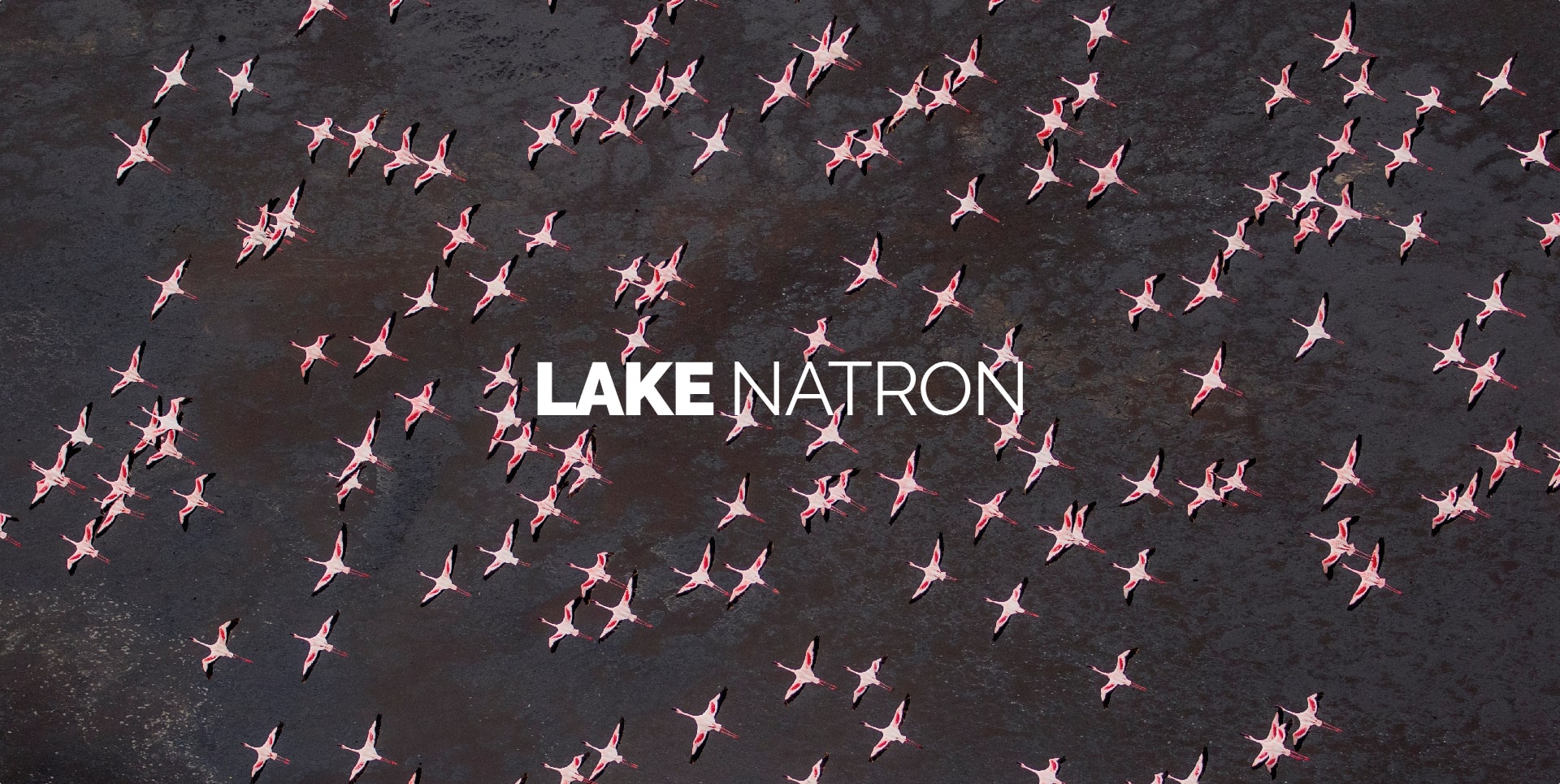
Lake Eyasi does not attract large wildlife as seen in neighbouring parks and protected areas, but it is a birdwatcher’s dream because it attracts large numbers of birds of all species, sizes and colours. Among the multitude of birds, one can see flamingos, grey-headed gulls, large white pelicans, African Spoonbills, avocets and yellow-billed storks. The real star, however, is the landscape: vast, silent, with fiery sunsets reflecting on the salt lake. A perfect setting for photographers and lovers of solitude.
Activities to do in the Lake Eyasi area
In addition to ethnographic experiences, the lake area also offers the following:
- Birdwatching excursions in the wet months
- Nature walks
- Cultural and landscape photography sessions
- Moments of relaxation and reflection in a distraction-free environment
Those who want a different trip can rely on our tour operator for safaris in Tanzania that include Lake Eyasi as a special stop.
To whom this stage is recommended
Lake Eyasi is perfect for those who want to get off the beaten track: curious travellers, anthropologists, photography enthusiasts, but also those seeking authentic, silent and intimate experiences. It is a valuable stop for those who want to get to know Tanzania not only through the animals, but also through the people.
A human experience before a naturalistic one
More than a visit, that to Lake Eyasi is an encounter. An encounter with oneself, with bare nature and with people who live according to a rhythm light years away from modern frenzy. Here, time passes slowly, and every gesture, word or glance has a deeper meaning. It is a stage that enriches the soul, and one that remains etched in the most vivid memories of those who choose to experience it.