The question every traveller asks before leaving is always the same: when to go on safari in Tanzania? The choice of period is crucial because it radically changes the face of the experience: the climate, visible animals, landscapes and even the costs of a trip to Africa depend on the season.
In this guide we will take you on an ideal journey through the twelve months of the year, telling you how Tanzania changes with the seasons. We will show you which are the best times to observe the wildlife, which months are perfect for experiencing the Great Migration and when it is best to leave if you are looking for a more intimate and less crowded safari.
Tanzania when to go: seasons and climate
Tanzania is a land of great natural contrasts. There is no single right time to visit, but periods that offer very different perspectives. To answer the key question “Tanzania when to go”, we must distinguish the two main seasons that govern savannah life.
The dry season, which runs from June to October and returns briefly between January and February, is the period that most travellers consider the most favourable. During these months, the sky is clear, the days are sunny and the vegetation thins out.
Animals concentrate around rivers and waterholes, making sightings much easier and more spectacular. It is also the time when the Great Migration offers its most epic moments, with millions of wildebeests and zebras on the move.
The rainy season, on the other hand, is divided into two periods: the short rains from November to December and the long rains from March to May. Many consider it a season to be avoided, but in reality it holds charm and advantages: the landscapes are transformed into a green sea, the wildlife gives birth to new generations and the costs of lodges and safaris drop.
Of course, the trails become more challenging and not all parks are easily accessible, but the atmosphere is authentic and much less touristy.
These two rhythms define life in the most famous parks: the Serengeti, the beating heart of the migration; the Ngorongoro, which offers close encounters with black rhinos; the Tarangire, famous for its herds of elephants during the dry season; and Arusha, the perfect gateway to a trip to Tanzania.
Safari in Tanzania: month by month
When it comes to safaris, the calendar becomes a valuable compass. Each month has its own character, advantages and challenges. There is no “absolute best time”: there is the right time for the kind of experience you are looking for. Below we take a month-by-month look at how the Tanzanian savannah changes.
January
The New Year begins with an incredible spectacle: the birth of wildebeest and zebra cubs on the plains of Ndutu. Predators take advantage of the abundance of prey and sightings become exciting. The climate is warm and dry, also ideal for a stay in Zanzibar.
February
The month of strong emotions: births continue and predators gather in large numbers. February is one of the best times for photographers, thanks to the bright light and green but accessible landscapes. Zanzibar also offers sunny days that are perfect for the sea.
March
The first long rains make their appearance and the migration begins to move westwards. The landscapes become green and spectacular, but sightings are less easy than in the dry months. It is a time for those seeking a wilder and less predictable Tanzania.
April
It is the heart of the big rainy season. The roads become muddy, many lodges close and safaris are less comfortable. But travellers in April discover an authentic Africa, with scenery that seems to burst with life.
May
The rain persists, but the landscapes are lush and the sky often offers breathtaking rainbows. May is the ideal month for birdwatching and for those who want to experience Tanzania away from mass tourism.
June
With the end of the rains, the savannah dries out and the fauna concentrates around the watercourses. This is the beginning of the Great Migration northwards, which moves millions of animals. June is a great month for less crowded safaris and rapidly changing landscapes.
July
One of the most iconic months: the Great Migration crosses the Grumeti River, offering epic scenes of survival. In Tarangire, elephants gather in their hundreds. July is the perfect time for a safari to witness the Great Migration.
August
The climate is dry and cool, with animals congregating around the remaining pools. August is also the best month for diving and snorkelling in Zanzibar, thanks to the crystal-clear water.
September
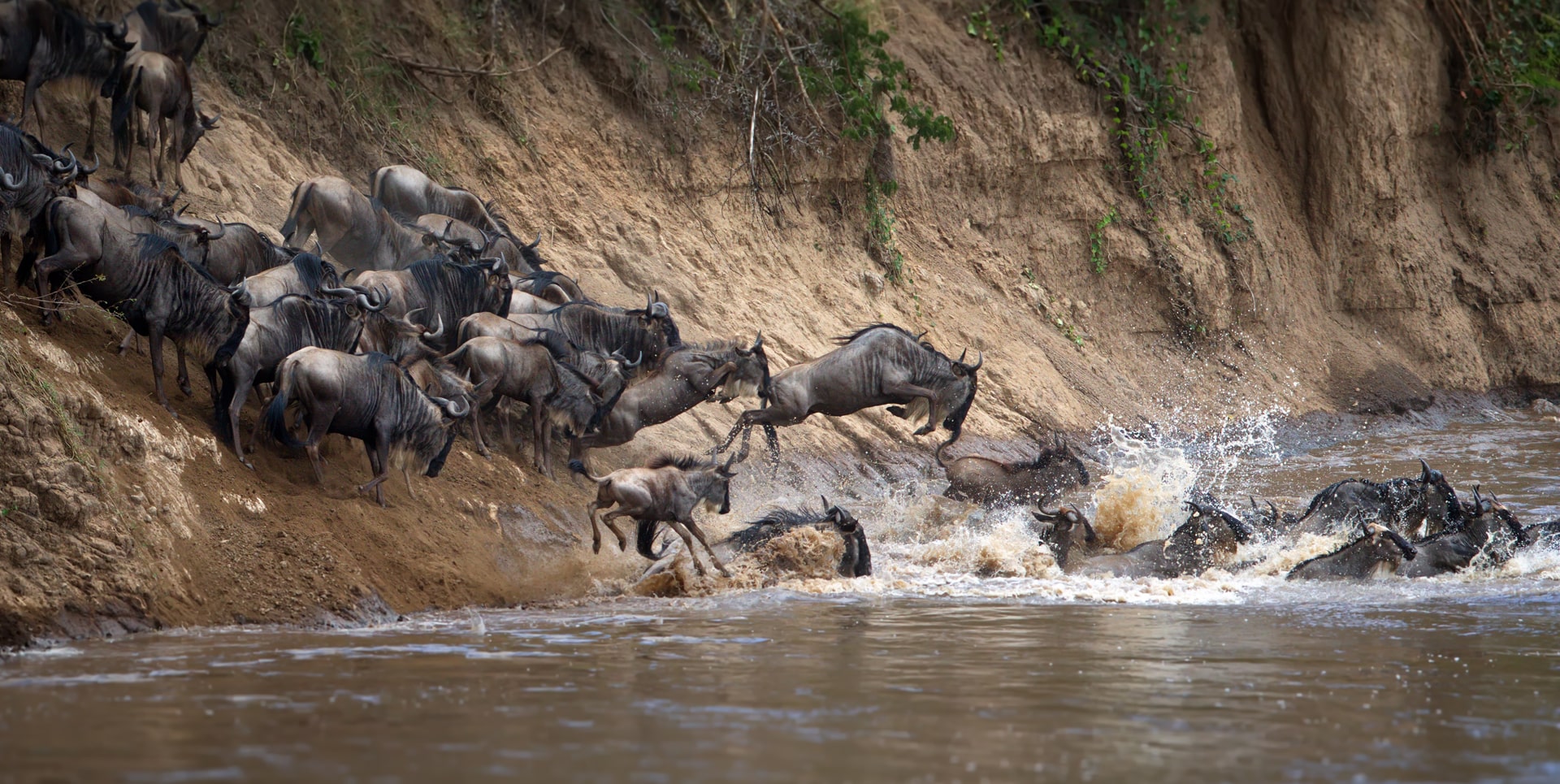
The month of the Mara River crossing, one of the most spectacular moments of the entire migration. The images of wildebeests confronting crocodiles are among the most famous in African documentaries.
October
The last part of the dry season still brings excellent sightings but with fewer tourists than in the summer months. This is a perfect time for those looking for an authentic safari without forgoing favourable weather conditions.
November
With the short rains, the savannah is reborn and turns green again. It is a less crowded month, ideal for those who want a more intimate safari. The arrival of migratory birds adds a special charm.
December
High season: the herds return to Ndutu and the weather is warm and sunny. December is perfect for a combined safari and Christmas holiday, with the possibility of extending the trip to the beaches of Zanzibar.
Tanzania’s best parks and ideal times
Talking about Tanzania means talking about its national parks, each with a different character and a time of year when it is at its best. It is not enough to choose the month: you have to understand which area to visit to have the most complete experience.
- Serengeti – This is the stage for the Great Migration. From June to September it is animated by the moving herds, while between January and February it hosts the births in the Ndutu pastures.
- Ngorongoro – A volcanic caldera that concentrates wildlife in a unique space. It is ideal all year round, with excellent opportunities for spotting black rhinoceros.
- Tarangire – During the dry season, from July to October, it is populated by huge herds of elephants that gather along the river.
- Arusha – Gateway to the safaris, it offers landscapes that alternate between savannahs, forests and lakes, and is perfect in any season.
Relying on a tour operator for a safari in Tanzania allows you to build an itinerary that touches the right parks at the right time.
Safari and sea: Tanzania and Zanzibar together
One of the most popular combinations for travellers is to combine the adventure of the parks with the beauty of Zanzibar’s beaches. The best months for this experience are June to October and December to February, when the sea is calm and the weather perfect.
How to choose the right time for your safari
The ideal time depends on your expectations. Do you want to experience migration? Go between July and September or in January-February. You want green landscapes and few crowds? Choose November or May. Want to save money? Aim for the low season.
In any case, a safari in Tanzania is a truly breathtaking experience, capable of turning a trip into a memory that will last a lifetime. Tanzania is not a one-dimensional place: every month tells a different story. Whether you choose the roar of stampeding herds, the tranquillity after the rains, or the idyllic beaches of Zanzibar, every season becomes an unforgettable adventure.