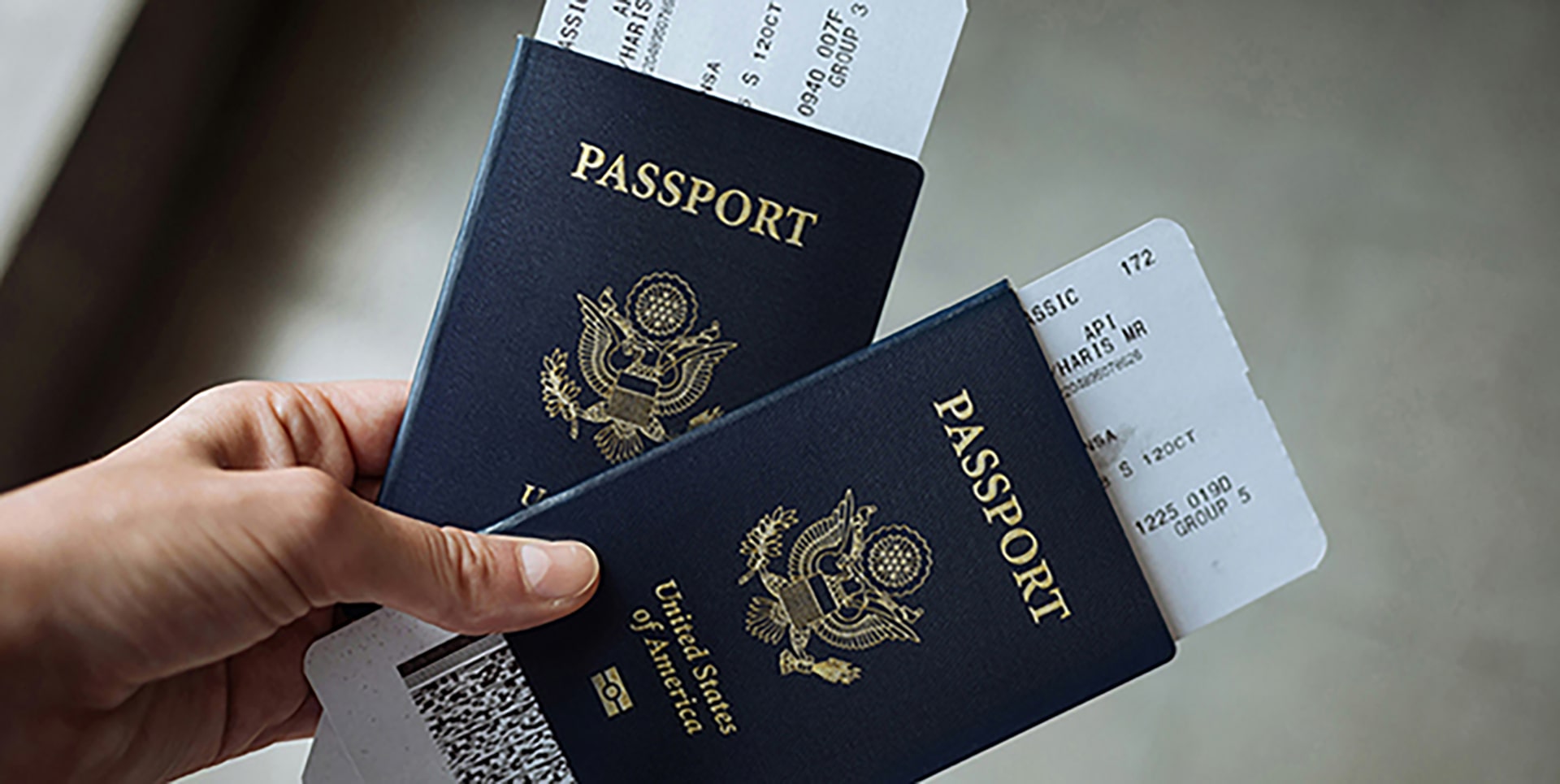
Organising a trip to Tanzania means preparing yourself for an extraordinary adventure amid wild nature and fascinating culture. Before leaving, however, it is essential to ensure that you have all the necessary documents for Tanzania, so as to avoid problems upon entry and enjoy the experience with complete peace of mind.
Passport, visa and insurance are essential for travelling with peace of mind and immersing yourself in the magic of Africa from the first day.
Essential requirements for entering Tanzania
Travelling to Tanzania is a fascinating experience that leaves a lasting impression, but careful preparation is required before departure: knowing exactly what documents are needed is the first step to ensuring that your African dream comes true without a hitch. The country has a number of formal and health requirements, which, if ignored, could compromise your entry or slow down border controls.
Valid passport, tourist visa and compulsory insurance for Tanzania and Zanzibar are the main items you should always have with you, along with any health certificates and a few safety precautions. Dealing with the paperwork in advance allows you to arrive prepared and focus solely on the wonders of Tanzania’s landscapes.
Passport for Tanzania: validity and requirements
Your passport for Tanzania must be valid for at least six months from the date of entry and have two consecutive blank pages for customs stamps. This is a mandatory requirement, which is carefully checked at the border.
Before leaving, it is advisable to check the expiry date of the document well in advance and, if necessary, renew it at the police headquarters to avoid any inconvenience. If you lose your passport during your trip, the only way to return to your country is to apply for a temporary document (ETD) at your foreign embassy in Dar es Salaam, so it is essential to keep a separate digital or paper copy.
A thorough passport check allows you to enter the country with peace of mind, avoiding rejection or long waits at customs.
Visa for Tanzania: how to apply and processing times
A visa for Tanzania is mandatory for foreign nationals. The most commonly used method is the online eVisa on the official government portal (in English) at a cost of 50 USD per person (except for US citizens, for whom the cost is 100 USD per person). It must be completed at least 10 days before departure, attaching a copy of your passport and a passport-size photo. However, it is known that this system can experience delays or crashes, so it is advisable to submit your application during off-peak hours and well in advance.
Alternatively, an English-language service is available through the Honorary Consulate of Tanzania in your country of residence.
Finally, there is the option of obtaining a visa on arrival, a method designed for last-minute trips but still widely used. In this case, you fill out a paper form and pay the fee at customs before passport control. Whichever method you choose, it is a good idea to bring paper and digital copies of your visa confirmation with you.
Compulsory insurance for Tanzania and Zanzibar
From 15 May 2023, it will be mandatory to take out an “International Health Insurance Certificate” before departure for both Tanzania and Zanzibar. This requirement has been introduced to ensure that visitors have health cover during their stay, including any repatriation or emergency medical evacuation.
Furthermore, from 1 October 2024, anyone entering Zanzibar will be required to present a compulsory travel insurance policy (costing USD 44 per person, valid for 92 days) issued by the Zanzibar Insurance Corporation. This insurance applies exclusively to Zanzibar. It is not required or valid for travellers heading to mainland Tanzania. The policy can be purchased in advance on the official website visitzanzibar.go.tz, including via QR code, and must be shown upon entry. Without this document, you may not be able to enter the archipelago, so it is essential to complete the procedure before departure.
It is highly recommended that you keep both a printed and digital copy of your policy so that you can quickly present it during airport checks.
Required vaccinations and health certificates
Currently, there are no compulsory vaccinations for travellers arriving in Tanzania from foreign countries, with one exception: vaccination against yellow fever is required only for travellers over one year of age arriving from countries at risk or who have stopped over in those countries for more than 12 hours outside the airport terminal.
Although not mandatory, some vaccinations may be strongly recommended by your doctor or travel medicine centres, such as those against typhoid, hepatitis A and B, or cholera, depending on the length and conditions of your stay. It is always a good idea to find out about any diseases present in the area by consulting your government’s official portals for overseas travel information or the US CDC.
Presenting valid health documentation speeds up checks and reduces health risks during travel.

Other useful documents and safety recommendations
In addition to the mandatory documents, it is good practice to take certain safety and prevention measures to ensure peace of mind when travelling. The government bodies responsible for international relations in each country recommend registering your trip on official government websites and downloading the app with geolocation enabled, so that you can receive notifications and assistance in real time.
Keeping photocopies of all travel documents and sending a digital copy to a trusted contact can be invaluable in the event of loss.
Practical information for organising your trip
To plan your itinerary effectively, it is useful to know a few practical details. The official currency is the Tanzanian shilling (TZS). The most widely spoken language is Kiswahili, but English is widely spoken in tourist areas.
In case of emergencies or lost documents, you can contact your foreign embassy in Dar es Salaam.
Those wishing to explore the country in depth can turn to a specialist safari tour operator in Tanzania, who can also handle the logistics of internal transfers and accommodation, thereby avoiding any administrative complications.
Professional support can simplify every practical aspect of the trip.
How to choose the perfect itinerary
Once you’ve sorted out your documents, you can start planning your trip. A safari in Tanzania is the most iconic experience and allows you to explore legendary parks such as the Serengeti, Tarangire and the Ngorongoro Crater.
Planning your itinerary in advance allows you to optimise travel times and choose the best periods for animal sightings.
Ideas for short, intense trips
Those with only a few days to spare can opt for a 4-day safari, perfect for savouring the essence of Africa without compromising on comfort. It is also a good option for combined trips with Zanzibar, ideal for a first taste of life on the savannah.
In just a few days, you can experience a wealth of excitement and untamed nature.
Prepare thoroughly: from visas to safaris
Those looking for a more comprehensive experience can opt for an 8-day safari in Tanzania, which offers the chance to explore a wide variety of ecosystems and observe large mammals in their natural habitats.
Carefully dealing with the documents for Tanzania does not detract from the spontaneity of the trip; on the contrary, it is the best way to ensure that nothing can hinder your encounter with the country’s magnificent and authentic nature.