Tanzania represents the essence of wild Africa, a land where nature expresses itself with a power and variety unique in the world. For those wishing to explore this extraordinary land, 6 or 7 day safaris offer an ideal format: extended enough for an immersive and complete experience, without requiring an excessive time commitment.
This duration allows you to visit the main parks of Tanzania’s northern circuit, dedicating to each the time necessary to fully appreciate its peculiarities. From the vast plains of the Serengeti to the Ngorongoro Crater and the baobab-studded landscapes of the Tarangire, a mid-duration safari allows you to connect deeply with the wild soul of East Africa.
When it comes to African adventures, safaris in Tanzania are an experience that sticks in the memory forever. Tanzania safaris of 6 or 7 days offer what many experts consider the ideal duration: long enough to fully immerse oneself in the rhythms of the savannah, but not so long as to be overly demanding. This intermediate format is winning over an increasing number of travellers seeking the right balance between discovery and contemplation.
The magic of a mid-duration safari lies in the opportunity to leisurely explore the most iconic parks in northern Tanzania, allowing time to appreciate wildlife encounters without the pressure of a tight schedule. Six or seven days allows the essence of the African experience with the luxury of time, a key element in fully savouring every moment. The more relaxed pace allows for gradual adaptation to safari schedules (waking up at dawn, breaks during the hottest hours, going out at dusk), following the natural cycles of the animals and turning each day into an opportunity for authentic discovery. The difference from shorter tours is most noticeable in the quality of the sightings and the opportunity to explore less frequented areas within the parks.
A well-planned Tanzania safari of this duration allows you to visit all the major ecosystems of the northern circuit, devoting adequate time to each. The standard itinerary includes the natural gems that have made this corner of Africa famous, with a perfect balance between distance covered and time devoted to observation. The route generally starts in Arusha, a tourist hub on the slopes of Mount Meru, and then develops through a circuit that touches on Tanzania’s most famous parks. The sequence of stages is designed to optimise travel, reducing daily distances and maximising time spent in the parks.
The beating heart of any Tanzanian safari is undoubtedly the Serengeti National Park, where the endless plains are home to the highest concentration of predators on the continent. A six- to seven-day safari allows two or three nights to be devoted to this extraordinary ecosystem, exploring different areas of the park. Here, the breathtaking landscape of the endless savannahs creates the perfect backdrop for memorable sightings of lion, cheetah, and during the migration season, the impressive spectacle of wildebeest and zebra on the move.
The Ngorongoro Crater, with its perfectly preserved caldera, is another essential stop. This closed ecosystem, often referred to as “Africa’s Noah’s Ark”, offers the chance to spot all of the “Big Five” in a single safari day. The density of animals and the extraordinary scenic beauty make this a unique experience.
The Tarangire National Park, particularly impressive during the dry season, surprises with its large concentrations of elephants moving majestically among the centuries-old baobab trees. The river landscapes and the variety of habitats make this park particularly rich in biodiversity and photographic scenery.
Completing the circuit, Lake Manyara National Park offers a completely different environment, with its acacia forest inhabited by the famous tree lions and the alkaline lake that attracts thousands of flamingos, creating spectacular pink patches on the horizon.
What distinguishes medium-duration safaris is the possibility of including experiences that go beyond the classic game drive. A seventh day offers the opportunity to explore complementary cultural or naturalistic realities, enriching the trip with a human and scenic dimension. A visit to an authentic Maasai village allows you to get in touch with one of East Africa’s most iconic ethnic groups, discovering millennia-old traditions that stand the test of time. Some excursions include participation in traditional dances or demonstrations of ancestral techniques such as lighting fires without matches. For lovers of extraordinary landscapes, some tours offer an extension to Lake Natron, an alkaline body of water with intense reddish hues, surrounded by an almost lunar landscape. This area, less travelled by mass tourism, is home to important flamingo colonies and is dominated by the perfect silhouette of the Ol Doinyo Lengai volcano, a sacred mountain for the Masai.
The choice between a 6 or 7 day safari depends on several personal factors: specific interests, preferred pace of travel and, of course, available time. Both options guarantee a satisfying and complete experience, but have substantial differences that are important to consider before booking. Our tour operator for safaris in Tanzania will be able to advise on the best solution for your needs, because they understand in advance the peculiarities of each format, help to create realistic expectations and plan the experience in the best possible way.
The most obvious difference between the two options concerns the overall pace of the trip. A 6 day safari maintains a slightly higher intensity, with well-structured days that optimise the time available. This format is ideal for those who prefer a dynamic experience, with well-defined daily stops and the right balance of transfers and observation activities. The seventh day adds valuable flexibility to the itinerary, creating space for more relaxed or in-depth experiences. This additional day can be dedicated to exploring a specific area of the Serengeti in more depth, to include a cultural excursion, or simply to enjoy an additional game drive at the best viewing hours, at sunrise or sunset. For many travellers, this “buffer” represents significant added value, transforming an already excellent experience into something truly extraordinary. Those looking for contemplative moments will particularly appreciate this option: time to stop and observe animal behaviour, to wait for the perfect light for a photograph, or simply to savour the silence of the savannah becomes an essential part of the experience.
In terms of kilometres travelled and parks visited, the two formulas have significant differences that affect the depth of the experience. A 6 day safari generally covers all the main parks of the northern circuit (Serengeti, Ngorongoro, Tarangire and Lake Manyara), but with a necessarily smaller time distribution. The 7 day version, on the other hand, allows exploration to expand in different directions: some itineraries add an extra night in the Serengeti, allowing you to reach more remote and less-travelled areas of the park, such as the rocky kopjes of the central Serengeti or the northern plains bordering Kenya. Other tours use the additional day to include a completely different area, such as the Lake Eyasi area, where it is possible to meet the Hadzabe tribes, one of Africa’s last hunter-gatherer groups. This choice adds an anthropological dimension to the trip, complementing the nature experience. From a practical point of view, an extra day also means less concentrated transfers, with more time for photo stops along the way and the possibility of adapting the programme to weather conditions or sudden sighting opportunities.
A 6-7 day Tanzania safari generally includes a full service package, designed to ensure comfort and safety without sacrificing the authenticity of the African experience. The quality of the organisation makes the difference between a simple trip and an unforgettable adventure. The experience is tailored to the traveller’s needs, with different customisation options affecting the level of comfort, privacy and immersion in nature. Before booking, it is important to understand what exactly is included in the package and what kind of experience you want.
The heart of every safari is the game drive, the wildlife viewing excursions on board specialised vehicles. On quality safaris, these take place in specially modified 4×4 off-road vehicles with sunroofs and raised seats that provide optimum visibility and comfort when travelling over often rough terrain. The standard configuration includes jeeps that accommodate four to six participants in addition to the driver-guide, guaranteeing everyone a window seat and adequate space for photographic equipment. The vehicles are equipped with two-way radios for communication between guides, refrigerators to keep drinks cool, and sockets for recharging electronic devices. The element that really turns a simple tour into an educational and engaging experience is the guide. The best agencies employ certified guides with years of experience in the field, often speaking Italian or with a translator in tow. Their in-depth knowledge of the ecosystem, animal behaviour and natural history of the region enriches the experience immensely, turning every sighting into a learning opportunity.
A medium safari provides varied accommodation combining comfort and authentic atmosphere. Accommodation options fall mainly into two categories: permanent lodges and tented camps, each with its own distinctive charm.
Lodges are the most comfortable option, with solid facilities, spacious rooms with private bathrooms, common areas with panoramic views and often swimming pools. Usually located in scenic spots or on the edge of parks, they offer a relaxing experience after the intensity of game drives.
Fixed tented camps, on the other hand, are the more immersive option, with large tents equipped with real beds and private bathrooms. These camps, often located in more remote locations within the parks, allow you to sleep surrounded by the sounds of the savannah in total safety. The experience of falling asleep to the distant roar of lions creates indelible memories that go far beyond the mere sighting.
As for meals, safaris of 6-7 days generally provide full board, with hearty breakfasts before morning game drives, picnic lunches during excursions or served in the facilities, and full dinners in the evenings. The cuisine combines international dishes with local specialities, ensuring a varied and energetic diet suitable for active days.
Relying on a specialised Tanzania safari tour operator is the safest choice to ensure a quality experience. In-depth knowledge of the area, established relationships with local facilities and the ability to handle unforeseen events make all the difference.
If you want to leave with a tried and tested and adaptable programme, you can consult our proposals. The site offers detailed day-by-day itineraries and a complete overview of each tour.
The booking process starts with the selection of the itinerary, which can be customised according to your preferences. Local experts assist in choosing the most suitable facilities, organising internal transfers and planning any extensions, such as a beach holiday in Zanzibar.
Choosing the right time of year significantly influences the quality of the safari experience. Each season offers different scenery and sighting opportunities, making Tanzania an attractive year-round destination.
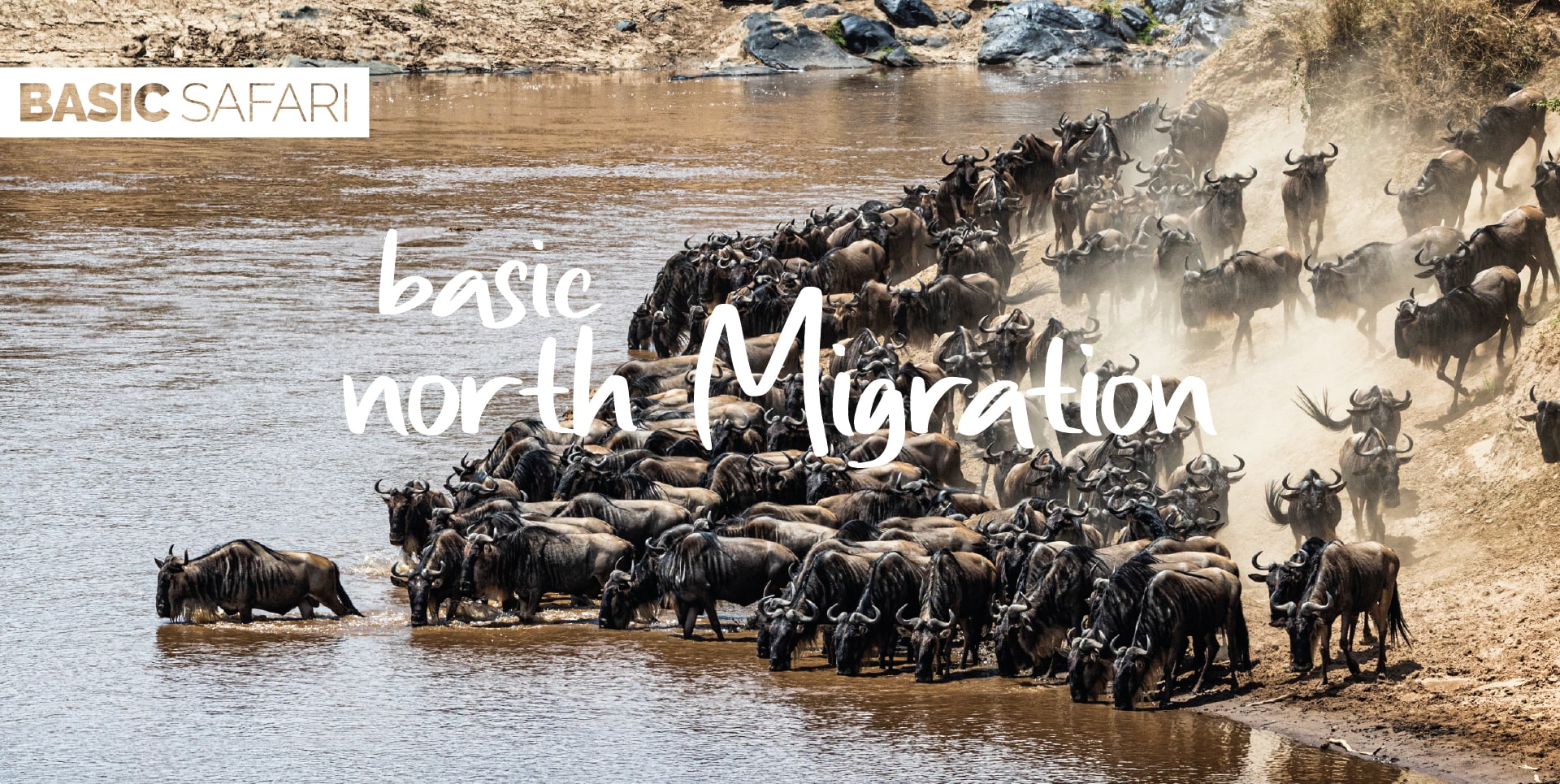
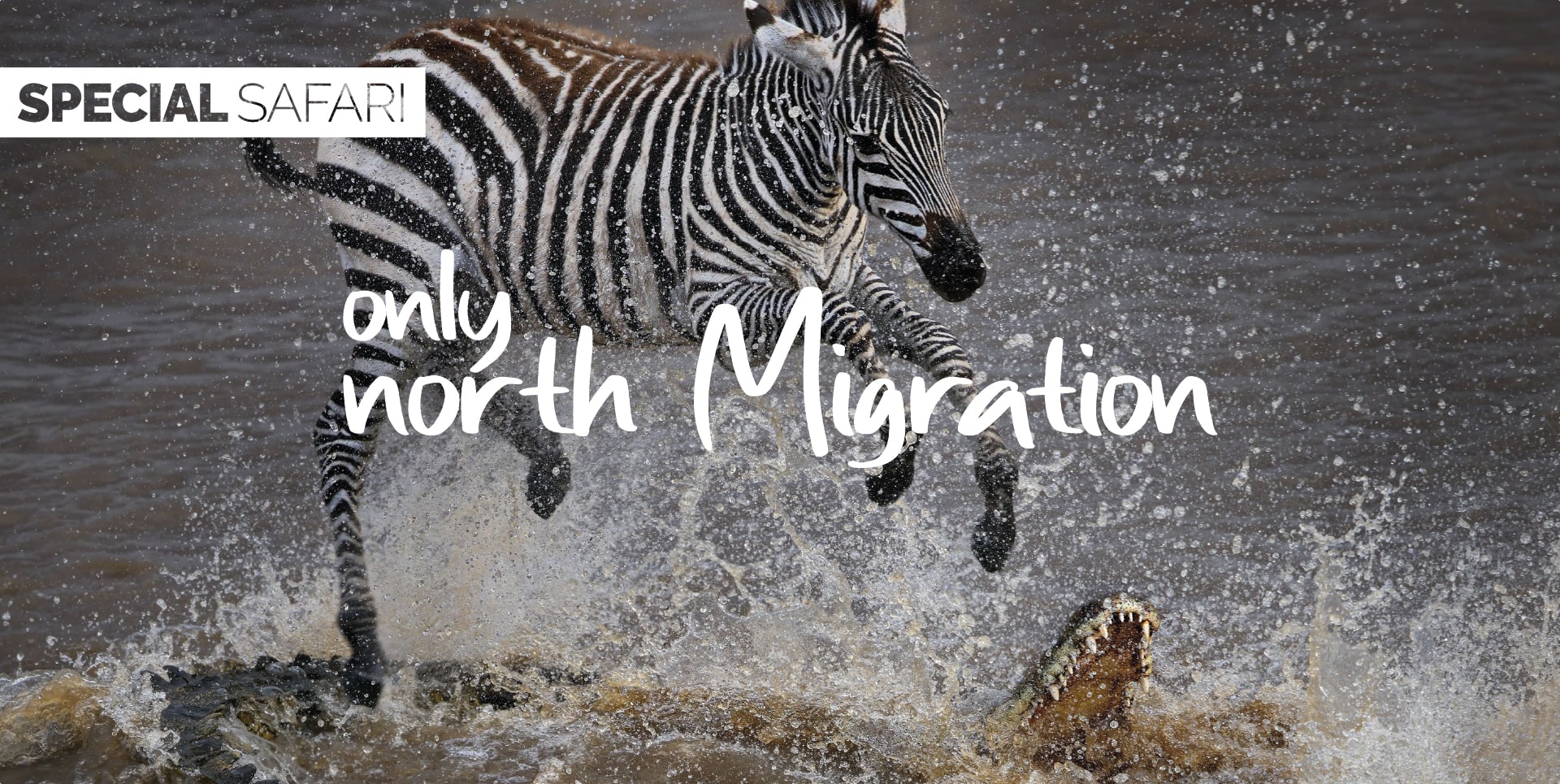
From June to October, the dry season is the classic safari period. With little vegetation, easily passable roads and animals concentrated around the remaining water sources, this season offers ideal conditions for observation and photography. The climate is particularly pleasant, with mild daytime temperatures and cool nights, ideal for resting after the intense safari days. This period also coincides with one of the most spectacular events on the planet: the Great Migration in the northern Serengeti, with the dramatic crossings of the Mara and Grumeti rivers by wildebeests and zebras.
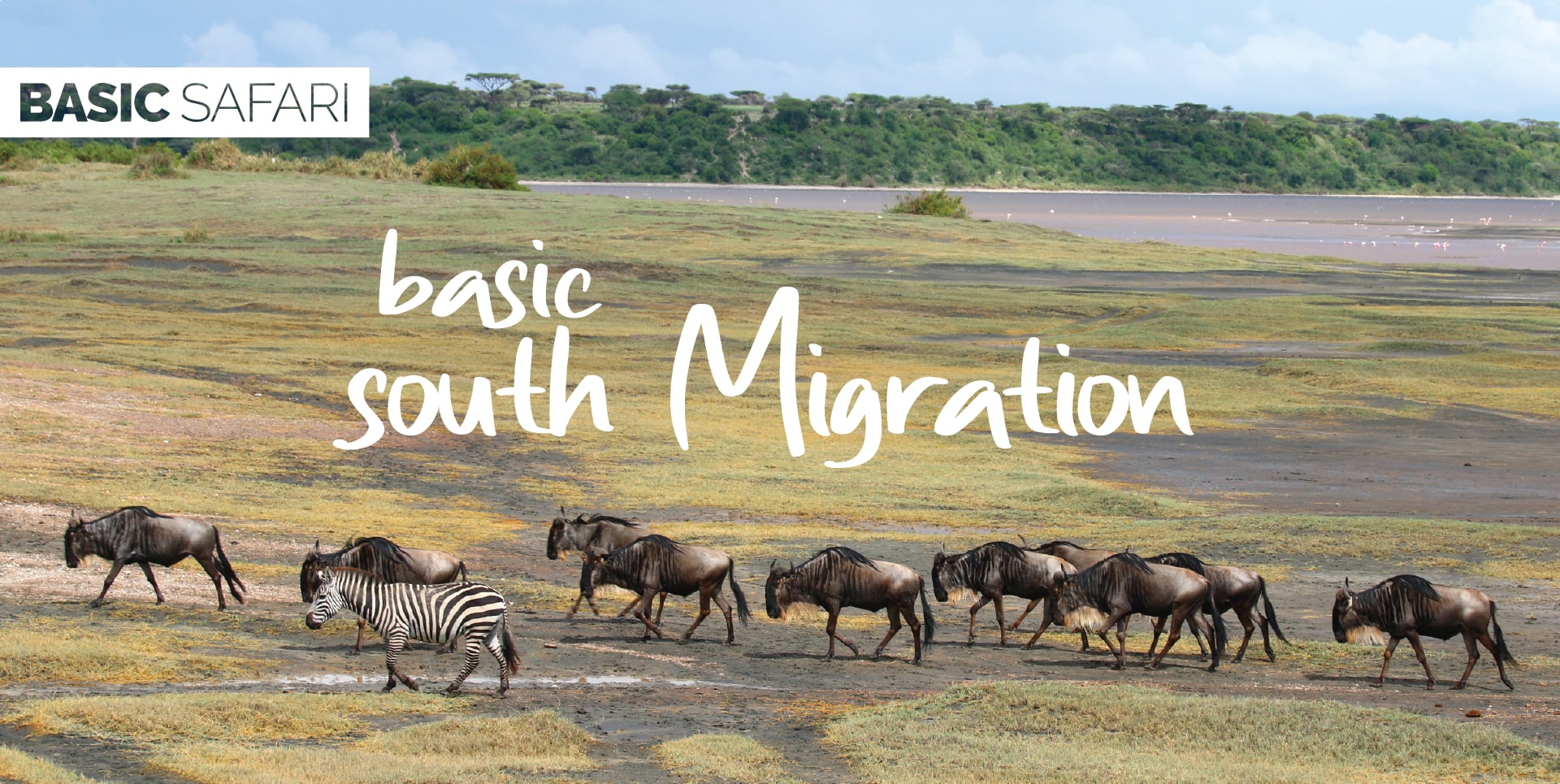
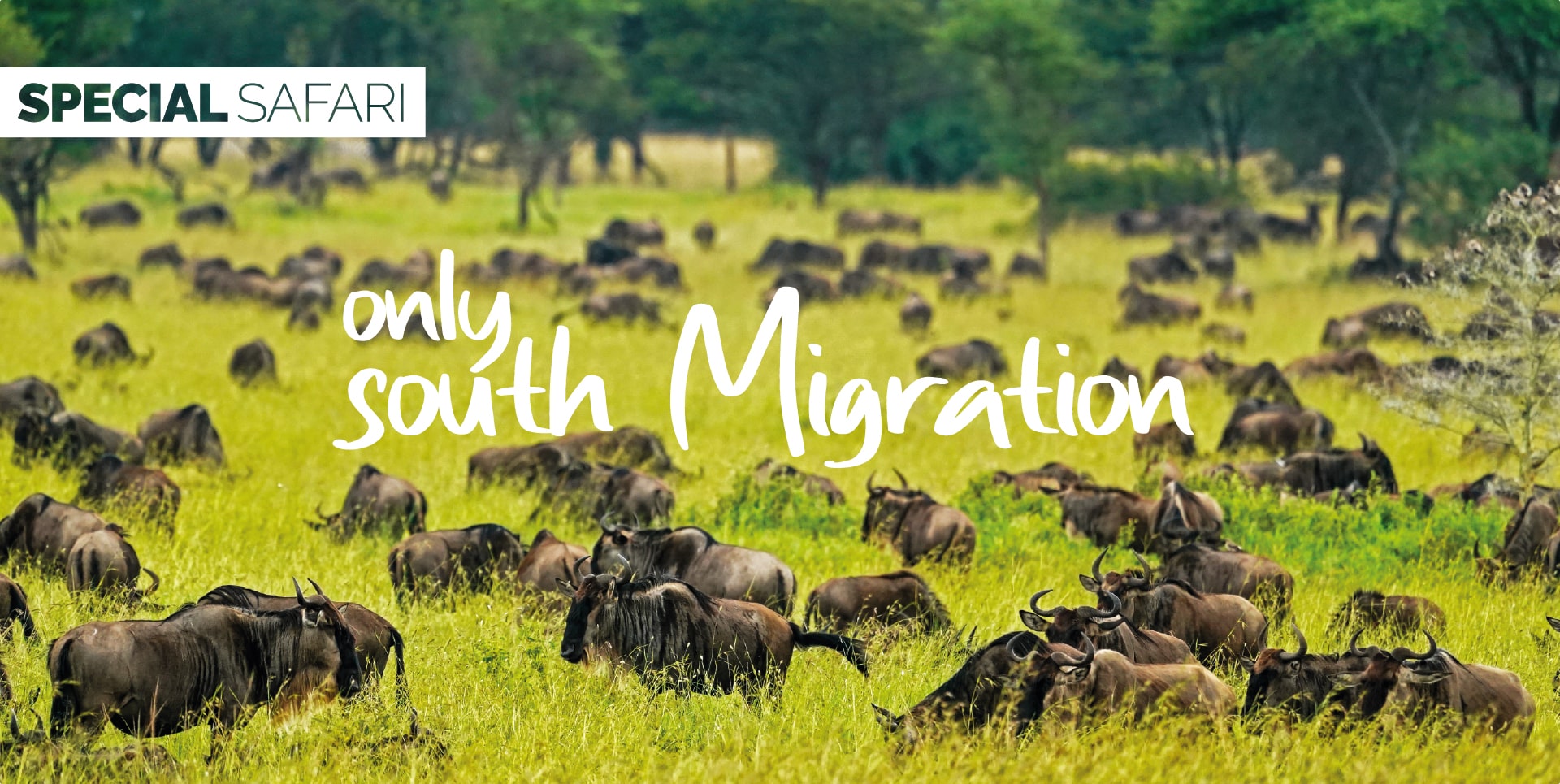
Between January and March, the so-called green season offers a completely different but equally fascinating experience. The plains of the southern Serengeti become the scene of an extraordinary event: the calving season, when thousands of wildebeests give birth almost simultaneously. This period attracts predators in large numbers, creating exceptional opportunities to observe hunting scenes. The lush landscape, clear skies ideal for photography and fewer tourists are further advantages of this season, more than balancing the occasional afternoon rain.
The intermediate duration offers a key advantage: the time needed to really get in tune with the rhythms of African nature. Unlike shorter safaris, where the rush from one park to the next can create a feeling of hurry, six or seven days allow you to savour every moment with the right amount of calm.
Compared to safari in Tanzania 8 days or safari in Tanzania 9 or 10 days, this option is more accessible in terms of time and budget, while still providing a complete and satisfying experience.
This format is ideal for different types of travellers: couples looking for a romantic and adventurous experience, families with children eager to discover the wilderness, small groups of friends sharing a passion for wildlife and photography. The format is also popular with first-time safari travellers, offering a complete but not overly demanding immersion.
One aspect that is often underestimated is the impact that safari duration has on the quality of sightings. With more time available, guides can plan trips at optimal times and places, significantly increasing the chances of observing interesting behaviour and more elusive species. Patience becomes a key element: waiting for a leopard to come down from a tree, observing a pride of lions on the hunt, or simply stopping to admire the social behaviour of elephants are all time-consuming experiences.
The 6-7 day safaris offer this precious balance: extensive enough to experience Africa in depth, yet compact enough to fit the time and budget requirements of most travellers. An authentic immersion in the wilderness that leaves in the heart the desire to return.