
Tanzania represents the essence of the African experience, a mosaic of wild ecosystems where nature expresses itself with extraordinary power. For those who wish to discover this natural paradise, an 8 day safari offers the ideal duration: extended enough for authentic immersion, but still manageable for those who cannot dedicate weeks to the journey.
An 8 days safari in Tanzania represents the optimal balance between discovery and assimilation. Eight days means precious time to immerse oneself in the boundless landscapes of the savannah, observe the behaviour of the animals and experience each stage at its own pace, without the rush of shorter trips. This duration allows you to alternate intense days of game drives with contemplative moments, creating the mental space needed to absorb the power of the African experience. The eighth day makes all the difference: it allows you to include an additional park, dedicate an extra night in the Serengeti, or simply enjoy a more relaxed pace throughout the entire itinerary.
The 8 day safaris follow strategically planned routes in northern Tanzania, combining iconic parks with secondary stops that enrich the experience. An experienced Tanzania safari tour operator structures these routes by balancing distances, transfer times and sighting opportunities.
Most itineraries begin in Tarangire National Park, famous for its concentrations of elephants among majestic, centuries-old baobabs. It continues to Lake Manyara National Park, an ecological jewel where lush forests alternate with the shores of the alkaline lake, habitat of the famous tree lions. The heart of the experience is the Serengeti National Park, where you spend two or three nights exploring different areas of this immense ecosystem. The itinerary is completed with a day at the Ngorongoro Crater, a volcanic caldera that forms an enclosed ecosystem of extraordinary beauty where it is possible to spot all the “Big Five” in a single day.
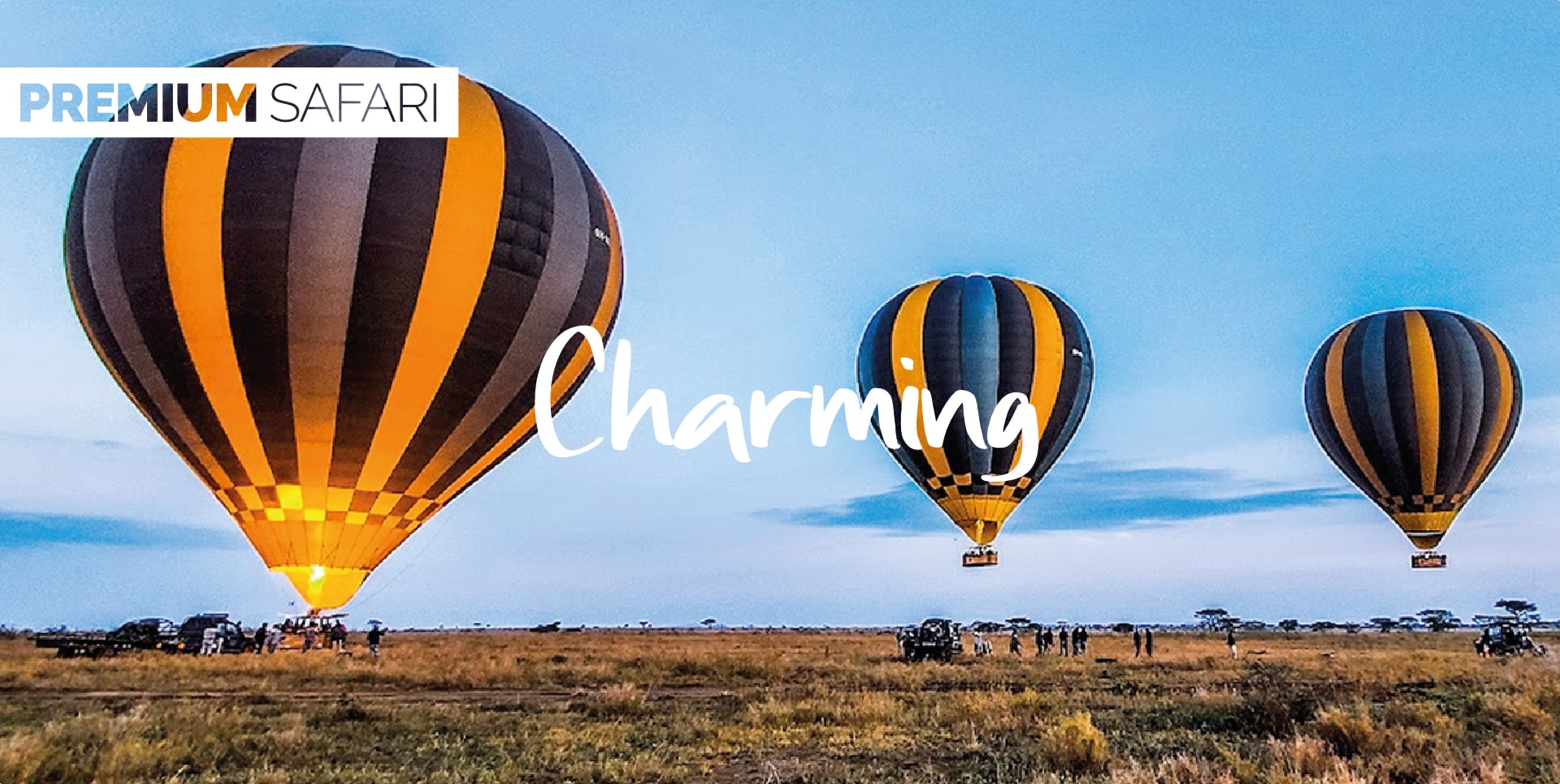
Flexibility is one of the main advantages of 8 day safaris. In addition to the classic itinerary, this duration allows you to include complementary experiences such as Lake Natron, with its reddish waters and flamingo colonies, or Lake Eyasi, where you can meet the Hadzabe tribe, one of Africa’s last hunter-gatherer groups. For photographers and wildlife enthusiasts, some tours favour an extended stay in the Serengeti to maximise opportunities for significant sightings. Customisation options can include exclusive experiences such as walking safaris, nights in designer tented camps or sunrise balloon flights.
Opting for an 8 day safari means choosing the African experience in its most authentic form. This duration offers an ideal balance between the completeness of the itinerary and a pace that leaves room for the assimilation of emotions. Unlike shorter tours, an 8 day safari allows you to really get in tune with the cycles of African nature. The difference can be felt in the quality of the experience: it is not just about seeing more animals, but experiencing each encounter with greater depth. Compared to safari in Tanzania 11 or 12 days, this formula represents an excellent compromise between complete experience and time available.
With eight days at your disposal, you can dedicate the appropriate amount of time to each park, overcoming the “touch and go” feeling of shorter safaris. In the Serengeti, two or three consecutive nights allow you to explore different areas and increase the likelihood of witnessing unrepeatable moments: predation, social behaviour of herds, or interactions between different species. The extra time allows the same environments to be visited at different times of the day, discovering how they change from sunrise to sunset. This more relaxed approach allows guides to adapt routes according to recent sightings, prioritising the quality of the experience.
With eight days, transfers between parks are more harmoniously distributed, reducing time in the car and the number of dawn departures. This more relaxed planning means less stress, more energy and more flexibility to adapt to weather conditions or unforeseen opportunities. The more relaxed pace also allows you to appreciate life in the lodges and tented camps. There is time to enjoy the sunsets from the viewing terraces, listen to the night sounds of the savannah or exchange stories with other travellers and local guides. This formula is particularly suitable for couples, honeymooners or nature photographers, an activity that requires time, patience and the ability to return to the same places several times.
An 8 day safari follows natural rhythms, in harmony with the activity cycles of the wildlife. Days are structured to maximise sighting opportunities without sacrificing comfort, alternating exploration and relaxation in a balanced experience. Safaris take place in 4×4 jeeps with sunroofs and seats arranged for optimal visibility. These vehicles, driven by expert guides, allow you to get close to the animals in safety, respecting their habits.
The daily rhythm follows the natural cycle of the animals, with departures at dawn for the first game drive, when predatory activity is at its peak and the golden light creates spectacular photographic scenery. After a few hours of exploration, we return to camp for a hearty breakfast and a period of relaxation in the warmer hours. In the afternoon, when the temperatures drop, the second game drive begins and lasts until sunset. The return to camp coincides with dusk, followed by dinner and conviviality around the campfire under a starry sky of extraordinary intensity. This rhythm may vary depending on the stage: some days are devoted entirely to the exploration of a park, others include transfers between different protected areas, with shorter game drives along the way.
In addition to classic game drives, the programme can include complementary experiences. At some lodges, it is possible to participate in short walking safaris accompanied by armed rangers, an opportunity to approach nature from a different perspective. Other lodges organise sunset aperitifs at selected vantage points. The cultural dimension enriches the more comprehensive safaris: visits to Masai villages provide an insight into one of East Africa’s most iconic ethnic groups. Some itineraries also include short excursions to local schools supported by responsible tourism projects. The 8 day format also allows for moments of relaxation in accommodation facilities, often located in places of extraordinary beauty, offering the opportunity to assimilate experiences in a natural setting of rare power.
Relying on a specialised Tanzania safari tour operator is the safest choice for a quality experience. Knowledge of the area, relationships with local facilities and the ability to handle unforeseen events make all the difference in a trip of this complexity.
If you want to leave with a tried and tested and adaptable programme, you can consult our proposals. The site offers detailed day-by-day itineraries and a complete overview of each tour.
The proposed selection of 8 day Tanzania safaris is the result of years of field experience and is constantly updated. Each itinerary accurately describes the stops, parks visited, accommodation and activities included, allowing you to get a clear idea of the experience. Choosing an already structured itinerary does not exclude customisation: starting from tried and tested formats, you can request modifications according to your interests, such as a focus on nature photography, the inclusion of cultural experiences or upgrades to higher category accommodation.
The choice of period is crucial to maximise the safari experience. Each season offers different conditions that affect sightings and the comfort of the trip.
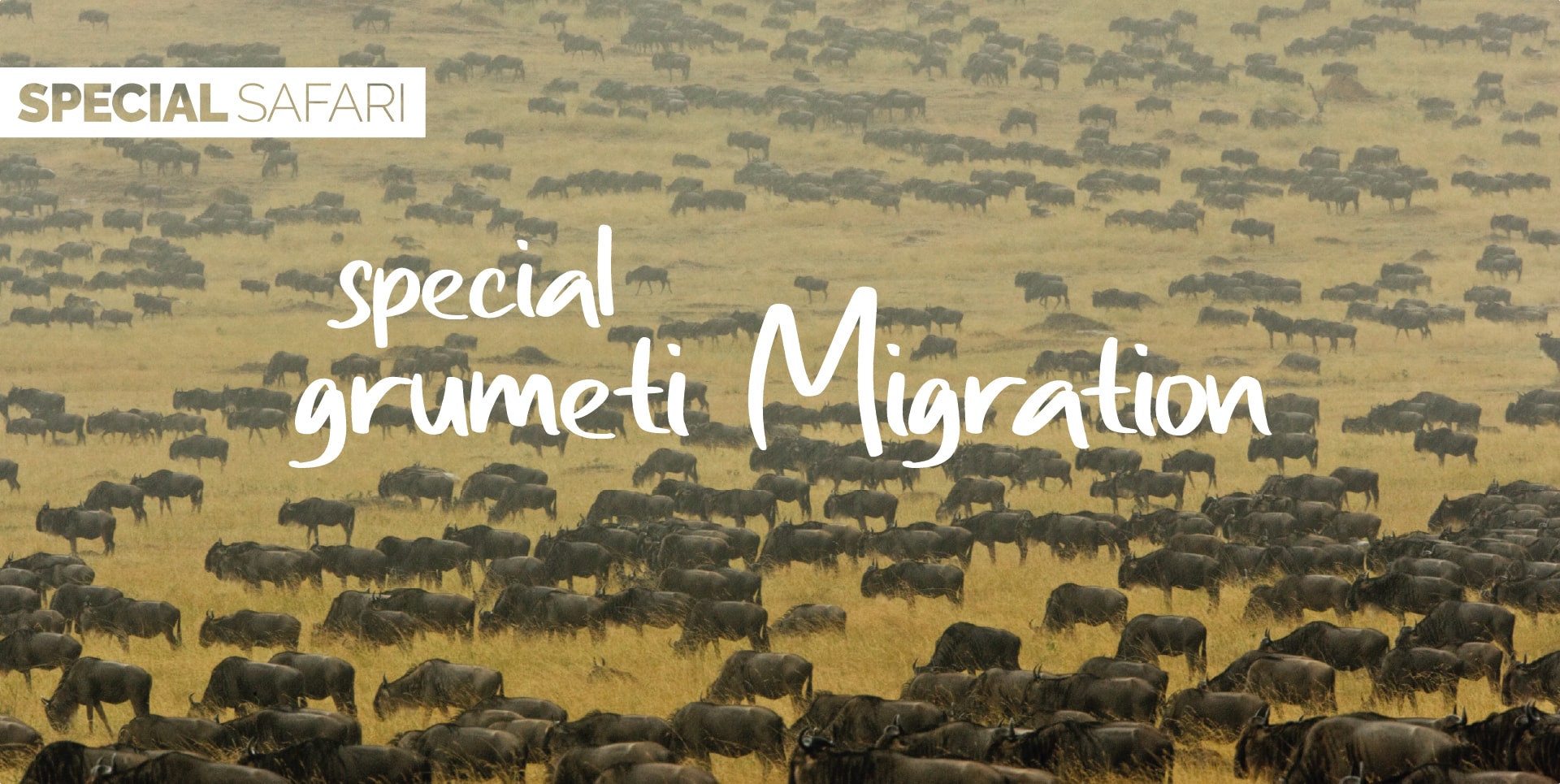
From June to October, the dry season is the classic safari period. With little vegetation and animals concentrated around water sources, this season offers ideal conditions for observation. The climate is pleasant, with mild daytime temperatures and cool nights. This period coincides with the Great Migration in the northern Serengeti, with spectacular crossings of the Mara and Grumeti rivers. Predation scenes are more frequent, with lions, cheetahs and crocodiles taking advantage of the concentration of prey. July and August represent the peak tourist season. For those who want similar conditions but fewer tourists, June and September-October are an excellent compromise.
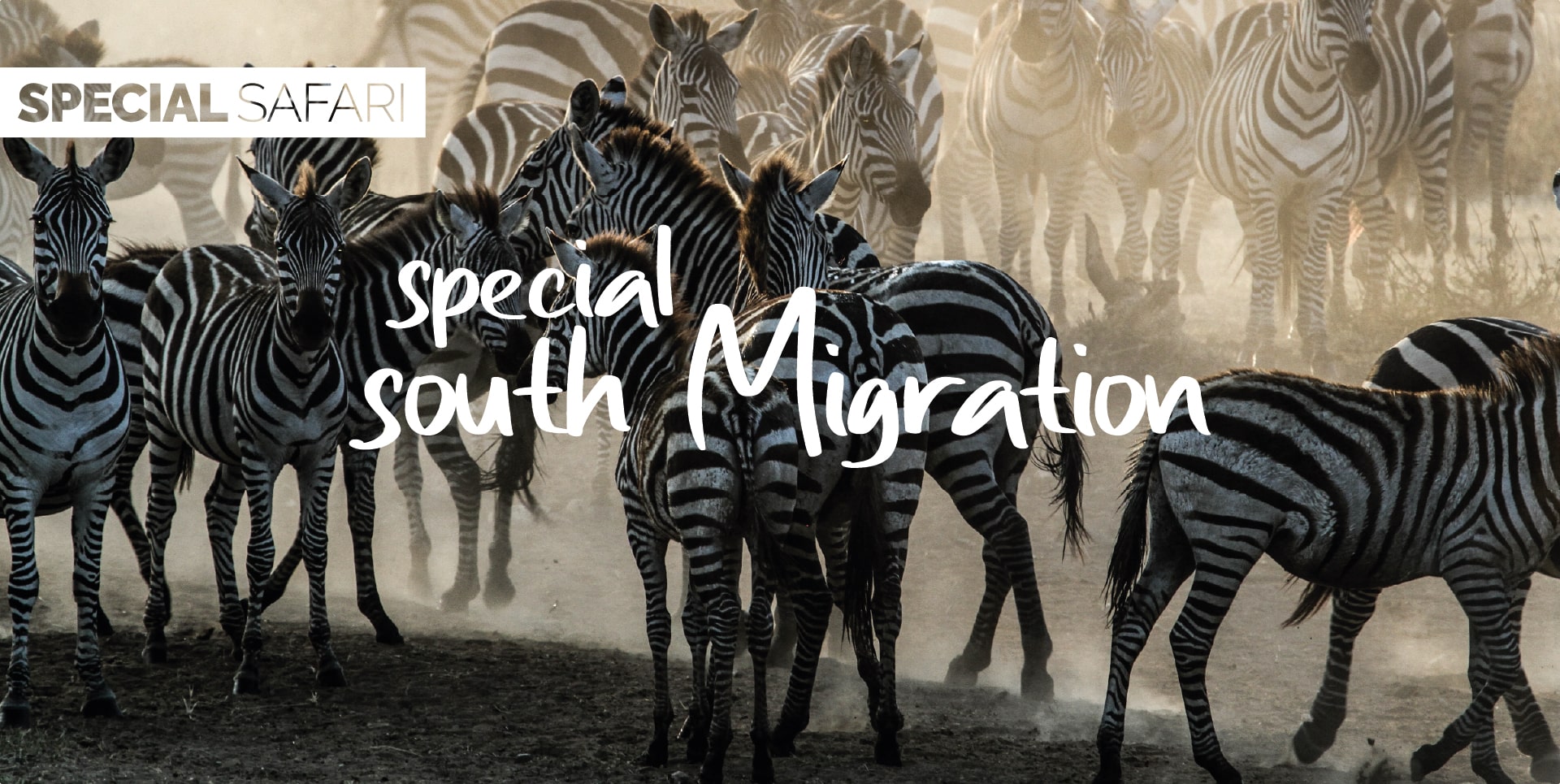
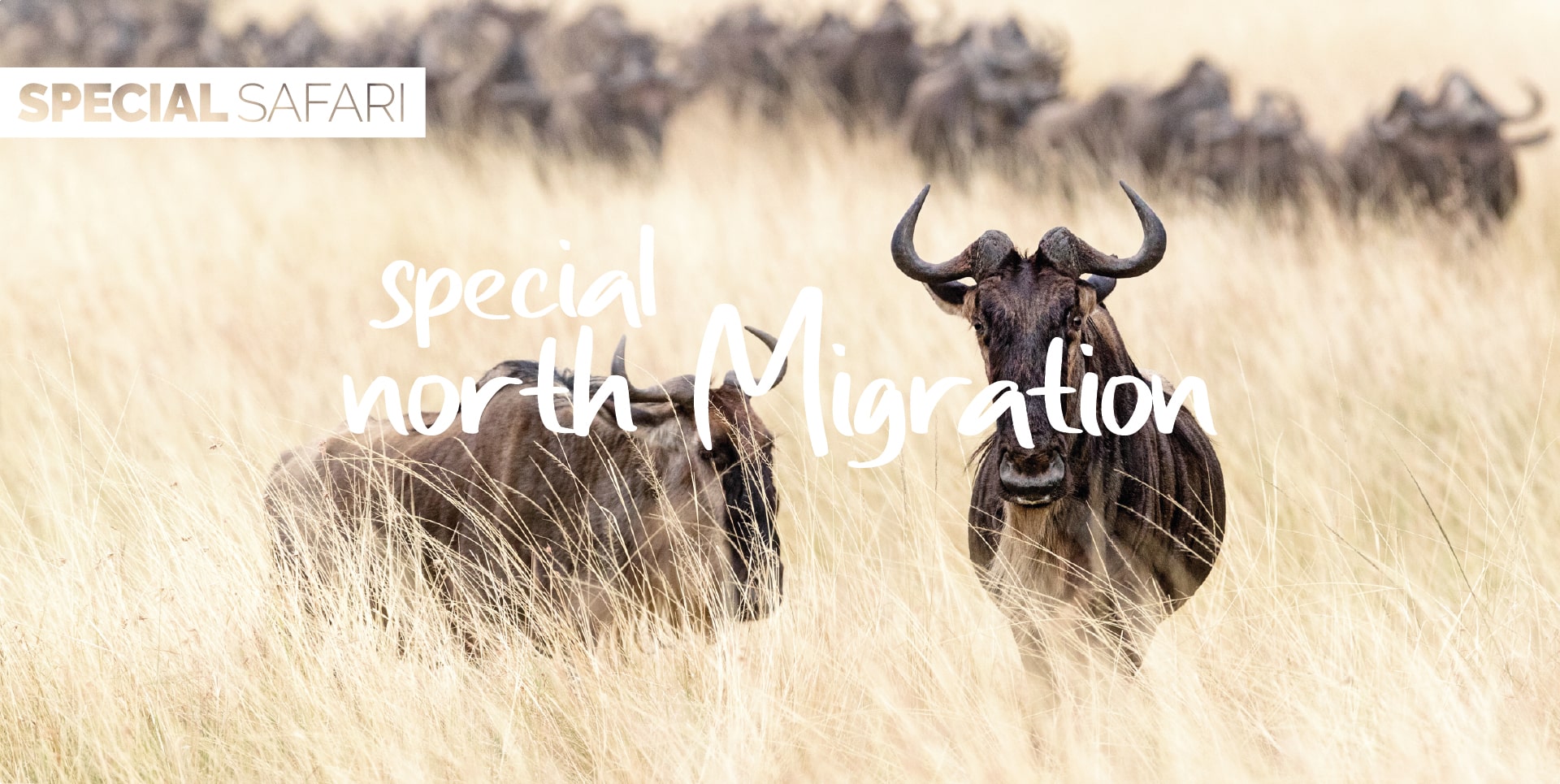
The Great Migration, with around two million herbivores moving cyclically through the Serengeti ecosystem, is an extraordinary natural spectacle. An 8 day safari offers excellent opportunities to intercept this phenomenon, if you choose the right time. Between January and March, migration is concentrated in the south of the Serengeti and the Ndutu area, where female wildebeest give birth. This period, with lush vegetation and clear skies, offers the opportunity to observe numerous cubs and intense predatory activity. Between June and July, the herds move north through the central part of the Serengeti. In August and September, there are the Mara River crossings in the north, one of the most dramatic moments in the migration cycle.
Our tour operator will be able to recommend the most suitable itinerary for the period chosen, modifying the sequence of stops to maximise the chances of witnessing this extraordinary phenomenon.
Preparing for an 8 day safari requires careful planning, from the choice of itinerary to the practical aspects necessary to enjoy the experience.
To enter Tanzania, you need a passport with a residual validity of at least six months and at least two free pages. A tourist visa is also required, available online or on arrival at major airports.
No compulsory vaccinations are required in Tanzania. Vaccination against yellow fever is only compulsory for travellers from high-risk countries. It is important to consult a travel medicine centre for personalised advice on recommended prophylaxis, including anti-malaria.
Comprehensive travel insurance is a must, especially in remote areas. A policy that covers medical expenses, cancellations, flight delays or loss of luggage is advisable.
The ideal clothing combines practicality, comfort and respect for the environment. Garments made of natural fibres in neutral colours (beige, khaki, olive green), which do not attract the attention of animals, are recommended. It is important to provide overlapping layers to adapt to temperature fluctuations. A wide-brimmed hat, sunglasses, high-protection sun cream and an effective insect repellent are essential. For footwear, comfortable, closed shoes for game drives are sufficient. Photographic equipment deserves special attention: a good quality telephoto lens makes all the difference for capturing animals at a distance. Extra batteries and memory cards are recommended. A quality pair of binoculars completes the equipment.
An 8 day safari is ideal for those seeking an authentic immersion in wild Africa, without settling for a superficial experience. It is the perfect format to establish a real connection with the places visited, absorbing not only the sights, but also the sounds, smells and sensations that only the African savannah can offer.
This formula is particularly suitable for nature photographers, who find extra time to wait for ideal conditions and experience the light at different times of day, capturing not only the animals but also their behaviour. For honeymooning couples, an 8 day safari is a transformative experience to share, with just the right balance of adventure and intimacy. Selected facilities often offer romantic accommodation and exclusive services designed for couples. Africa enthusiasts, perhaps on their second or third trip to the continent, will find space in this duration to learn more about specific ecosystems or spend time interacting with local communities.
Compared to shorter safaris, an 8 day itinerary offers several advantages. The first is the depth of the experience: there is time to observe, understand and assimilate, transforming the safari from simply observing animals to understanding a complex ecosystem. Increased flexibility is another strength: an extra day allows you to adapt the program to weather conditions, take advantage of special sightings or indulge in unplanned moments of contemplation, resulting in a more fluid and less tiring experience. Finally, a safari of this duration allows you to build a more meaningful relationship with your guide and local staff, enriching the experience with authentic cultural exchanges. You return home not only with extraordinary photographs of animals, but with a deeper understanding of a fascinating country and the people who inhabit it.