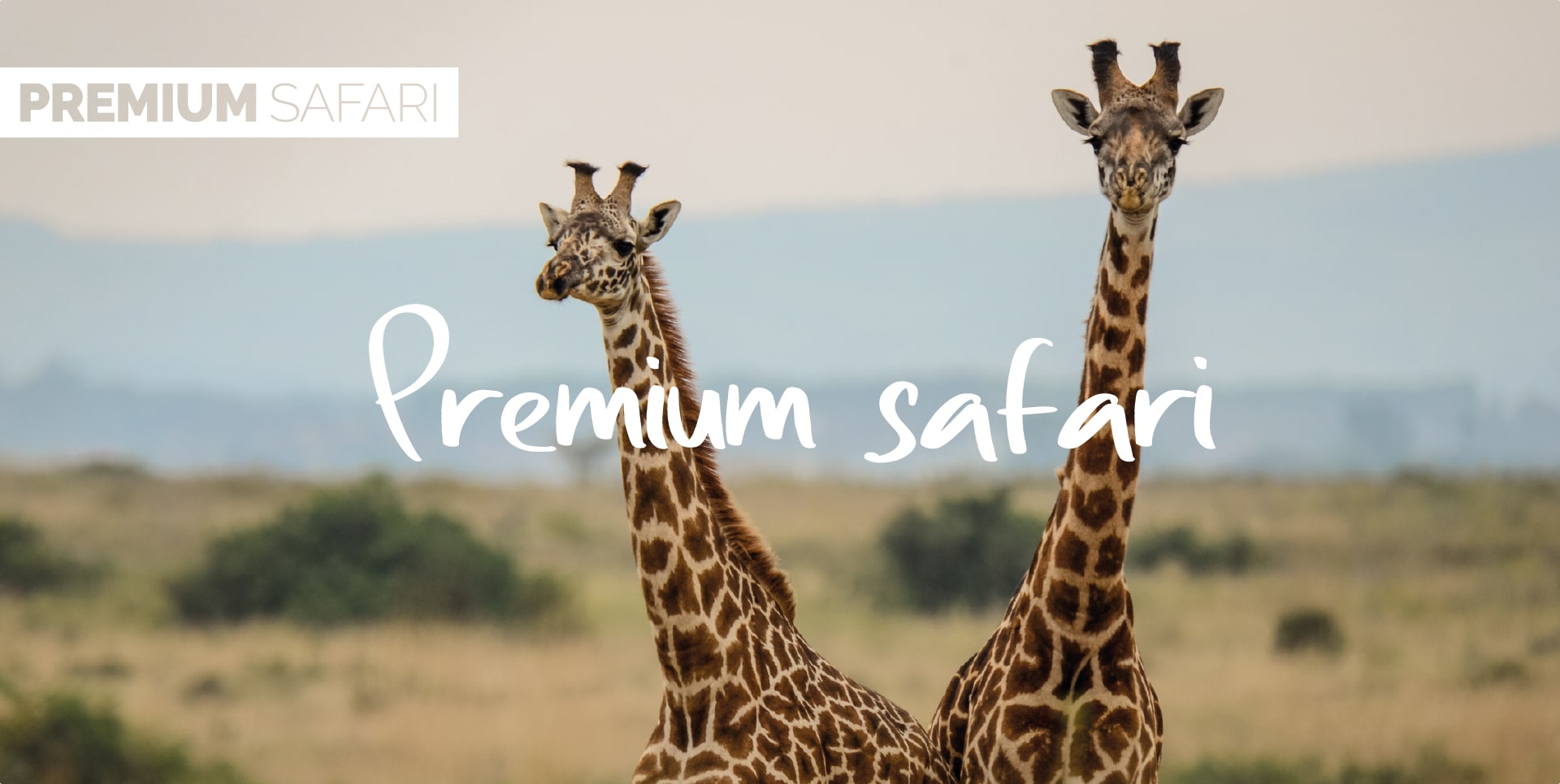
Tanzania represents the essence of wild Africa, a land where unspoiled nature and extraordinary wildlife create a unique stage. For those who want an immersive and profound experience, 9 or 10 day safaris offer the ideal format: extended enough to explore the most celebrated parks at the right pace, without rushing, but still manageable for those who cannot devote full weeks to the trip. This duration allows not only to visit naturalistic icons such as the Serengeti and Ngorongoro Crater, but also to discover less-traveled corners of northern Tanzania, creating a complete experience that perfectly balances adventure, contemplation and comfort.
A 9 or 10-day safari in Tanzania is the perfect balance of total immersion and practicality. This duration allows for a deeply transformative experience without having to dedicate weeks to the trip. Unlike shorter safaris, where the fast pace can create a feeling of hurry, nine or 10 days allows you to savor each moment with the right amount of calm, getting in tune with the natural timing of the savannah and its inhabitants. The magic of a safari of this duration lies in the possibility of integrating different experiences into one trip. It is not just a matter of quickly traversing the main parks, but of exploring them in depth, devoting the necessary time to each ecosystem. The Serengeti, for example, is not a uniform environment, but a mosaic of different habitats, from the endless plains to the rocky areas of the kopjes, from riparian forests to shrub savannas, each with its own unique wildlife and landscape characteristics.
With nine or ten days to spare, it is also possible to explore areas less frequented by standard tourist circuits. While shorter tours necessarily focus on “highlights,” an extended itinerary can include hidden gems such as remote Lake Natron with its pinkish waters and flamingos, or Lake Eyasi, where the ancient Hadzabe and Datoga tribes still live. These additional experiences greatly enrich the trip, offering a more complete and authentic view of Tanzania. The cultural dimension becomes an important component on a safari of this duration. There is time to interact with local communities, visit Masai villages or other ethnic groups, participate in traditional ceremonies, or simply converse with guides to better understand the complex relationship between humans and nature in this corner of Africa.
The 9-10 day Tanzania safari itineraries are meticulously designed to optimize each day. The main difference between the two formats lies in the ability to include an additional experience or simply benefit from an even more relaxed pace. The tenth day represents that extra card to further enrich an already full itinerary or to end the trip with a day of relaxation before the return trip. Transfers between parks are scheduled during the middle hours of the day, when animal activity is naturally reduced, leaving the early morning and late afternoon (the best times for sightings) dedicated to game drives. The accommodations selected for these safaris reflect the superior quality that characterizes longer trips. Scenic lodges and charming tented camps are chosen not only for the comfort they offer but also for their strategic location, often in prime spots within or on the edge of national parks. This minimizes travel and maximizes wilderness immersion.
The more relaxed pace allows more flexibility in the day-to-day management of the program. There is room to adapt to unforeseen circumstances, such as exceptional sightings that deserve more time or special weather conditions. This elasticity is a significant added value compared to shorter tours, which are necessarily bound to more rigid schedules to cover essential stops.
The 9 or 10 day safaris invariably include the naturalistic gems that have made Tanzania one of the most sought-after destinations for wilderness lovers. The northern circuit, with its iconic parks, forms the backbone of these itineraries, creating a narrative progression that takes the traveler through amazingly diverse ecosystems. The journey generally begins with Tarangire National Park, famous for its high concentrations of elephants among centuries-old baobabs. The tour continues to Lake Manyara National Park, a small ecological gem where lush forests alternate with the shores of the alkaline lake, habitat of the famous tree lions and thousands of pink flamingos. The beating heart of the experience is the Serengeti National Park, where you usually spend two or three nights exploring different areas of this immense ecosystem. The immensity of the Serengeti plains, with the highest concentration of predators in Africa, offers nature documentary scenery. The longer duration allows an entire day to be devoted to migratory phenomena, following the movements of wildebeest and zebra. No safari in Tanzania would be complete without a visit to the Ngorongoro Conservation Area: the Olduvai Gorge, where a perfectly preserved volcanic caldera forms a closed ecosystem that is home to an incredible concentration of wildlife. The descent into the crater is a highlight of the trip, with the chance to spot all of the “Big Five” in a single day’s safari.
The added value of a 10 day safari lies in the ability to enrich the itinerary with complementary experiences that add depth to the trip. This additional day can be used in a variety of ways, each offering a unique perspective on Tanzania. One of the most fascinating options is a visit to Lake Eyasi, where it is possible to meet the Hadzabe tribes, one of Africa’s last hunter-gatherer groups. This anthropological experience allows visitors to get in touch with an ancestral way of life that is rapidly disappearing. Visitors have the opportunity to participate in a traditional hunting trip and learn millennia-old survival techniques. For lovers of extraordinary landscapes, day 10 can be devoted to an excursion to Lake Natron, an alkaline body of water with intense reddish hues surrounded by an almost lunar landscape. The area, dominated by the silhouette of the Ol Doinyo Lengai volcano, a sacred mountain for the Maasai, is home to important flamingo colonies. Alternatively, 10 day itineraries can include an additional night in the Serengeti, allowing access to more remote areas of the park, such as the northern region bordering Kenya. This option is particularly popular with photographers and wildlife enthusiasts, who find opportunities for sightings in more intimate and natural settings in these areas.
Tanzania safaris of 9-10 days offer the opportunity for a truly personalized experience. The longer time frame provides the flexibility to tailor the trip to one’s preferences, turning a simple visit into an immersive and meaningful experience. Safaris of this duration allow you to appreciate the seasonal nuances of the Tanzanian ecosystem. Each time of year offers a different spectacle, and a longer trip allows the itinerary to be adapted to maximize the opportunities offered by the chosen season. The longer duration also allows you to alternate between different types of accommodations, combining the understated luxury of lodges with the authenticity of tented camps in the heart of the savannah. This mix of comfort and adventure represents the perfect balance between immersion in nature and moments of contemplative relaxation.
The main advantage of a 9 or 10 day safari is the more harmonious and natural pace. Transfers between parks are evenly distributed, reducing the feeling of constant travel typical of shorter safaris. This relaxed planning results in less hectic days with longer, more in-depth game drives. There is time to observe complex animal behaviors that require patience: a lioness hunt, the interactions of an elephant herd, or the courtship of rare species. The extra time also allows for variation in the daily experience, alternating intense safari days with more relaxed moments. With a safari of this duration, there is also the mental space to gradually assimilate the experiences, turning the trip into a truly transformative adventure.
A longer safari offers many possibilities for customization with complementary activities that enrich the experience. For photographers, dedicated outings are available at optimal times and locations to capture the best light, sometimes with professional photographers as guides. Visits to local communities add a valuable cultural dimension. In addition to Masai villages, a long safari may include encounters with other ethnic groups or visits to conservation projects, offering a cultural perspective that is critical to understanding the area. In some areas, it is possible to organize hikes on foot, accompanied by armed rangers. This experience uncovers details invisible from the vehicle: footprints, medicinal plants and the intricate web of life that forms the ecosystem, offering a deeper understanding of the natural environment.
The daily rhythm of a 9 or 10 day safari follows the natural cycles of the savannah, offering full immersion in the African ecosystem. The day begins at dawn with an early wake-up call to witness nature’s awakening, when predators and prey are most active and the golden light creates extraordinary photographic scenery. Safaris take place in 4×4 jeeps with sunroofs, driven by experienced drivers who know how to interpret animal tracks and behavior. These vehicles allow you to get close to the animals safely, respecting their natural space. The presence of experienced guides turns each sighting into a learning opportunity, revealing the secrets of the ecosystem and the complex relationships between species. Days alternate between intense game drives and moments of contemplation and relaxation in camps and lodges. Transfers between parks become opportunities to pass through local villages and observe Tanzanian daily life, adding a cultural dimension to the experience. Each evening, the African sunset marks the return to camp, where dinners under the stars and conversations around the campfire perfectly close the day. The itinerary progression is designed to create a crescendo of emotions, generally culminating with the Serengeti and Ngorongoro Crater experience, leaving indelible memories and a desire to return.
The safari day follows a precise rhythm, synchronized with the animals’ natural cycles. The alarm is at dawn, when the temperature is cooler and the animals active. After a quick coffee, the first morning game drive begins, the ideal time to spot predators returning from night hunts. In mid-morning, you return to camp for a full breakfast and a short period of relaxation during the warmer hours, when the animals seek shelter in the shade. During this interval, you can enjoy the lodge facilities, rest or simply observe the birds and camp life. In the afternoon, when the temperature begins to drop, the second game drive starts and continues until sunset. On some days, lunch is served in a picnic format on the savanna, maximizing exploration time. Evenings include convivial dinners and briefings on the day’s experiences and the next day’s program.
The accommodations selected for 9 10 day Tanzania safaris represent a perfect balance of authenticity and comfort. The mix of permanent lodges and fixed or mobile tented camps creates a variety of living experiences that enrich the trip. Lodges offer comfortable rooms, restaurants with panoramic views, and often swimming pools to cool off after hot safari days. Tented camps provide the most immersive experience, with spacious tents equipped with real beds and private bathrooms. Falling asleep to the sounds of the savannah creates lasting memories. Despite the remote location, these facilities provide an amazing level of service, with quality cuisine that blends international flavors and local specialties. The strategic choice of locations makes it possible to minimize transfers and maximize time in the parks. Many facilities are located in prime vantage points, with terraces overlooking watering holes frequented by animals, allowing wildlife observation even during relaxing moments.
For a quality experience, relying on a specialized Tanzania safari tour operator is the safest choice. Field experience, established relationships with local facilities, and the ability to handle unforeseen events make all the difference in a trip of this complexity.
Tracks of Africa Safari Adventure offers a curated selection of 9 or 10 day itineraries, the result of years of experience and constantly updated. Each proposal accurately describes stops, accommodations and included activities, allowing you to get a clear idea of the experience. Booking begins with the choice of itinerary, which can be customized to suit your preferences. Local experts will assist in selecting the most suitable accommodations and arranging all logistical details.
The choice of time of year significantly influences the quality of the safari experience. Each season in Tanzania offers different scenery and different sighting opportunities, making this an attractive year-round destination. A 9-10 day safari offers more flexibility with respect to seasonal conditions, but some periods remain particularly favorable. The safari in Tanzania dedicated to the Great Migration require careful planning according to the time of year, as this phenomenon follows precise seasonal cycles. The longer duration of the trip increases the chances of witnessing significant moments of this extraordinary natural occurrence.
From June to October, the dry season is the classic and most popular time for safaris. The sparse vegetation and animals concentrated around the few remaining water sources create ideal conditions for observation. The climate is particularly pleasant, with mild daytime temperatures and cool nights.
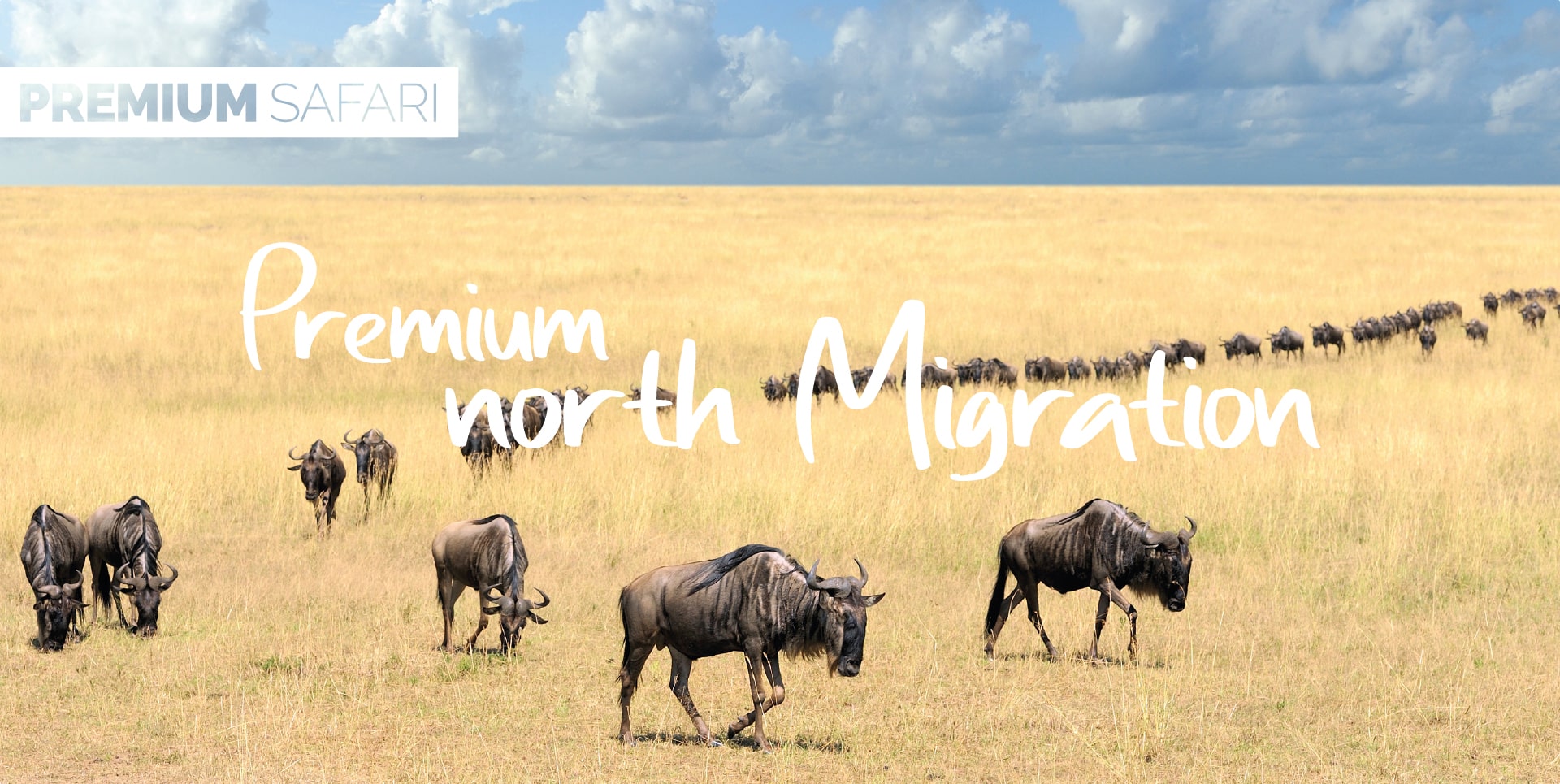
July and August coincide with river crossings in the northern Serengeti, one of the most dramatic spectacles of the Great Migration. To avoid the high tourist concentration of these months, June and September-October are a good compromise, with similar conditions but fewer visitors.
Between January and March, the so-called “little dry season,” the southern Serengeti hosts the birth stage of the Great Migration. This period offers the opportunity to observe numerous pups and predators in action. The verdant landscapes and clear skies create extraordinary photographic conditions.
November, December and April represent transitional periods, with occasional rains but also lower prices and less crowded parks. Photographers particularly appreciate these months for the color contrasts between lush vegetation and often dramatic skies with scenic clouds.
A safari of this duration represents the perfect balance between completeness of experience and manageability in terms of time and budget. Compared to safari in Tanzania 11 or 12 days, this formula is more affordable while still offering deep immersion in the Tanzanian ecosystem. The distinctive value lies in the quality of the experience: it is not simply a matter of visiting multiple places, but of experiencing each with the right depth. Nine or ten days allow you to get in tune with the rhythms of African nature, observing not only the animals, but their behaviors, interactions between species, and their relationship with the environment. One returns home not only with extraordinary photographs, but with a more authentic and deeper understanding of the African ecosystem.
The 9 to 10 day safaris are particularly suitable for travelers looking for a complete experience without having to devote two full weeks to the trip. This formula is ideal for honeymoon couples who wish to combine safari adventure with a few days of relaxation in Zanzibar or another beach destination. Amateur or semi-professional photographers also find this duration gives them the time they need to capture meaningful images of African wildlife and landscapes. Families with teenage boys appreciate the more relaxed pace, which allows them to gradually absorb the intense emotions of the safari without the risk of overload typical of shorter formats.
A 9-10 day safari in Tanzania leaves an indelible imprint on memories. he expertly orchestrated progression of experiences creates an emotional growing that generally culminates in the vast plains of the Serengeti and the perfect caldera of Ngorongoro. It is not just about seeing extraordinary animals, but a complete multisensory experience: the intense colors of African sunsets, the scent of the savannah after a brief downpour, the roar of lions in the night, the absolute silence of the first light of dawn. These elements, combined with local hospitality and shared experiences with other travelers, create a deep connection to the African land that continues to resonate long after returning home.