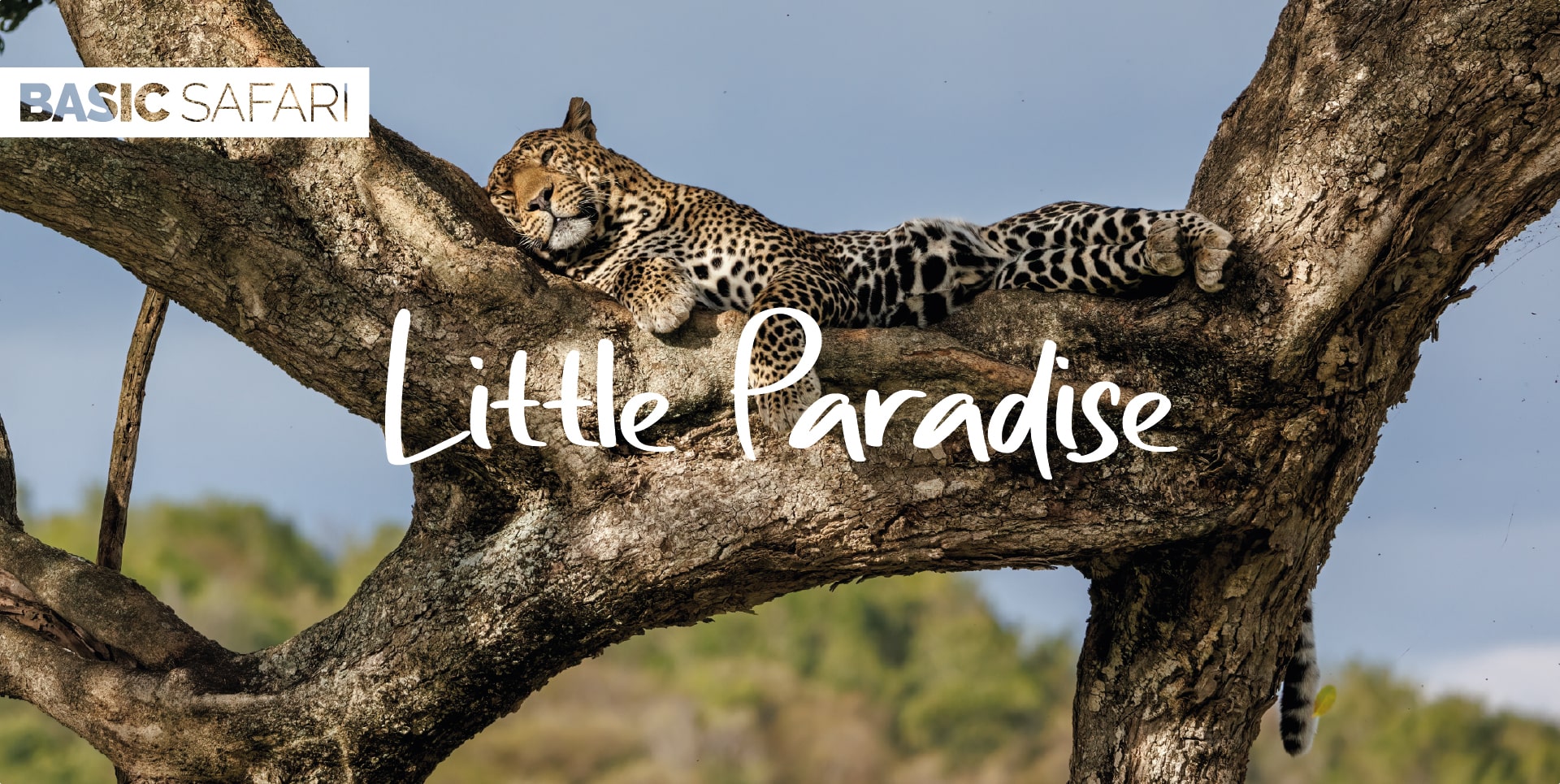
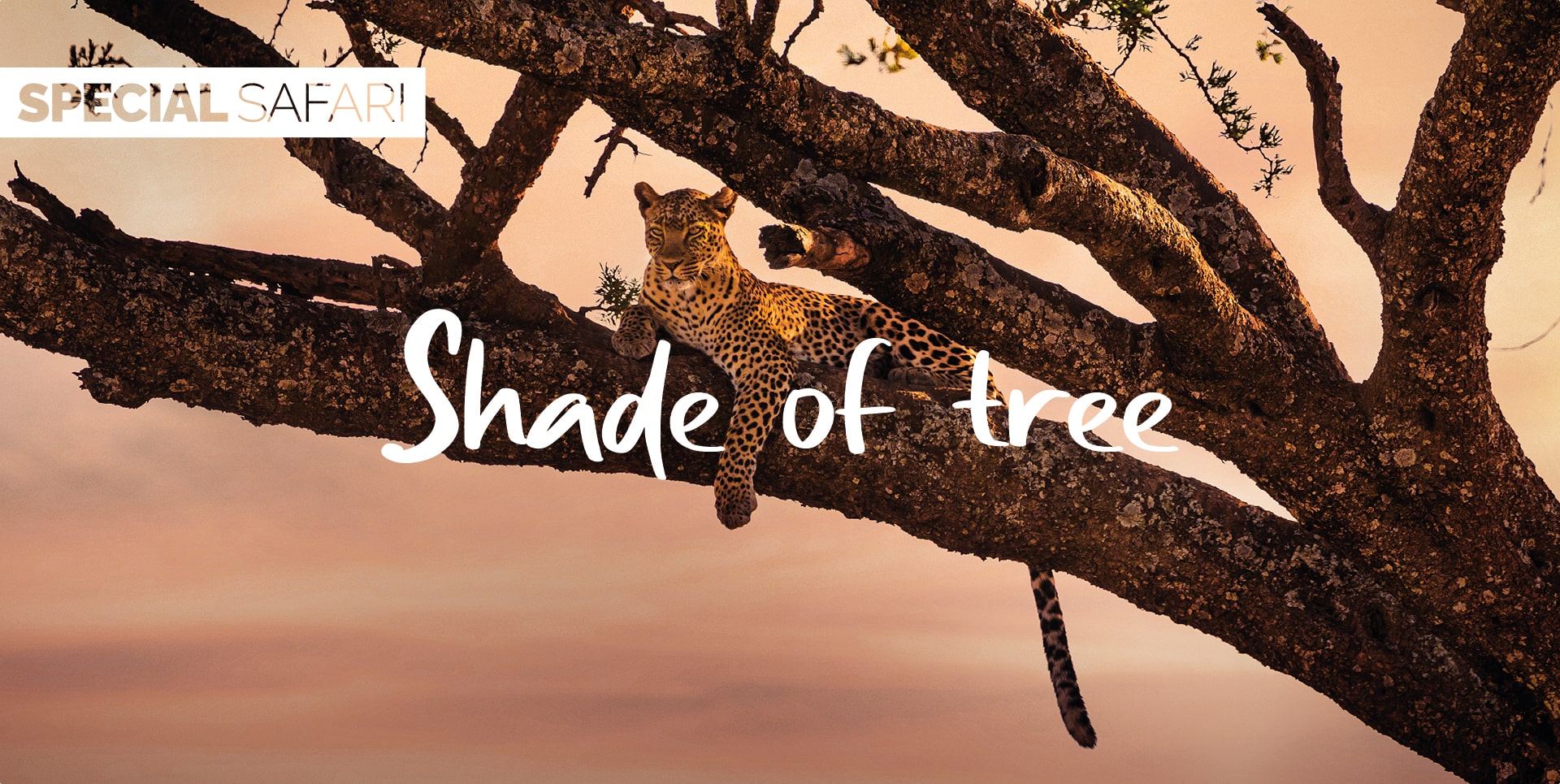
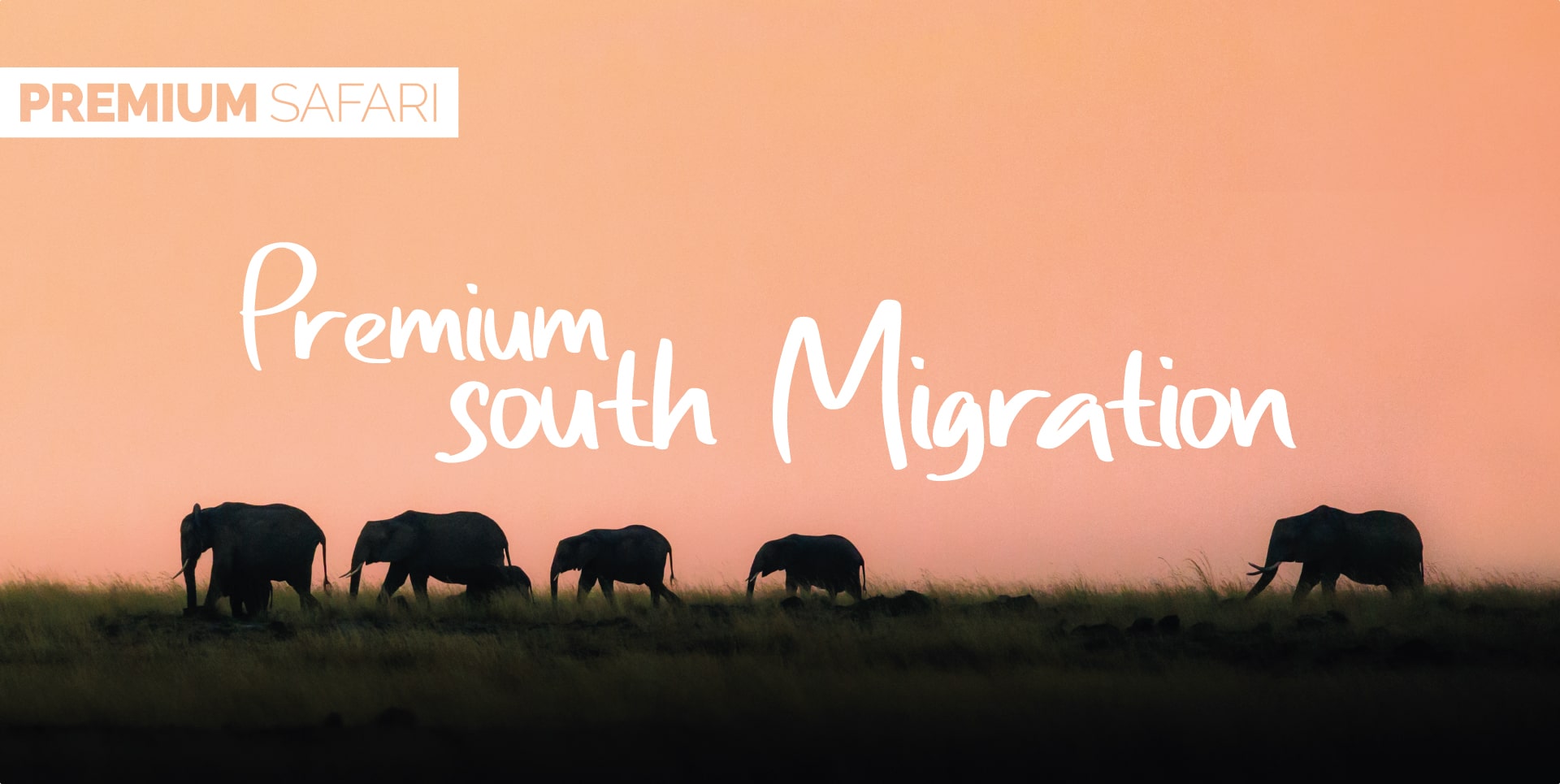
A close encounter with a herd of elephants crossing the savannah majestically, the powerful roar of a lion at dusk, the elusive silhouette of a leopard in the branches of an acacia tree are magical moments that represent the very essence of a safari in Tanzania, an experience that finds its ultimate expression in the search for the legendary “Big Five”.
The thrill of spotting these five great protagonists of African nature transcends the simple observation of exotic animals. It is a deep dive into the beating heart of wild Africa, where each encounter tells a thousand-year story of adaptation, survival and natural majesty.
The mammals most sought after by travellers are not just a list of species to tick off a list, but embody the very soul of the African savannah. Their charisma, power and rarity have turned the search for these animals into a symbolic experience that awakens a sense of primordial wonder in anyone lucky enough to observe them in their natural environment.
Tanzania, with its vast untouched ecosystems, offers an ideal stage for this quest. From volcanic craters to boundless plains, from rainforests to golden savannahs, this country represents one of the last frontiers where it is still possible to observe all five of Africa’s big animals in authentic and wild settings, far from the human imprint and immersed in landscapes of incomparable beauty.
The expression “Big Five” identifies lion, leopard, elephant, rhino and buffalo, the five undisputed protagonists that represent the very essence of the safari experience. These majestic animals embody the wild soul of Africa, each with unique characteristics that have made them legendary in the collective imagination. They are not necessarily the largest or rarest, but certainly the most charismatic and ecologically and culturally significant. Their presence in Tanzanian parks attracts travellers from all corners of the globe, making the search for these magnificent specimens one of the main objectives for those embarking on the unique African safari adventure. The sighting of all five represents a kind of symbolic goal, a complete experience that combines excitement, rarity and a deep connection with primeval nature.
The term originated in the context of colonial big game hunting, identifying the five species considered most dangerous to hunt on foot. These were not necessarily the largest animals, but those that posed the greatest risks to hunters in the 19th century. As environmental awareness has evolved, the expression has changed. Today, these most sought-after mammals are only ‘hunted’ with cameras, with a view to conservation. The concept has become a symbol of biodiversity and natural heritage to be protected.
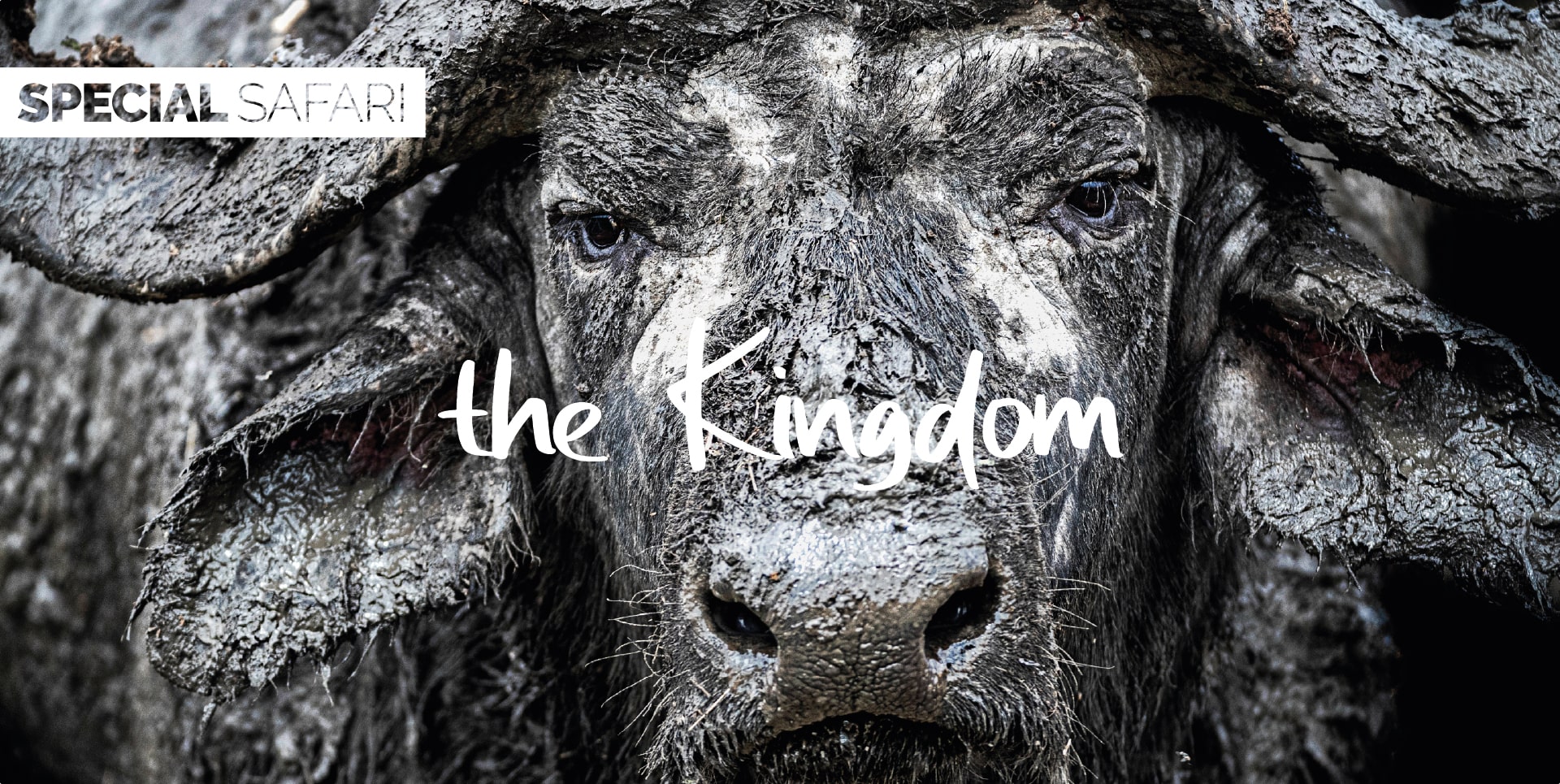
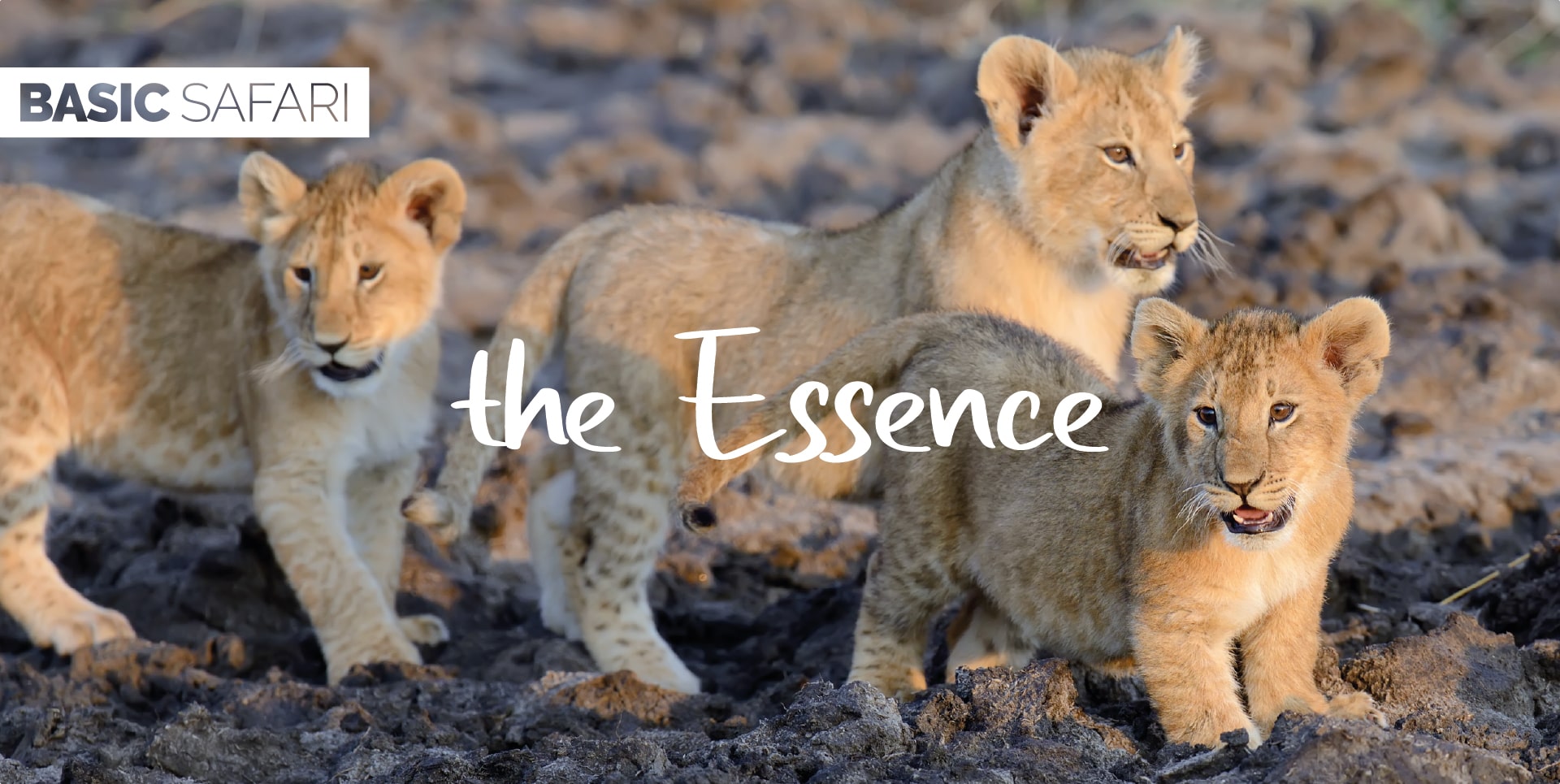
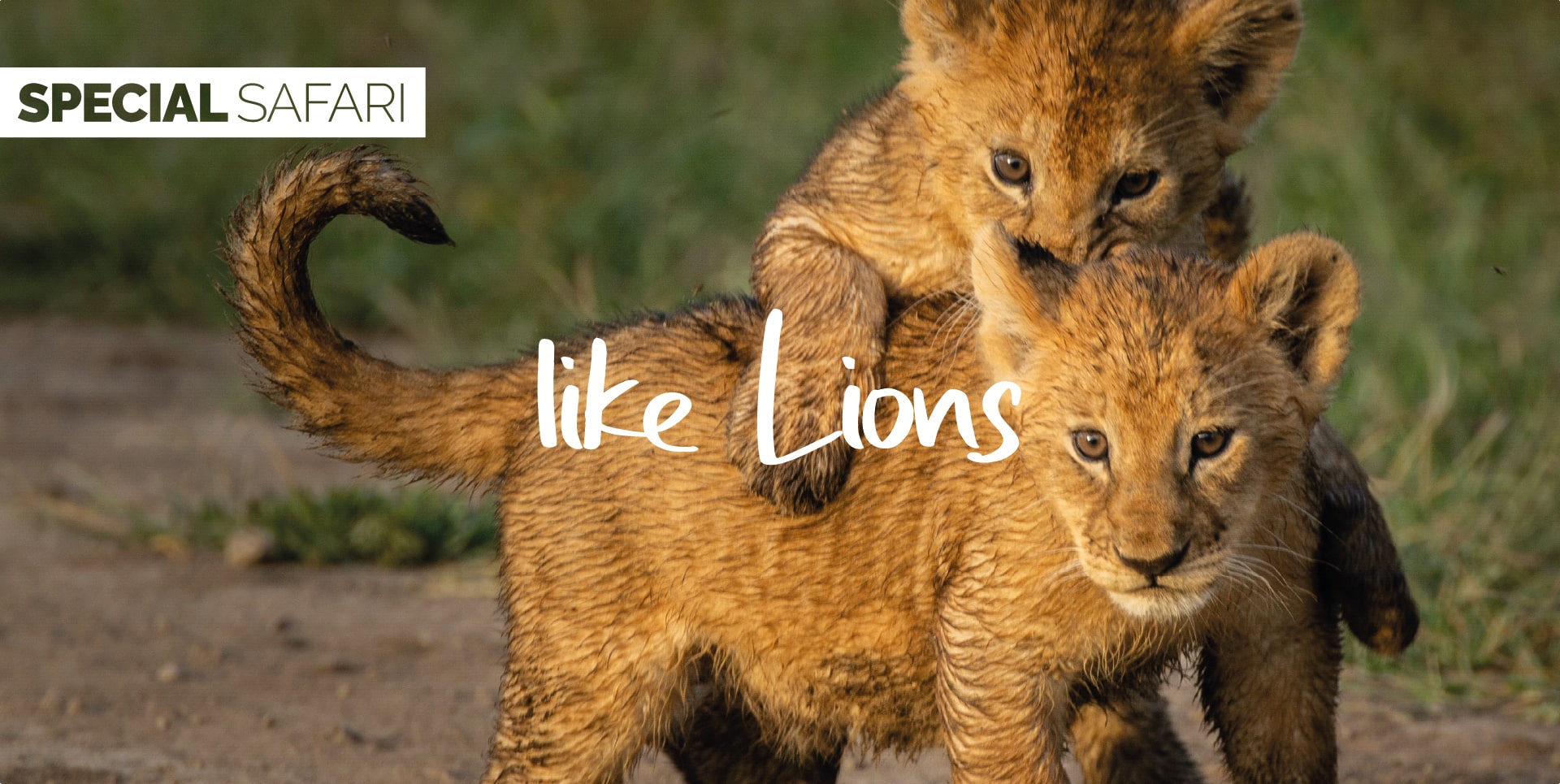
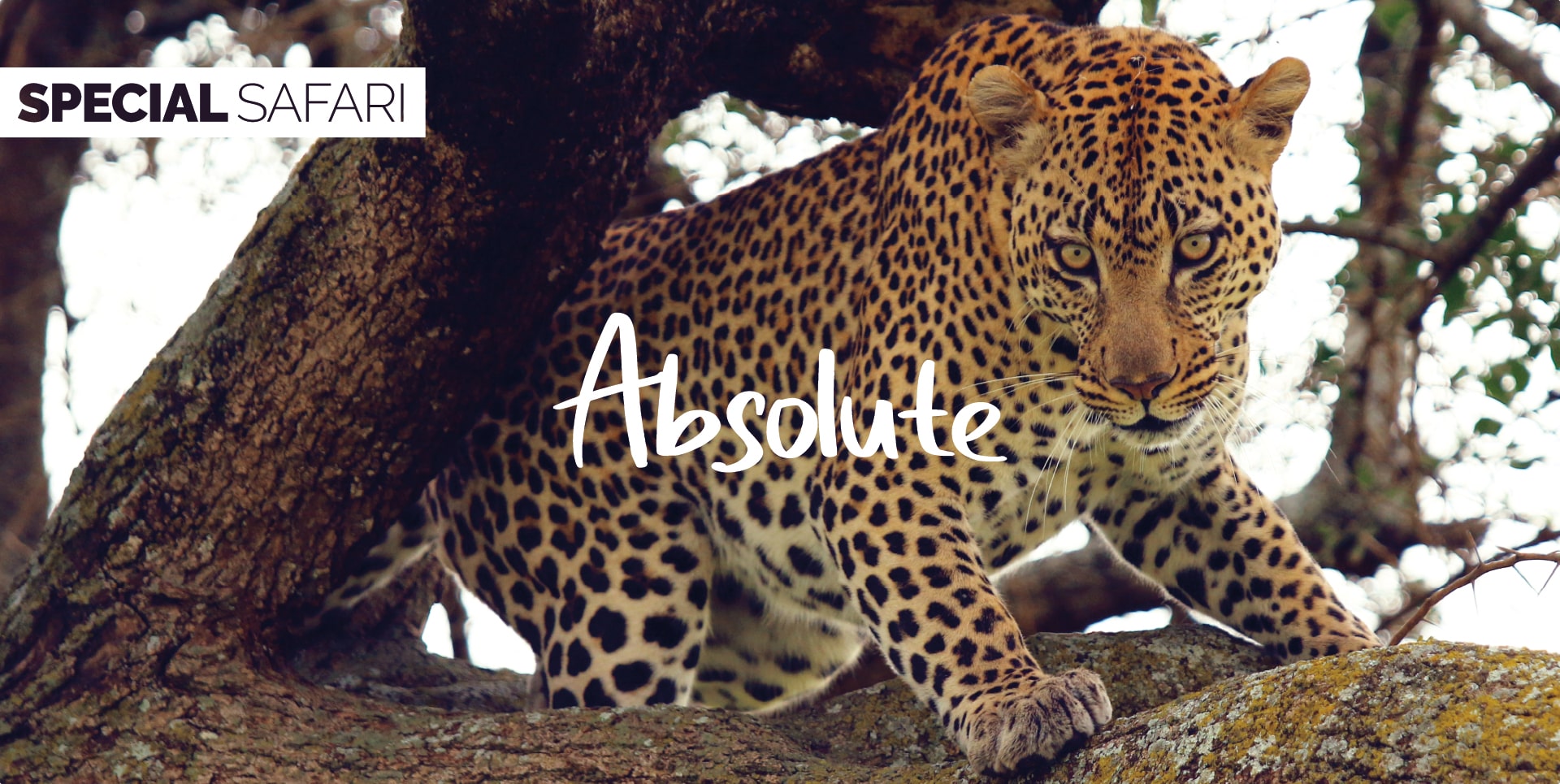
Each protagonist possesses uniqueness that has made him legendary. The lion symbolises power and royalty with its socially complex herds. The leopard, solitary and nocturnal, embodies silent elegance. The elephant impresses with its size, intelligence and social structure. The rhinoceros, threatened with extinction, represents a living link with prehistory. Finally, the African buffalo lives in huge herds and its unpredictability in defending itself against predators makes it one of the most respected animals on the savannah.
Tanzania boasts some of Africa’s most extraordinary ecosystems, where the concentration of wildlife reaches exceptional levels. Thanks to its forward-looking conservation policy, this country offers several areas where it is possible to complete the list of the big five protagonists of the savannah. Each park has unique characteristics that influence the probability of sightings of the different species. An experienced Tanzania safari tour operator knows exactly how to combine these destinations to maximise the chances of memorable encounters with all members of the prestigious group. The variety of habitats, from grasslands to wetlands, forests to open savannahs, supports significant populations of predators and large herbivores, creating a complete ecological mosaic for the perfect safari.
The Ngorongoro Crater is probably the most extraordinary place to observe all the “Big Five” in a single safari day. This perfectly preserved volcanic caldera forms a 260 km² closed ecosystem where around 25,000 animals live all year round, unable to migrate due to the steep walls. The density of lions is among the highest in Africa, while black rhinoceroses find here one of the last safe sanctuaries in Tanzania. Excellent visibility conditions, with relatively low vegetation and open spaces, make sightings particularly frequent and prolonged, making the Ngorongoro the first choice for those with limited time.
The vast Serengeti ecosystem is renowned for hosting the largest concentration of big cats in the world. Lions and leopards thrive in these endless spaces, with over 3,000 lions distributed across the different areas of the park. Elephants are mainly concentrated in the forested areas, while buffalo follow the migratory herds of wildebeest and zebra. The rhinoceros remains the most elusive element in the Serengeti, with small isolated populations in the most remote and protected areas. The vastness of the park takes time to explore adequately, but in return offers sightseeing experiences in landscape settings of incomparable beauty and authenticity, where natural behaviour can be observed without the crowding typical of more contained areas.
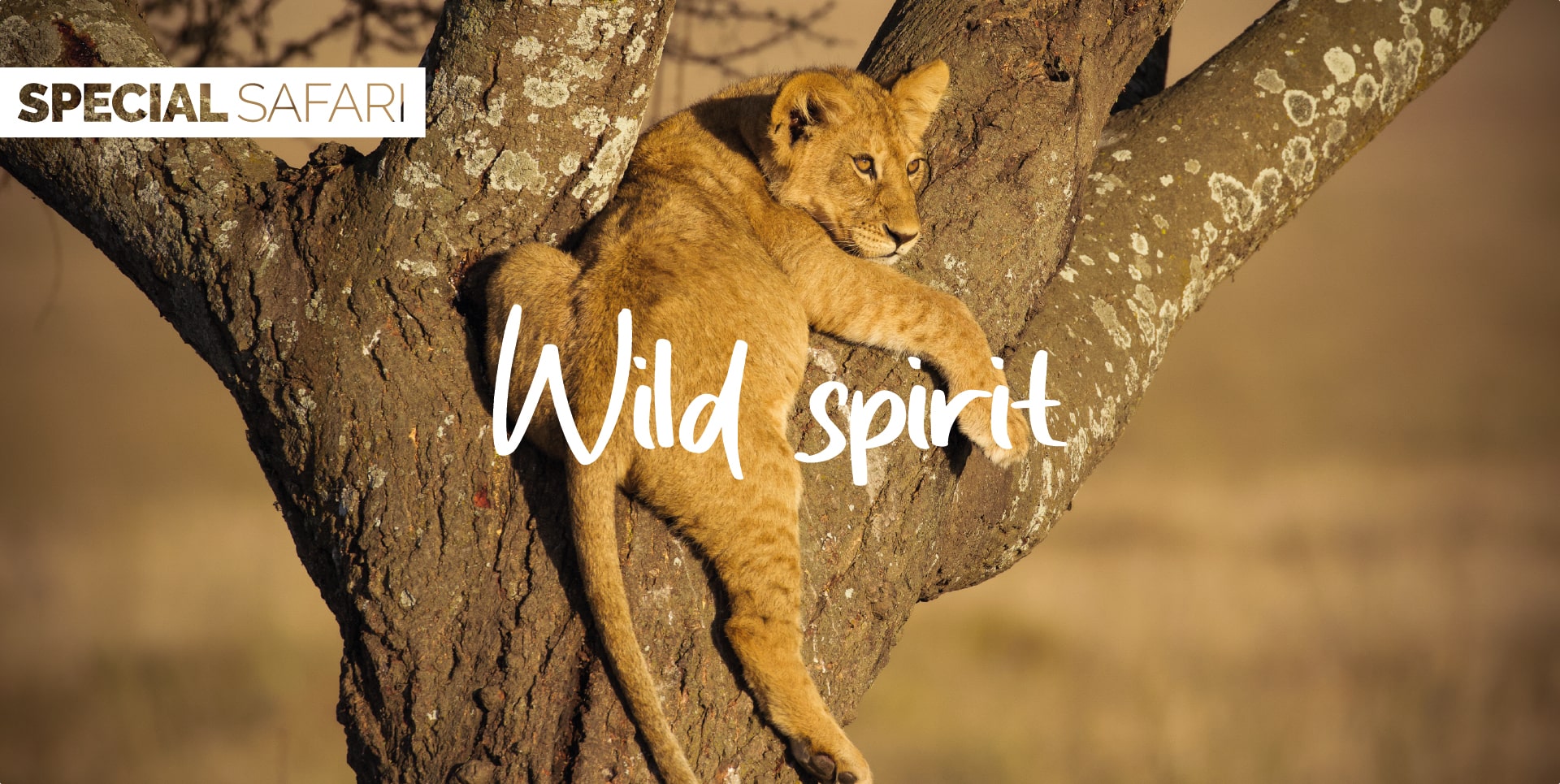
These complementary parks, often combined into a single itinerary, are famous for their impressive herds of elephant and buffalo. Tarangire, with its majestic baobabs and the river that runs through it, hosts extraordinary concentrations of elephants during the dry season, when thousands converge on the few available water sources. Lake Manyara, with its lacustrine environment, offers ideal buffalo habitats and boasts a peculiarity: the famous tree lions, which have developed the habit of resting on tree branches. Although the rhinoceros is virtually absent, leopards and elephants complete the picture, making these parks a valuable addition to any itinerary focused on the five large African mammals, especially for lovers of wildlife photography.
Choosing the best time of year for a safari focused on the five major players of the savannah requires careful planning. The cycle of the seasons in Tanzania significantly affects not only the likelihood of spotting certain species, but also the quality of the overall experience. Seasonal rains radically transform the landscape, vegetation and animal concentration, creating completely different scenarios throughout the year. While some of the mammals most sought after by travelers, such as buffalo and elephants, are relatively easy to spot in any season, other more elusive species such as leopard and rhinoceros require specific conditions to increase the chances of encounters. The decision will depend on the type of experience desired, photographic preferences and one’s tolerance for different weather conditions.
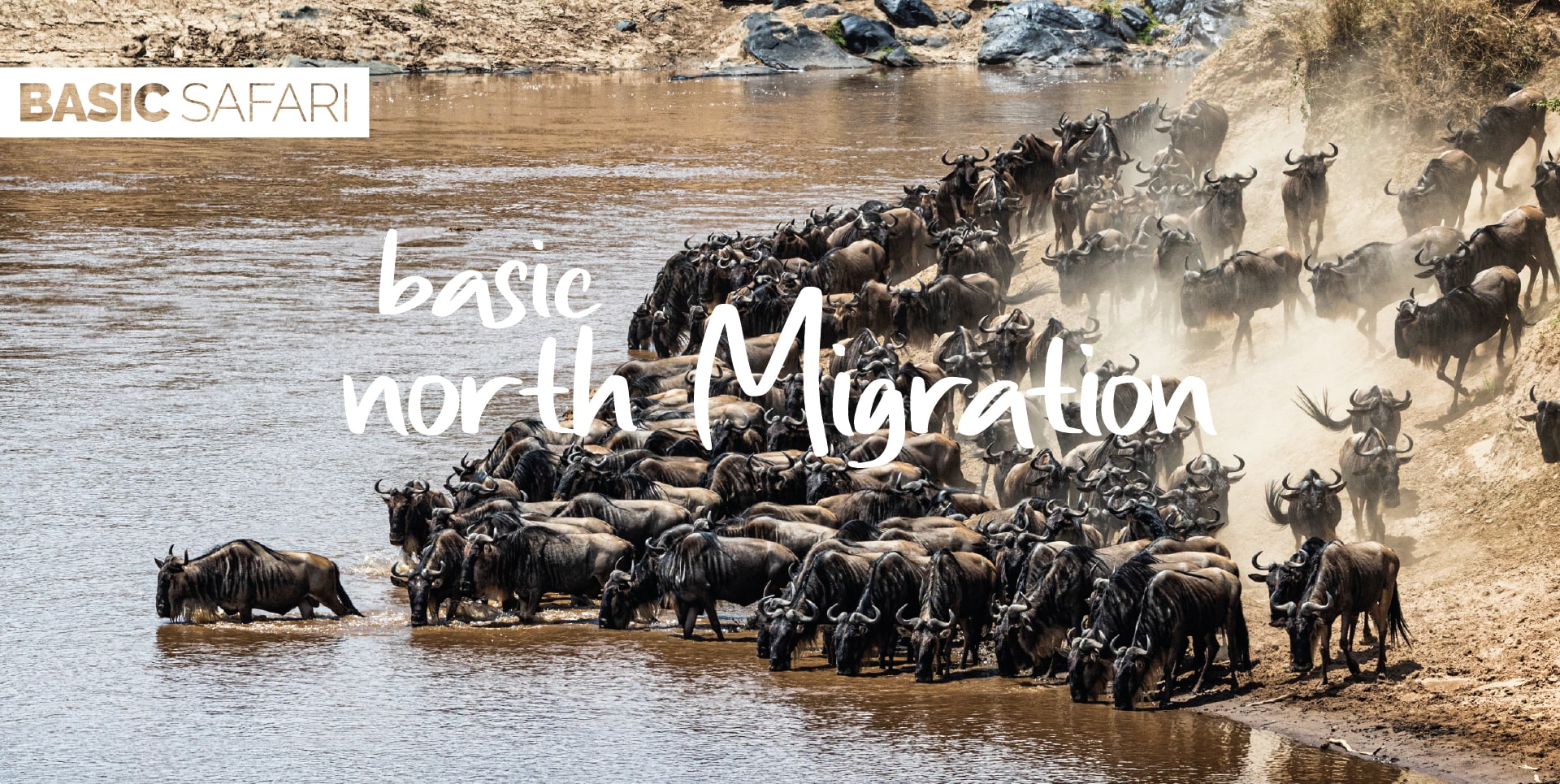
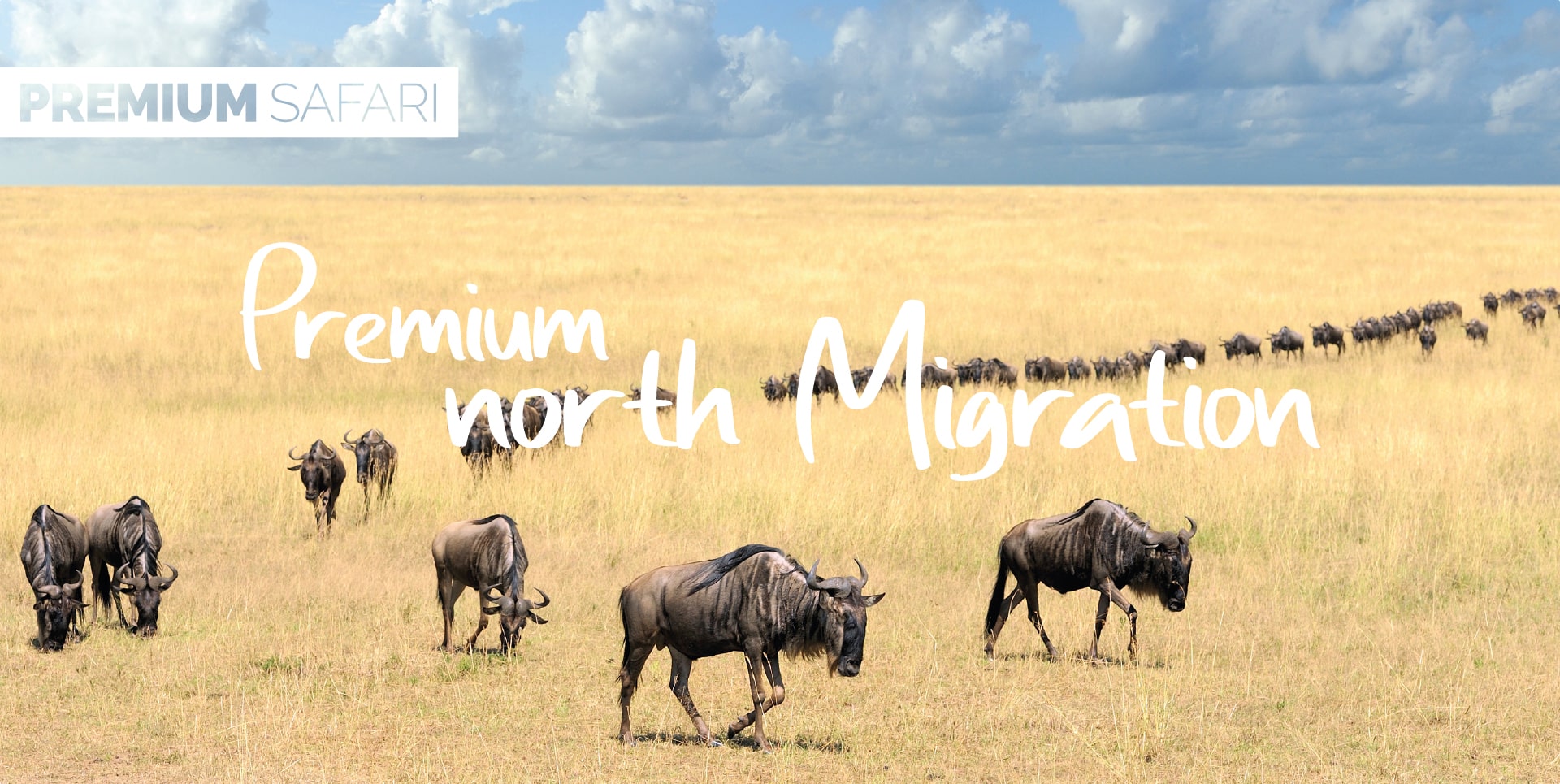
The dry season represents the classic and most reliable time for safaris dedicated to Africa’s big five animals. With virtually no rainfall, vegetation gradually thins out, offering exceptional visibility even at great distances. Animals concentrate around the few permanent water sources, making sightings more predictable and frequent. Leopards, notoriously difficult to spot, become more visible due to less leaf cover. Roads are easily passable, allowing them to reach even the most remote parts of the parks. This period coincides with the presence of the Great Migration in the northern Serengeti, adding the incredible spectacle of river crossings to the experience of searching for the most iconic predators.
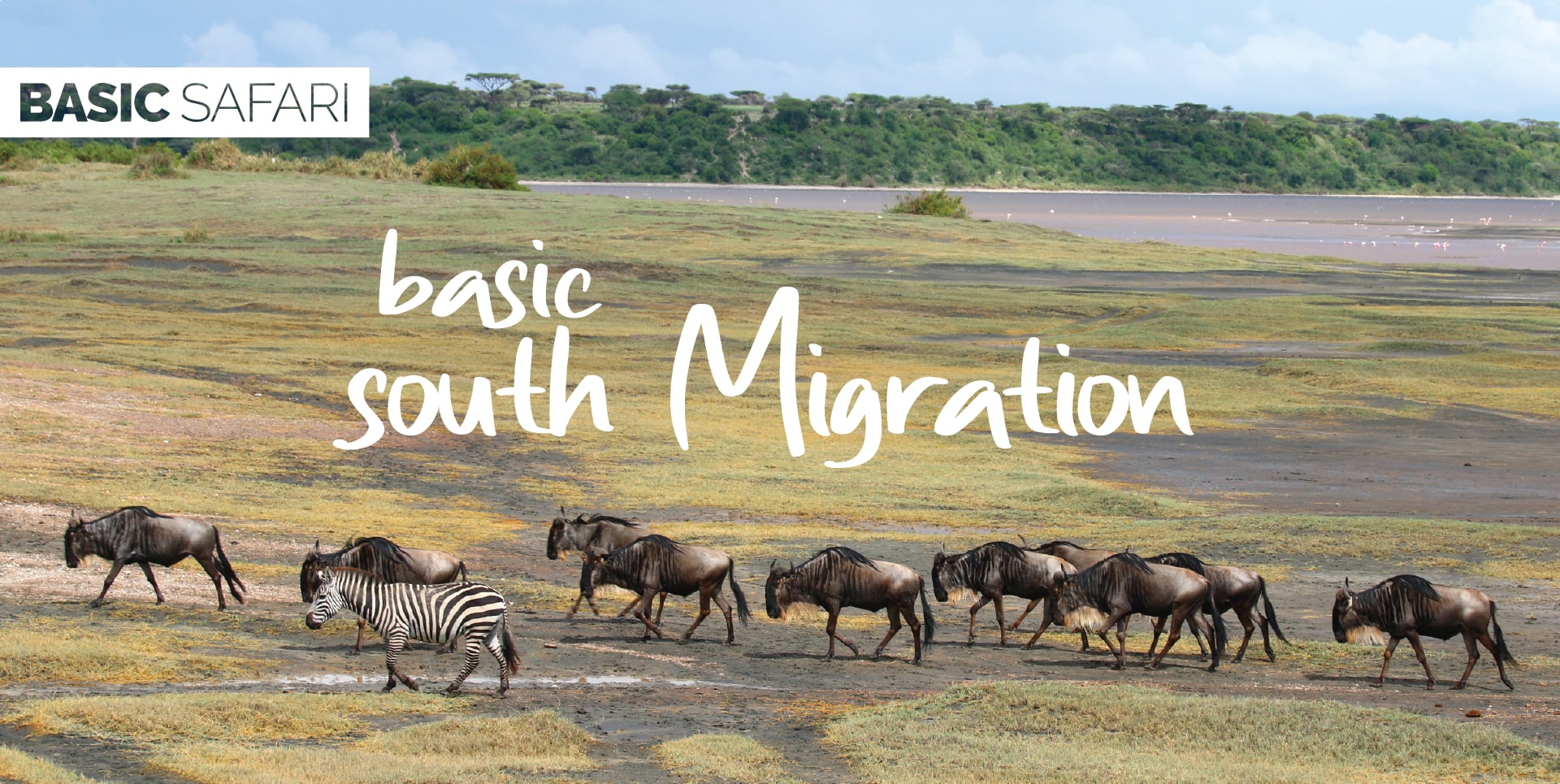
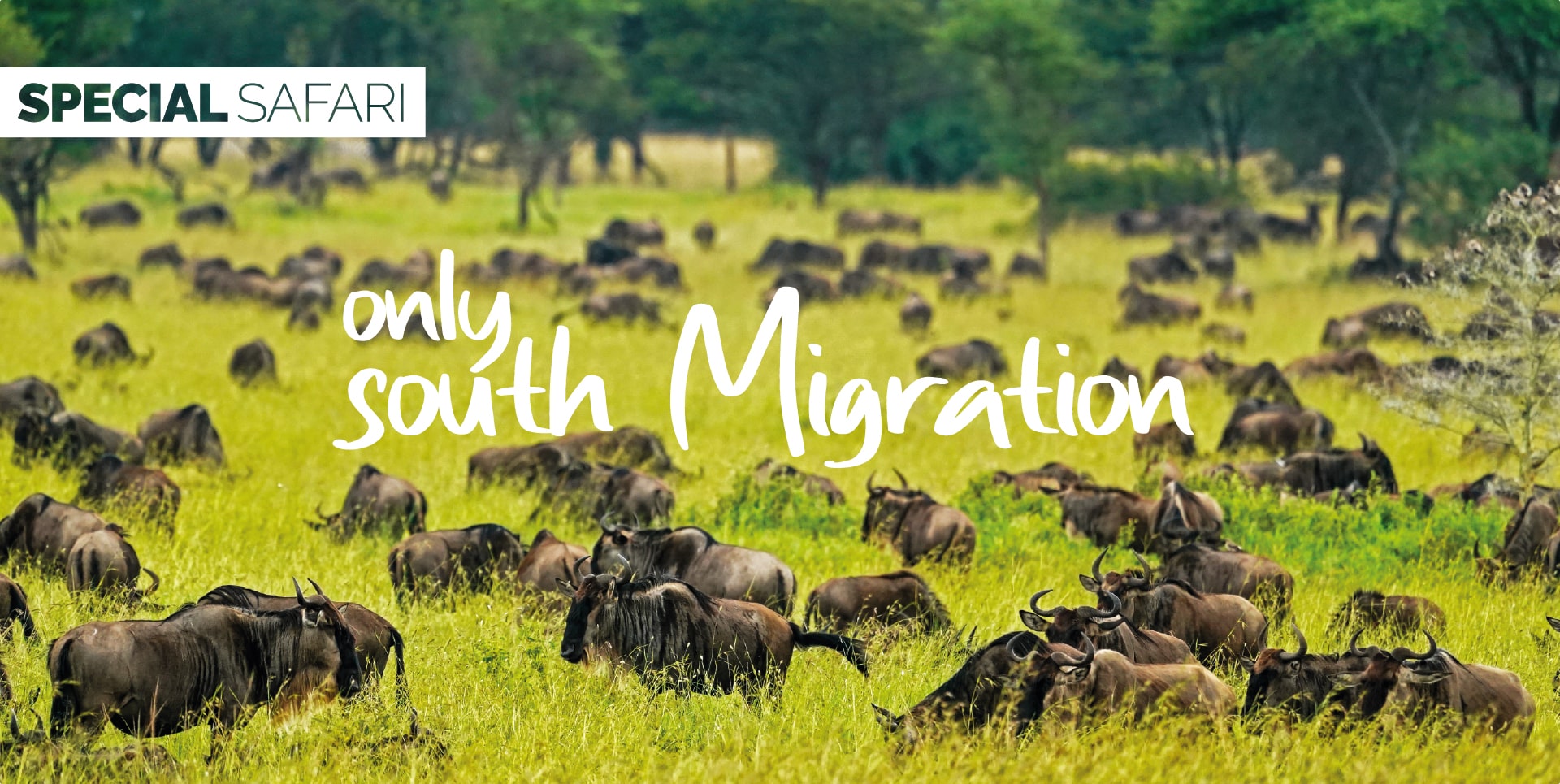
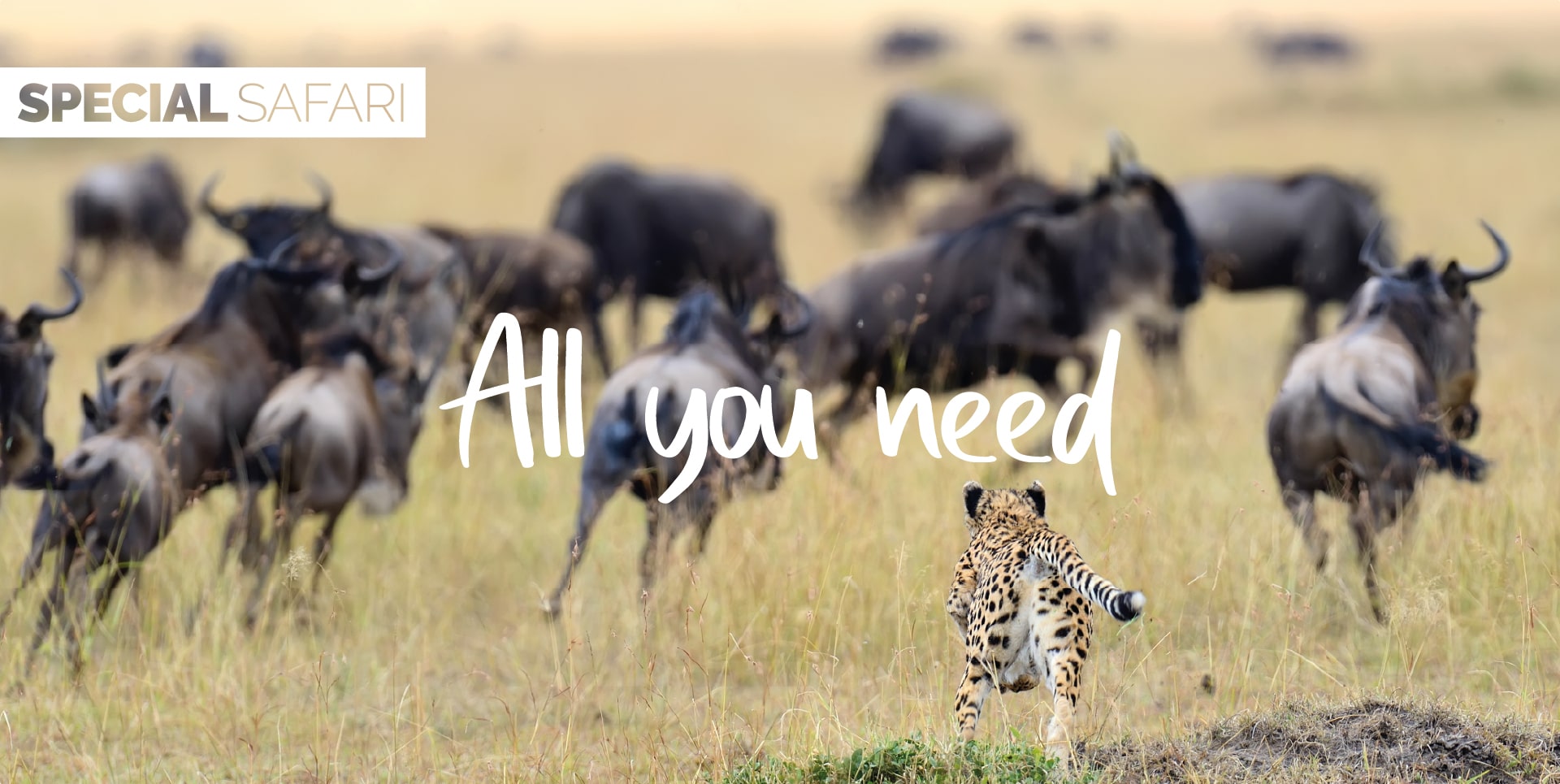
The green season, less frequented by tourists, offers unique perspectives for photographic safaris focused on large mammals. Short rains transform the savannah into a verdant mosaic rich in nutrients, attracting herds of herbivores in search of fresh pasture. This period coincides with the calving season for many species, including buffalo and antelope, which in turn attract predators. Lions are particularly active, offering more opportunities to observe hunting scenes. Lush landscapes create stunning photographic backdrops, with dramatic skies and softer light. In the southern Serengeti, predator concentrations reach exceptional levels during these months, following the migration of herbivores that gather on the plains to give birth.
The experience of a safari dedicated to spotting the five big African animals follows a well-tested structure, refined over time to maximise the chances of memorable encounters. Unlike a generic safari, these itineraries are specifically designed around the preferred habits and habitats of the most iconic species. The typical day is divided into strategic moments that respect the natural rhythms of the wildlife, with exits scheduled during the animals’ busiest hours. The logistical organisation is taken care of down to the smallest detail, from the vehicles used to the training of the guides, from the disposition of the participants to the time planning of the visits to the different sectors of the national parks.
At the heart of the experience are luxury Tanzania safaris with morning and afternoon game drives, when the guides use their in-depth knowledge of the terrain to locate even the most elusive species. Departures take place before dawn, when predators such as lions and leopards are still active after the night hunt. The guides, equipped with radios and in constant communication with other jeeps, know exactly where and how to position themselves for optimal sightings, always keeping a safe distance so as not to disturb the animals. Each safari is customised on a daily basis according to the latest rhino or leopard news, with flexible itineraries that can be quickly modified to take advantage of exceptional opportunities.
The search for the great protagonists of the savannah is particularly effective when conducted in small groups or with exclusive formulas. Private safaris offer the ultimate in flexibility, allowing time for extended observation of rare behaviour or significant interactions, without the pressure of having to cater for different needs. The vehicles used are generally 4×4 jeeps with sunroofs or fully open at the top, configured to provide each participant with an optimal view and sufficient space for photographic equipment. This formula allows the experience to be completely customised, focusing on the species of most interest, whether it be spending hours observing a pride of lions, or patiently waiting for an elusive leopard to appear.
Planning the ideal itinerary for spotting the “Big Five” African mammals requires a balance between different destinations, each with their own wildlife specialities. The experience of safari tour operators suggests that a minimum of 5-7 days is the optimal duration to have a good chance of completing the “Big Five” list. The strategic combination of parks on Tanzania’s northern circuit offers the most efficient route, with stops designed to maximise encounters with different species. The choice of itinerary will also depend on the season of the trip, the available budget and personal preferences in terms of scenery and comfort, with safari offers in Tanzania to suit different needs.
For those with limited time, a 4-5 day safari focused on the Ngorongoro Crater and surrounding areas is the most efficient solution. This type of itinerary typically includes a full day in the crater, where the chances of spotting all five protagonists in a single day are significantly high. The itinerary is completed with visits to Lake Manyara for buffalo and tree lions, and to Tarangire for impressive concentrations of elephant. This compact formula reduces transfer times between parks, optimising the hours dedicated to observation. Although shorter, this type of safari offers an intense and satisfying experience, ideal for combination with Zanzibar beach holidays.
Safaris of 8-10 days are the ideal solution for a complete and relaxed experience. These extended itineraries allow for in-depth exploration of the Serengeti, dedicating at least 3-4 days to different parts of the park to maximise the chances of encountering leopards and lions in spectacular natural settings. The inclusion of less visited areas such as the western part of the Serengeti or the Grumeti Reserve adds exclusivity to the experience. The main advantage of these tours is the more relaxed pace, which allows time for prolonged animal observation, significantly increasing the likelihood of witnessing interesting behaviour and rare interactions between the different species that inhabit the Tanzanian savannah.
The search for the five great protagonists of the savannah is an experience that succeeds in satisfying multiple types of travellers, thanks to its ability to combine excitement, authenticity and privileged contact with the wilderness. This type of safari offers a clear and compelling objective that adds an element of structured adventure to the exploration of African parks. The experience is particularly rewarding for those who wish to experience close encounters with the most charismatic and representative species of the African ecosystem. The variety of accommodations available, from sophisticated luxury to the authenticity of tented camps, makes this type of trip accessible to different audiences, who can enrich the adventure with a stay in Zanzibar: the island of colours, perfumes and flavours. Safari tours dedicated to the most iconic predators are also perfectly suited to those seeking meaningful photographic experiences, offering extraordinary subjects in natural settings of incomparable beauty. The structured but flexible organisation of these tours allows time to observe and document complex behaviour, making each day full of potential memorable shots. The diversity of environments visited during these safaris, from open plains to forested areas, from rocky areas to wetlands, ensures scenic and narrative variety to the images collected during the trip.
For those new to the African continent, a safari dedicated to the most sought-after mammals offers the ideal introduction to the world of wildlife. The structured search for these iconic species guarantees a complete and satisfying experience even for those visiting Africa for the first time. Beginners particularly appreciate the variety of meaningful encounters that this type of safari ensures, with the near certainty of returning home with memories of extraordinary sightings. The experienced guides who accompany these tours are used to introducing novices to the African ecosystem, explaining behaviour and curiosities that deeply enrich the experience. Honeymoon couples find this type of safari the perfect balance of adventure and romantic moments, with accommodation that often includes exclusive services designed to celebrate the special occasion.
Families with teenagers find the “Big Five” safaris an extraordinary educational opportunity to stimulate interest and wonder in young travellers. The thrill of completing the list of the five big animals transforms the experience into a kind of educational treasure hunt, keeping the attention of even the youngest participants high. For wildlife enthusiasts and nature photographers, these safaris provide a unique opportunity to observe and document complex behaviour and interactions between Africa’s most charismatic species. The presence of expert naturalist guides, often specialising in particular species or behaviour, allows for in-depth study of specific aspects of ecology and conservation. The structured but flexible format of these safaris is perfectly suited to the needs of those who wish to spend more time with certain species or in particularly favourable photographic contexts.
There is something deeply primordial in the encounter with the five great protagonists of the African savannah, an emotion that transcends mere naturalistic observation to touch ancestral chords in the human soul. When the mighty roar of a lion rips through the silence of dawn, or when the piercing gaze of a leopard crosses ours from atop an acacia tree, an authentic connection is created with the wilderness that many describe as transformative. These encounters evoke a sense of wonder and respect that belongs to the very essence of humanity, a reminder of our evolutionary history and deep connection to the natural world. Beyond the photographs and stories, what lingers in the memory is that unique feeling of privilege and humility that one experiences when standing just a few metres from such powerful and majestic creatures in their natural environment.
Completing the sighting of all five of travellers’ most sought-after mammals is a symbolic moment that profoundly marks the African experience. Each encounter tells a different story: the peaceful majesty of elephants that communicate through infrasound imperceptible to the human ear, the explosive power of the buffalo that can accelerate from a standstill to 50 km/h in seconds, the lethal elegance of the leopard that moves like a shadow through the vegetation. These animals embody archetypal qualities that resonate with our deepest psyche: strength and vulnerability, beauty and ferocity, intelligence and pure instinct, creating an emotional mosaic of extraordinary intensity that remains imprinted long after the journey is over.
The experience of a safari dedicated to the great African animals represents the very archetype of the African adventure, a dream that many cherish for years before realising it. There is a reason why these five protagonists continue to exert an unchanging fascination over time: they embody the most authentic essence of the continent, its wild and untamed spirit. When the sun sets over the savannah, tinging the profile of a lone elephant with gold, or when the guide’s attentive eye spots the camouflaged silhouette of a leopard, an Africa that corresponds perfectly to our deepest imagination materialises before our eyes, giving us that rare sensation of being exactly where we should be, privileged witnesses to a natural spectacle of incomparable beauty.