Tanzania represents an unspoilt paradise for nature photographers, where the vastness of the landscapes blends with the intensity of the wildlife to create a unique visual alchemy. A photographic safari in these ancestral lands transcends mere sightseeing, becoming a total immersion in the art of anticipation and contemplation.
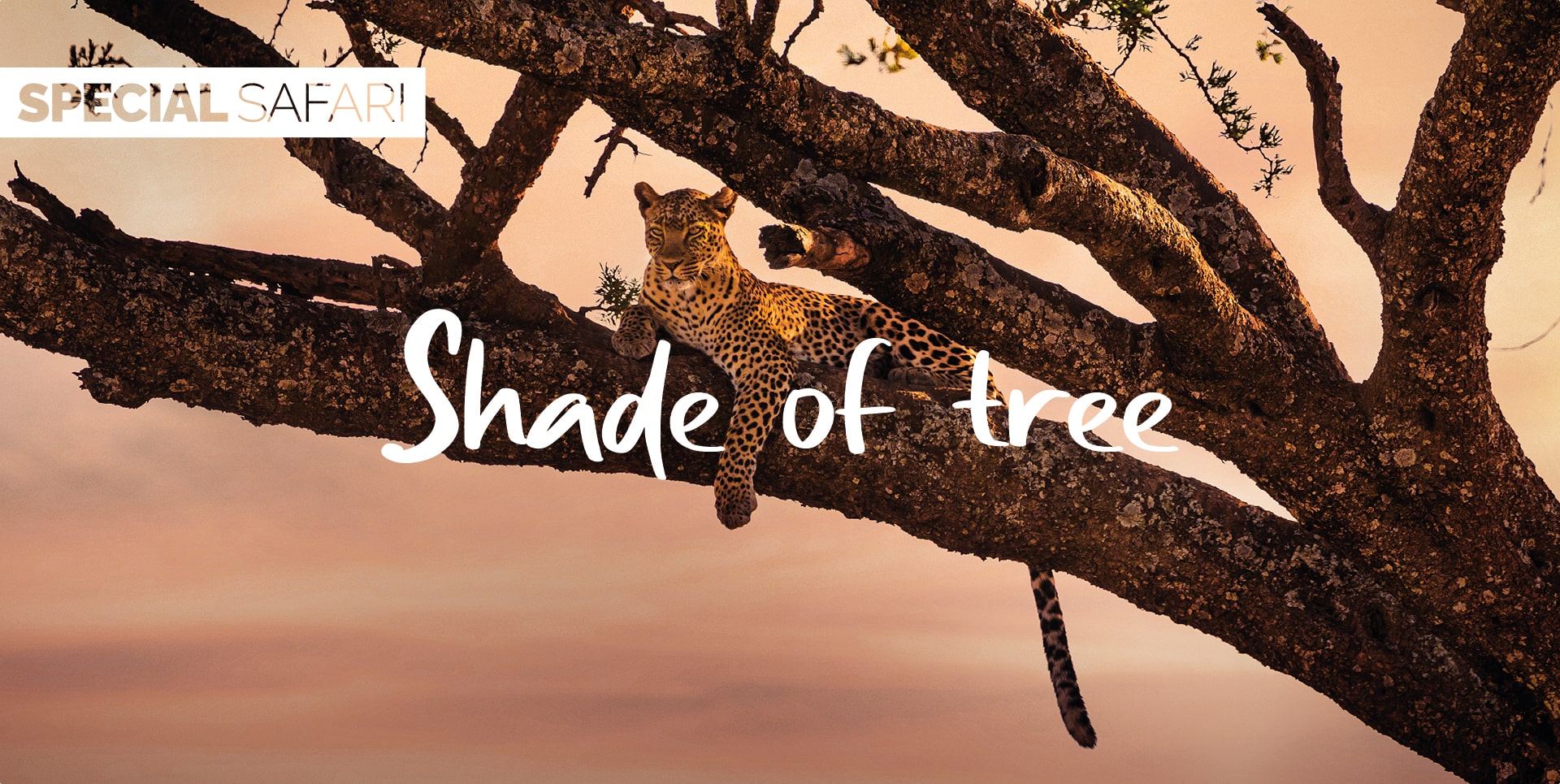
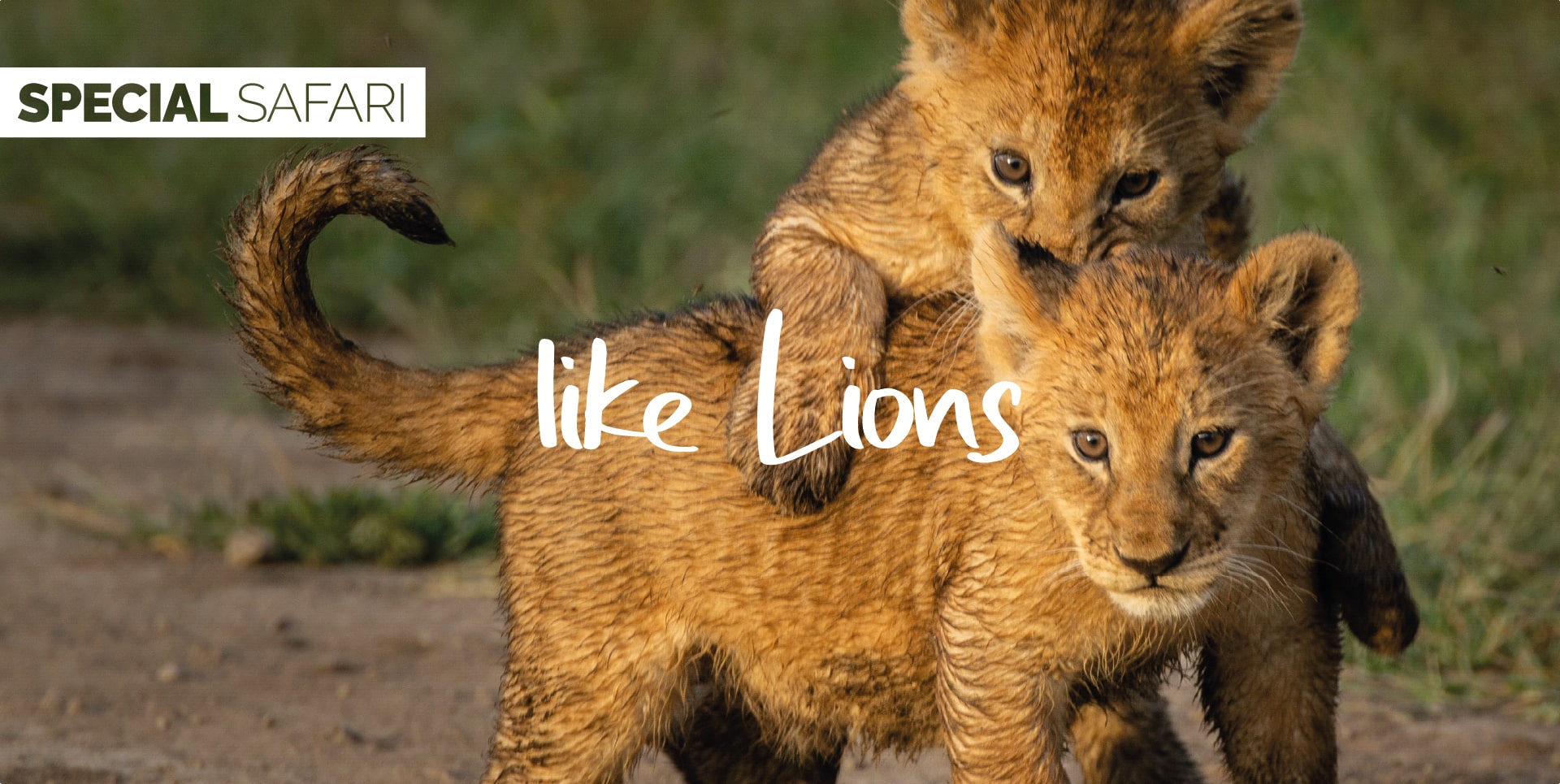
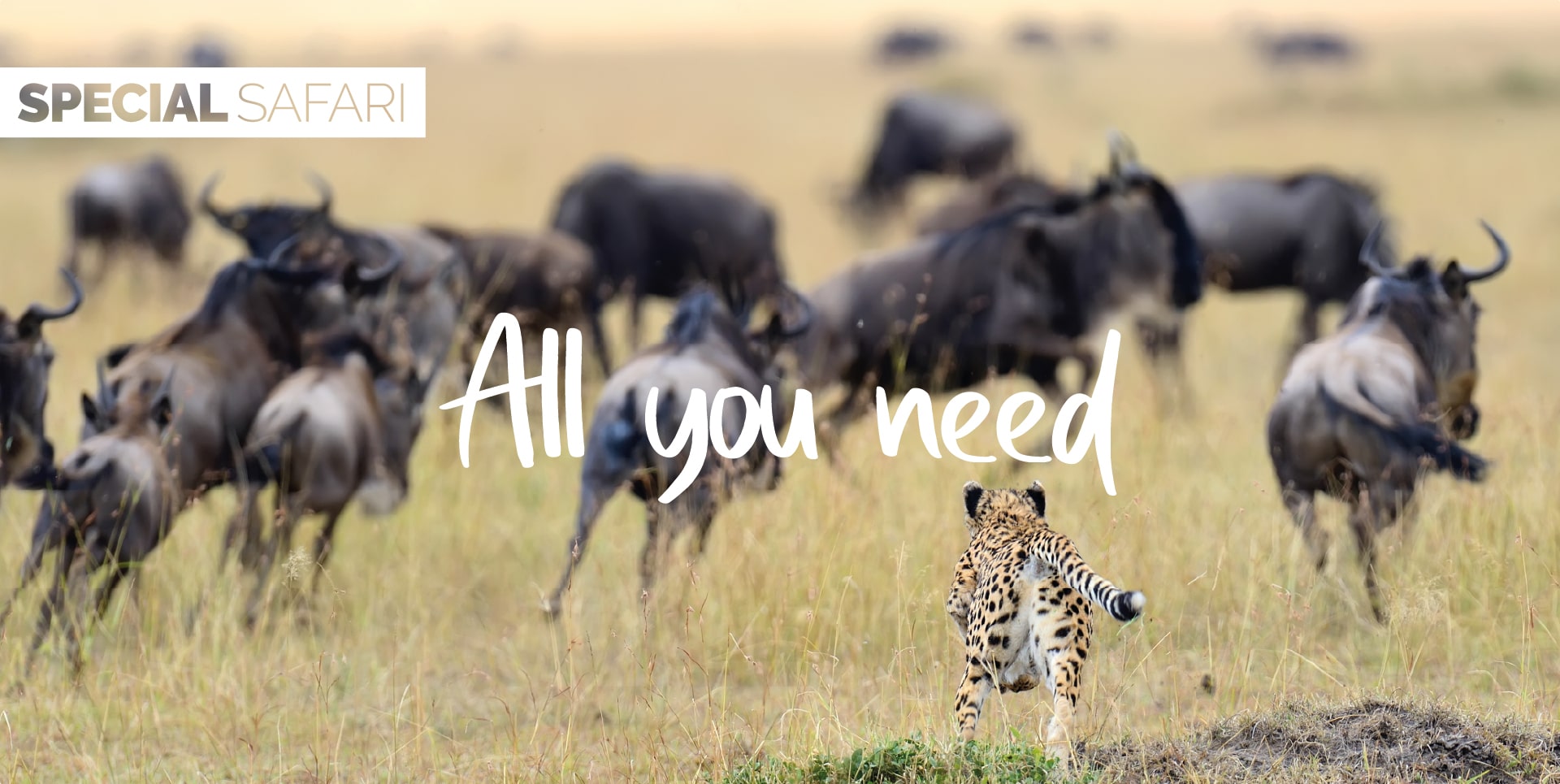
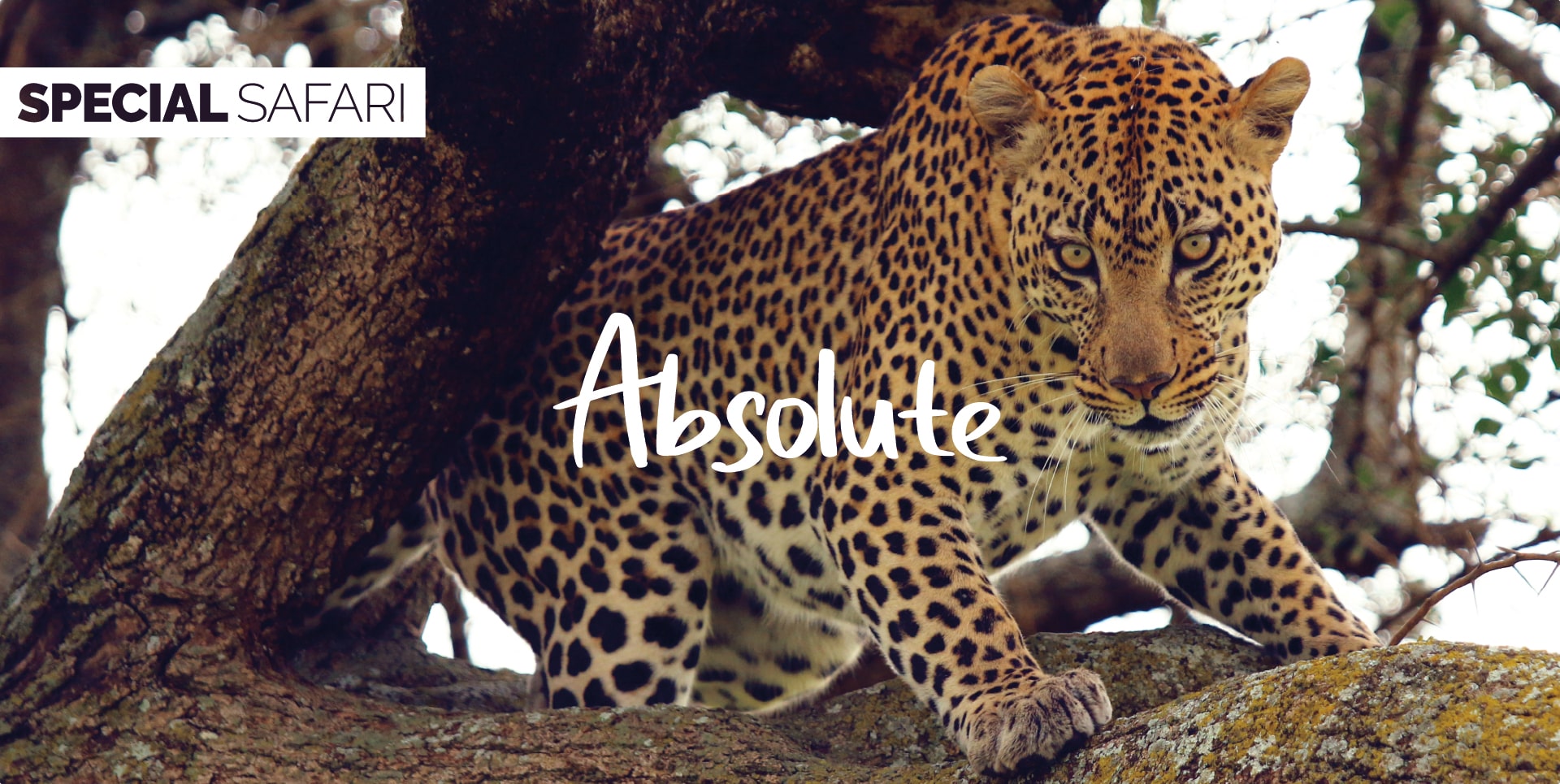
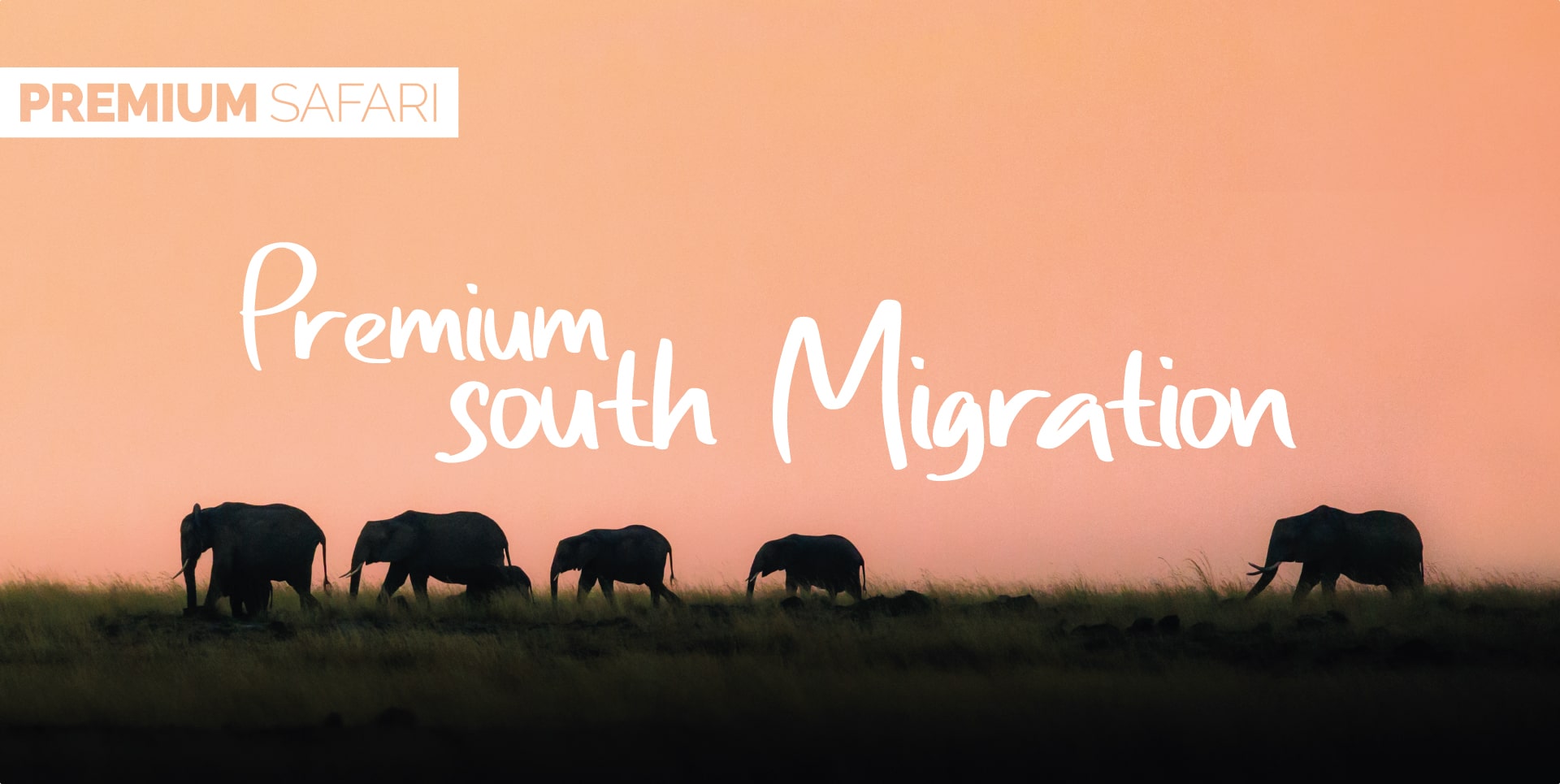
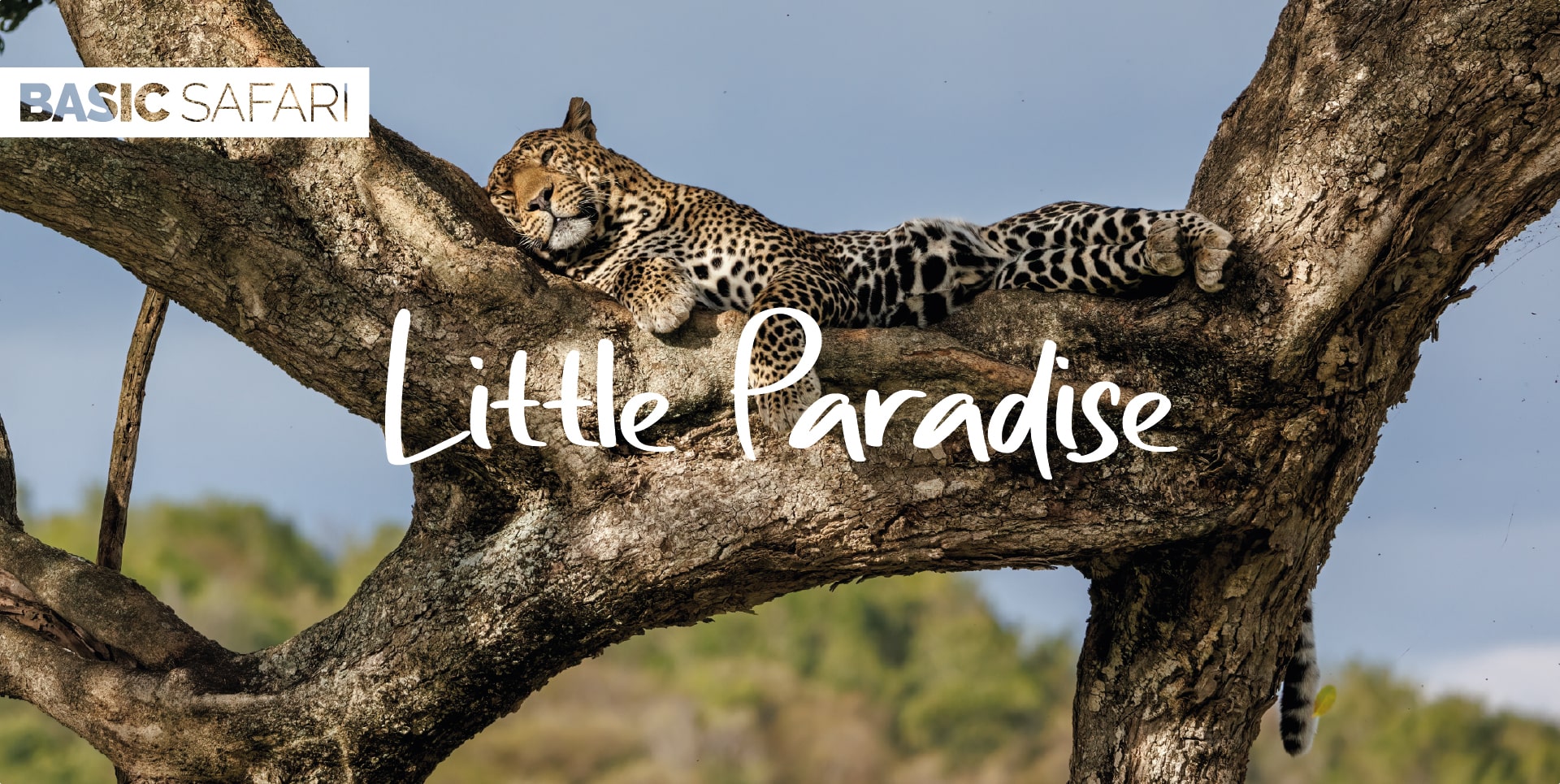
The silence of dawn over the savannah, when golden light filters through the dust suspended in the air, slowly reveals the contours of a leopard perched on an acacia tree. It is in these moments of pure visual magic that the lens becomes an extension of the gaze, capable of capturing not just images but authentic emotions.
The photographic safaris are distinguished by their cadenced rhythm: modified vehicles, strategic departures and specialised guides who know how to anticipate the animals’ movements. Every element is orchestrated to offer the photographer unique opportunities to capture the wild soul of East Africa.
Tanzania emerges as a destination of choice for nature photographers thanks to an ecosystem that seems designed specifically to be immortalised. With over 15 national parks and reserves, this country offers a diversity of scenery and subjects that few other places in the world can match. Choosing a safari in Tanzania for photography represents an investment in the excellence of the visual experience, where each day promises memorable encounters with wildlife in ideal light conditions.
The quality of light in Tanzania possesses almost mythical characteristics. The golden intensity of sunrise and sunset transforms even the simplest of shots into an image of extraordinary emotional power. The clear atmosphere of the highlands creates those defined rays that draw long shadows in the images. Tanzanian landscapes offer unique backdrops: from the endless plains of the Serengeti, to the morning mists of the Ngorongoro, to the majestic baobabs that dot Tarangire like ancient sentinels.
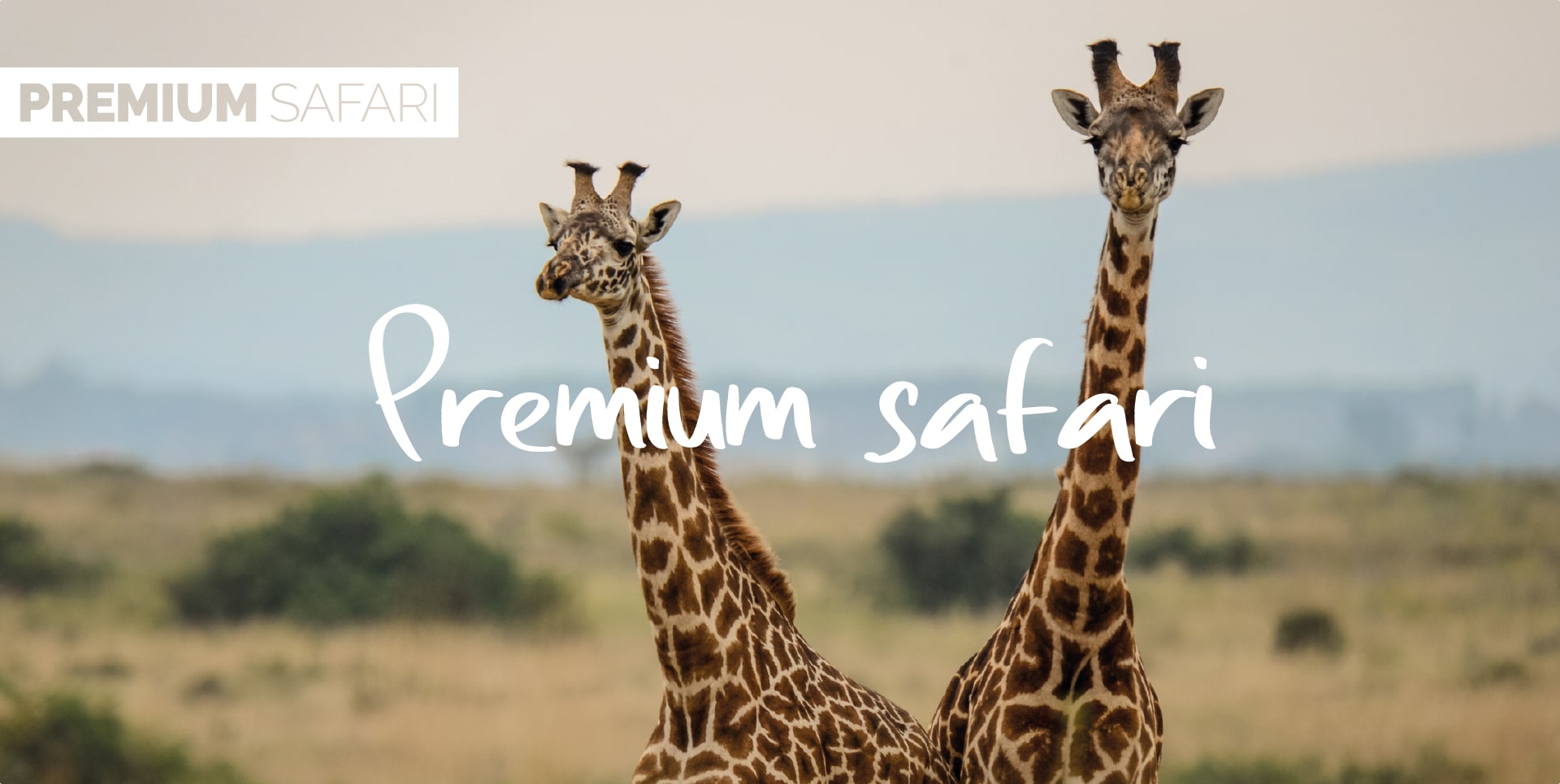
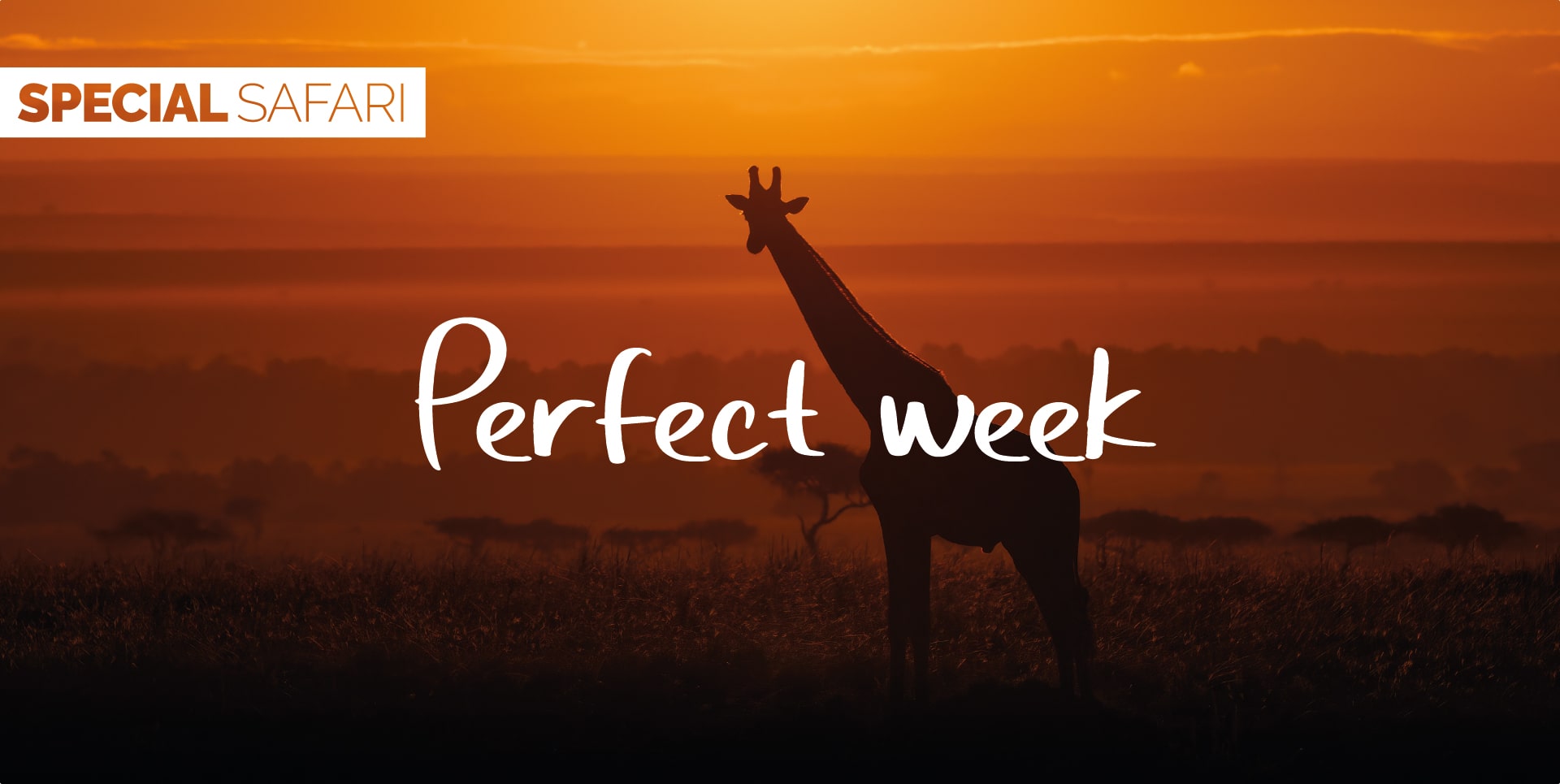
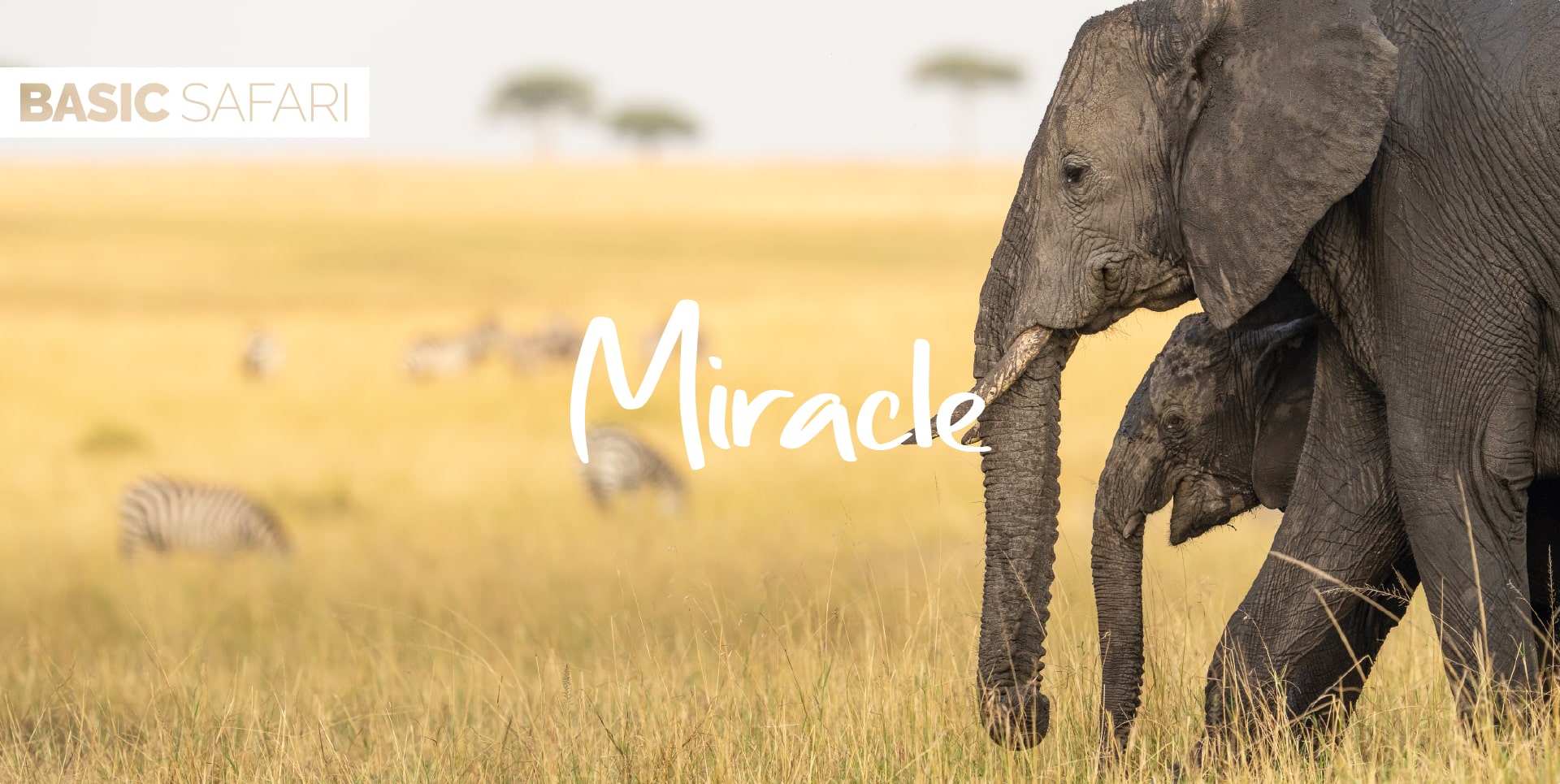
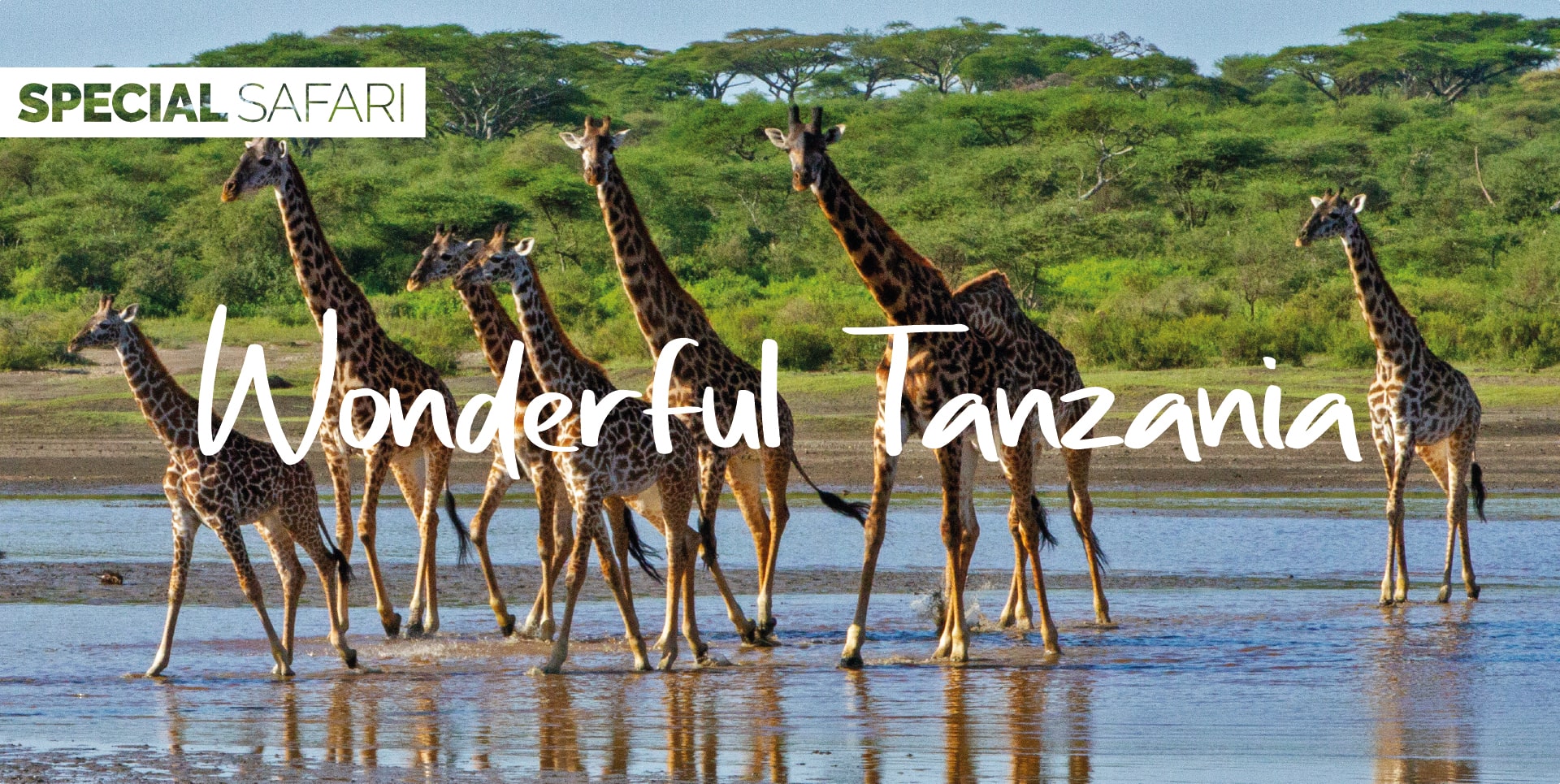
What makes the photographic experience unique is observing and capturing animals in a completely untouched natural habitat. Authentic wildlife scenes can still be witnessed here. The abundance of species exceeds all expectations: from big cats caught in the act of hunting, to giraffes silhouetted against endless skies, to elephants moving majestically across the savannah. The complex social behaviour offers invaluable photographic opportunities in an authentic Africa, far removed from tourist stereotypes.
Tanzania offers an extraordinary diversity of ecosystems, each with unique characteristics for wildlife photography. The most famous parks guarantee encounters with iconic species, while less-travelled areas surprise with pristine scenery and moments of rare authenticity. A photographer exploring these lands can build a diverse portfolio, capturing the essence of wild Africa through complementary landscapes and subjects. The geographical layout of the parks also allows several destinations to be combined into one trip, optimising photographic opportunities according to the seasons and movements of the wildlife.
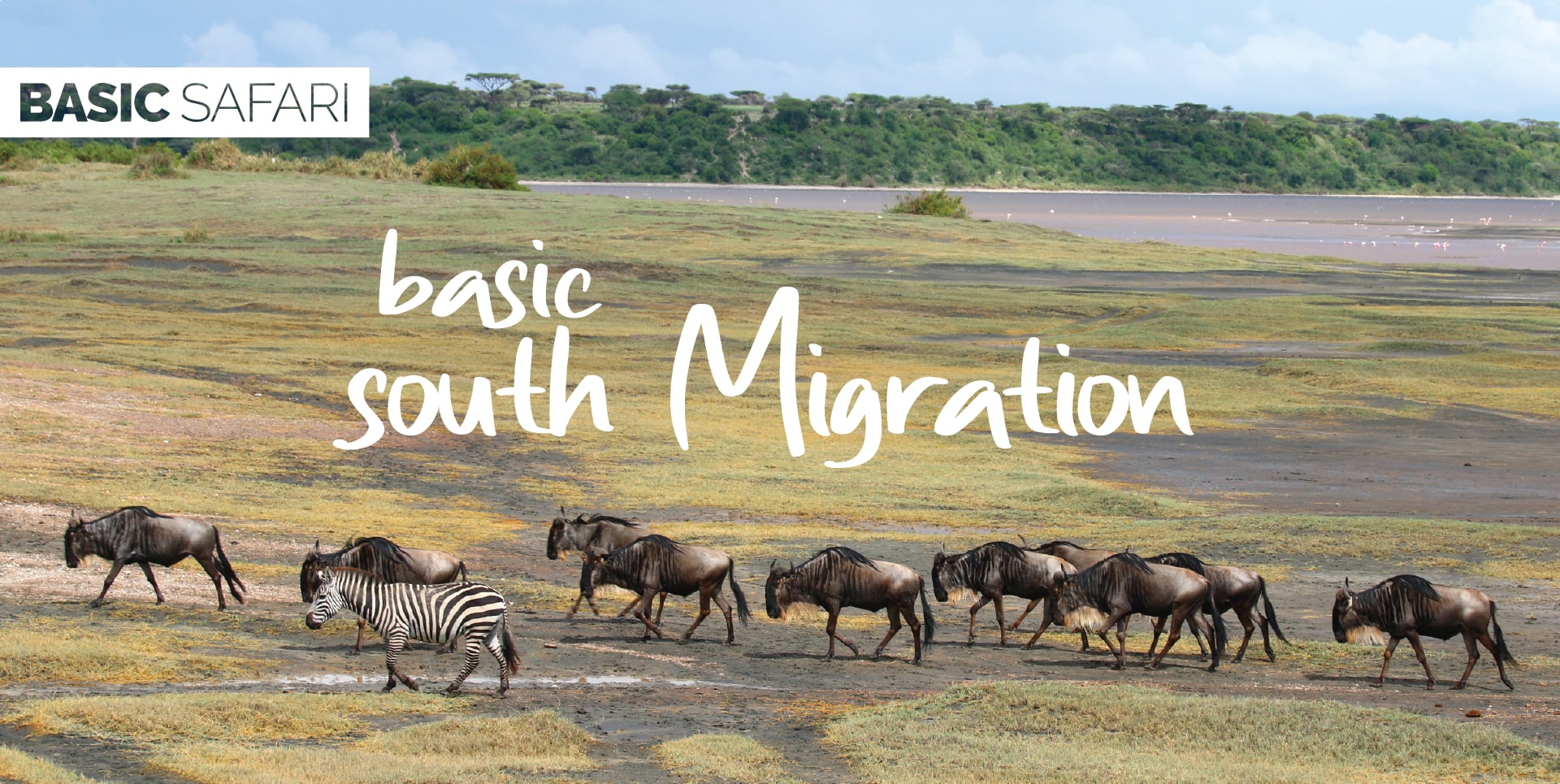
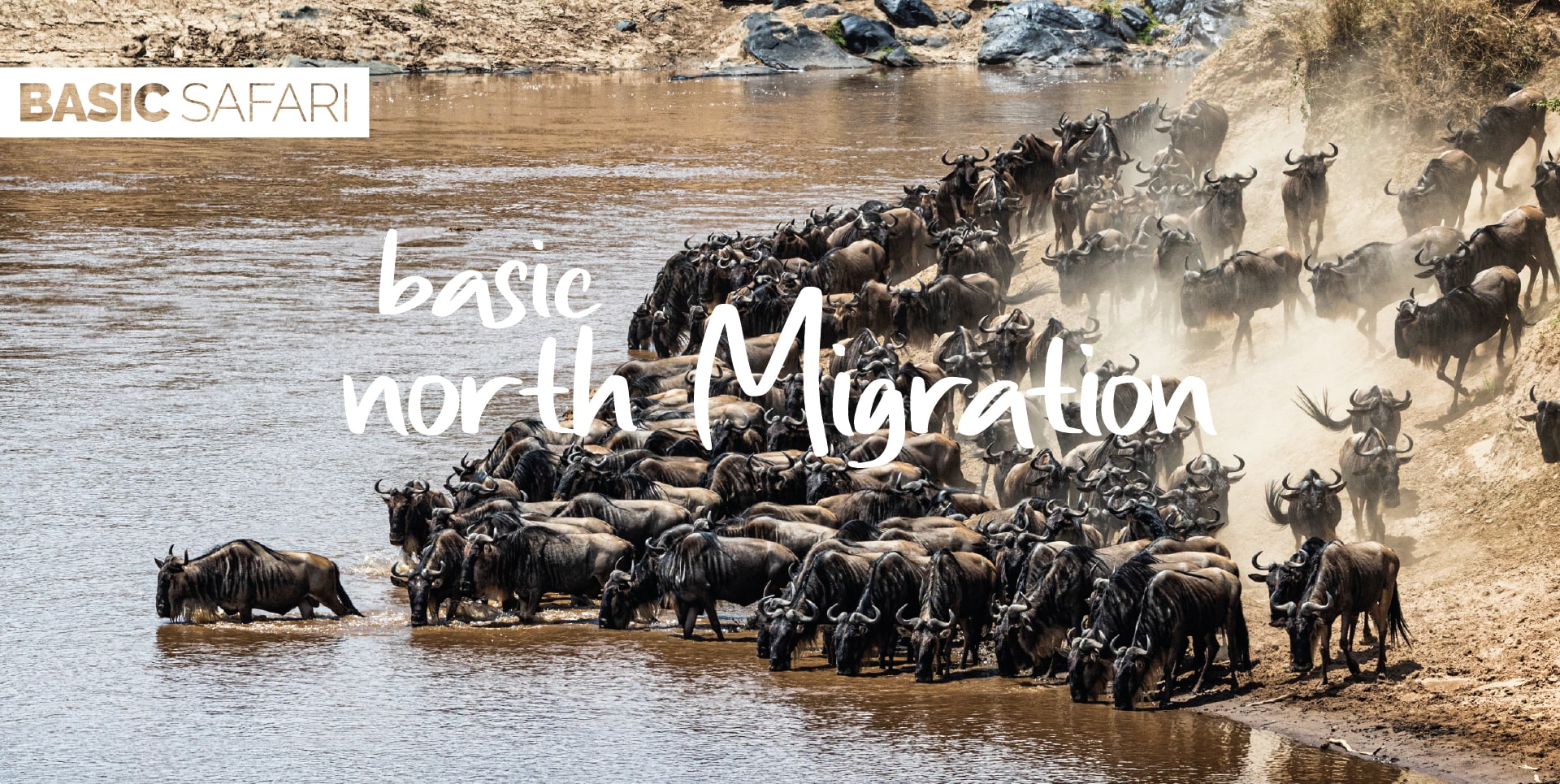
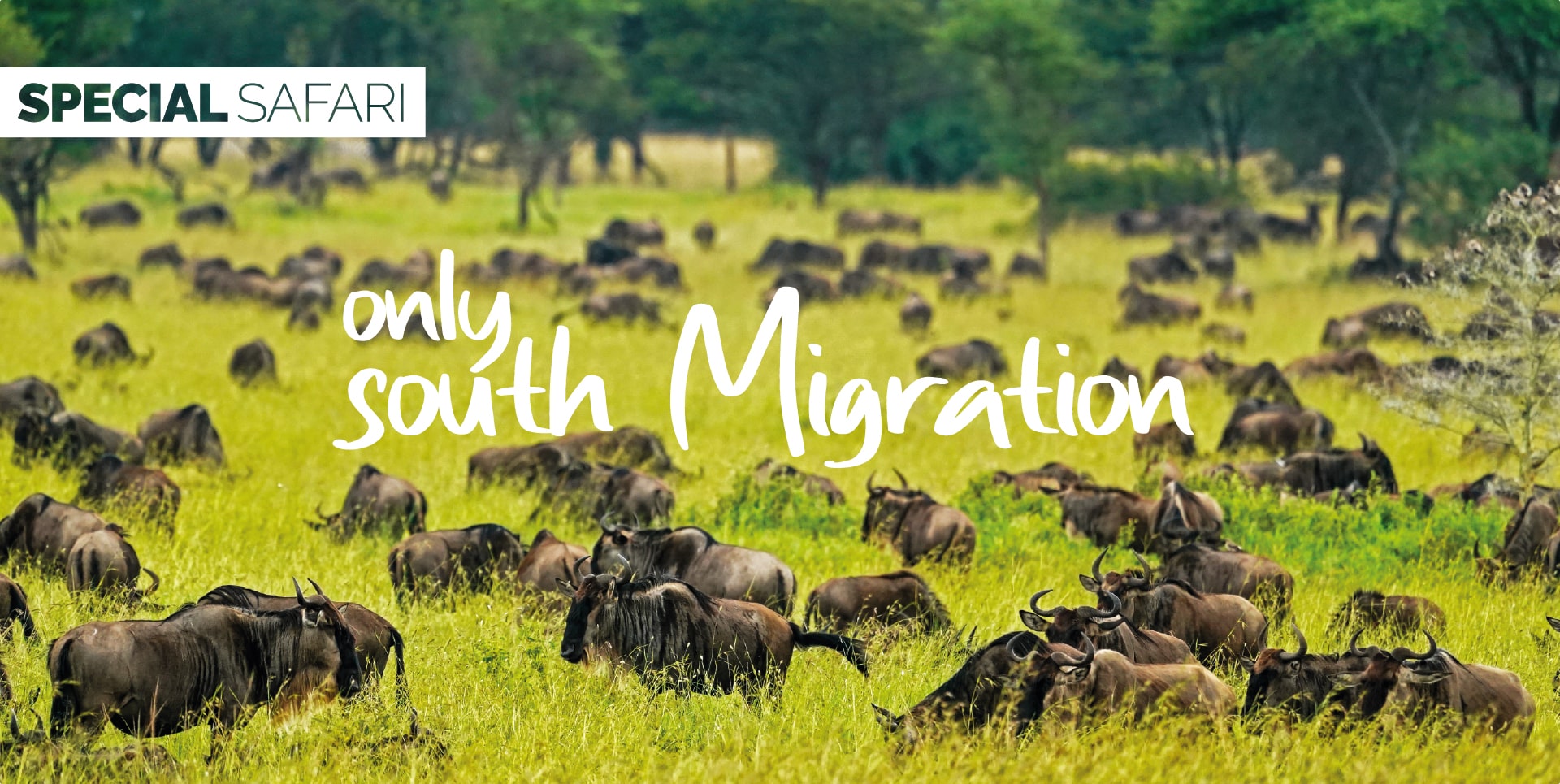
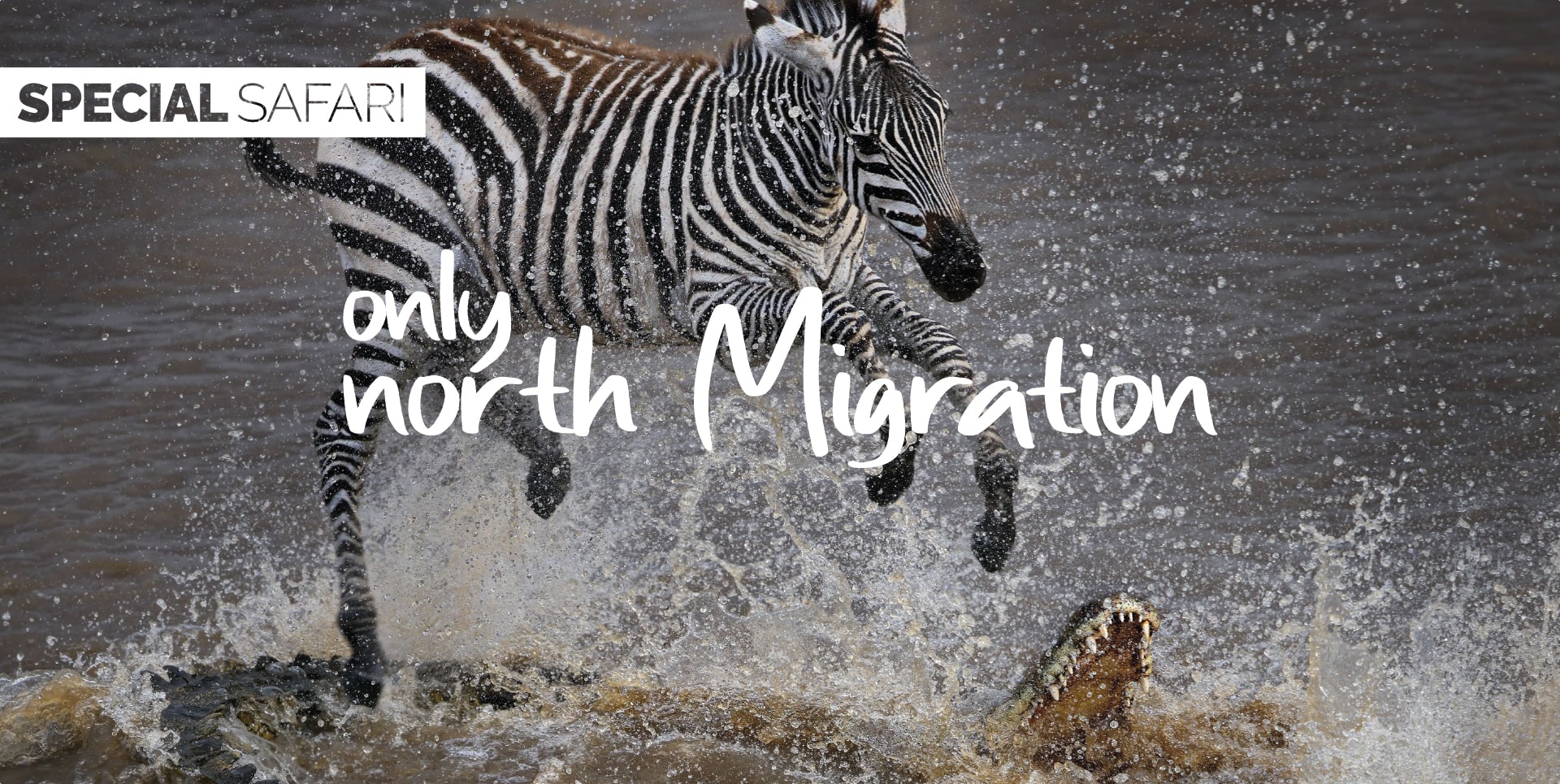
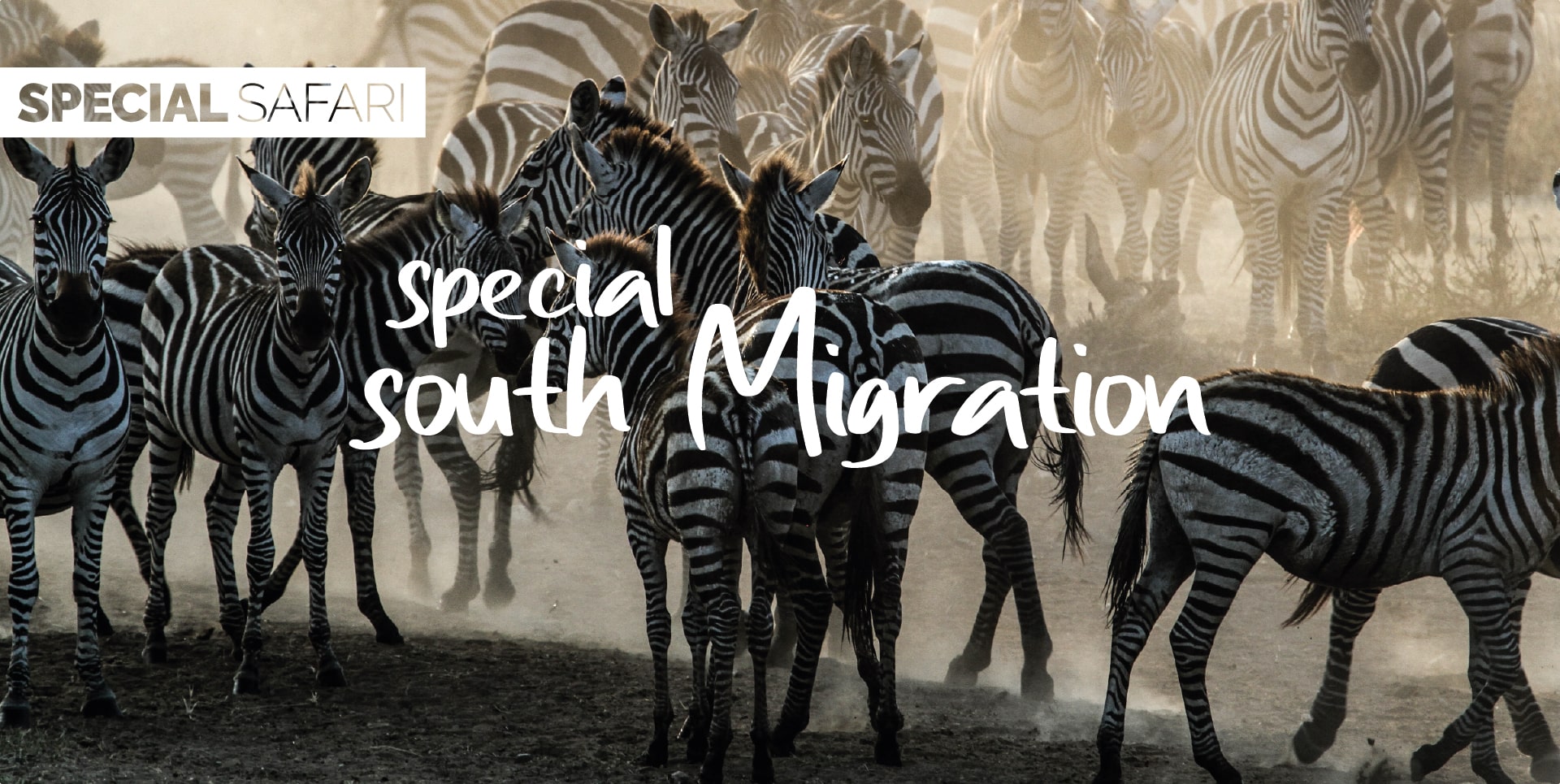
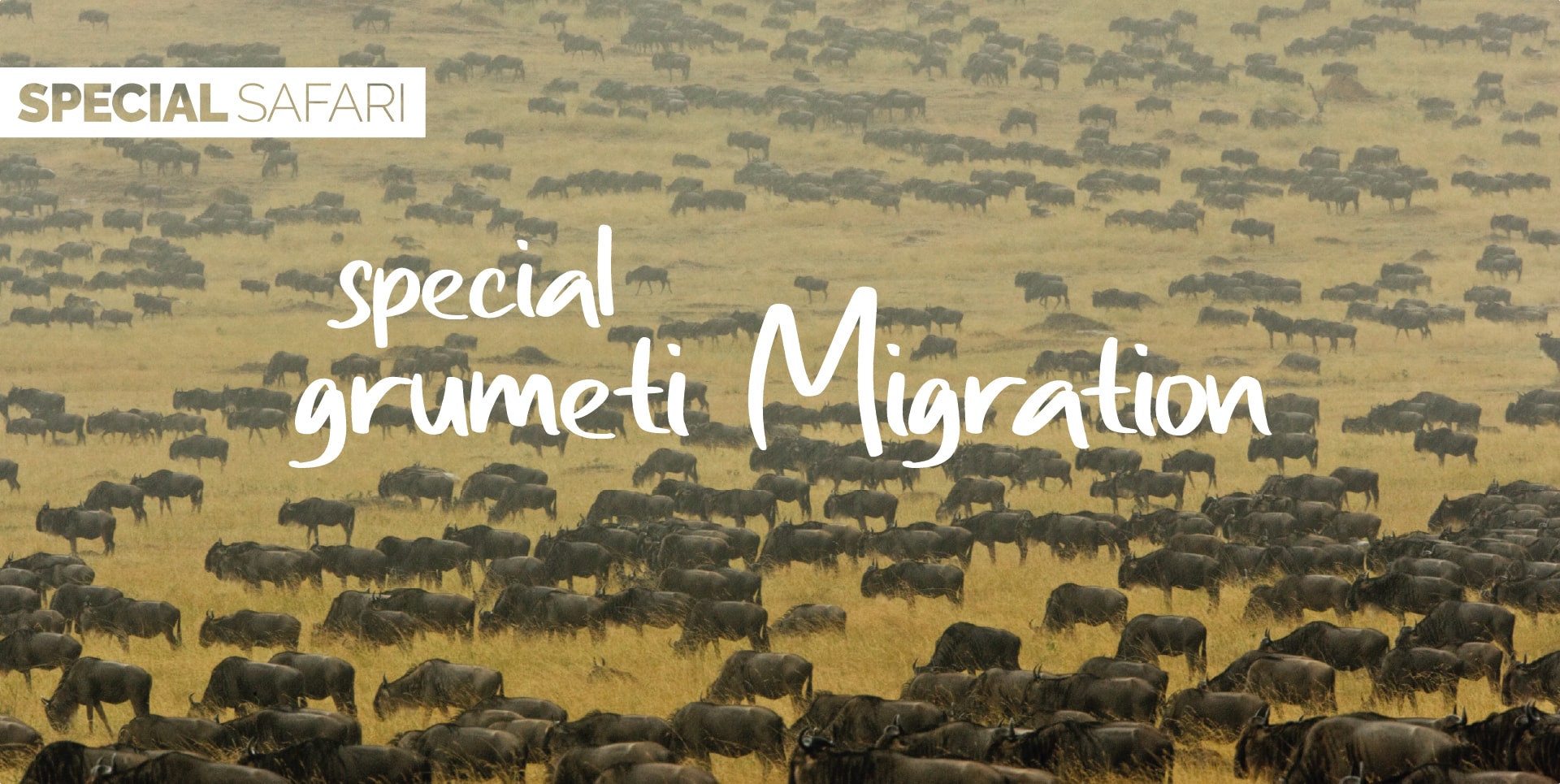
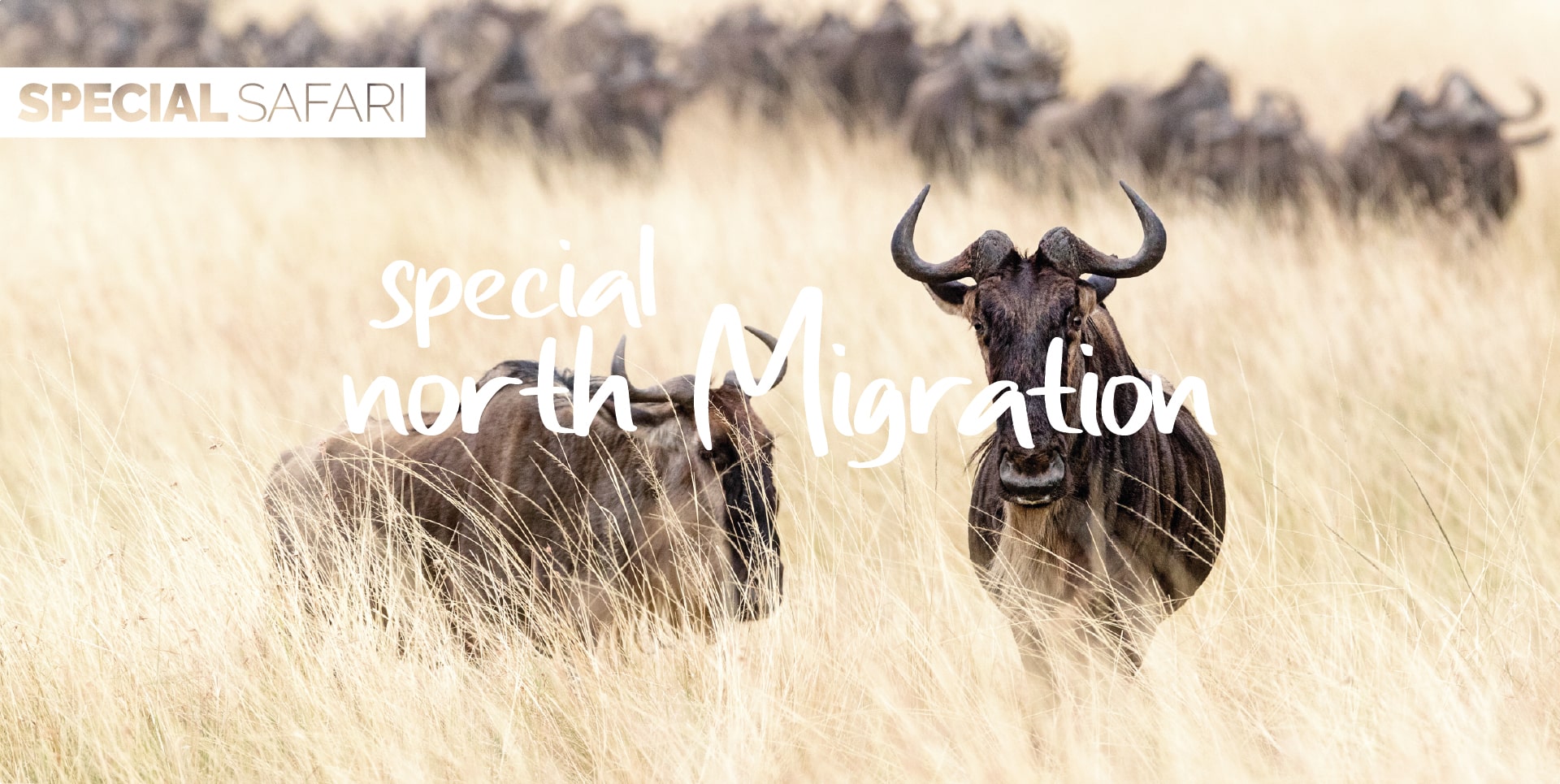
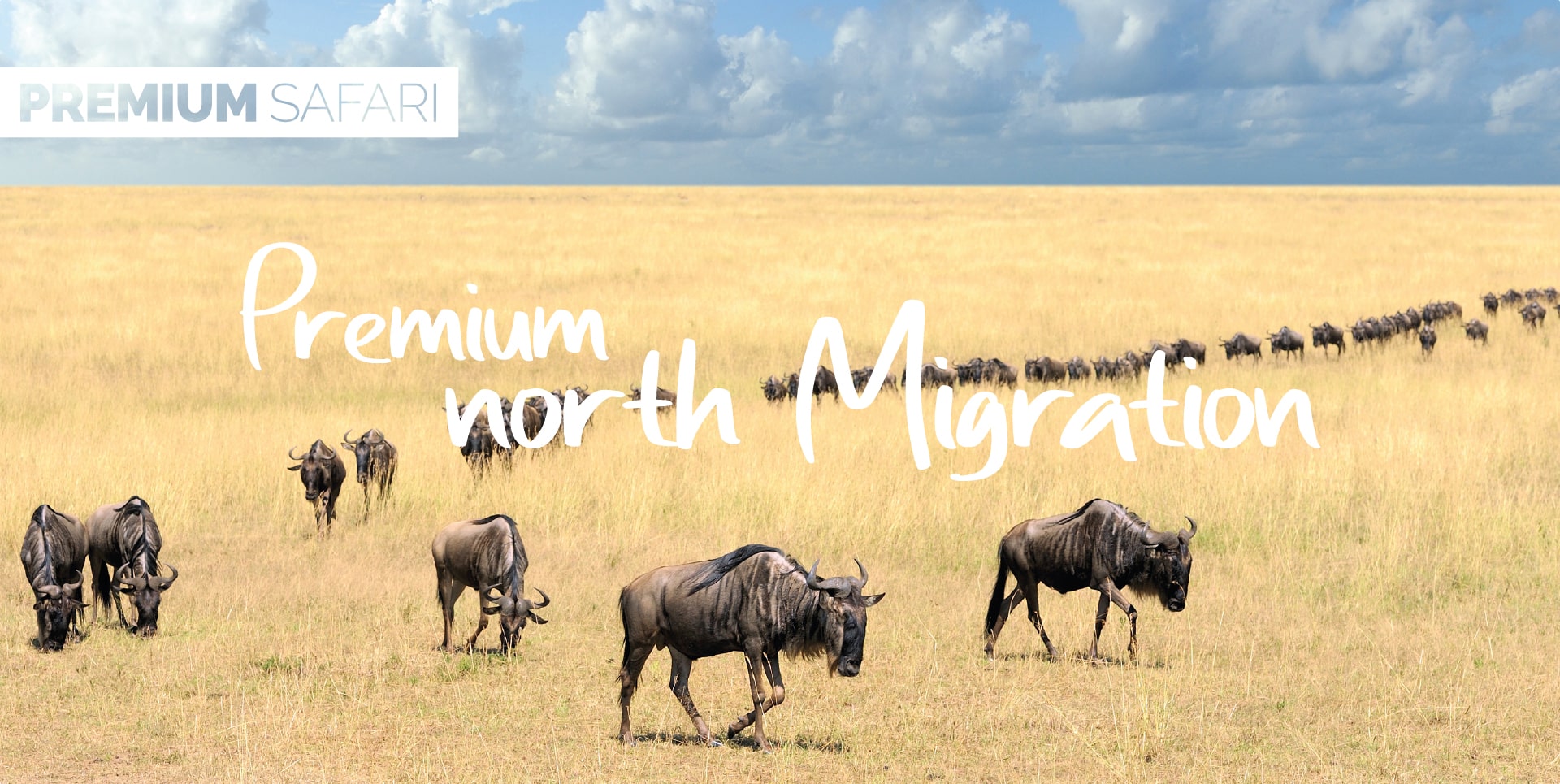
The Serengeti represents every wildlife photographer’s dream, a grandiose stage where the grazing light at dawn reveals endless plains dotted with acacia trees. This mythical ecosystem offers photogenic opportunities throughout the year, but peaks during the Great Migration. The movement of more than two million ungulates creates scenes of incomparable visual power: river crossings, when thousands of wildebeest plunge into the treacherous waters, are one of the most dramatic and sought-after moments for professional photographers. The dust kicked up by the moving herds, illuminated by the golden light of sunset, creates almost mystical atmospheres that turn each shot into a natural work of art.
The Ngorongoro Crater offers a unique configuration for photography: a natural amphitheatre where animals are concentrated in a relatively small space. This characteristic makes it ideal for those seeking Big Five safaris in Tanzania with exceptional photographic opportunities. The particular geological conformation creates extraordinary lighting conditions, with morning mists gradually dissipating to reveal scenes of wildlife against the dramatic backdrop of the crater walls. The relative proximity of the animals allows the use of shorter focal lengths to include both subject and surroundings in the frame, creating images of great narrative impact.
Less frequented than the more famous parks, Tarangire gives photographers scenery of absolute uniqueness. The majestic thousand-year-old baobabs stand like natural sculptures against clear skies, creating perfect silhouettes at sunset and striking graphic compositions. During the dry season, the Tarangire River attracts herds of elephants that move among these plant giants, offering breathtaking contrasts of scale. The light filtering through the golden dust creates an almost dreamlike atmosphere, particularly evocative for artistic photographs that go beyond a simple nature document to become an emotional interpretation of the African landscape.
For photographers in search of truly unique subjects and landscapes, Lake Natron: the mysterious world of pink flamingos is an extraordinary destination. The pinkish alkaline waters and surreal geological formations create eclectic backdrops for images of rare originality.
The choice of period for a photographic safari in Tanzania has a profound influence on the quality and type of images that can be taken. Each season offers distinctive opportunities that attract photographers with different interests. The annual rain cycle radically changes the landscapes, animal concentrations and light conditions, creating completely different scenarios that require specific photographic approaches.
From June to October, the dry season turns Tanzania into a photographic paradise with clear skies and exceptional visibility. The sparse vegetation greatly facilitates the sighting of animals, which concentrate around the few remaining water sources. This concentration creates scenes of great intensity, with predators and prey sharing the same living spaces. The fine dust raised by the arid terrain captures the light beautifully, creating those golden rays at dawn and dusk that are every photographer’s dream. The colour contrasts between the yellow of the dry grasses, the deep blue of the skies and the coat of the animals offer naturally balanced compositions that require minimal corrections in post-production.
From November to April, the rains transform the savannah into a verdant mosaic that provides rich and lush backdrops for wildlife photography. Although sightings may be less frequent due to scattered animals and tall vegetation, the quality of the images that can be obtained is extraordinary. Dramatic skies with towering clouds create plays of light and shadow on the landscape, while thunderstorms offer opportunities to capture rare atmospheric moments such as rainbows over the savannah or silhouettes of animals against fiery skies. This period coincides with the birthing season for many species, offering opportunities to capture cubs and scenes of family tenderness. The abundance of migratory birds adds further colourful subjects to the available photographic repertoire.
A photo safari differs from traditional wildlife tours in that it is organised around the needs of those who wish to capture memorable images. The structure of the day follows the rhythm of natural light, with departures arranged well before dawn to take advantage of the so-called ‘golden hour’ and breaks in the middle hours when harsh light creates sharp shadows unsuitable for photography. Every logistical element is rethought with the photographic objective in mind, from the time spent at observation sites to the flexibility of the itinerary.
Photographic safaris favour specially modified vehicles with individual seats equipped with equipment holders, fully opening windows or fully elevating roofs that allow optimal camera angles. Unlike standard tours, the number of participants per vehicle is reduced to ensure that each photographer has enough space to manoeuvre their equipment without interfering with the others. Guides specialised in wildlife photography know the animals’ behaviour perfectly and are able to anticipate their movements by positioning the vehicle at the right angle to the light and potential action. Observation times are extended: one can stay with the same subject for hours, patiently waiting for the decisive moment instead of moving quickly from one sighting to the next.
Quality photo safaris often include the presence of professional photographers who offer technical assistance during the outings. These experts provide tips on optimal settings according to lighting conditions, help solve technical problems with equipment and share advanced knowledge on image composition. Many specialist operators also offer evening review sessions of the images captured during the day, with personalised advice on post-production and archiving. The lodges selected for these safaris have dedicated spaces for recharging batteries and cleaning equipment, while transfers between parks take into account the bulk and delicacy of photographic equipment, with vehicles equipped with compartments specifically designed to safely transport backpacks and camera bags even over rough roads.
The success of a photographic safari depends significantly on the equipment chosen. Tanzania, with its vast landscapes and sometimes distant wildlife, requires specific equipment that balances portability and versatility with optimal performance. A well-planned kit must be able to cope with variable environmental conditions, from the fine dust of the savannah to the occasional sudden downpour. The telephoto lens is the central element of safari equipment, with focal lengths of at least 300-400mm being essential for capturing distant subjects without disturbing them. A 70-200mm f/2.8 zoom lens is the ideal complement for closer scenes and environmental compositions, while a wide-angle lens allows the majestic African landscapes and dramatic skies to be included in the visual narrative. In such an environment full of opportunities, it is essential to always have a second camera ready with a different lens, avoiding frequent changes that could result in missing unrepeatable moments. Supports such as monopods or bean bags are essential to stabilise heavy telephoto lenses during long observation sessions, especially in limited light conditions. Energy management deserves special attention: plenty of spare batteries and portable solar chargers can save entire days of shooting in tented camps with limited electricity.Equally crucial is storage, with high-capacity memory cards and backup devices to preserve daily work.Specific protections such as dust cases, UV filters and rain covers complete the essential equipment in an environment that can put a strain on delicate electronics.
The photographic safari market in Tanzania has evolved to cater for an increasingly diverse clientele, offering experiences tailored to different skill levels and expectations. From professional photographers looking for competition images to enthusiasts wishing to perfect their technique, there is now a range of solutions that combine safari adventure with the opportunity for artistic and technical growth.
Photography workshops led by internationally renowned professionals are the most comprehensive option for those seeking not only exceptional sightings but also a structured technical improvement course. These exclusive tours, generally limited to 4-6 participants, are led by nature photographers who have been published in prestigious magazines such as National Geographic or BBC Wildlife. The constant presence of the professional photographer guarantees direct support in the field, with daily briefings on techniques to be applied and evening sessions for critical analysis of the images taken. These safaris, although more expensive, offer total immersion in wildlife photography and often include access to exclusive locations or special permits for optimal vehicle positioning.
For enthusiasts seeking a balance between photographic experience and traditional safari, a specialised Tanzania safari tour operator can create tailor-made itineraries that meet photographic requirements without sacrificing comfort and the pleasure of discovery. These trips are ideal for small groups of friends or photography clubs that share the same passion.
The formula involves local guides with specific photography sensibilities and suitably equipped vehicles, but leaves more flexibility in the structure of the days and choice of destinations. The main advantage is the personalisation of the experience, with the possibility of alternating intense photographic sessions with moments of pure enjoyment of African nature, creating a trip that is photographically productive but also deeply relaxing.
A photographic safari in Tanzania goes far beyond simply collecting exotic images. It becomes an experience that profoundly alters one’s perception of and relationship with the natural world. Those who return from this adventure take with them not only a memory card full of photographs but a new awareness of their own view of reality and the value of waiting patiently.
Wildlife photography teaches the art of deep observation, transforming the way we perceive our surroundings. During a photographic safari, one develops a heightened sensitivity to light, details and behaviour that remains as a precious gift in everyday life. This form of conscious attention becomes an active meditation that many participants describe as deeply regenerating. The experience of documenting the African wilderness, with its cycles of life and death, creates a connection with something bigger than ourselves, reawakening a sense of belonging to the natural world that modern life tends to dull. It is not uncommon for a photography-focused honeymoon in Tanzania and Zanzibar to mark the beginning of a shared journey of discovery and growth for couples.
Images captured during a photo safari become chapters of a unique personal narrative. Each shot encapsulates not only a subject but a unique moment of emotional connection with the observed scene. On return, these photographs become powerful memory catalysts, capable of evoking sensations, sounds and even smells of the experience.
The creative process continues well beyond the trip, through the selection, editing and sharing of images that become ambassadors for an often misunderstood continent, helping to spread awareness about the beauty and fragility of African ecosystems. Many travellers discover that the search for the perfect photograph has led them to something deeper: a renewed appreciation for the present and a determination to preserve these wild spaces for future generations.