The Ngorongoro Crater is one of Africa’s most extraordinary natural wonders and a must-see destination for anyone planning a safari in Tanzania. This gigantic intact volcanic caldera, formed some 2.5 million years ago, is home to a closed, self-sustaining ecosystem where thousands of animals live in perfect harmony with the surrounding landscape.
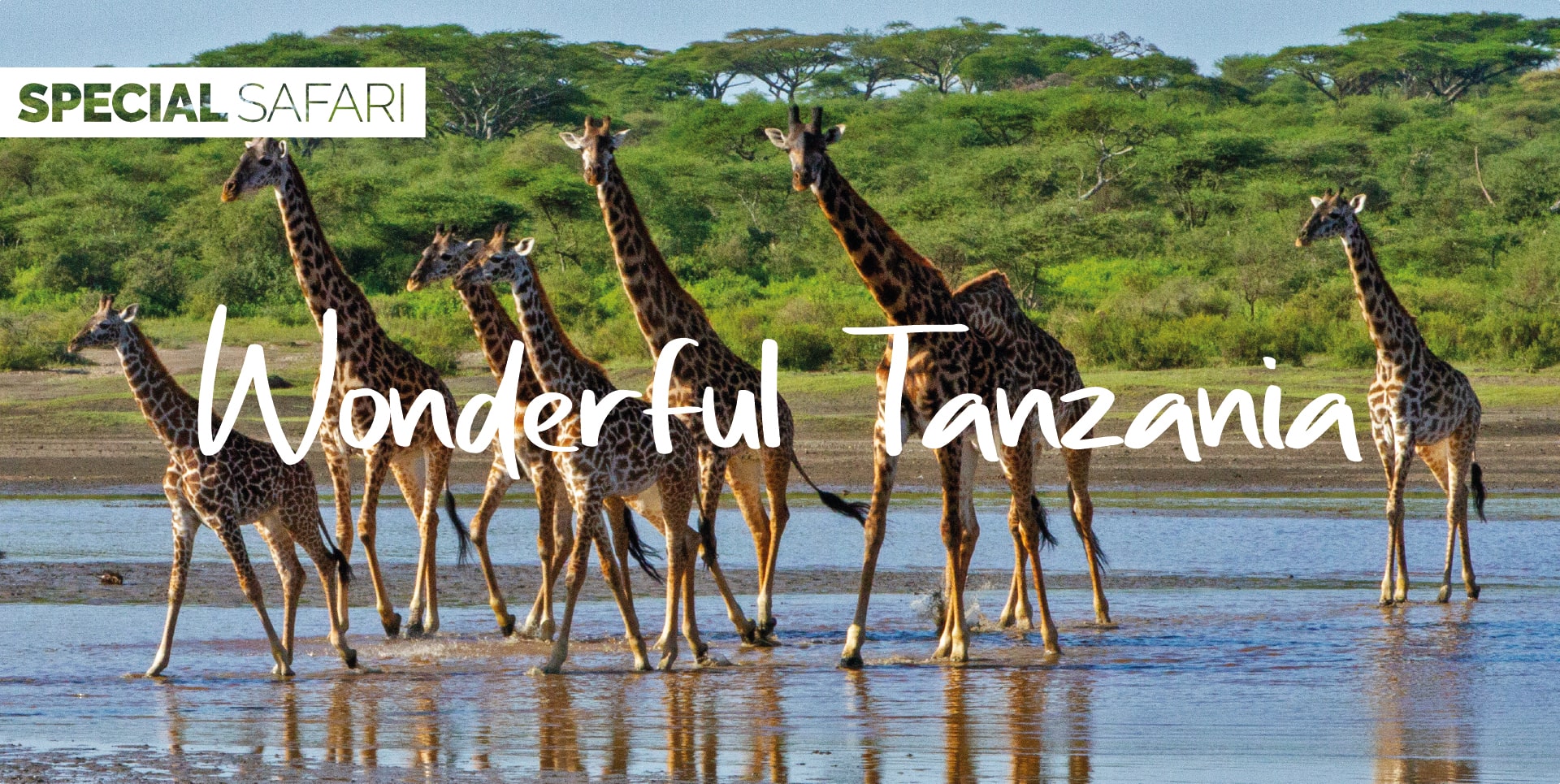
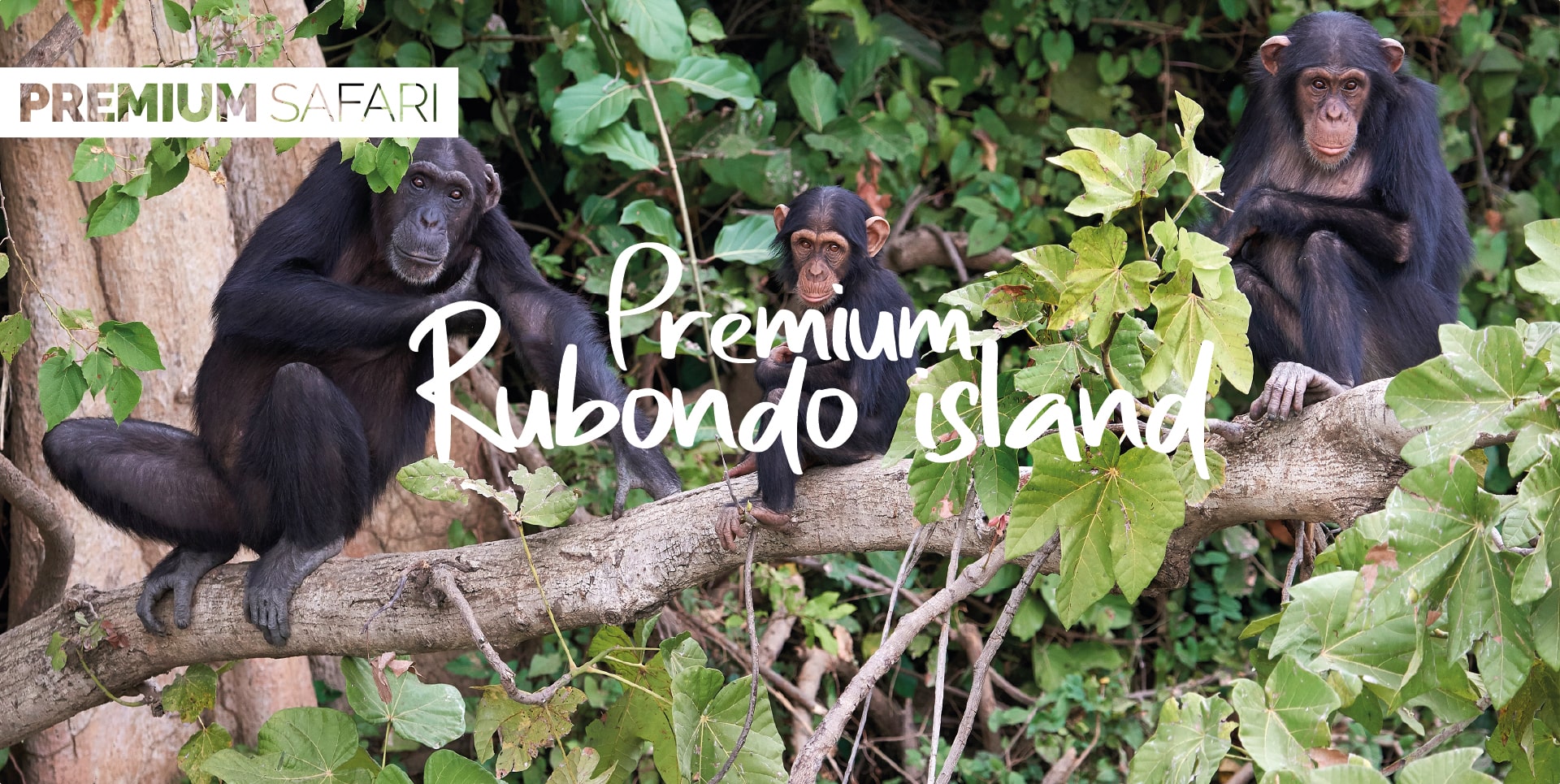
Imagine standing on the edge of this natural amphitheatre at dawn, when the morning mist still shrouds the crater floor, then slowly dissolves to reveal green expanses dotted with blue lakes and thousands of animals moving across the plain. The experience of observing this perfectly preserved microcosm from above literally takes one’s breath away, creating one of those moments that remain forever etched in the memory of every traveller.
With walls rising up to 600 metres, the Ngorongoro Crater creates a 260 km² protected environment where the concentration of wildlife reaches levels that are unparalleled in Africa. It is one of the very rare places where it is possible to spot all of the “Big Five” in a single safari day, making this the perfect destination for those seeking an intense and concentrated wildlife experience, even with relatively short travel times.
The Ngorongoro Crater is not simply a geological depression, but a natural phenomenon of exceptional magnitude. Formed when a massive volcano collapsed on itself after a massive eruption, it is now the largest intact caldera in the world. Its dimensions are impressive: about 20 km in diameter, with a surface area of 260 km² and walls rising up to 600 metres from the bottom.
The uniqueness of the Ngorongoro Crater lies in its natural isolation, which has allowed the creation of a true ecological microcosm. This “miniature world” is characterised by different habitats: grassy savannahs, swampy areas, small acacia forests and a central alkaline lake, Lake Magadi. This environmental variety within a relatively small space supports an incredible diversity of species.
Designated a UNESCO World Heritage Site in 1978, the Crater is the beating heart of the wider Ngorongoro Crater Conservation Area, a unique territory where the protection of wildlife coexists with the traditional activities of the Masai people. This coexistence represents a rare model of environmental management that balances conservation and culture. The crater floor, perennially green thanks to the numerous springs that feed it, provides abundant nourishment for herbivores throughout the year. This constant availability of water and fresh pastures is the secret of the extraordinary biodiversity that characterises this self-sufficient ecosystem.
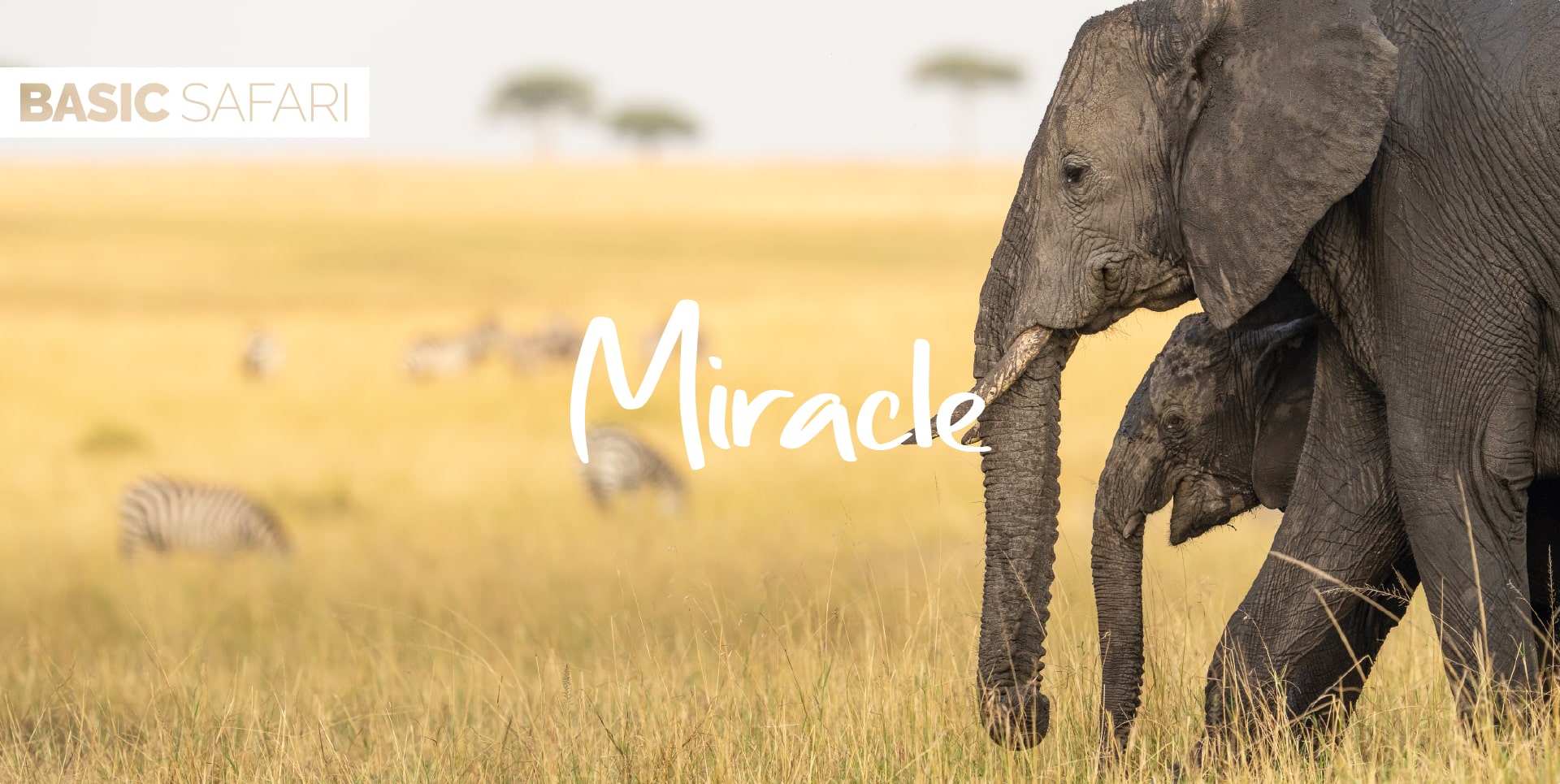
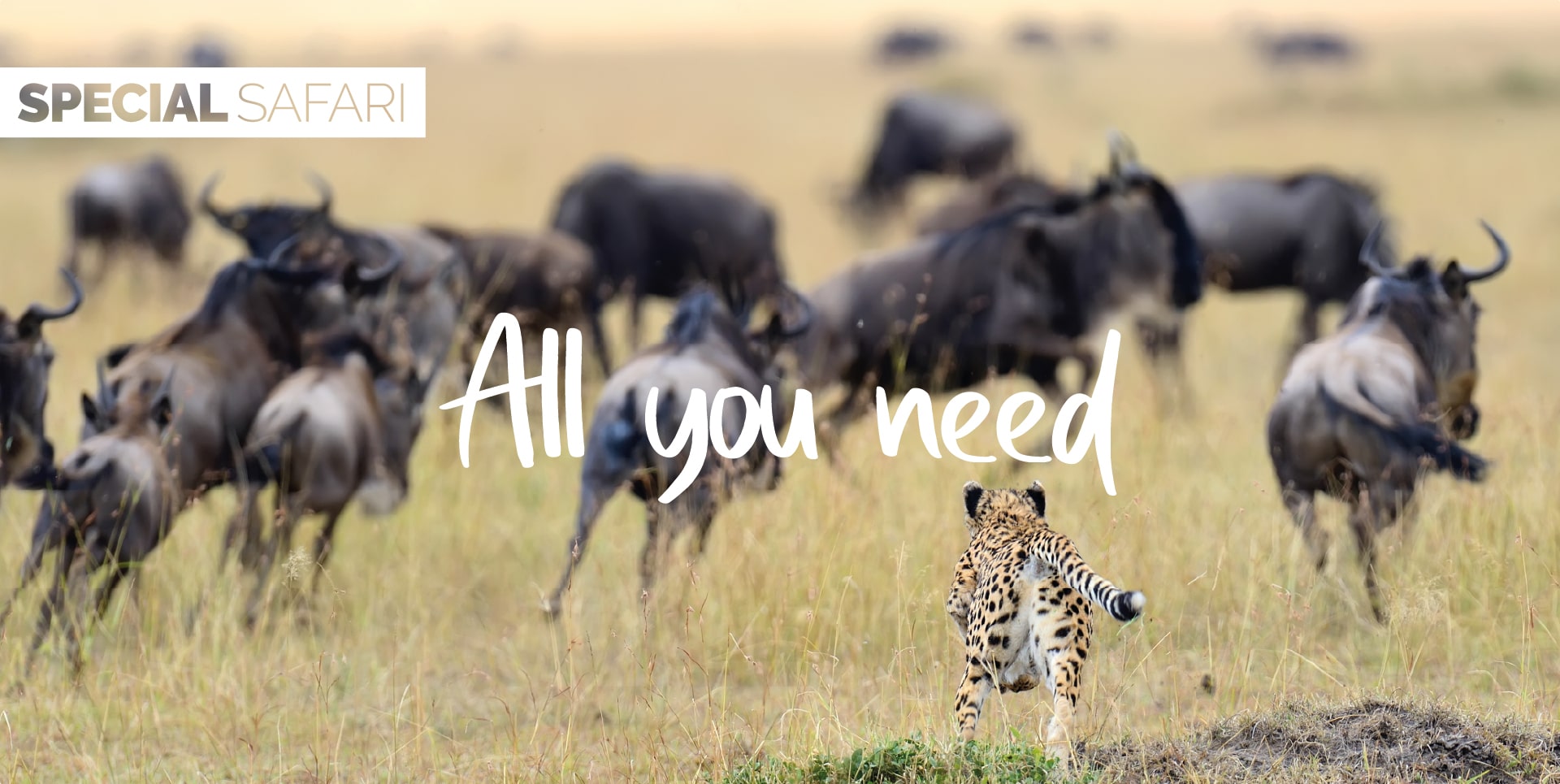
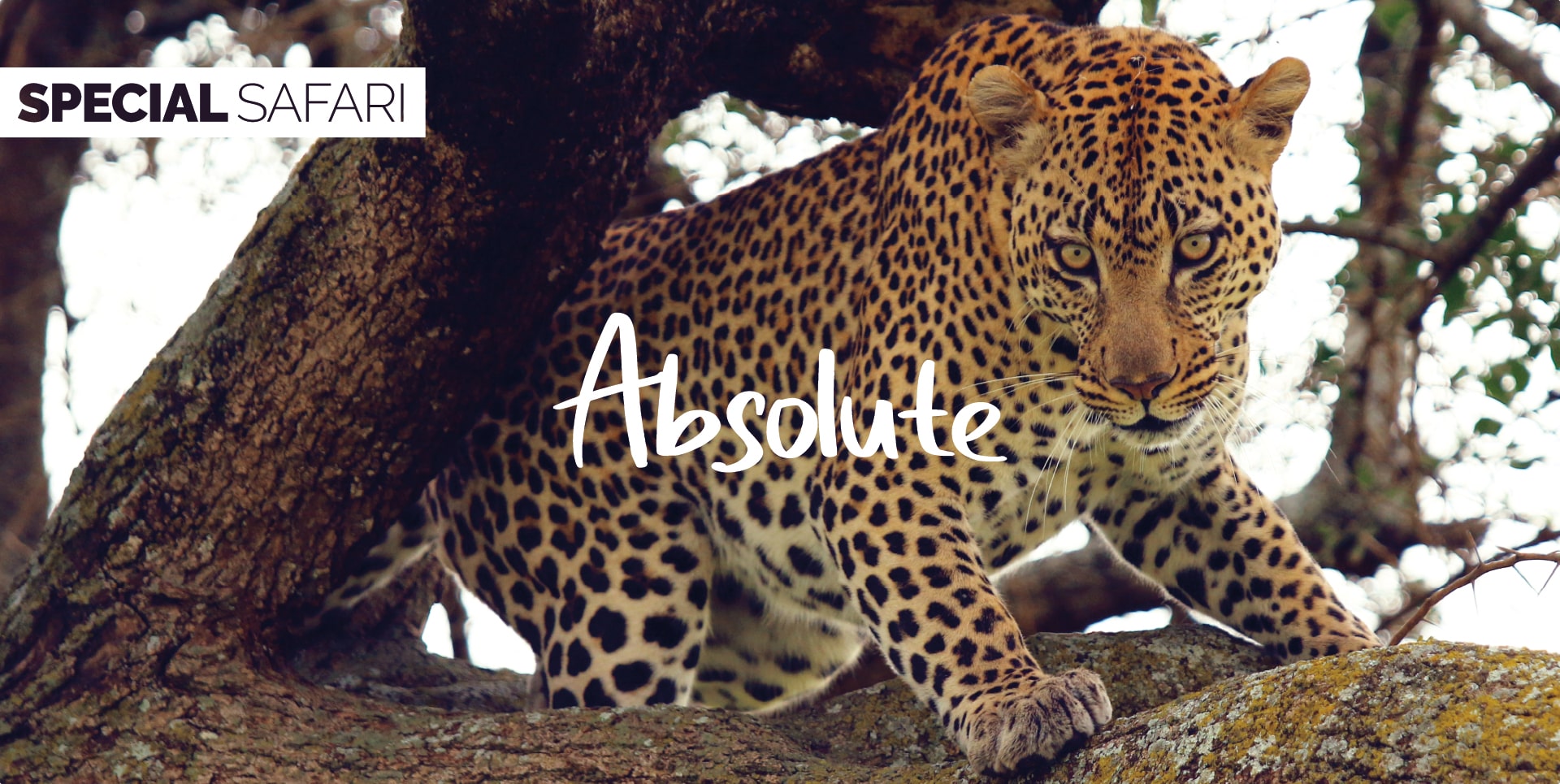
With over 25,000 large animals resident in a relatively small space, the Ngorongoro Crater offers one of the highest concentrations of wildlife in all of Africa. This makes it a prime location for Big Five safari in Tanzania, where it is possible to spot lion, leopard, elephant, buffalo and even the extremely rare black rhinoceros on a single safari day. The daily life of the animals takes place against a landscape backdrop of incomparable beauty, with the steep crater walls creating a dramatic backdrop for unforgettable photographs. Herds of zebra and wildebeest graze alongside pink flamingos that colour the shores of the lake, while predators patiently watch from a distance, creating a living picture of rare visual intensity.
One of the features that make the Ngorongoro Crater an extraordinary destination is its year-round accessibility. Due to its altitude (the rim of the crater is about 2,200 metres above sea level) and geological conformation, this area maintains relatively stable conditions compared to other areas of Tanzania, allowing for exceptional safaris in any season. The choice of the ideal time of year depends mainly on personal preference and the type of experience one wishes to have. Each season offers different perspectives on the same magnificent ecosystem, with specific advantages that can significantly influence the quality of the trip. Weather conditions and tourist density are important factors to consider when planning.
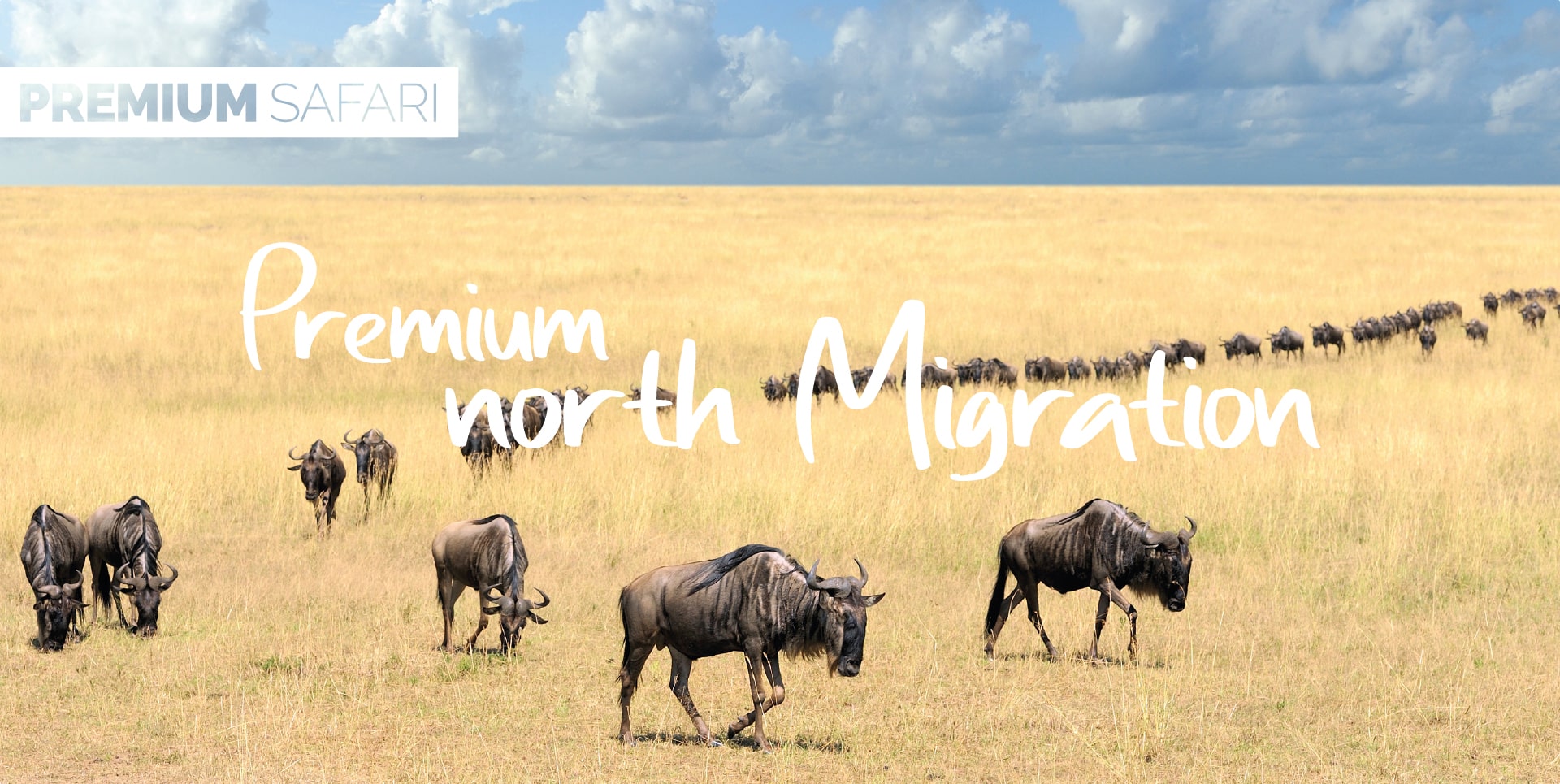
The period from June to October is the dry season in Tanzania and coincides with the peak tourist season. During these months, the sky is generally clear and the temperatures pleasantly cool, especially in the early morning and evening, when the crystal-clear air creates perfect light conditions for photography. The sparse vegetation and the concentration of animals around permanent water sources facilitate sightings. Predators are more active and visible, while herds of herbivores move in compact groups across the golden plains. This period offers statistically higher chances of completing the list of the ‘Big Five’ in a single visit.
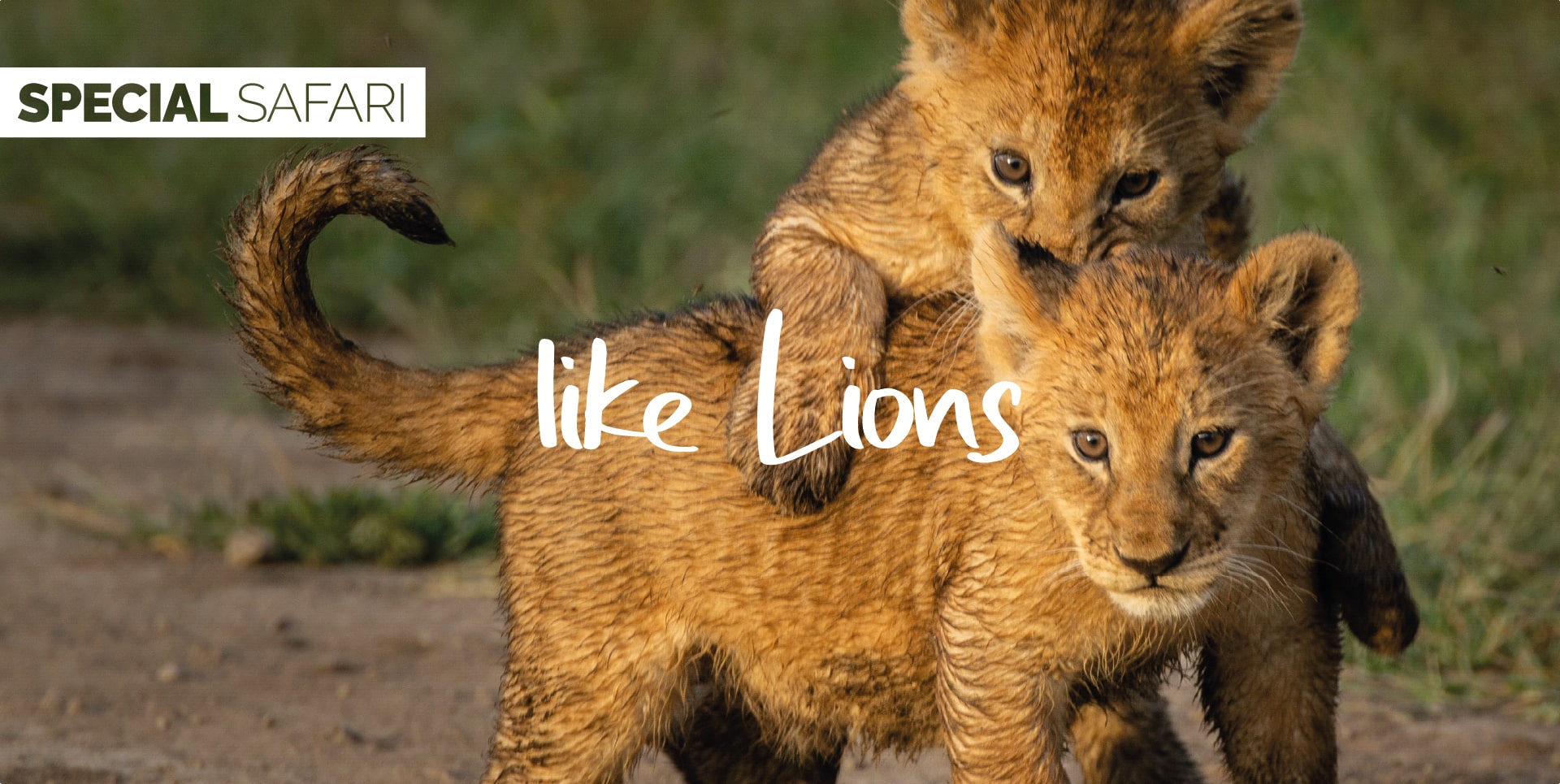
From November to April, the rainy season transforms the crater into a verdant paradise. The explosive vegetation creates an extraordinary colour contrast to the deep blue or dramatically cloudy skies, offering photographic scenery of rare beauty. The short afternoon showers typical of this period rarely interfere with safaris, which take place mainly in the morning hours. The main advantage of this period is the lower tourist numbers, which results in a more intimate experience and generally cheaper prices. The birthing season for many animals coincides with these months, making it possible to observe cubs and young at their first experience of life on the savannah, a show of tenderness that adds emotional value to the trip.
The Ngorongoro Crater is an essential stop on any safari in Tanzania’s northern circuit. Its strategic location, halfway between Lake Manyara and the famous Serengeti, makes it perfectly integrated into itineraries of varying duration and complexity. The extraordinary density of fauna in a relatively small space makes this area an ideal destination even for those with limited time. Visiting the crater fits harmoniously into itineraries ranging from 4 to 10 days or more, adapting to the needs of each traveller. Specialised operators know how to balance time spent in the crater with time spent at other natural attractions in the region, creating experiences that maximise the chances of significant sightings.
More compact itineraries generally combine the Ngorongoro Crater with two other key destinations: Lake Manyara National Park or Tarangire National Park, and a brief foray into Serengeti National Park: the cradle of the great migration. This formula allows you to experience the essence of the Tanzanian safari in less than a week. A 4-5 day safari typically dedicates a full day to the Ngorongoro Crater, with entry at dawn when animal activity is at its peak. The relative proximity between these parks reduces travel time, optimising the hours dedicated to wildlife observation. These condensed tours are ideal for those combining safari with a beach holiday in Zanzibar or for those visiting Tanzania as part of a larger East African trip.
Larger safaris offer a more relaxed and in-depth experience, with the possibility of spending more time in individual parks. On these itineraries, the Ngorongoro Crater is often the scenic culmination after days spent exploring the vast Serengeti, creating the perfect balance between the open savannah experience and the intimacy of the caldera ecosystem. The 8-10 day itineraries also allow for the inclusion of lesser-visited destinations such as Lake Natron or Lake Eyasi, adding a cultural dimension to the wildlife experience with encounters with the Hadzabe and Datoga tribes. For the more enthusiastic, there are thematic photographic or species-specific safaris that use the Ngorongoro Crater as the focal point of a more specialised exploration of Tanzanian wildlife.
A visit to the Ngorongoro Crater offers more than just a game drive. The Conservation Area surrounding the crater offers a range of experiences that enrich the safari adventure with extraordinary cultural and scenic elements. This combination of wilderness and human heritage makes the Ngorongoro Crater a multi-dimensional destination, capable of satisfying diverse interests. The versatility of experiences available allows you to tailor your visit to suit your passions, whether it be nature photography, anthropological interest or simply the desire to immerse yourself in landscapes of primeval beauty. Most activities are concentrated between early morning and late afternoon, when the light is most favourable and the animals are most active.
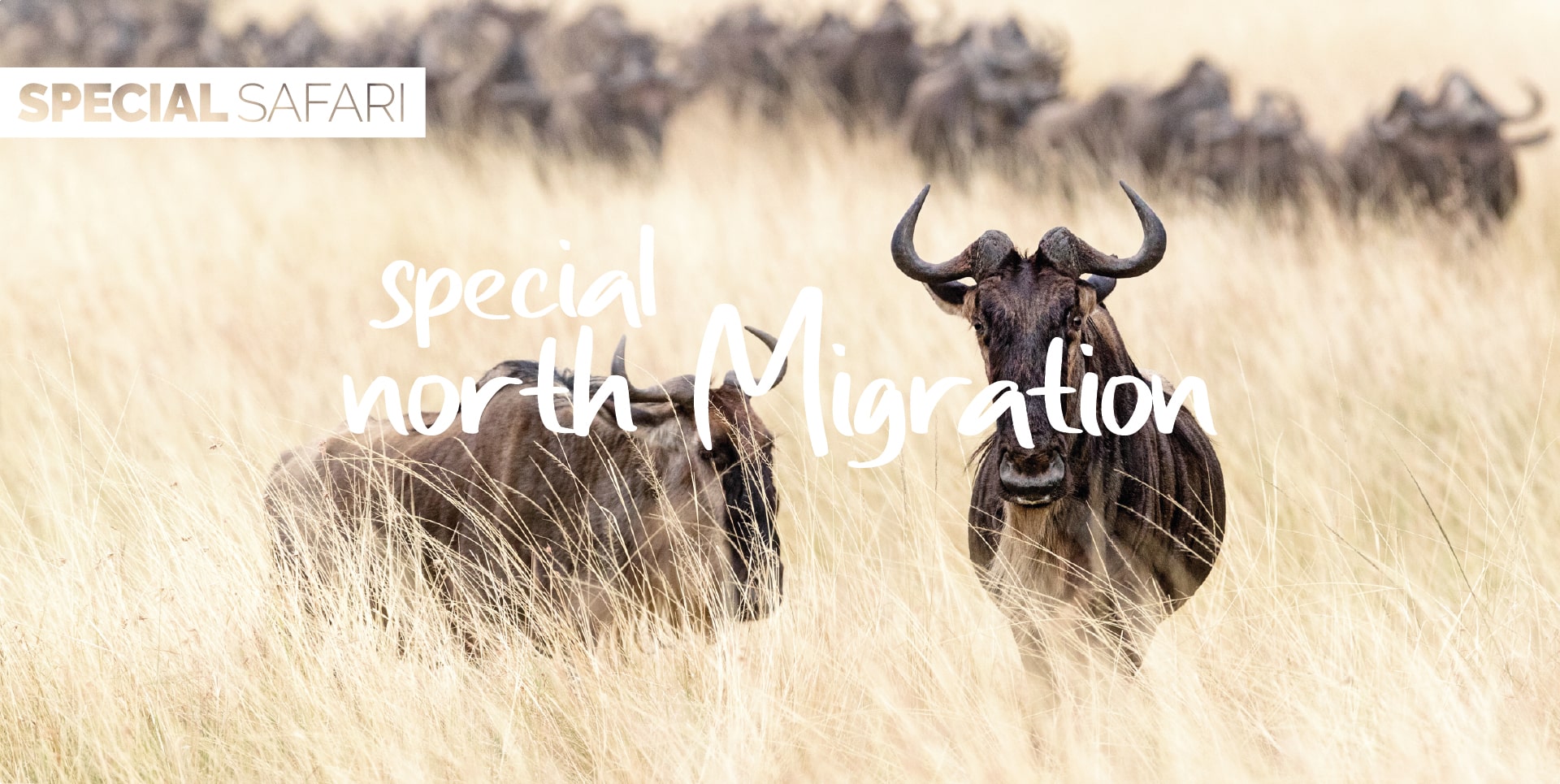
The main activity remains the exploration of the crater floor in 4×4 vehicles with sunroofs, which allow optimal viewing and adequate comfort during observation hours. Photographic safaris in Tanzania find in the Ngorongoro Crater a paradise of opportunities, with scenes of wild life that follow one another at a continuous pace in scenes of incomparable beauty. The game drive experience here is unique because it concentrates an incredible variety of sightings in a relatively small space. A single day can bring encounters with herds of lions, herds of elephants, family groups of hyenas, zebras and wildebeests as far as the eye can see, and with a bit of luck even the rare black rhinoceros. The central lake attracts thousands of flamingos, creating spectacular pink patches in the landscape.
The Ngorongoro experience is not limited to the crater floor. The rim offers some of the most spectacular views in Africa, with strategic observation points where you can stop to photograph the immensity of the caldera. At sunrise and sunset, the grazing light creates plays of shadows and reflections that transform the landscape into a living picture of extraordinary intensity. Visits to nearby Masai villages provide a unique opportunity to understand the culture of this proud people who have coexisted with wildlife for centuries. The encounters, organised in accordance with local traditions, allow you to observe traditional dances, visit typical dwellings and buy authentic handicrafts, contributing directly to the economy of the communities. For the more adventurous, short guided treks along the crater rim offer a different and more intimate perspective on this geological miracle.
A safari in the Ngorongoro Crater follows well-defined rules and rhythms that optimise the visiting experience. The park authorities have implemented a system that limits the stay of vehicles inside the crater to a maximum of six consecutive hours, in order to reduce the environmental impact and ensure the tranquillity of the animals. This means that each visit is carefully planned, usually from dawn to early afternoon. The density and variety of the fauna make these time constraints almost irrelevant, as an extraordinary succession of sightings can be witnessed in just a few hours. Visitors are often surprised by the amount of animal interactions that can be observed in a relatively short space of time, from the hunting of predators to the social dynamics of herbivores.
The Ngorongoro experience creates a feeling of total immersion rarely experienced in other natural settings. The high crater walls visually isolate visitors from the outside world, making them feel like privileged witnesses to a primordial ecosystem. The intensity of wildlife encounters is amplified by the concentration of animals in a defined space. It is not uncommon to find oneself surrounded simultaneously by different species interacting with each other, creating living tableaus of extraordinary complexity and beauty.
Unlike other parks that require several days to appreciate, the Ngorongoro Crater can offer a satisfying experience even in a single day. This accessibility makes it ideal for those who have limited time but do not want to give up the essence of the safari experience. Even with a short visit, the chances of significant sightings are extremely high. A well-organised day, with entry at dawn when the animals are most active, can provide encounters with all the ‘Big Five’ and many other species, creating indelible memories even for travellers with tighter itineraries.
To have an authentic and complete experience in the Ngorongoro Crater, it is essential to rely on a Tanzania safari tour operator with specific experience and first-hand knowledge of the area. The quality of the guide and logistical organisation make the difference between a simple tour and a memorable adventure that maximises the chances of significant sightings.
Specialised operators offer strategically designed itineraries to enter the crater at the best times, know where to look for special species such as rhinos and understand the behavioural patterns of the animals. They also manage the complex reservations and permits required to access the protected area, ensuring a smooth experience. Choosing a reliable partner also ensures access to guides with excellent wildlife knowledge and accommodation selected for quality and location.
The Ngorongoro Crater is an ideal destination for different types of travellers due to its accessibility and the wealth of experiences it offers. The relative ease of sightings and well-developed infrastructure make it an inclusive destination, capable of meeting diverse expectations.
For those approaching the safari experience for the first time, the Ngorongoro Crater offers the perfect introduction to the world of African wildlife. The concentration of animals in a relatively small space ensures abundant sightings even for novices, while the shape of the crater facilitates orientation and understanding of the ecosystem. The high success rate of sightings, including iconic and rarer species, ensures that even a short safari is rewarding and complete. Experienced guides make the experience accessible even to those with no specific knowledge of wildlife, turning each encounter into an educational opportunity for personal growth.
Families with children find the Ngorongoro Crater a particularly suitable environment, thanks to the relatively short transfers, the variety of animals easily visible and the possibility of returning to the lodge to rest in the middle hours of the day. The crater offers continuous stimulation opportunities for the little ones, keeping their interest alive. For honeymooning couples, the combination of safari adventure and the romance of the scenic lodges creates an unforgettable experience. Spectacular sunsets at the crater rim, dinners under the stars and sharing moments of wonderment in front of the majesty of the wilderness all contribute to making this a perfect destination to celebrate the beginning of a life together.
The Ngorongoro Crater represents more than just a tourist destination: it is a powerful symbol of Africa’s natural magnificence. This extraordinary geological amphitheatre encapsulates the very essence of the safari experience, combining exceptional biodiversity, breathtaking scenery and a deep sense of connection with primeval nature. The Ngorongoro Crater experience transcends the mere observation of animals, turning into an inner journey that awakens ancestral emotions. Nature manifests itself here with power and harmony rarely found elsewhere, creating moments of pure wonder that leave a deep impression on every traveller. It is no coincidence that many consider a visit to the crater to be the emotional highlight of their trip to Tanzania.
The Ngorongoro Crater leaves an indelible impression in the memory of every traveller. The first view from the top of the crater, when the immensity of this natural amphitheatre is revealed in all its magnificence, creates one of those rare moments when the beauty of nature surpasses all expectations and imagination.
What makes the Ngorongoro Crater truly special is the combination of accessibility and extraordinariness: an intact yet easily accessible primordial ecosystem, a concentration of wild Africa enclosed in a perfect circle. This unique balance of natural wonder and accessibility transforms a visit to the crater not into a mere stop on an itinerary, but into a transformative experience that deeply reconnects the visitor with the essence of life on Earth.