The Serengeti represents the very essence of wild Africa, a name that immediately conjures up images of endless golden plains stretching to the horizon. This extraordinary Tanzanian ecosystem embodies the primordial idea of safari like few other places in the world.
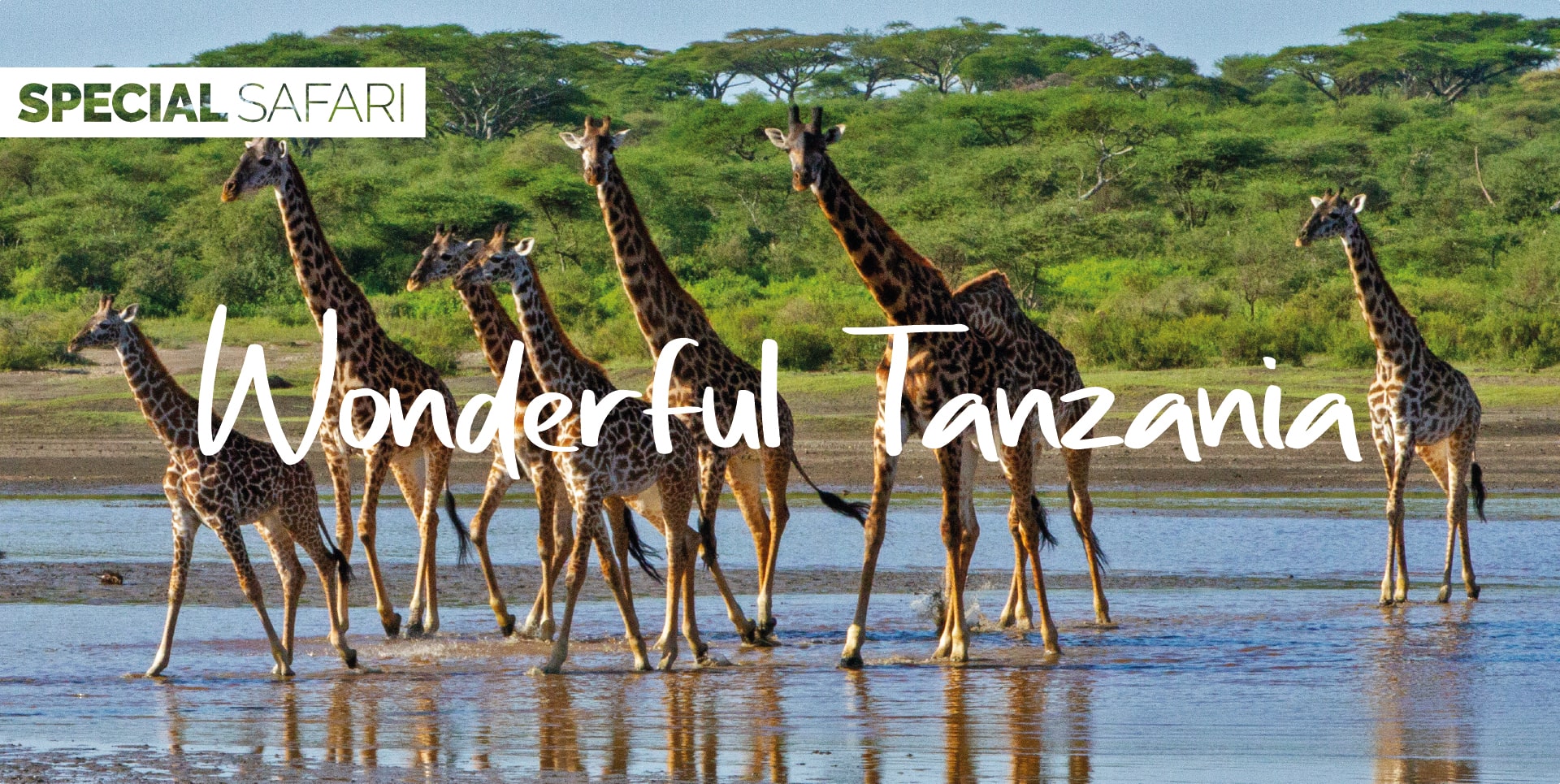
When the sun rises over the savannah, gradually illuminating the grassy expanses dotted with solitary acacias, one understands why this park is considered the quintessential African experience. Here, nature still dictates its ancestral rules in a perfect and delicate balance that has repeated itself unchanged for millennia.
The immensity of the open spaces creates an almost tangible feeling of freedom: no fences, no visible borders, just the savannah stretching as far as the eye can see under endless skies that change colour from dawn to dusk. Large predators stalk the herds of herbivores, creating the natural theatre that has made the Serengeti a legendary destination. Those who visit this wild paradise do not return home simply with photographs, but with indelible memories of a primeval world where life pulsates with extraordinary intensity.
The park is a UNESCO World Heritage Site and a symbol of African biodiversity. It is one of the few places where you can still experience a safari as a true wilderness exploration. The Serengeti represents Africa in its most authentic and unspoilt form, where natural cycles have continued unchanged for millennia. Visiting this ecosystem means immersing oneself in a world where man is only a temporary guest, a privileged observer of a natural spectacle that unfolds according to ancestral rules. The vastness of the spaces, the richness of the fauna and the variety of the habitats make every safari in this region a profoundly different experience from any other wildlife destination in the world. It is not only the sheer number of animals that makes the Serengeti unique, but the quality of the experiences it offers, with close encounters taking place in settings of incomparable beauty.
The Serengeti National Park: the land of endless plains is a globally recognised symbol of the most authentic Africa. It is no coincidence that UNESCO has declared it a World Heritage Site, recognising its outstanding universal value for its extraordinary natural phenomenon and its importance for conservation. The word ‘Serengeti’ itself derives from the Masai word ‘siringet’, meaning ‘endless plain’, a definition that perfectly captures the essence of these boundless landscapes that represent the archetypal image of the African savannah in the world’s collective imagination.
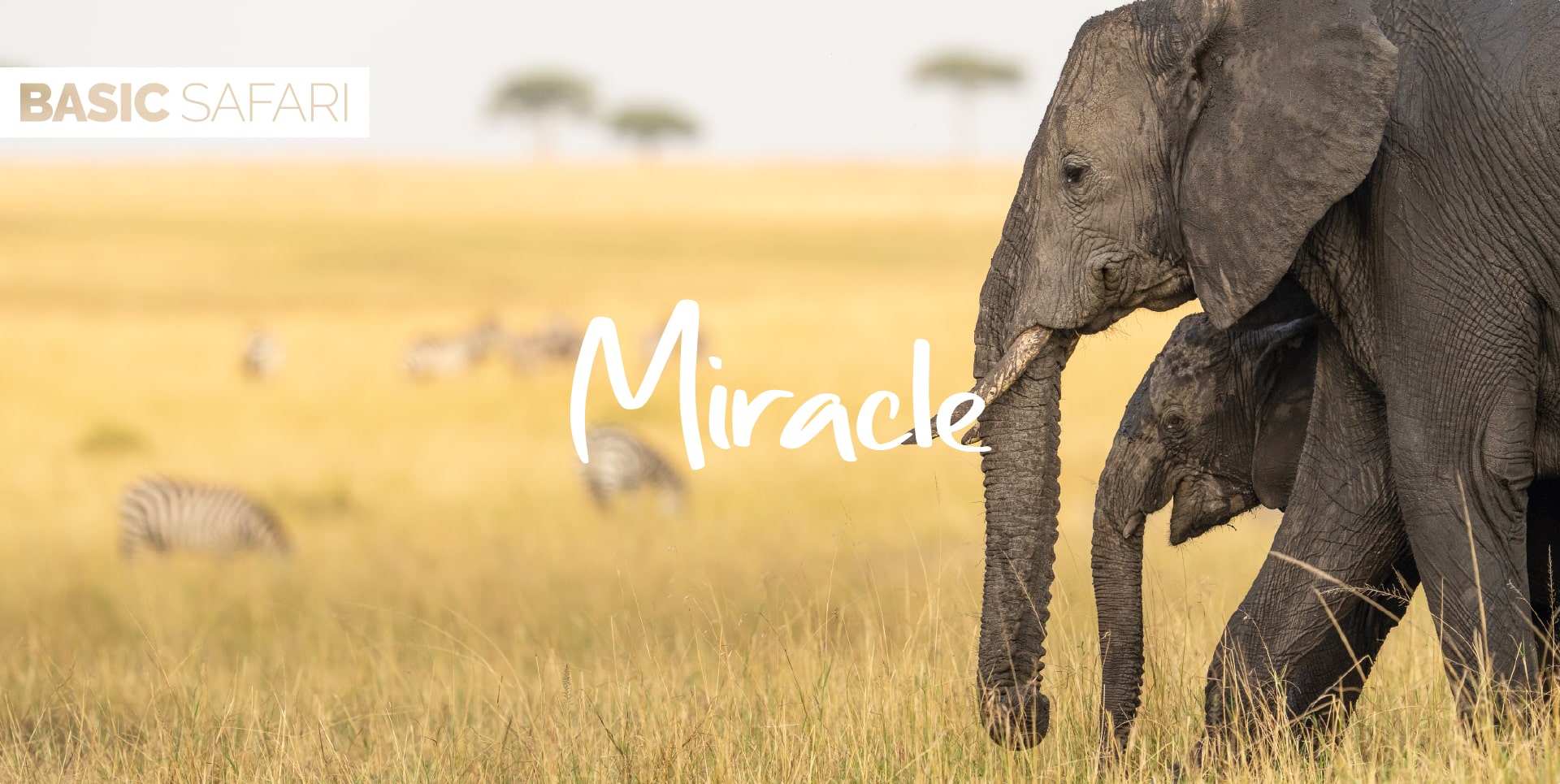
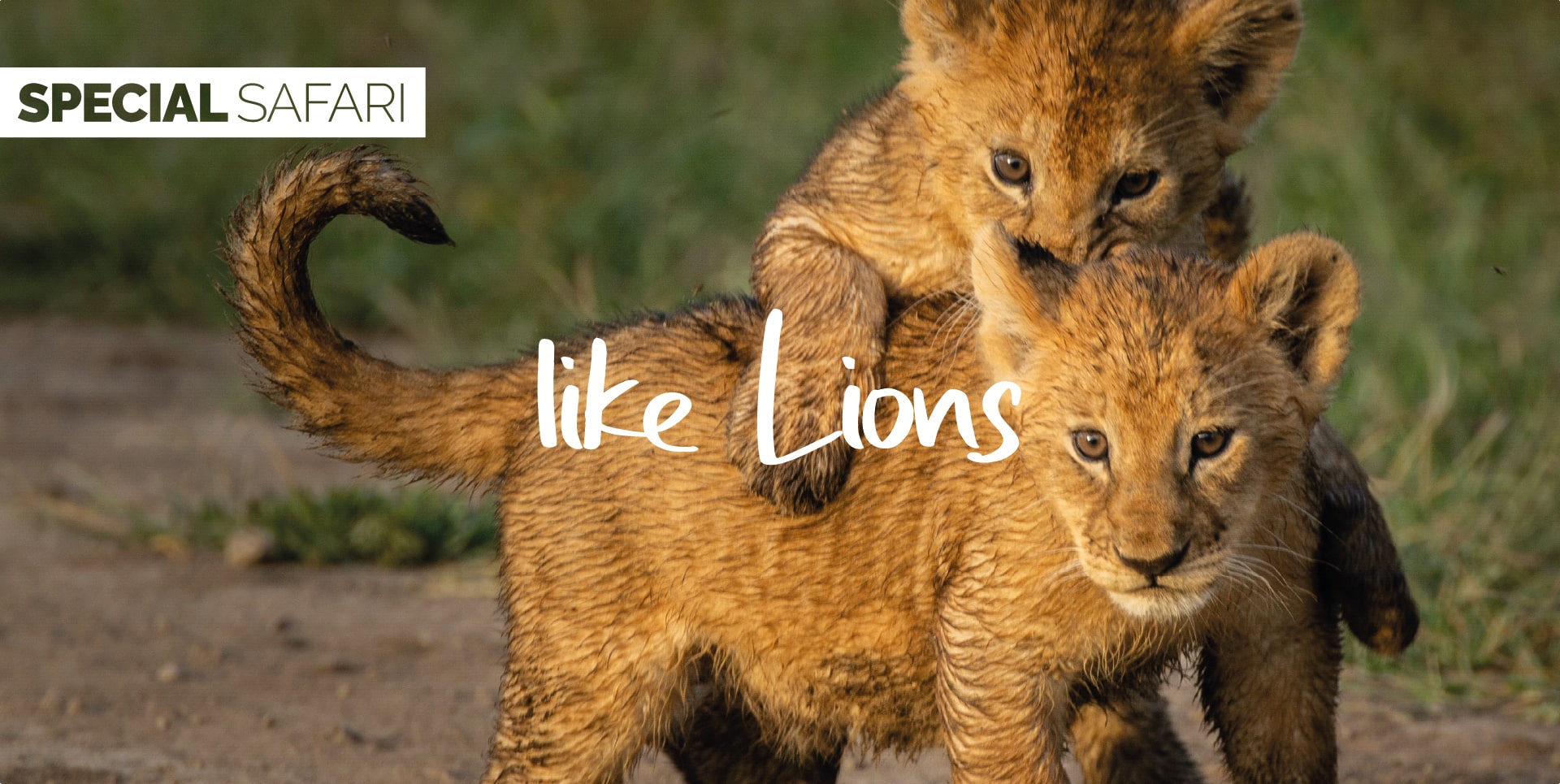
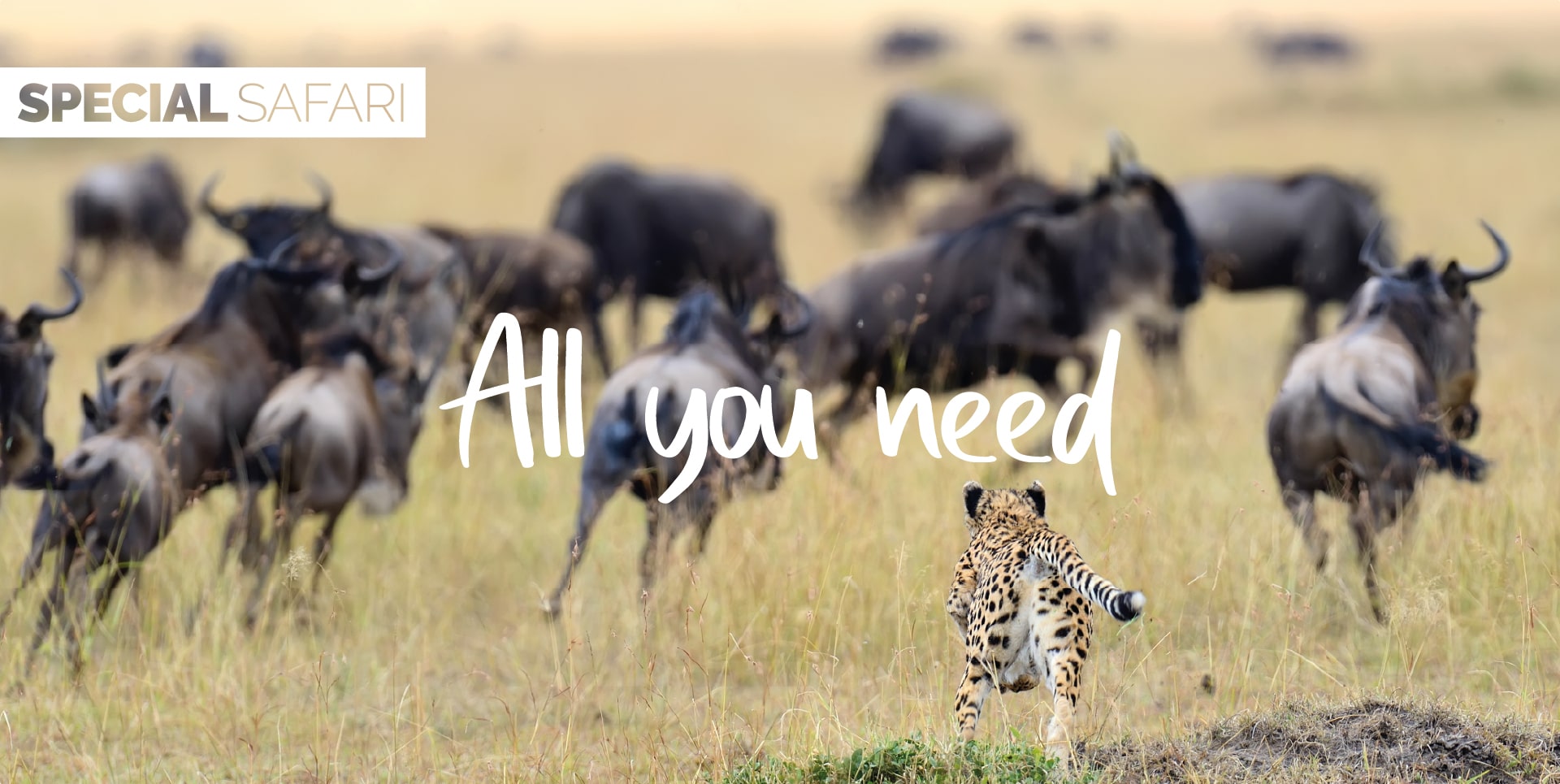
What distinguishes the Serengeti from other African parks is the extraordinary concentration of wildlife it hosts. With over 2 million ungulates, 4,000 lions, 1,000 leopards and hundreds of other species, it represents one of the richest ecosystems on the planet. The real magic lies in being able to observe the animals in their natural behaviour: lions hunting in packs, elephants protecting their cubs, cheetahs unleashing lightning-fast accelerations on open plains. Each scenario tells a different story of survival and adaptation, allowing visitors to understand the complex dynamics of African wild life.
The Serengeti offers different scenery throughout the year. Each season brings with it a different experience, from the birth of the cubs to the spectacular wildebeest migration. The choice of the ideal period depends mainly on personal preference and the type of experience one wishes to have. The natural cycles of the park mainly follow the rhythms of the rains, which radically transform the landscape and influence the movements of the fauna. Tourist density also varies considerably throughout the year, a factor to consider for those seeking a more intimate experience or those who prefer to avoid the peak season. Knowing the peculiarities of each period allows you to better plan your safari, maximising your chances of witnessing the most significant natural events in the ecosystem.
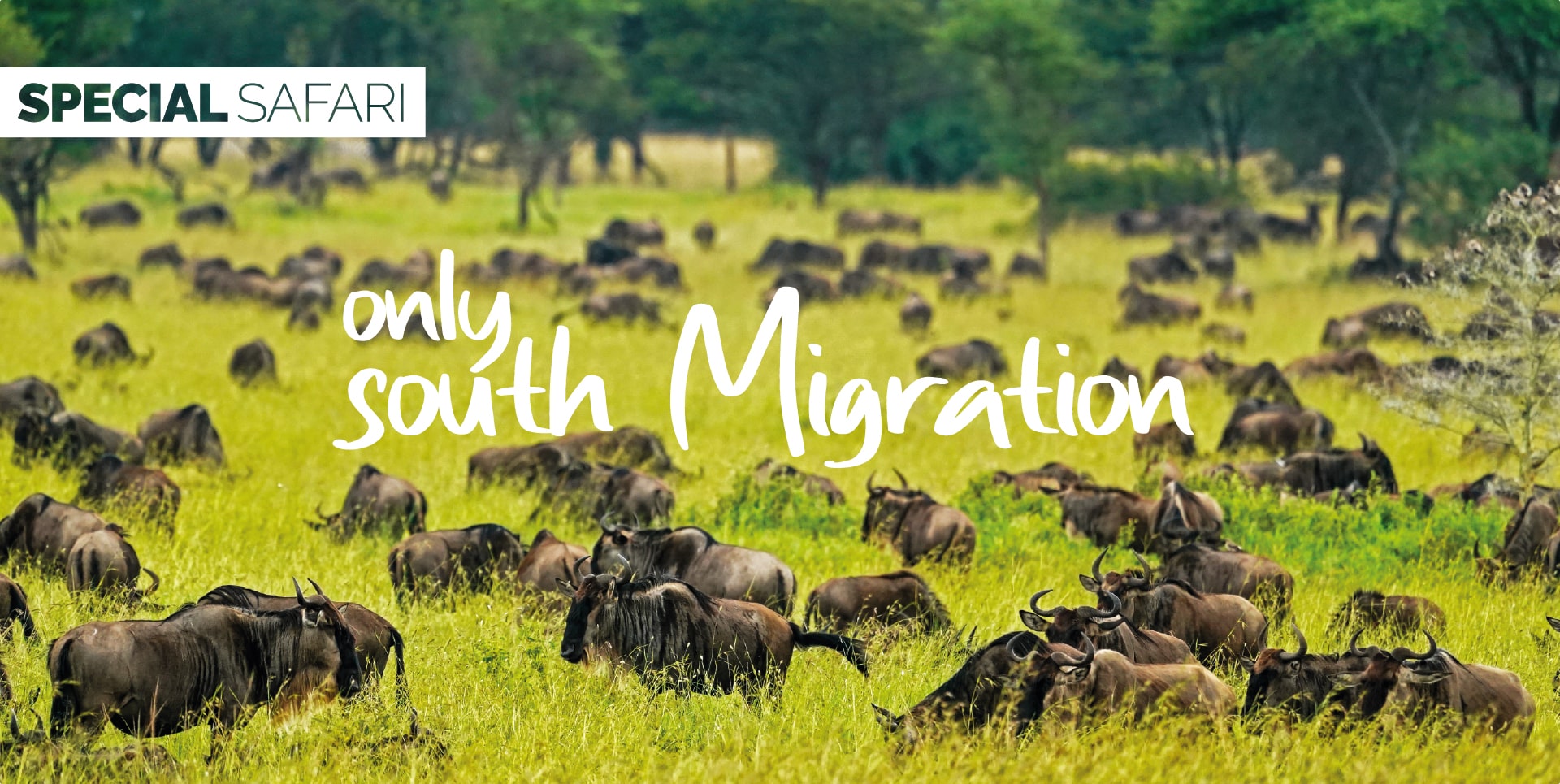
The early months of the year turn the southern Serengeti into a veritable savannah nursery. Female wildebeest give birth collectively, with up to 8,000 cubs a day on the Ndutu plains. The bright green landscape creates perfect backdrops for photographs. The rains keep the grass nutritious, attracting herds of herbivores and predators to follow them. For photographers, it is the ideal time to capture images of life, predation and the bonding between mothers and cubs in a lush environment full of activity.
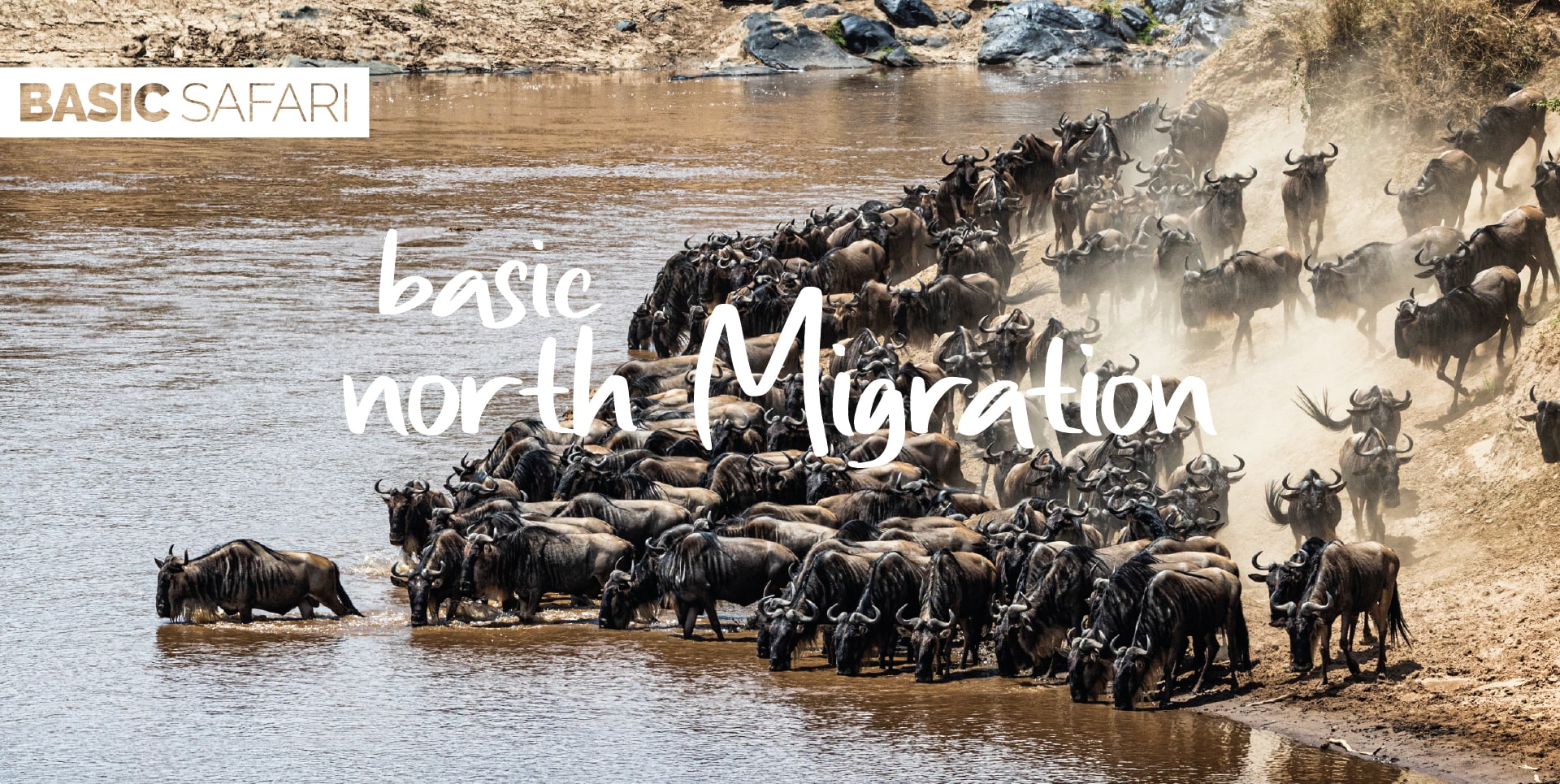
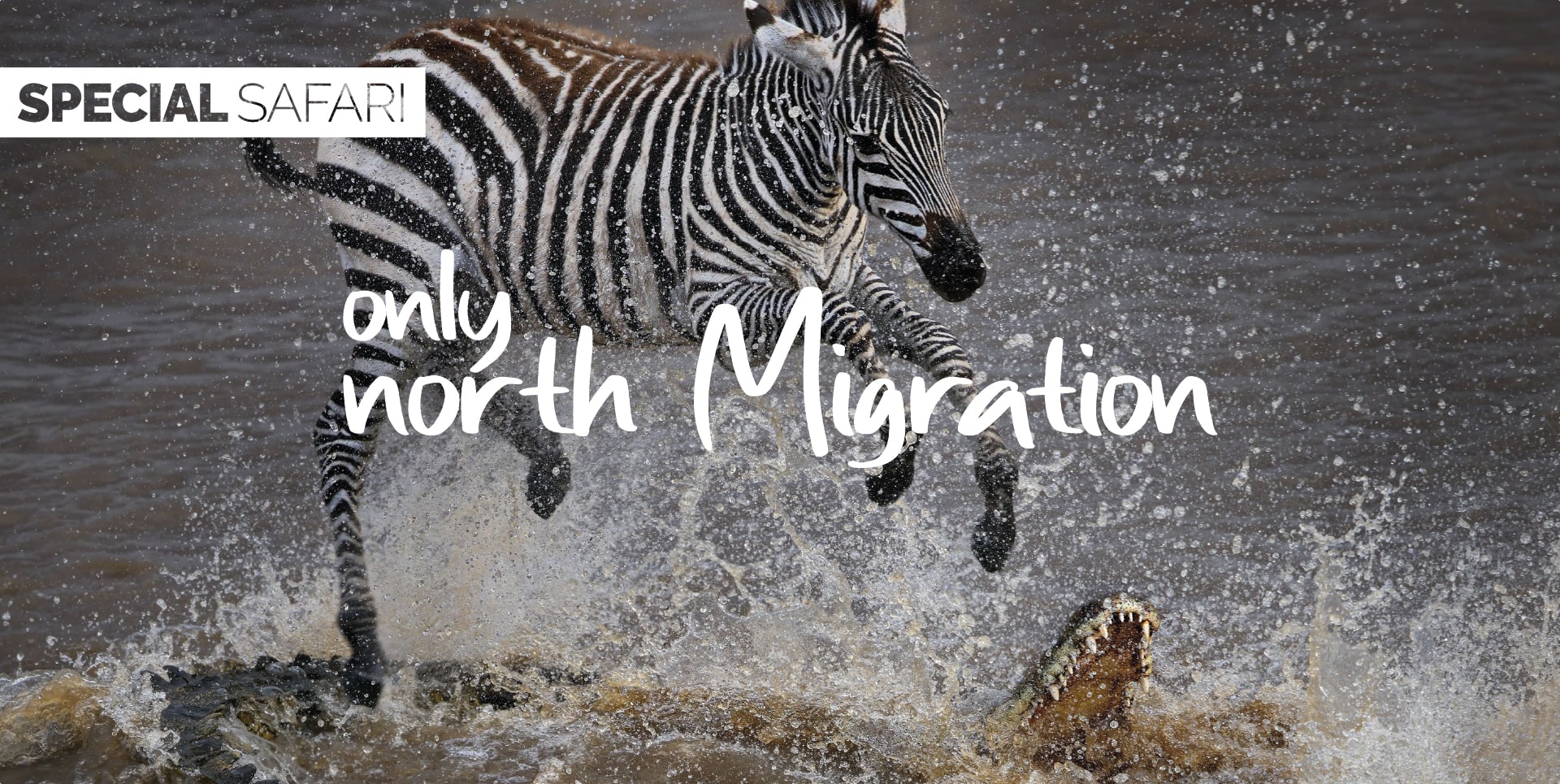
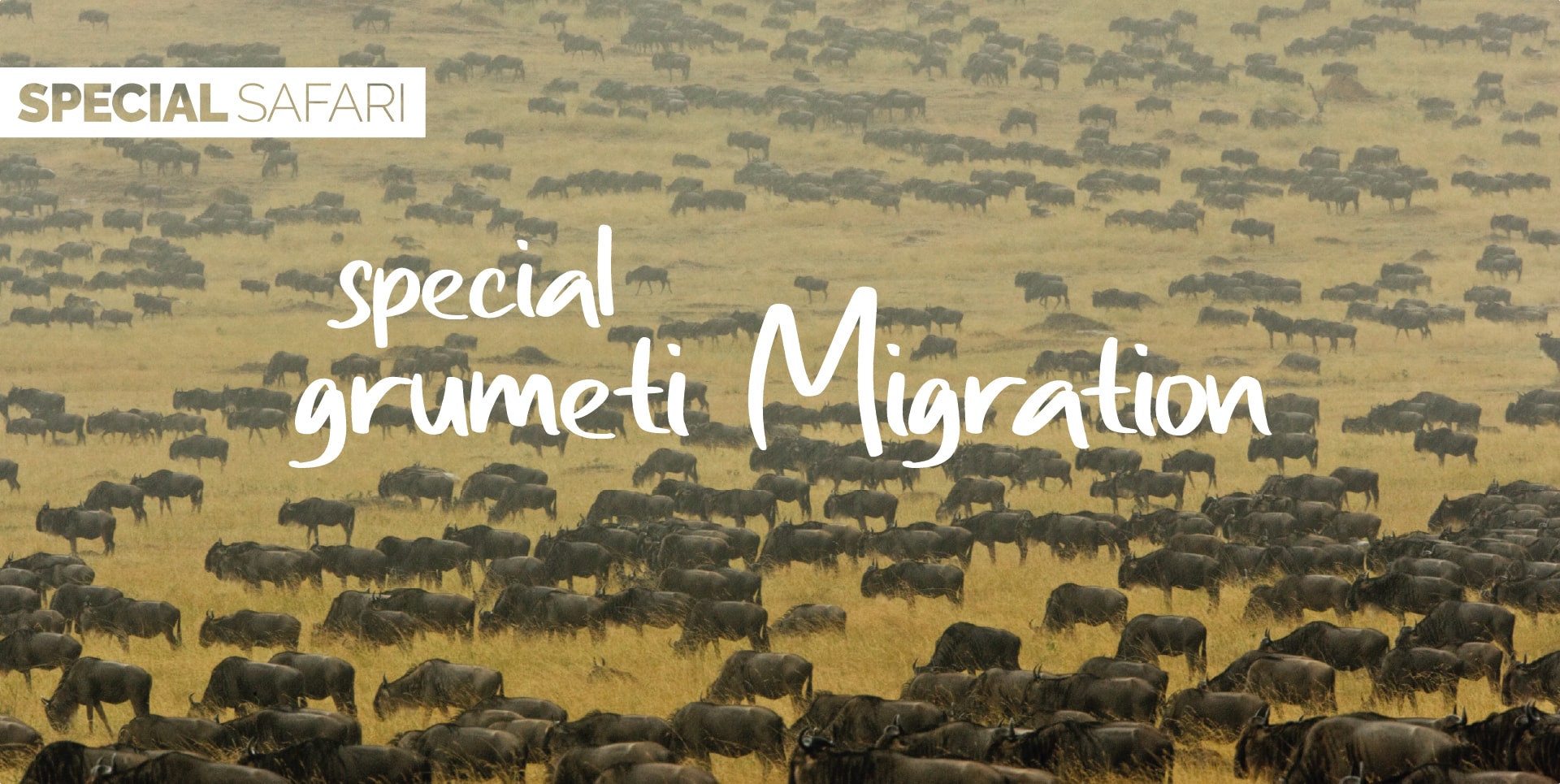
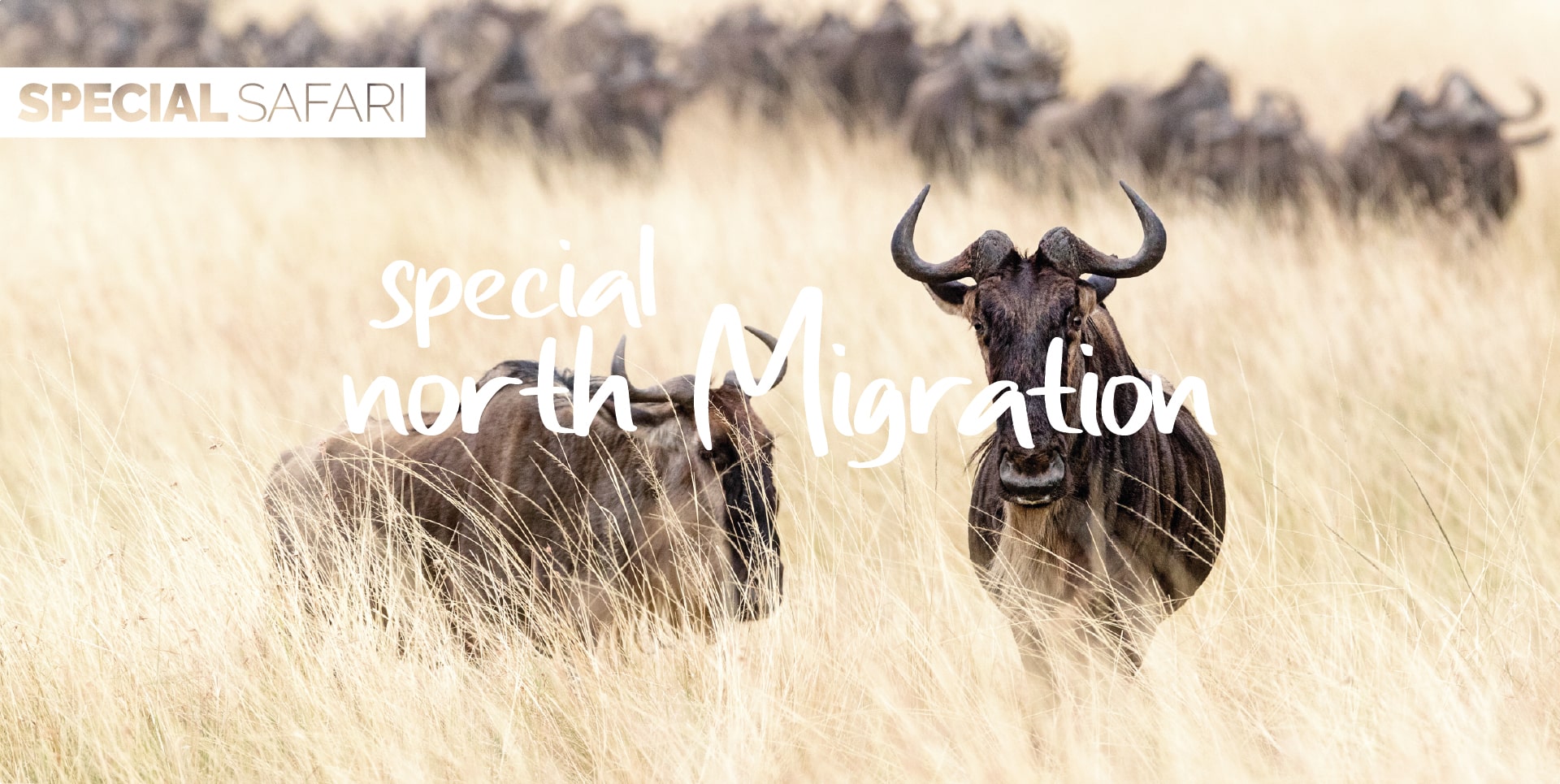
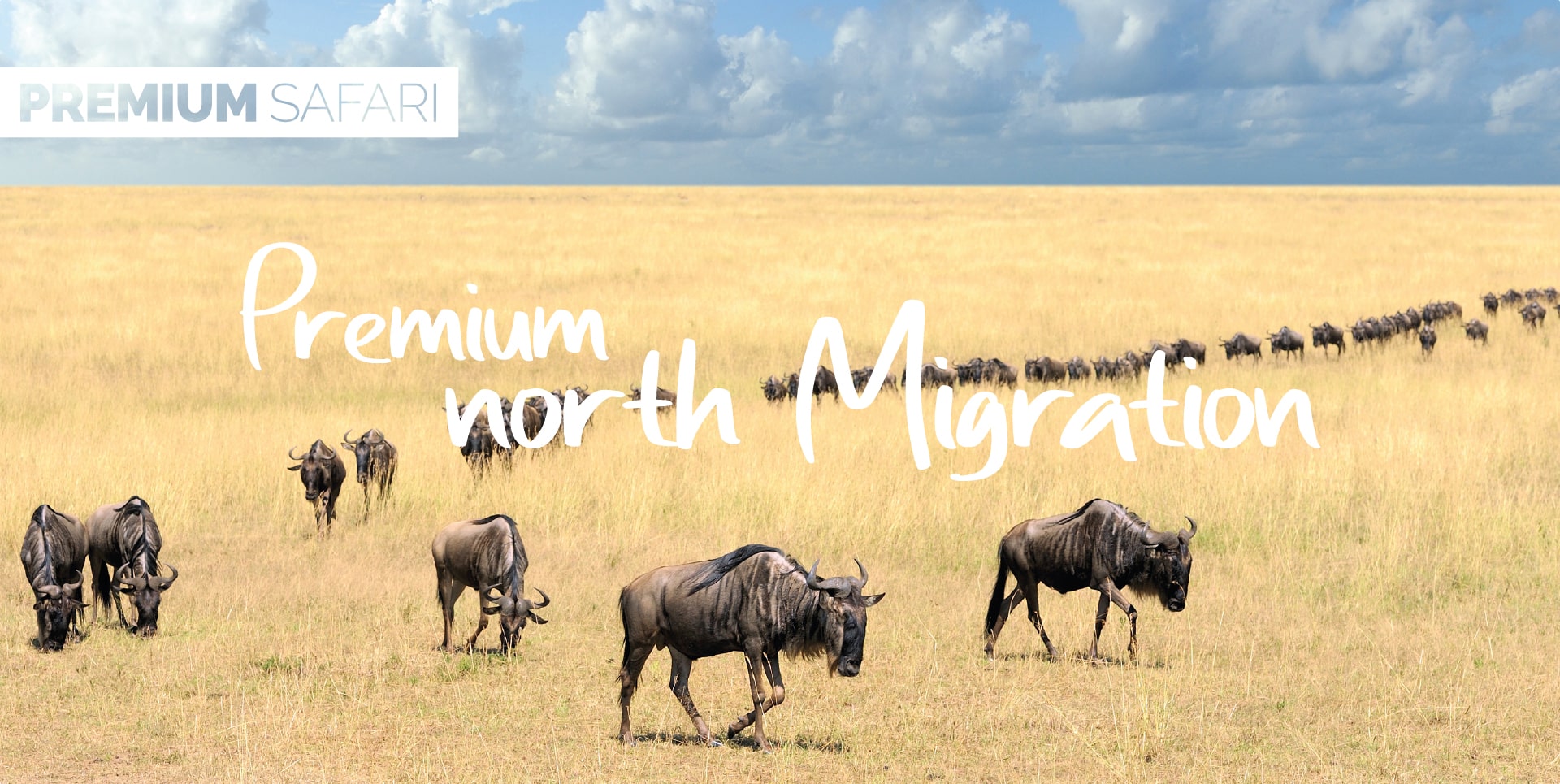
The dry season brings the most dramatic moment of the annual cycle: the famous crossings of the Grumeti and Mara rivers in the northern sector. Hundreds of thousands of wildebeests and zebras face treacherous currents and lurking crocodiles in a natural spectacle of unique intensity. The sparse vegetation makes it easy to spot predators, while the climate offers sunny days and cool nights. This is the ideal time of year for first-time safari adventurers, although the increased tourist numbers require careful planning for an optimal experience.
Short rains transform the Serengeti into a vibrant green mosaic. In this transitional phase, herds begin to move south, followed by predators, while the skies fill with migratory birds. The big advantage is the reduced tourist density, which allows for a more intimate experience with fewer vehicles and better rates. The occasional afternoon rains create extraordinary light conditions for photography, with dramatic skies and spectacular sunsets over the savannah.
The park is huge and divided into areas with unique characteristics. Depending on the time of year and the interest of the traveller, specific areas may be preferred. With an area of more than 14,750 km², the Serengeti has an amazing variety of habitats that support distinct ecosystems. This diversity allows for flexible visit strategies, adaptable to the seasons and specific interests. Each region offers a distinctive experience, from the density and variety of animals present to the lay of the land, from the types of accommodation available to the ease of access. Knowing the peculiarities of each area maximises the chances of significant sightings and the safari experience, especially for those who have limited time and want to optimise their itinerary.
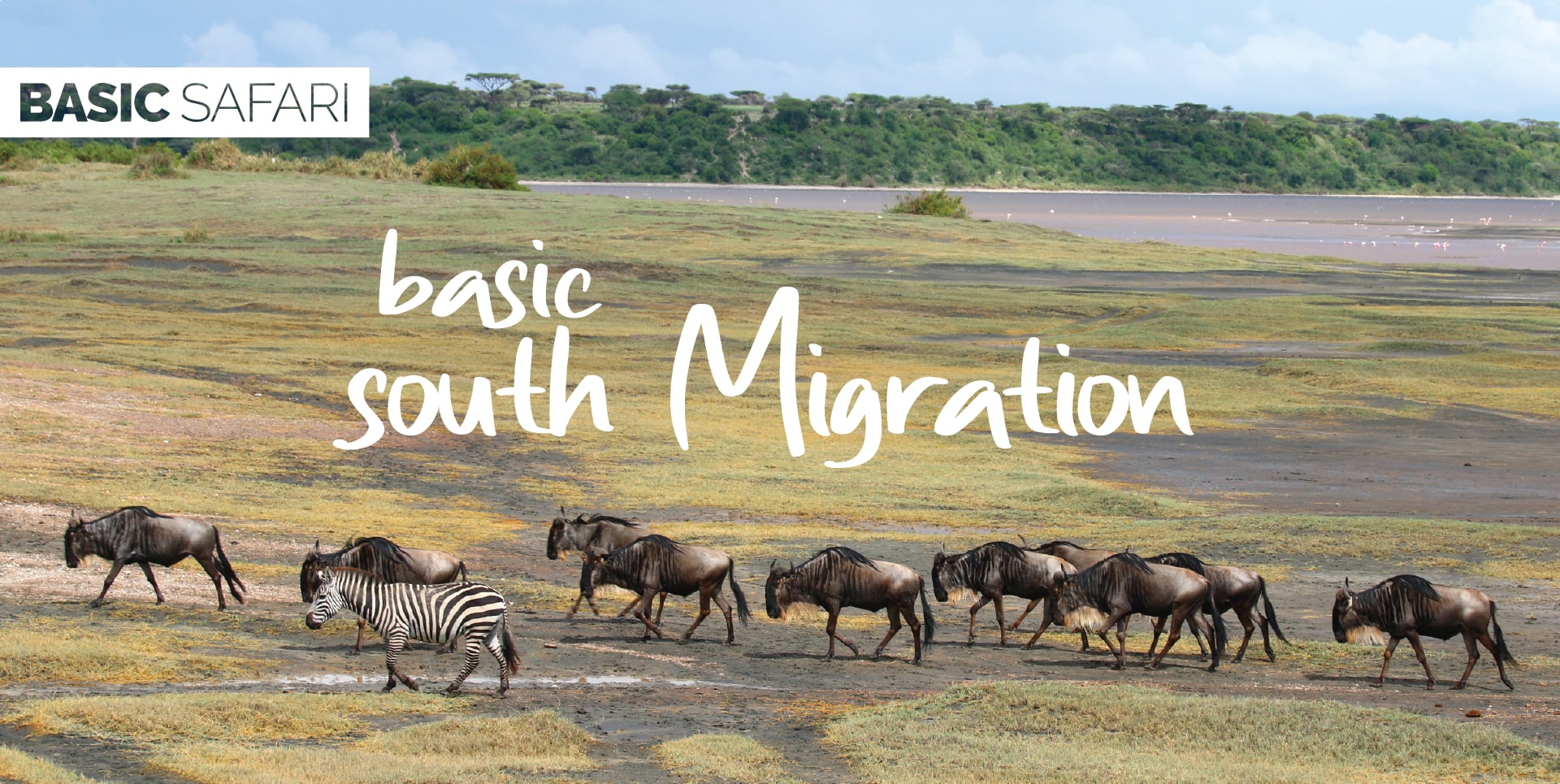
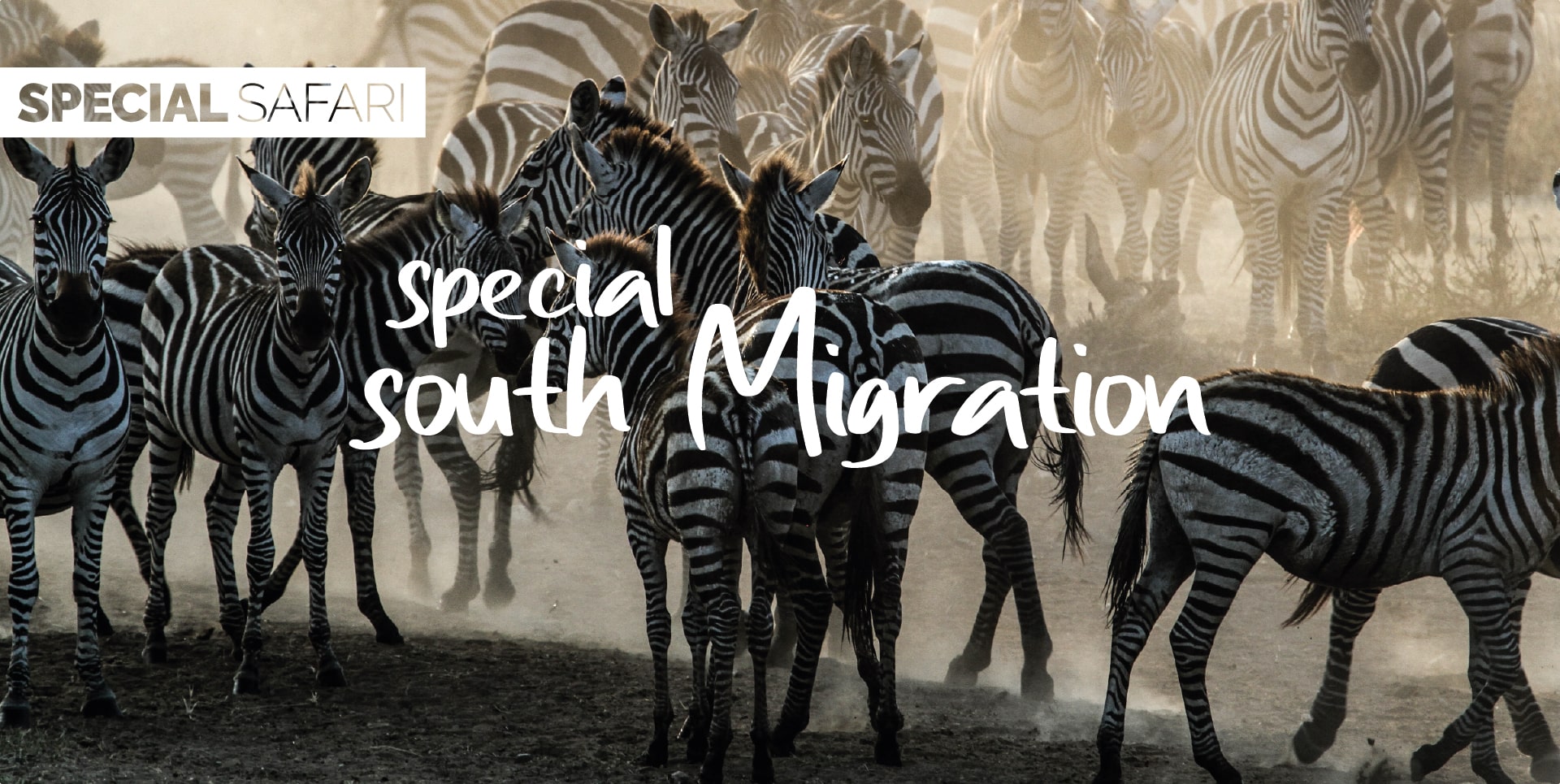
The southern region, with the Ndutu area as its hub, presents a unique landscape where grassy savannah merges with acacia forests and small alkaline lakes. This area, divided between the Serengeti and the Ngorongoro Conservation Area, hosts the Great Migration between December and March. The area is renowned for its concentration of big cats, especially cheetahs, which find the open plains an ideal hunting habitat. The green highlands of the wet season create perfect settings for photography, with breathtaking colour contrasts between vegetation, animals and often dramatic skies.
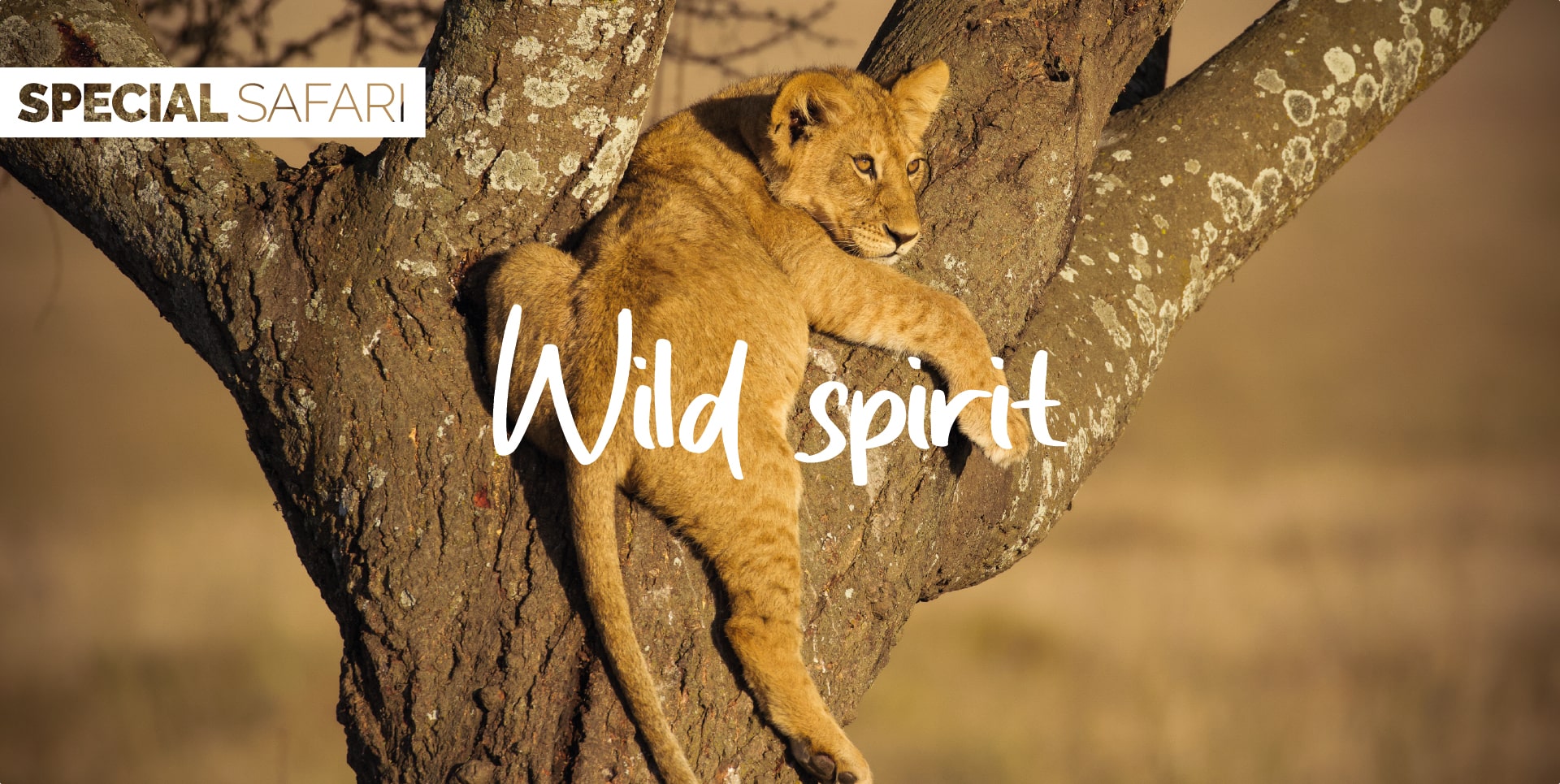
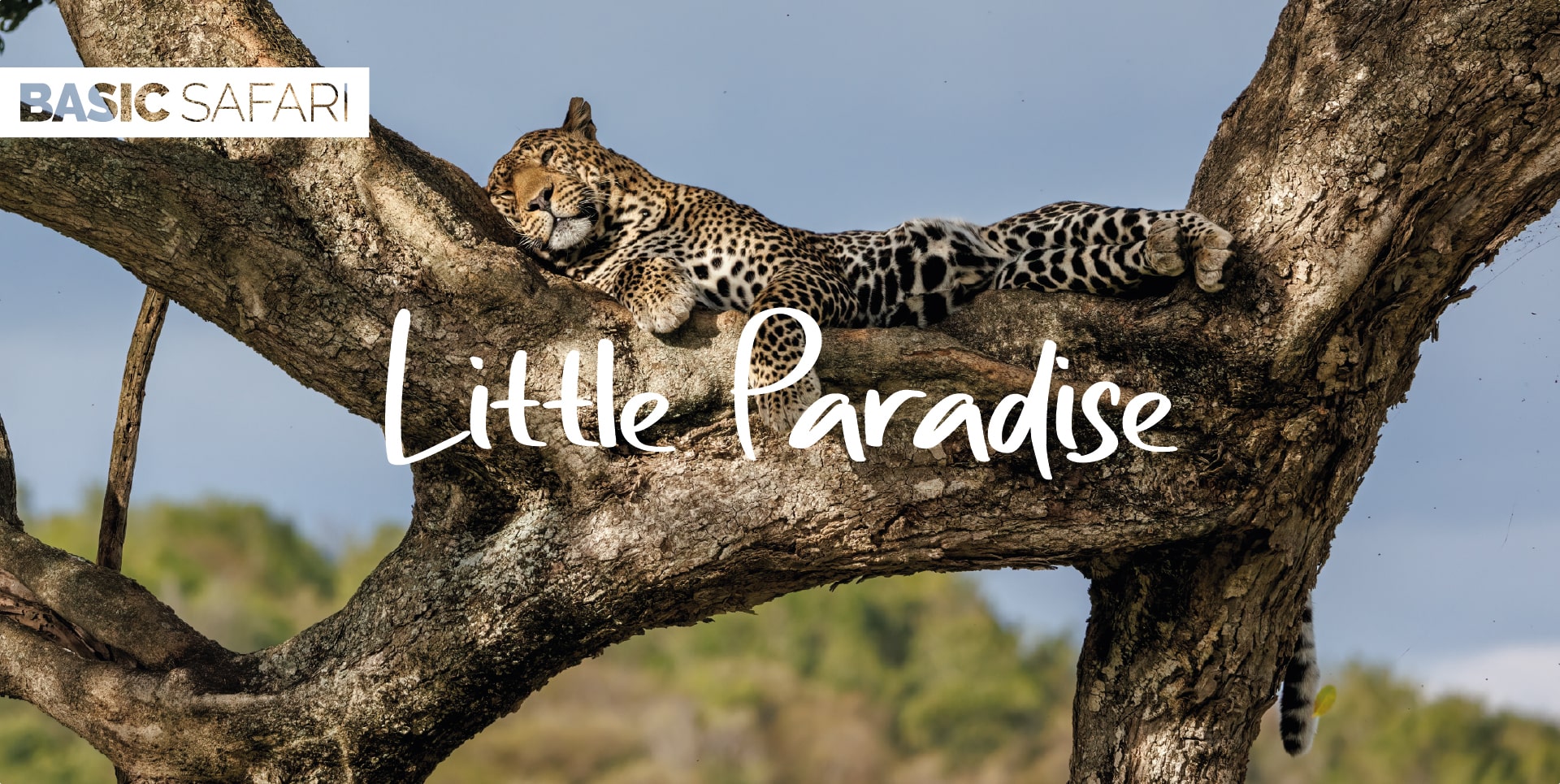
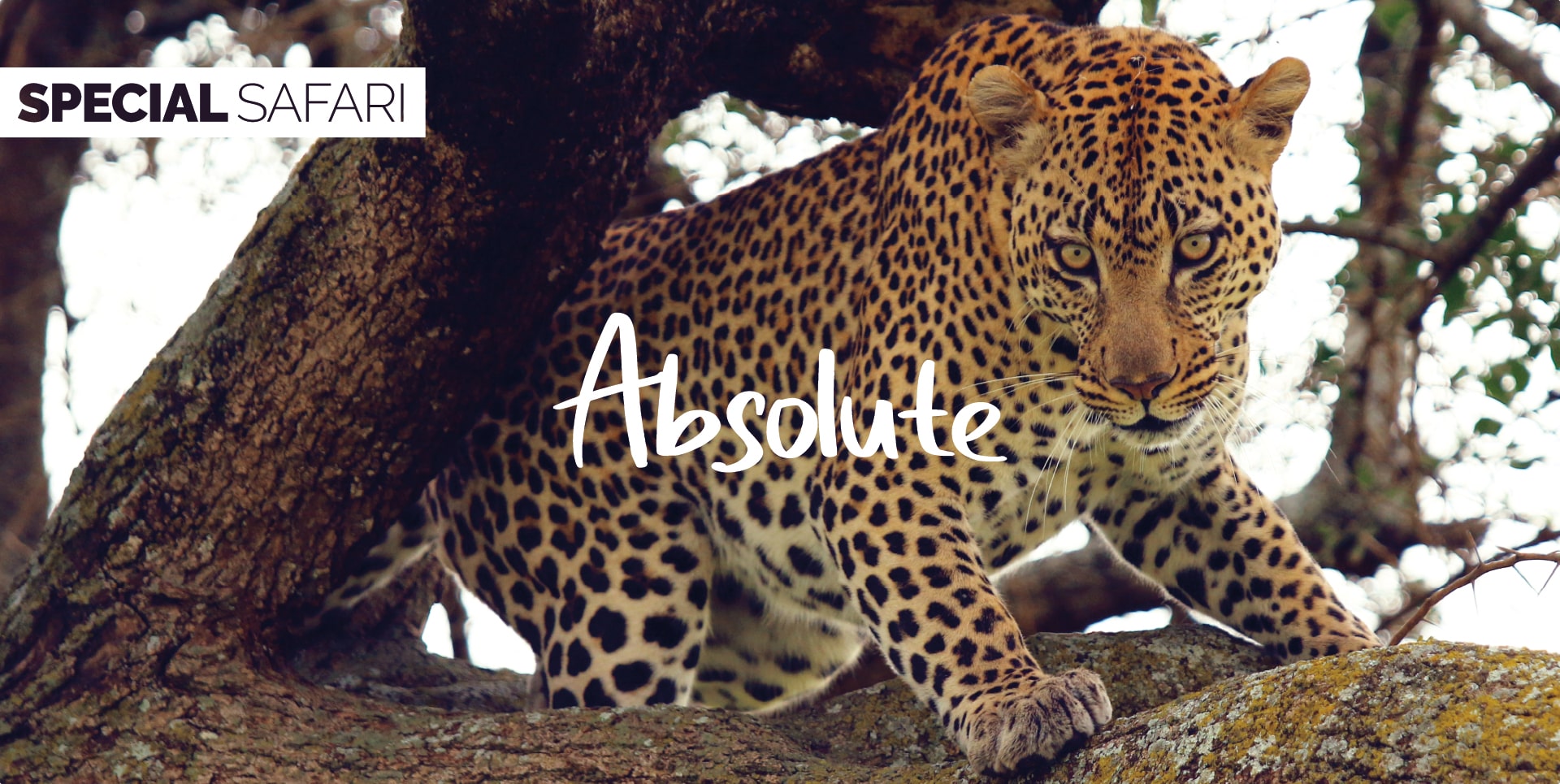
The heart of the park, Seronera, is the most accessible and life-rich area of the Serengeti throughout the year. The presence of permanent rivers ensures abundant wildlife even when the migratory herds are elsewhere. The diverse habitat, with open savannahs, rocky hills (kopjes) and riparian forests, supports exceptional biodiversity. The kopjes, ancient granite formations, create micro-ecosystems where lions rest in the sun and leopards survey the territory. This central area is also home to the highest concentration of cheetahs in the entire ecosystem, offering extraordinary sighting opportunities.
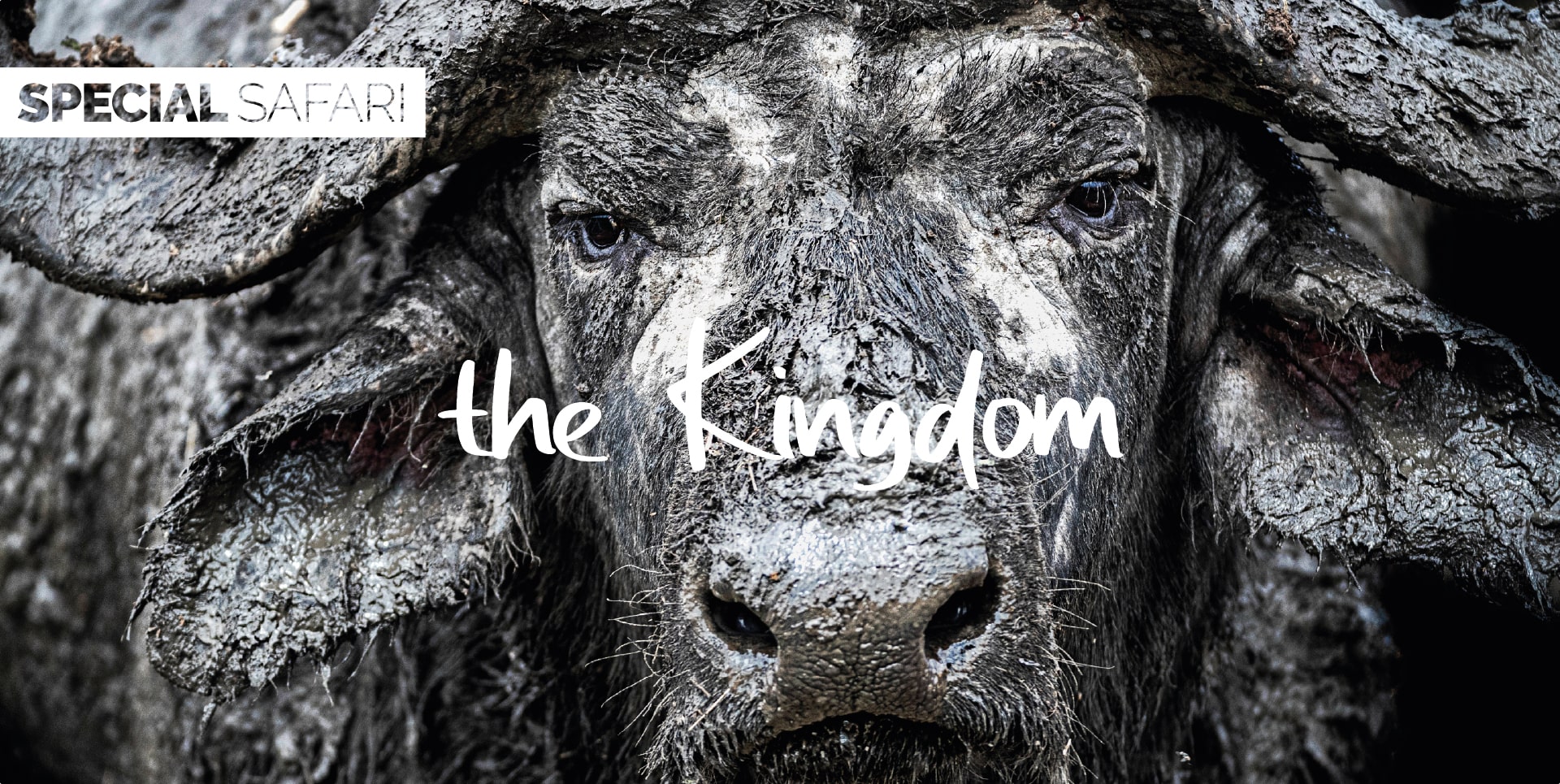
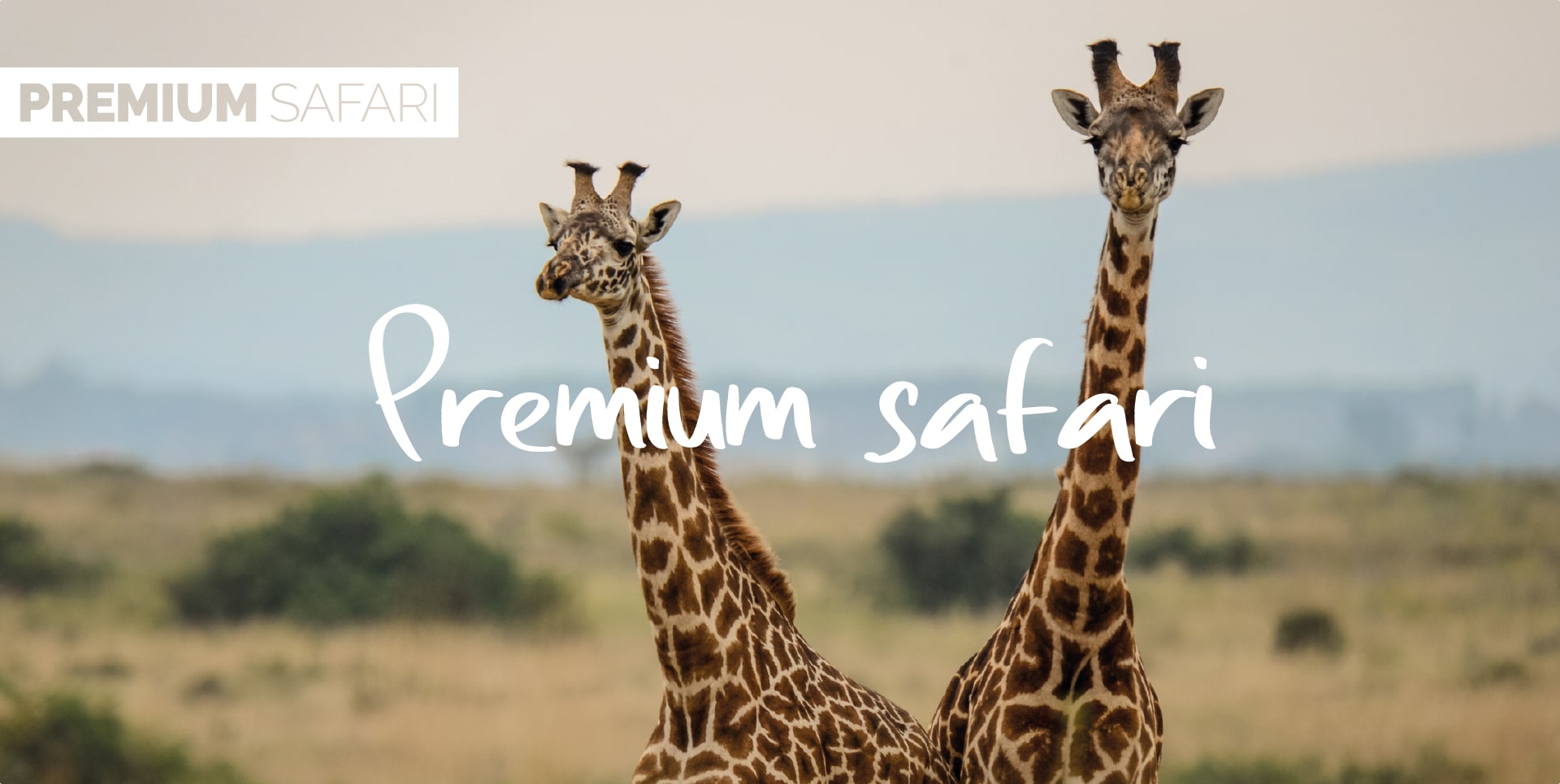
The northern region, with its hilly landscapes and the Mara River, becomes the centre of world attention between July and October, when it hosts the most dramatic and photogenic moment of the entire migration cycle: the river crossing. This area has a unique variety of landscapes: in addition to savannahs, it includes acacia forests, rocky areas and the majestic river with its wooded banks. The diversity of habitats supports a rich resident fauna, including elephants, giraffes and buffalos, as well as predator populations that wait for crossings to ambush them. It is a less visited area during the low season, but offers scenery of incomparable beauty.
The Serengeti can be experienced in different ways: by jeep safari, photographic trips or staying in mobile camps that follow the movements of the fauna. The choice of safari type profoundly influences the overall experience, determining not only how you will explore the area, but also the type of wildlife encounters and level of comfort. Each option offers specific advantages and suits different needs, preferences and budgets. The flexibility in the organisation allows different modes to be combined within the same trip, creating a customised experience that maximises the chances of experiencing unforgettable moments.
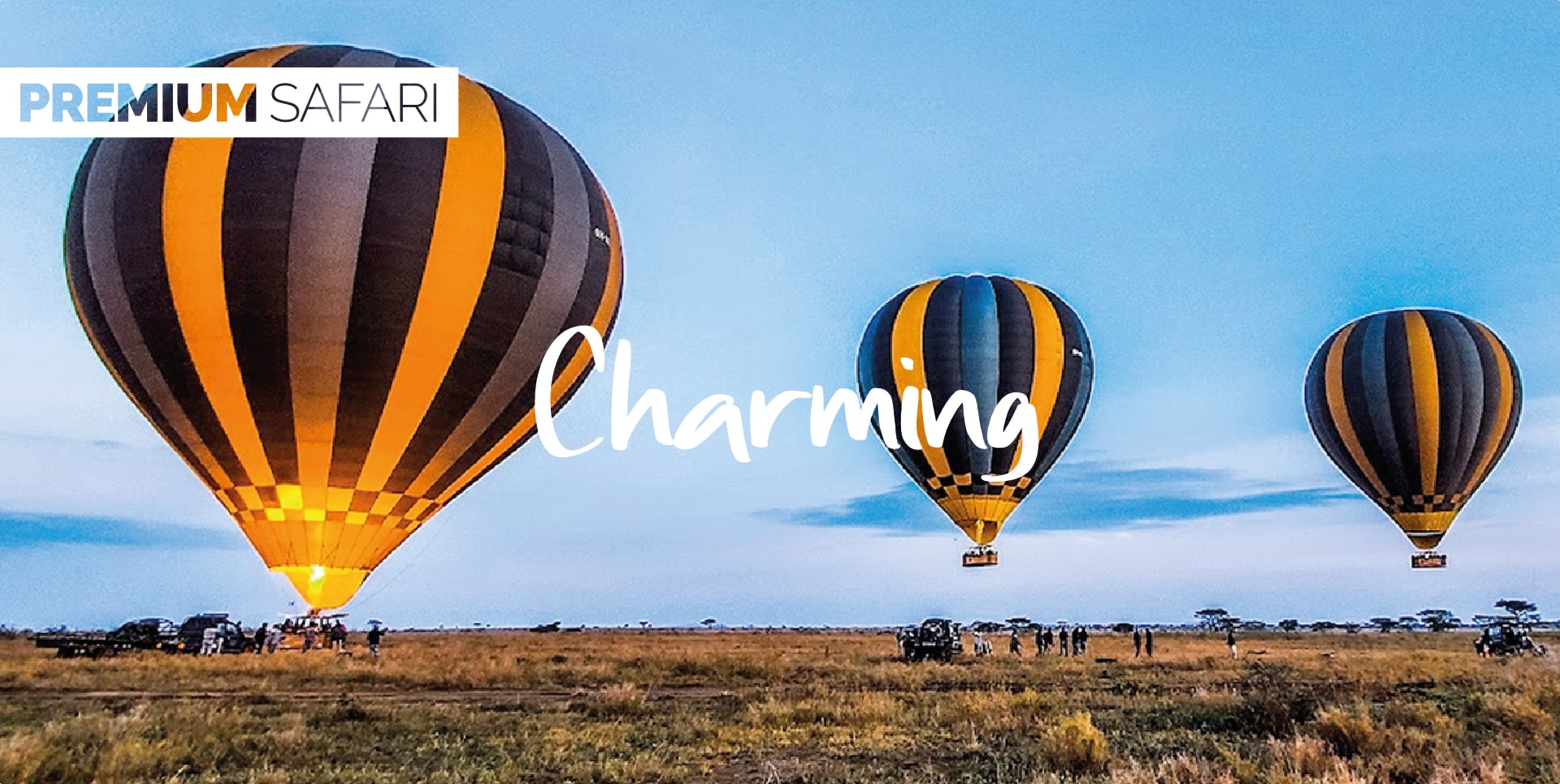
A safari in Tanzania in 4×4 vehicles is the perfect balance of comfort and adventure. These safaris allow you to cover large distances to follow the wildlife and safely approach the animals. The modern vehicles offer ample space for passengers, elevated seats for an optimal view and electrical outlets to recharge your camera equipment. Experienced guides not only locate the animals with amazing skill, but also enrich the experience with detailed explanations of the fauna’s behaviour and the dynamics of the ecosystem.
Photographic safaris in Tanzania are designed to maximise shooting opportunities. With flexible timings, they take advantage of the best light conditions at dawn and dusk, when the animals are most active. The vehicles are configured with stabilisers for telephoto lenses, side openings for ground-level shots and limited space for equipment. Led by experienced wildlife photographers, these safaris emphasise quality over quantity, taking the time to capture the perfect moment, be it a running cheetah or the intimate behaviour of a herd of elephants.
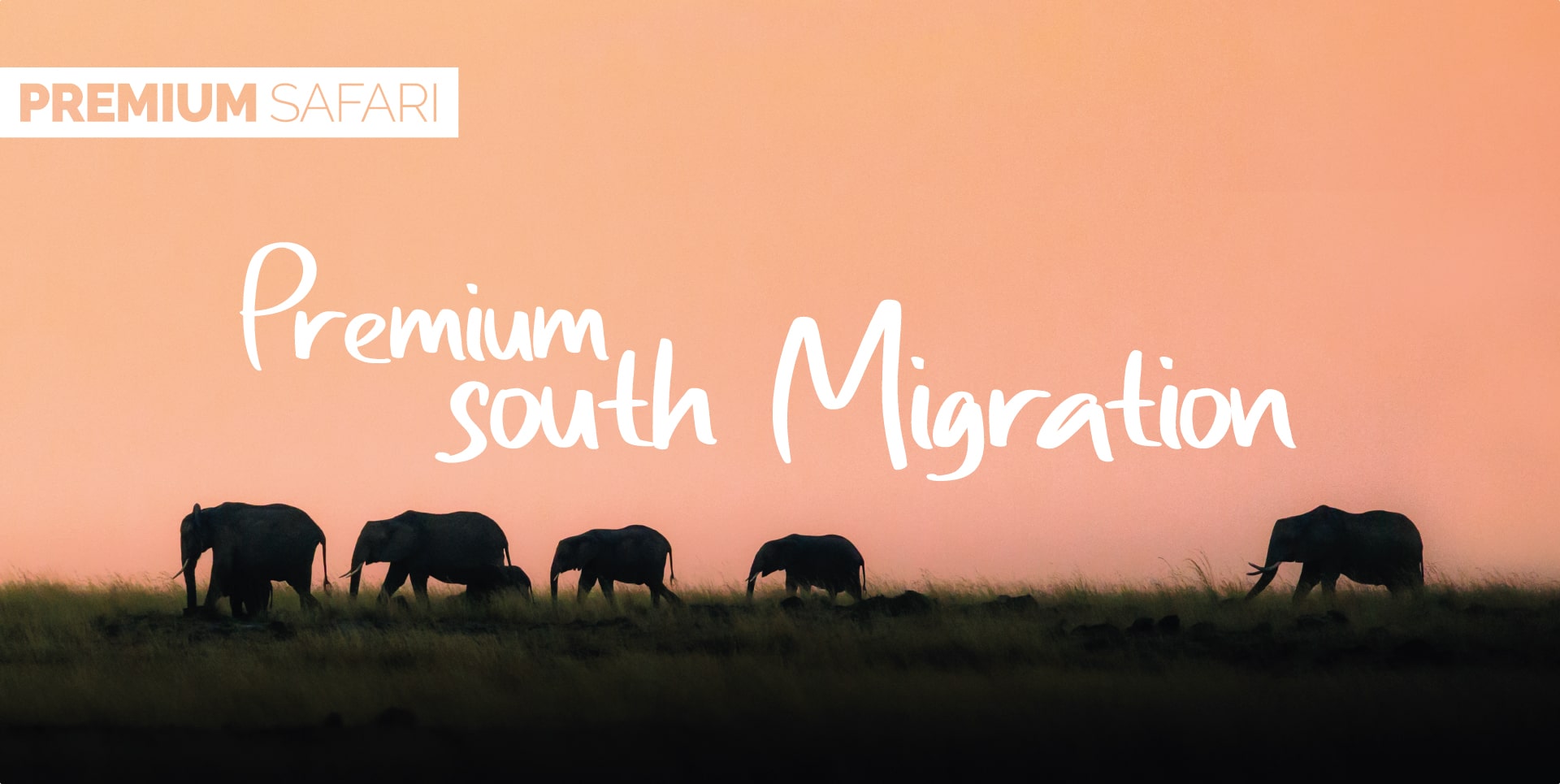
The choice of accommodation profoundly defines the overall experience. Permanent lodges offer more comfort with facilities such as swimming pools and Spas, ideal for relaxing after intense days on safari. For a more immersive experience, mobile tented camps move with the migration, ensuring that you are always in the heart of the action. Despite their temporary nature, they offer surprising comfort with spacious tents, real beds and private bathrooms. Sleeping with only the fabric of the tent separating you from the savannah adds a dimension of primal connection, with the nocturnal sounds of wildlife as a soundtrack.
A trip to the Serengeti brings thrills every day: close-up sightings, breathtaking sunsets and the feeling of being truly far away from it all. The experience transcends the simple concept of a holiday to become a total immersion in a primeval world. The quality and intensity of the wildlife encounters, coupled with the magnificence of the landscapes, creates memories that linger long after returning home. Those who visit the Serengeti often describe the experience as transformative, a journey that changes their perspective on nature and their place in the world.
The wildlife richness of the Serengeti practically guarantees memorable encounters every day. Unlike other destinations, the density of animals here makes every outing an adventure full of surprises. In a single day it is common to observe all the Big Five, witness complex social interactions between herds of elephants or admire the elegance of a cheetah on the hunt. These encounters take place against backdrops of primeval beauty: golden plains as far as the eye can see, ancient rock formations and immense skies that dominate the horizon in light shows that no photograph can truly capture.
The Serengeti experience is profoundly enhanced by the quality of the guides. An excellent field naturalist turns every sighting into an opportunity to understand the complex dynamics of the ecosystem. The best guides possess encyclopaedic knowledge of the local wildlife, exceptional tracking skills and an infectious passion. Contrary to expectations, a safari in the Serengeti does not mean giving up comfort. The accommodation facilities impress with the quality of cuisine and services, even in the most remote conditions. The real magic happens when this comfort merges with authenticity: falling asleep to the sound of lions in the distance while wrapped in fine bedding, or having breakfast at dawn while watching giraffes silhouetted against the horizon.
Those who want an itinerary designed to best explore this natural wonder can discover our safaris, where each tour is described in detail and updated according to seasonality.
Choosing the right partner to organise this experience is as crucial as the destination itself. Relying on a specialised Tanzania safari tour operator allows you to benefit from in-depth field knowledge that makes the difference between a simple trip and a transformative experience.
Operators with specific experience on the Serengeti understand the movement patterns of animals in different seasons and know where to position themselves to maximise the chances of extraordinary sightings. They ensure access to the best local guides, the most appropriate accommodation and properly equipped vehicles, which is not insignificant when travelling in remote areas. A good operator does not simply sell a standard package, but creates a customised experience based on desires, timing and budget, ensuring that every moment of the trip meets the highest expectations.
The Serengeti is perfect for both first-time safari goers and experienced travellers. It is also one of the most popular destinations for honeymooners and long stays in the wilderness. The versatility of this ecosystem makes it suitable for different types of travellers, each of whom will find an experience to suit their expectations. The variety of accommodation available also allows you to choose the level of comfort you want, from sophisticated luxury to the authenticity of tented camps, making the Serengeti an inclusive destination that is accessible to different audiences.
For the safari novice, the Serengeti is the perfect choice. The wealth of wildlife guarantees memorable sightings even for beginners, with the near certainty of encountering all the iconic animals that populate the collective imagination of wild Africa. The well-developed tourism infrastructure ensures a comfortable experience even for those unfamiliar with remote destinations. Accessibility is another strong point: the park is easily accessible, with regular air connections, and can be explored effectively even on short safaris, with accommodation facilities offering options for every preference.
The Serengeti is an ideal destination to celebrate special moments such as a honeymoon, combining the thrill of discovery with unforgettable romantic experiences. Many facilities offer dedicated services for couples: private dinners under the stars, wellness treatments and exclusive accommodations that provide privacy and an intimate atmosphere. For the more experienced traveller, the Serengeti offers depth and complexity that continues to surprise even after multiple visits. The vastness of the park makes it possible to explore less-travelled areas, concentrating on specific interests such as observing rare species, specialised photography or investigating particular animal behaviours.
More than a trip, a safari in the Serengeti is an indelible memory, a way to rediscover the primordial beauty of the planet and our connection with nature. It is not just about seeing exotic animals or breathtaking scenery, but an experience that touches deep chords in the human soul. There is something transformative about witnessing wild life in its purest and most authentic form, far from the distractions of modern life. The memories created during a safari in the Serengeti have the extraordinary ability to remain vivid over time, resurfacing with clarity even years later.
Visiting the Serengeti means coming into contact with a primordial and authentic Africa, where nature still dictates its ancestral rules in a world increasingly shaped by man. In an era of increasing urbanisation and artificialisation of natural environments, this ecosystem represents one of the last sanctuaries where it is possible to experience the planet as it was before human intervention. The power of this experience derives from its immediacy: there are no barriers or filters between the visitor and the wilderness, only the respectful detachment necessary to observe without interfering.
Those who have experienced the Serengeti take with them not only photographs and memories, but an interior transformation that lasts well beyond the return home. The direct contact with the great cycles of nature, the observation of wild life in its purest manifestations, the immensity of the open spaces that reshapes everyday worries, all these elements leave a deep impression. The sounds of the bush at dawn, the smell of the earth after a thunderstorm, the thrill of a close encounter with a herd of elephants, the majesty of a sunset over the endless plains become part of those who have had the privilege of exploring this natural paradise.