The Ngorongoro Crater is one of those places that look like something out of a nature documentary, but really exist and can be explored first-hand. Currently considered the eighth wonder of the world, it is the flagship tourist attraction of the Ngorongoro Conservation Area.
Located in the heart of northern Tanzania, it is the world’s largest intact volcanic caldera inhabited by wildlife: a closed ecosystem that is home to thousands of free-roaming animals. In this natural amphitheatre, where life still follows the rhythms of the savannah, it is possible to observe all the main protagonists of the African fauna up close.
Where it is located and how to get there
The crater is located in northern Tanzania, within the Ngorongoro Conservation Area, a protected area that is also a UNESCO World Heritage Site. It is about 180 km from the city of Arusha, which is easily reached by internal flights from Dar es Salaam or Kilimanjaro.
Organised tours of the so-called Northern Circuit include the crater in 4×4 jeep programmes, with experienced guides. To book a complete and safe experience, it is advisable to hire a Tanzania safari tour operator who is familiar with the terrain and its rules.
A unique landscape: geological and terrain characteristics
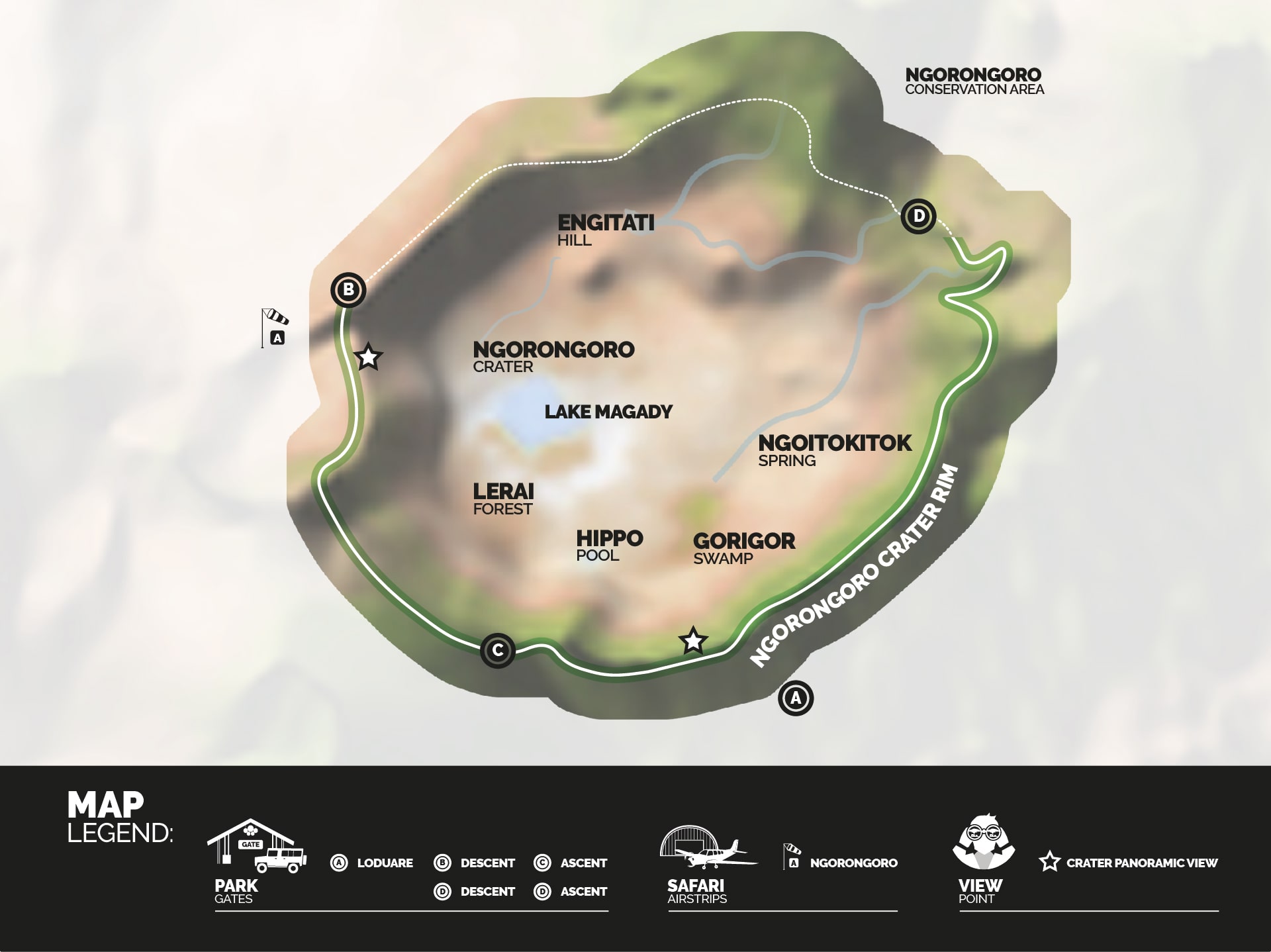
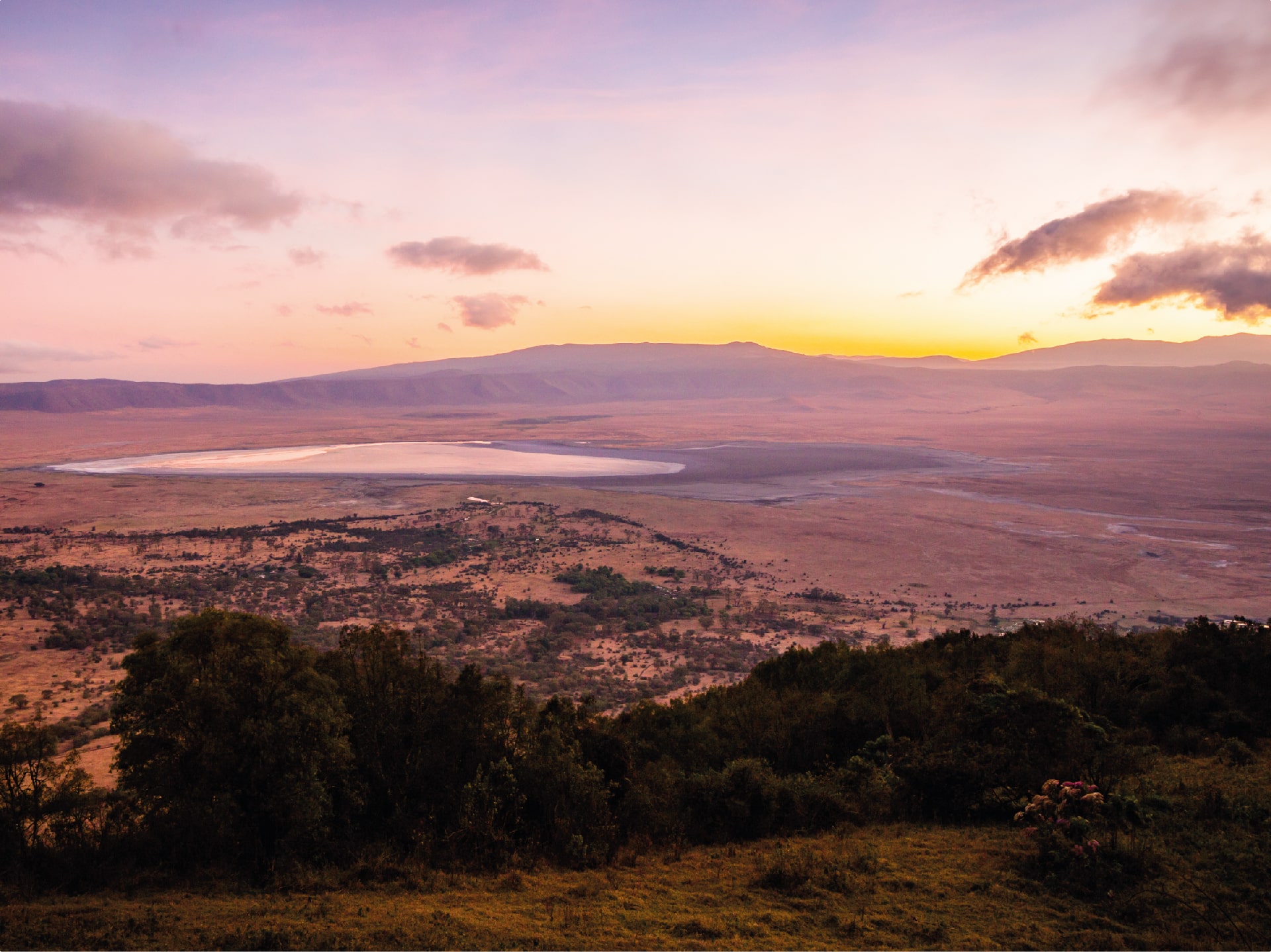
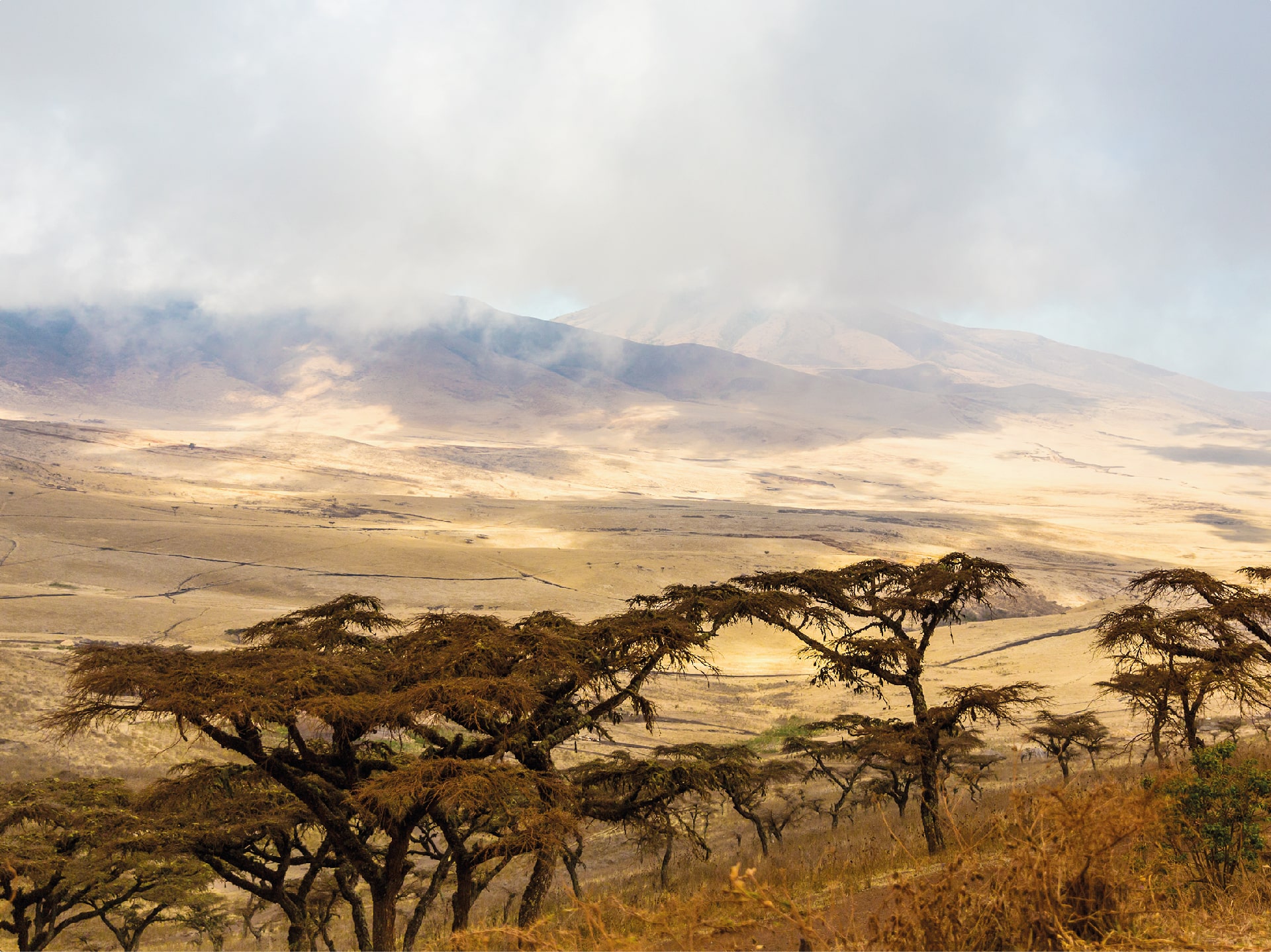
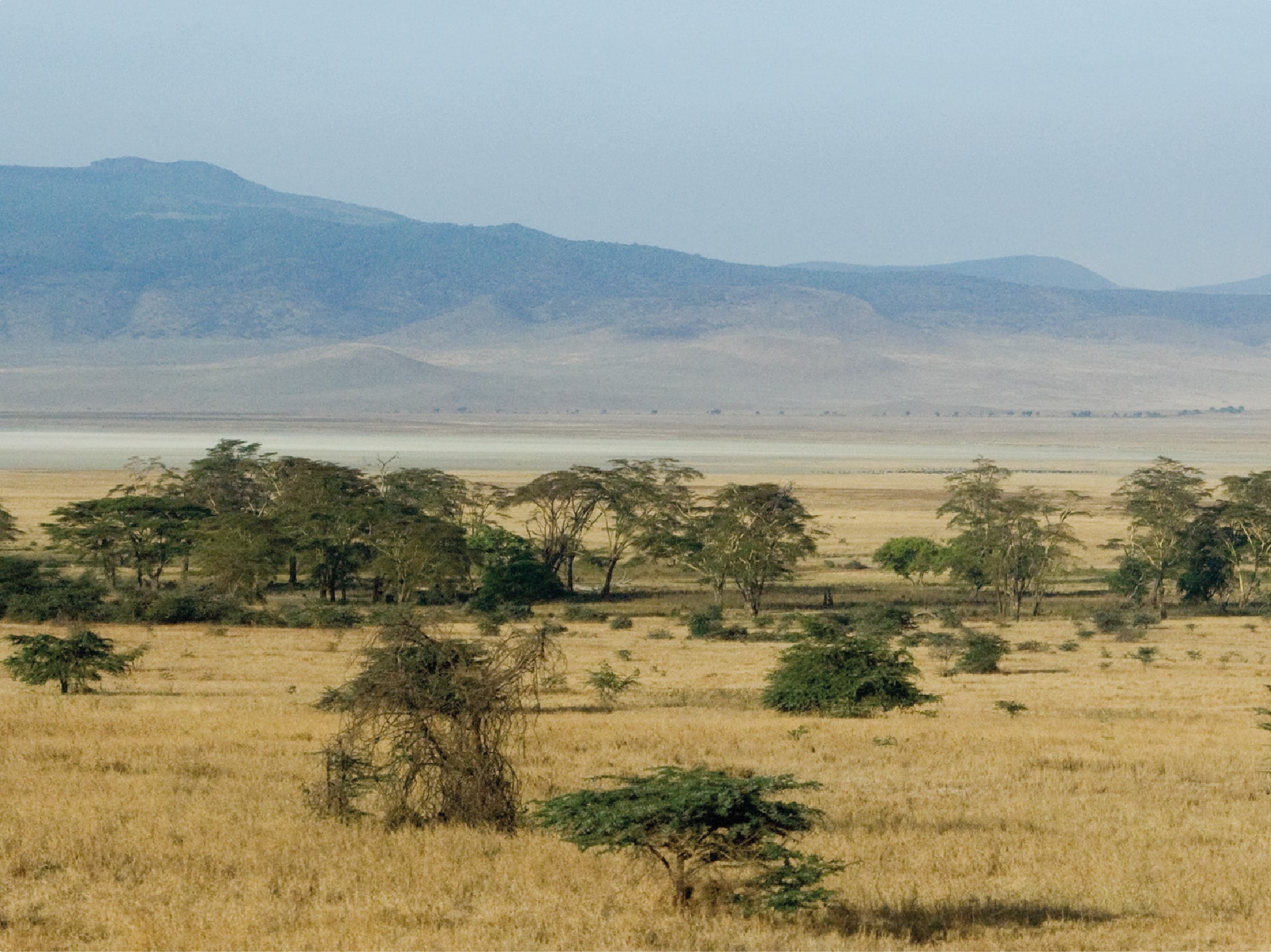
It is a huge, un-flooded caldera formed about 3 million years ago by the collapse of a now inactive volcano. It has a diameter of about 20 kilometres and an average depth of 600 metres. Due to its geological features, it presents a very special environment and, for this reason, unique in the world. Ponds, small inland lakes and streams, and abundant rainfall and night fog contribute to the forests and slopes of the old volcano, creating, in this area, a true ecosystem. Savanna occupies the innermost part of the crater, alternating with stretches of swamp, patches of acacia and semi-desert arid areas. In the center is Lake Magadi, which is shallow and fed by the Munge River. The sight is breathtaking: a circular, enclosed landscape that seems suspended in time.
The Big Five and other animals that can be observed
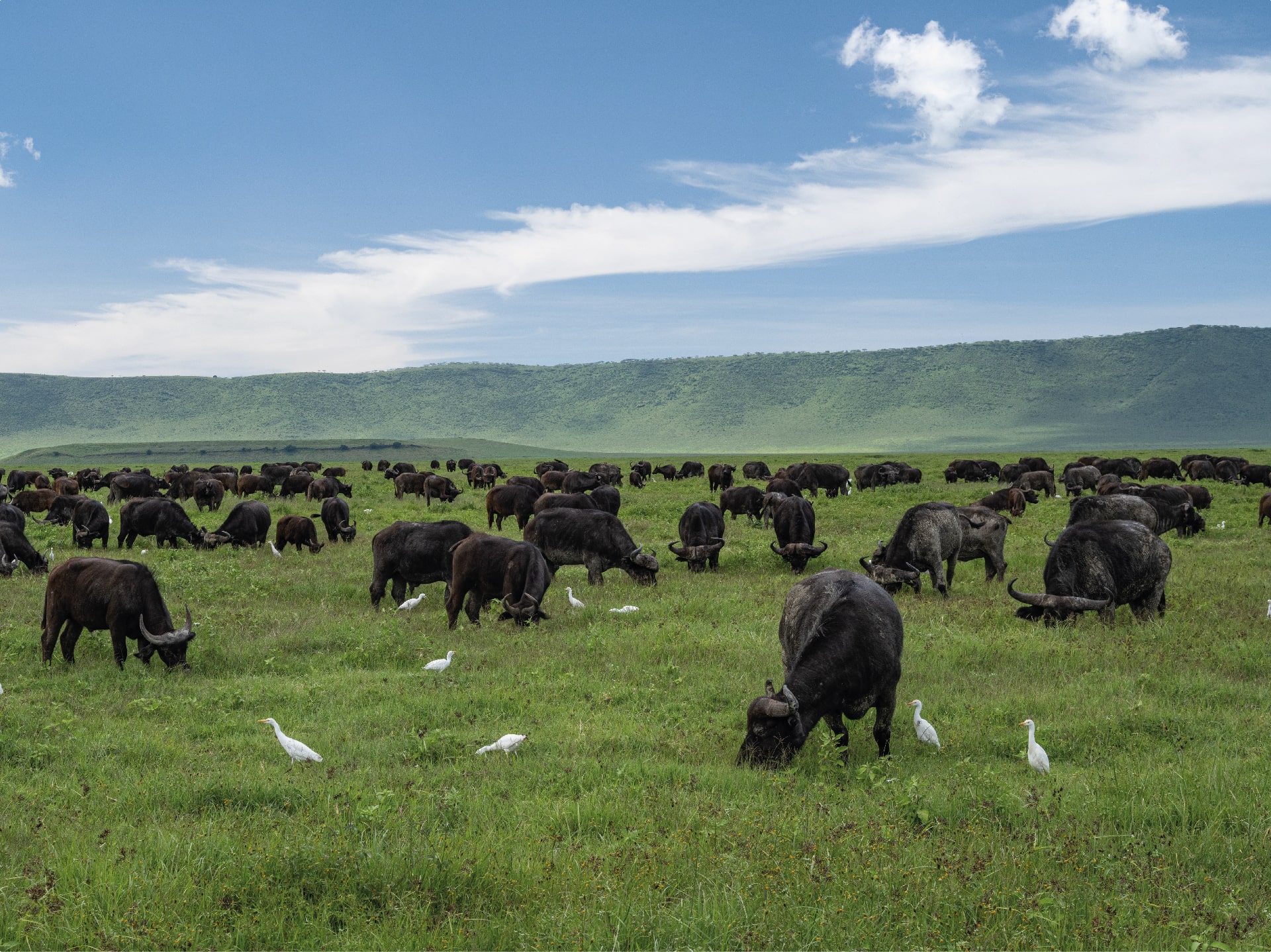
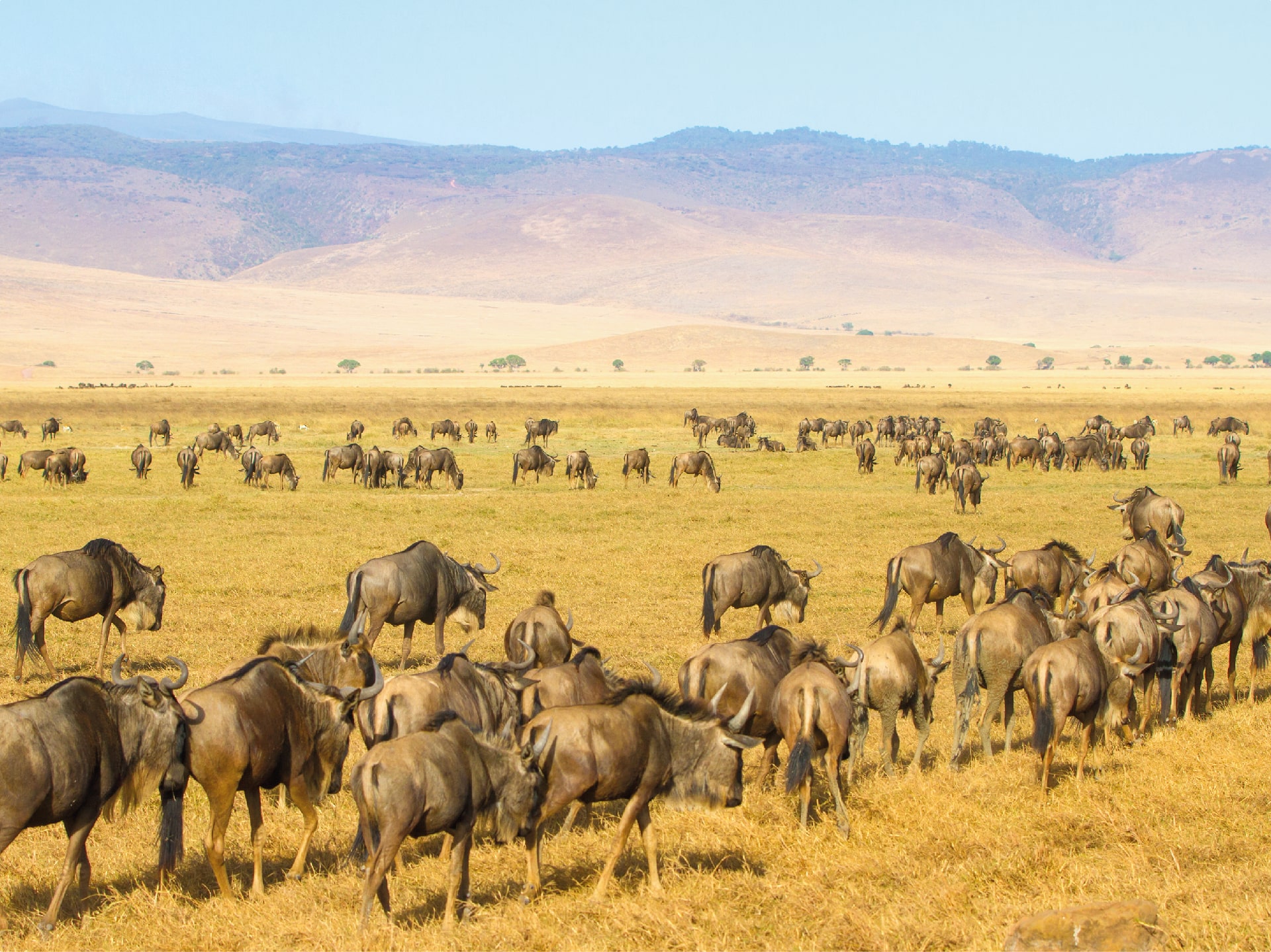
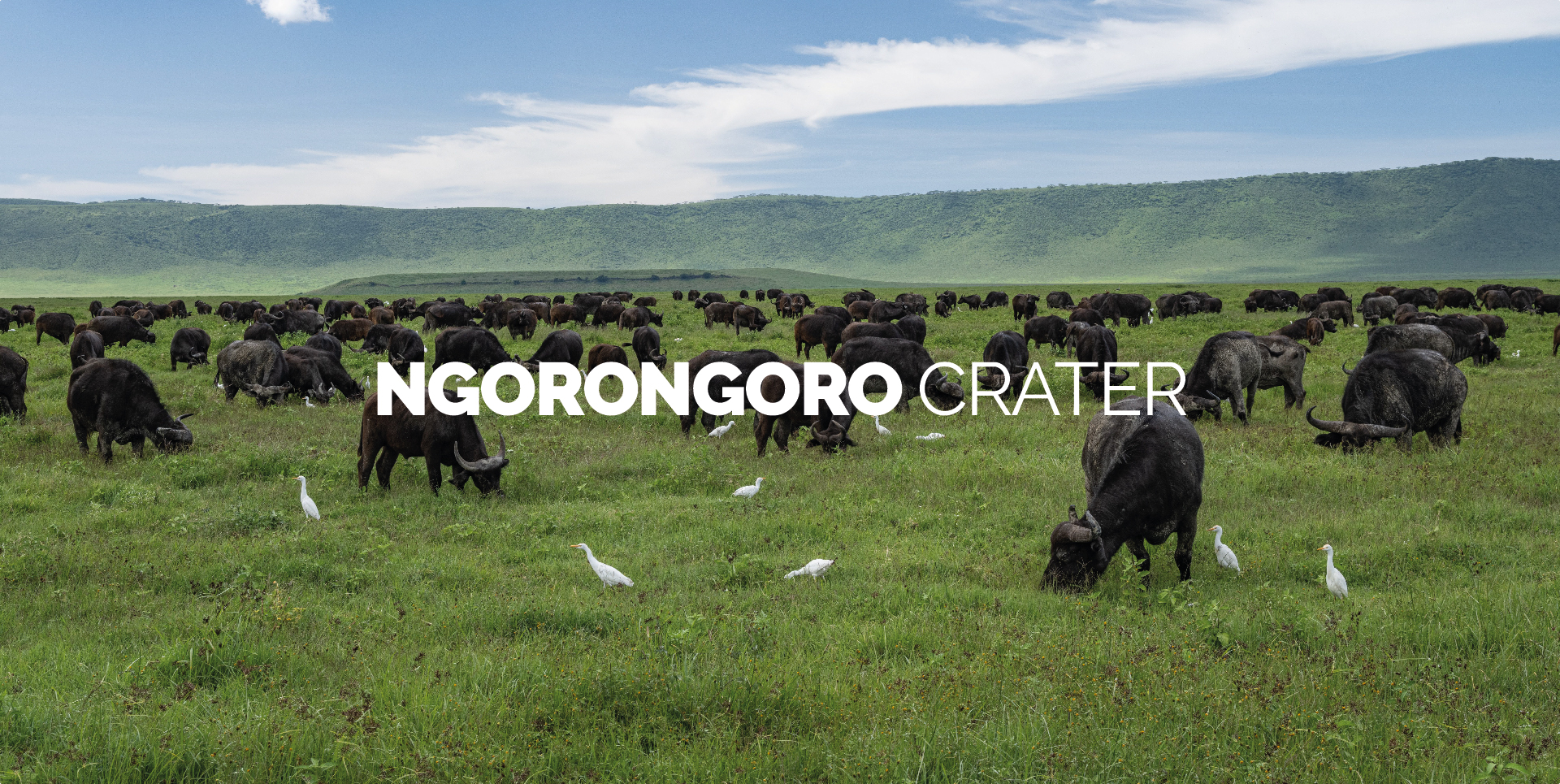
Due to the particular shape of the caldera, wildlife observation at Ngorongoro is excellent throughout the year because most animals do not migrate, preferring the natural protection that the crater offers. Only a small percentage of wildebeests and zebras move in during the rainy season. The caldera floor is home to the highest concentration of wildlife on the planet: an estimated 25,000 large animals reside there permanently, including buffalo, elephants, gazelles, hippos and rhinos, as well as carnivores such as lions, hyenas, jackals and cheetahs. The dense forest that covers the edges of the crater is a favorite refuge for leopards, warthogs and many bird species. Of particular note is the absence of giraffe and impala, but surely, it is one of the few places in all of Africa where you can encounter all of the “Big Five”: elephant, rhinoceros, buffalo, lion and leopard. The density of animals is such that even novice photographers manage to capture spectacular moments.
In which safaris it is usually inserted
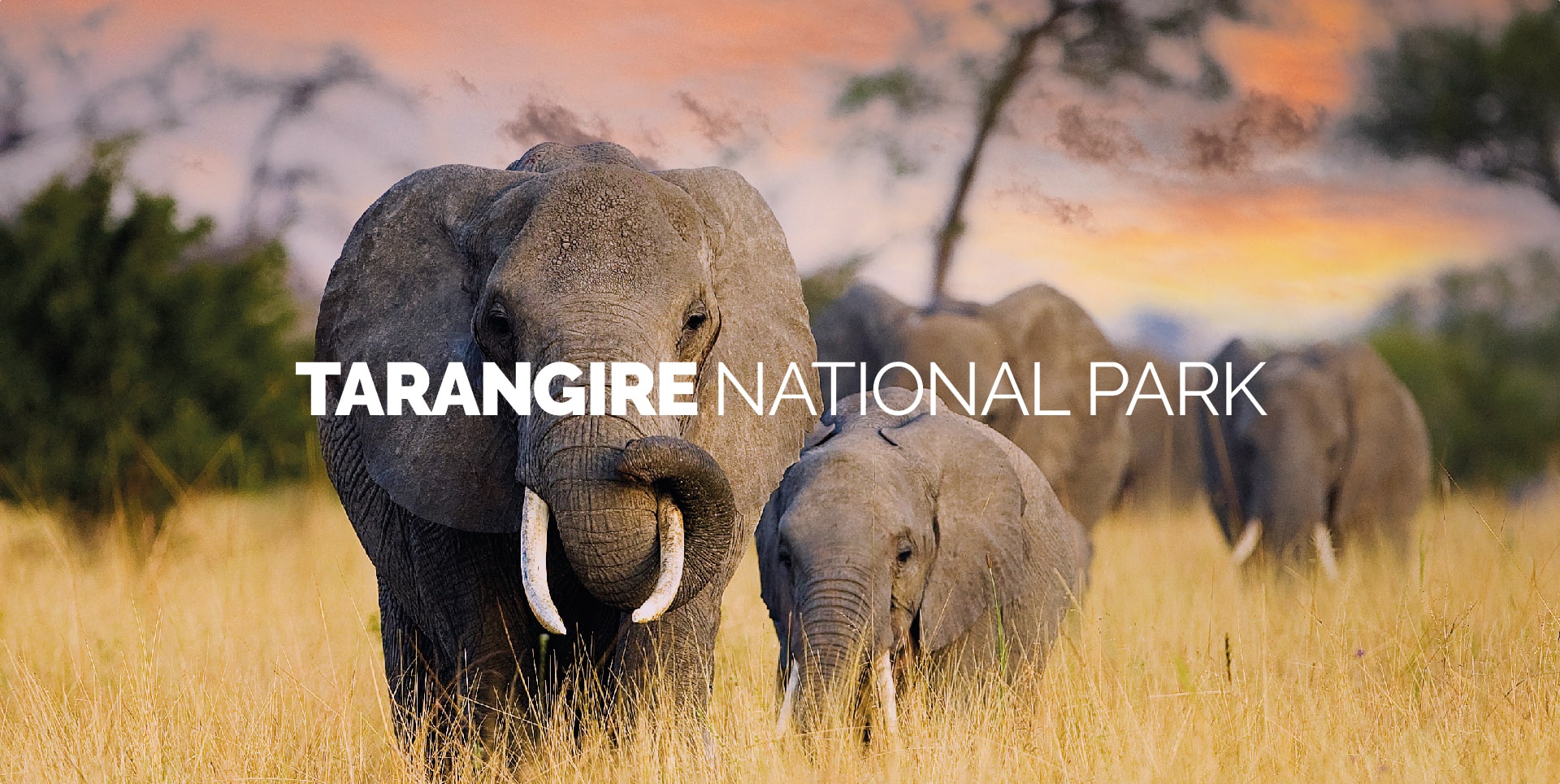
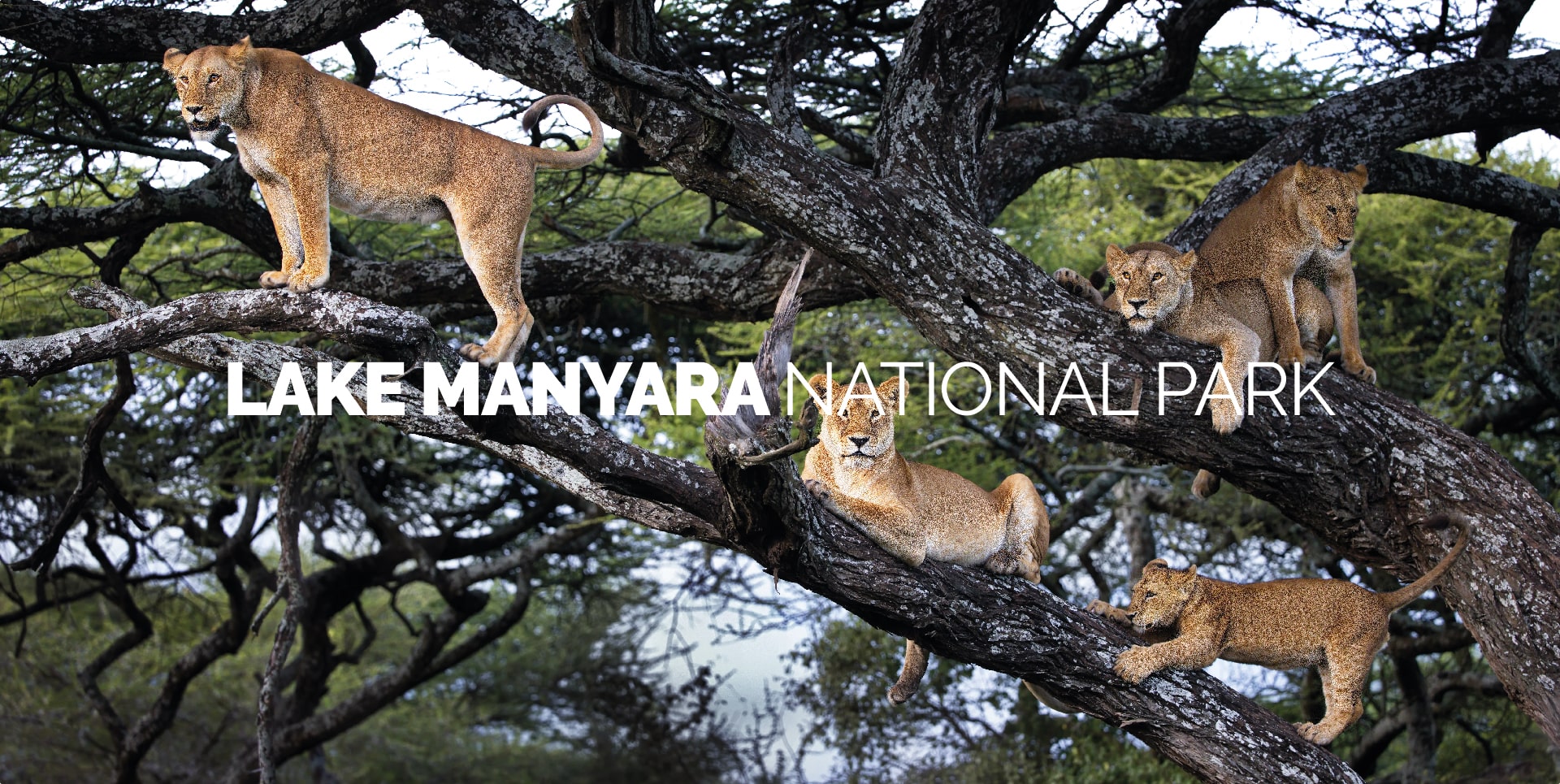
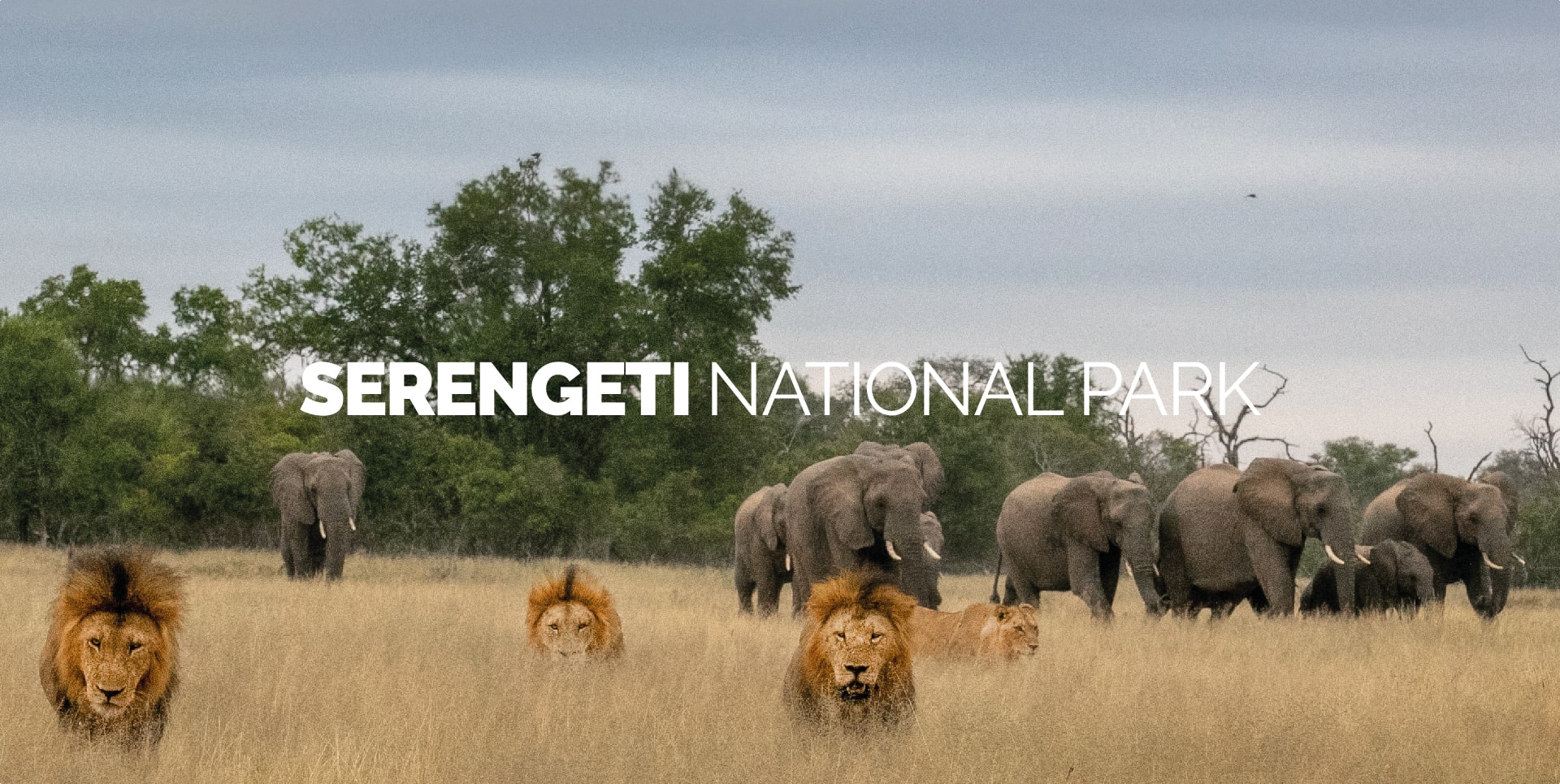
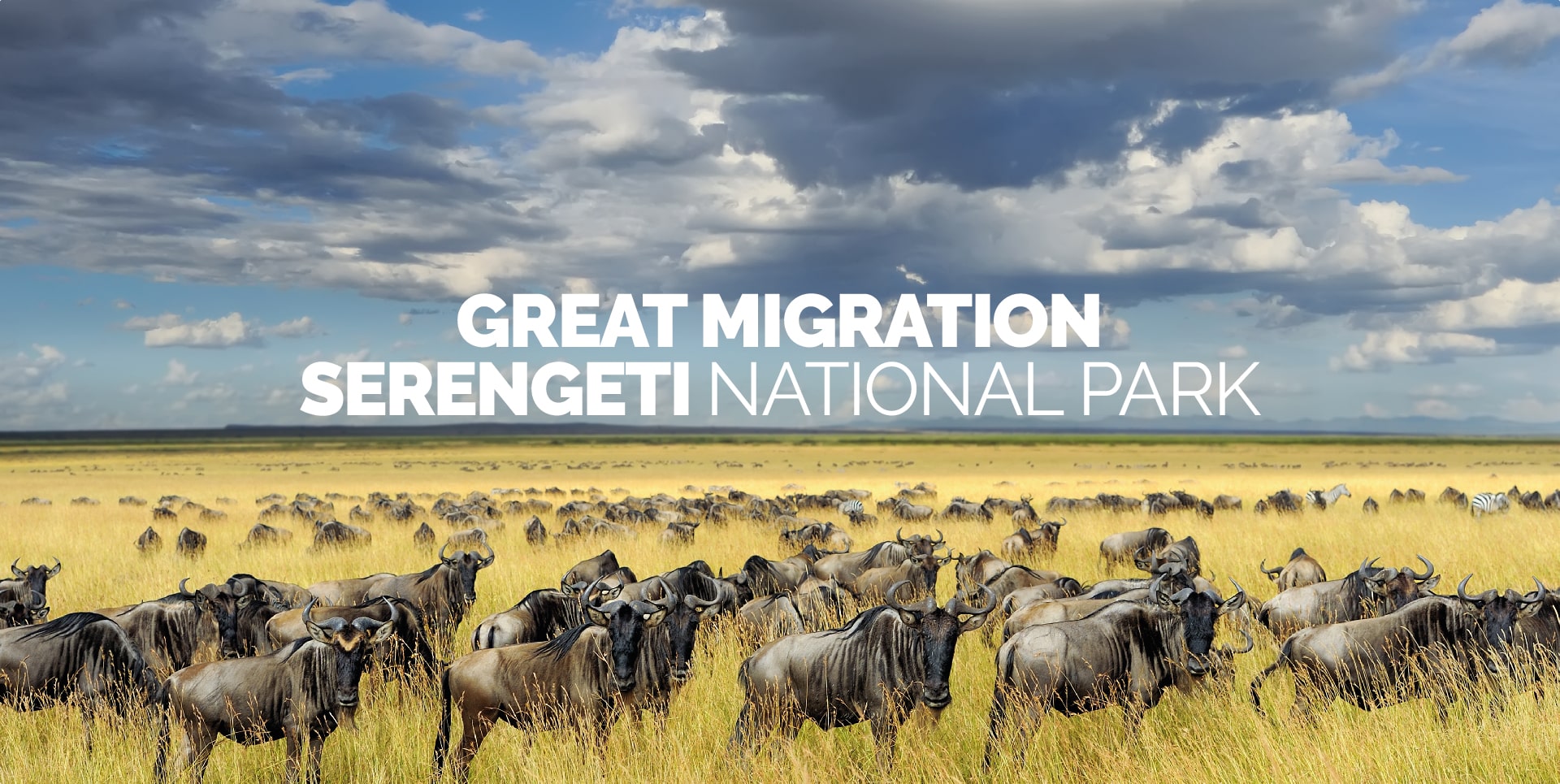
The crater is often included in safaris of 4 days or more exploring Tanzania’s northern parks. It is a must-see in combination with legendary places such as the Serengeti National Park (find out more), the Tarangire and Lake Manyara.
Generally, tours include a full day game drive inside the caldera, with descent in the morning and exit in the afternoon, in order to comply with reserve regulations.
Access and regulations to be known
Visiting the Ngorongoro Crater also means respecting precise rules, which are fundamental for the conservation of the environment. Entry is only allowed during specific daily hours and game drives are limited to a maximum of 6 hours. The presence of a certified guide is compulsory and it is not permitted to get out of the vehicle, except in authorised areas. These restrictions ensure both the safety of visitors and the protection of the wildlife that lives undisturbed within the crater.
Panoramic viewpoints and breathtaking views from the top of the crater
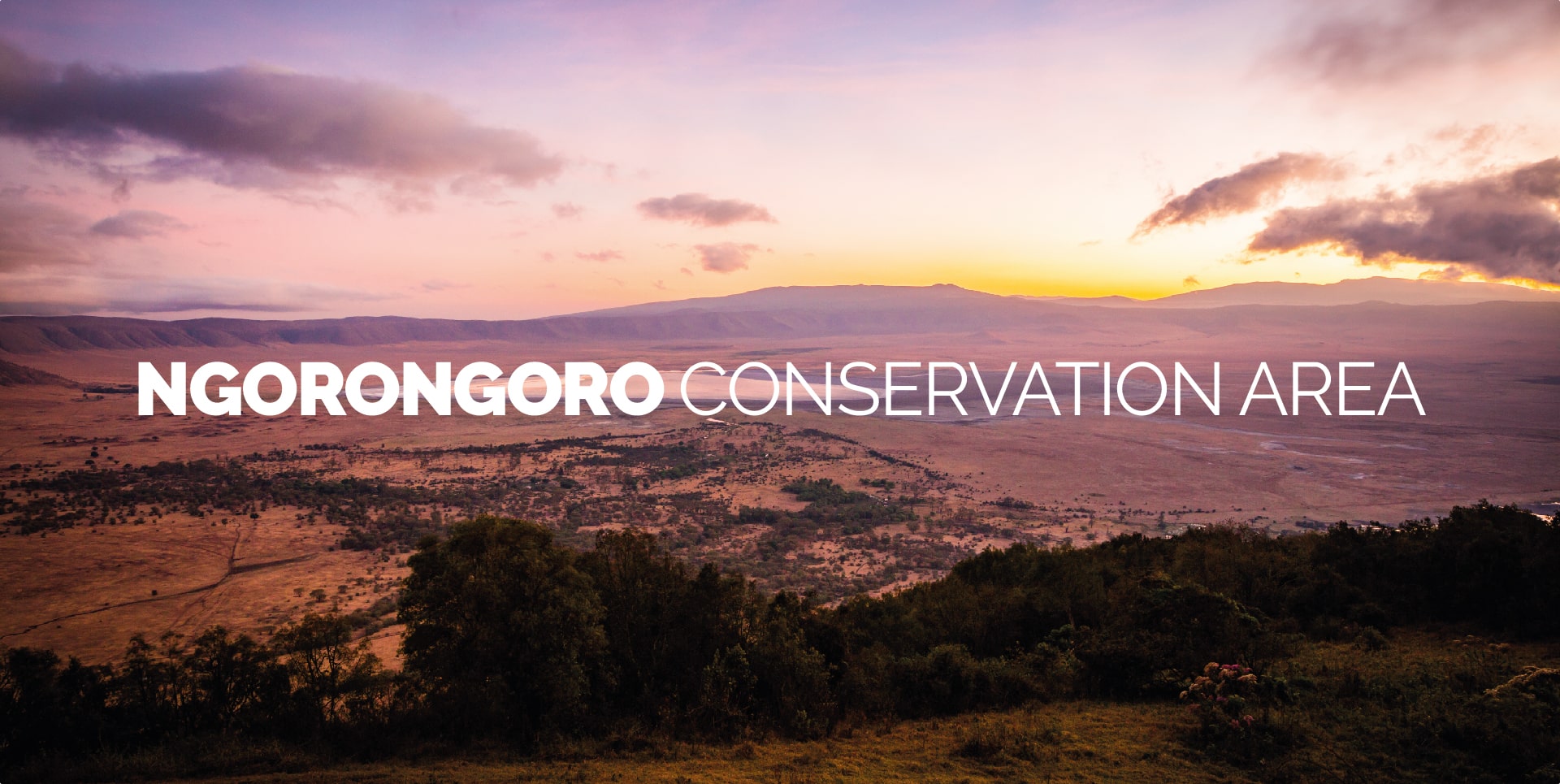
One of the most striking moments of the visit is the arrival at the edge of the caldera. From here, the view is unparalleled: a natural amphitheatre that seems to be painted opens up before your eyes.
- The main viewpoint, along the access road from Karatu, is perfect for taking the first photos of the entire crater.
- Other photo points are located on the eastern and western edges, ideal for watching the sunrise or sunset over the savannah horizon.
Activities available in and around the crater
The main activity inside the caldera is the game drive, lasting half or full day. But there are other interesting experiences:
- Birdwatching near Lake Magadi, especially during the rainy season
- Walking Safari on the edge of the crater
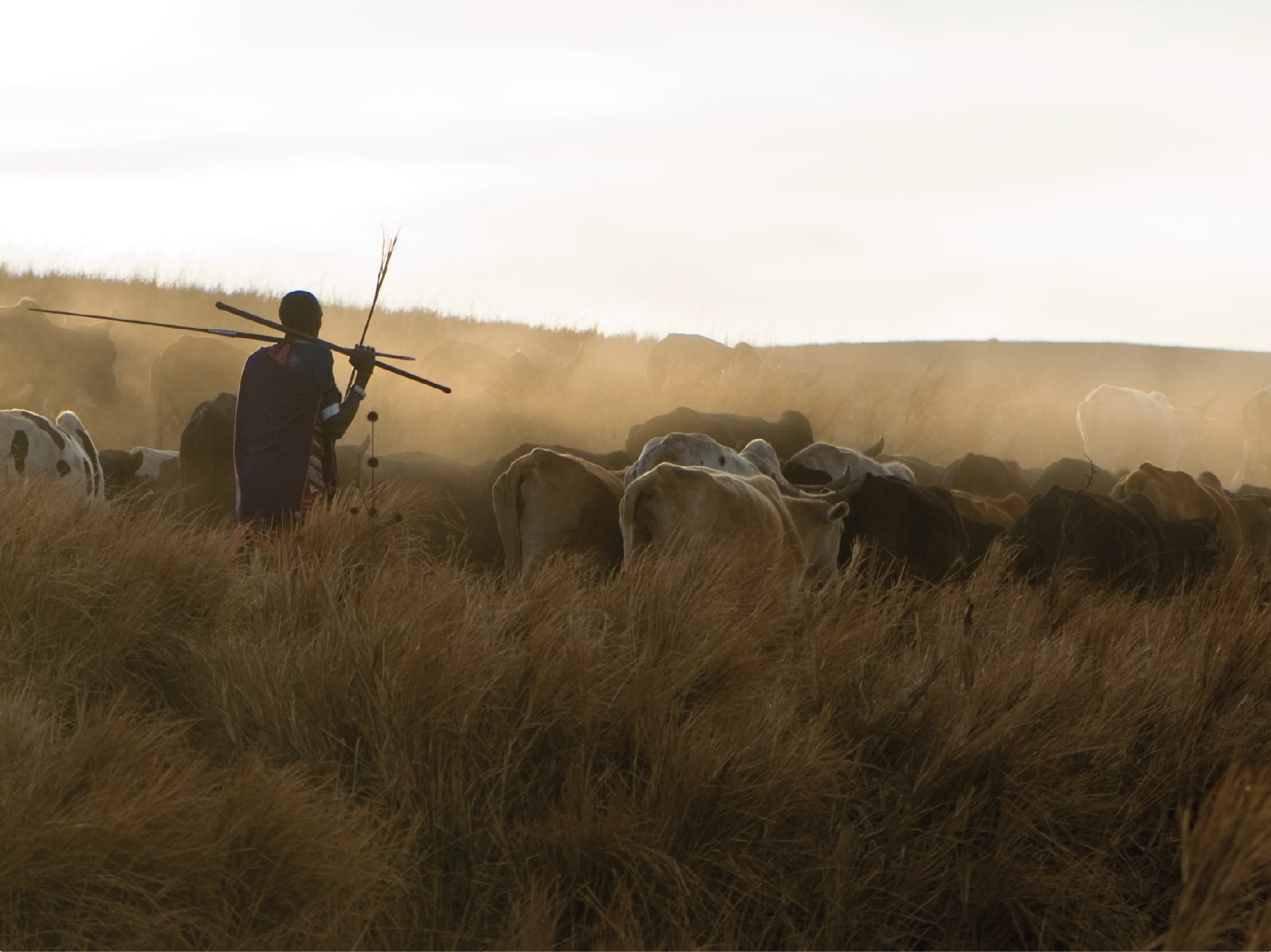
- Cultural visits to Masai villages located along the borders of the Conservation Area: an opportunity to discover the traditions of one of the region’s most iconic peoples.
When to visit the crater: seasons and weather conditions
The Ngorongoro Crater can be visited all year round. The dry season, from June to October, is ideal for animal observation, due to the sparser vegetation and better accessibility of the slopes.
During the rainy season (March-May), the landscapes become lush and green, but some roads can become muddy. January and February are also good months, with pleasant weather and fewer tourists than during the dry season.
For whom a visit to the Ngorongoro Crater is recommended
The visit is perfect for:
- Those who wish to see many animals in a short time, without moving too much.
- Families with children, due to the short safari duration.
- Nature photographers, for the incredible concentration of wildlife.
- Travellers with little time but eager to experience an authentic African adventure.
Those looking for a complete safari can opt for the itineraries proposed in safari in Tanzania to visit Ngorongoro Crater, combined with other iconic parks.
A world inside a crater: guaranteed excitement
Entering Ngorongoro Crater is like traveling back in time, to a primordial world. The feeling is that of being silent guests of a sacred place, where nature reigns supreme. Every bend in the path offers spectacular views and close encounters with wild animals.
You don’t need to cross the entire continent to see authentic Africa: just one day in the heart of this extraordinary caldera is enough. And for those who want to discover other parks and reserves in the area, a safari in Tanzania can become the trip of a lifetime.
Ngorongoro, as Kapuscinski wrote: ‘…is an incredible, unprecedented spectacle: like witnessing the creation of the universe at a time when the sky, earth, water, plants and wild animals already existed, but not yet Adam and Eve’.