The Serengeti National Park embodies the most authentic and powerful essence of wild Africa. Stretching as far as the eye can see, these plains are home to millions of animals in the wild, offering boundless landscapes, endless skies and the chance for unforgettable experiences. Each visit promises close encounters with some of the continent’s most spectacular creatures, making the Serengeti one of the most sought-after destinations for those dreaming of a true African safari.
Serengeti: the purest and most powerful image of wild Africa
Located in a remote but accessible region, the Serengeti National Park stands out for its wild and unspoilt beauty. To walk or travel by jeep across its immense plains is to enter a world where nature rules, where every roar, every flock in flight and every fiery sunset seem to tell a story thousands of years old. The park is not just a tourist destination, but an emotional and profound journey into the purest part of Africa.
Where the Serengeti is located and how extensive it is
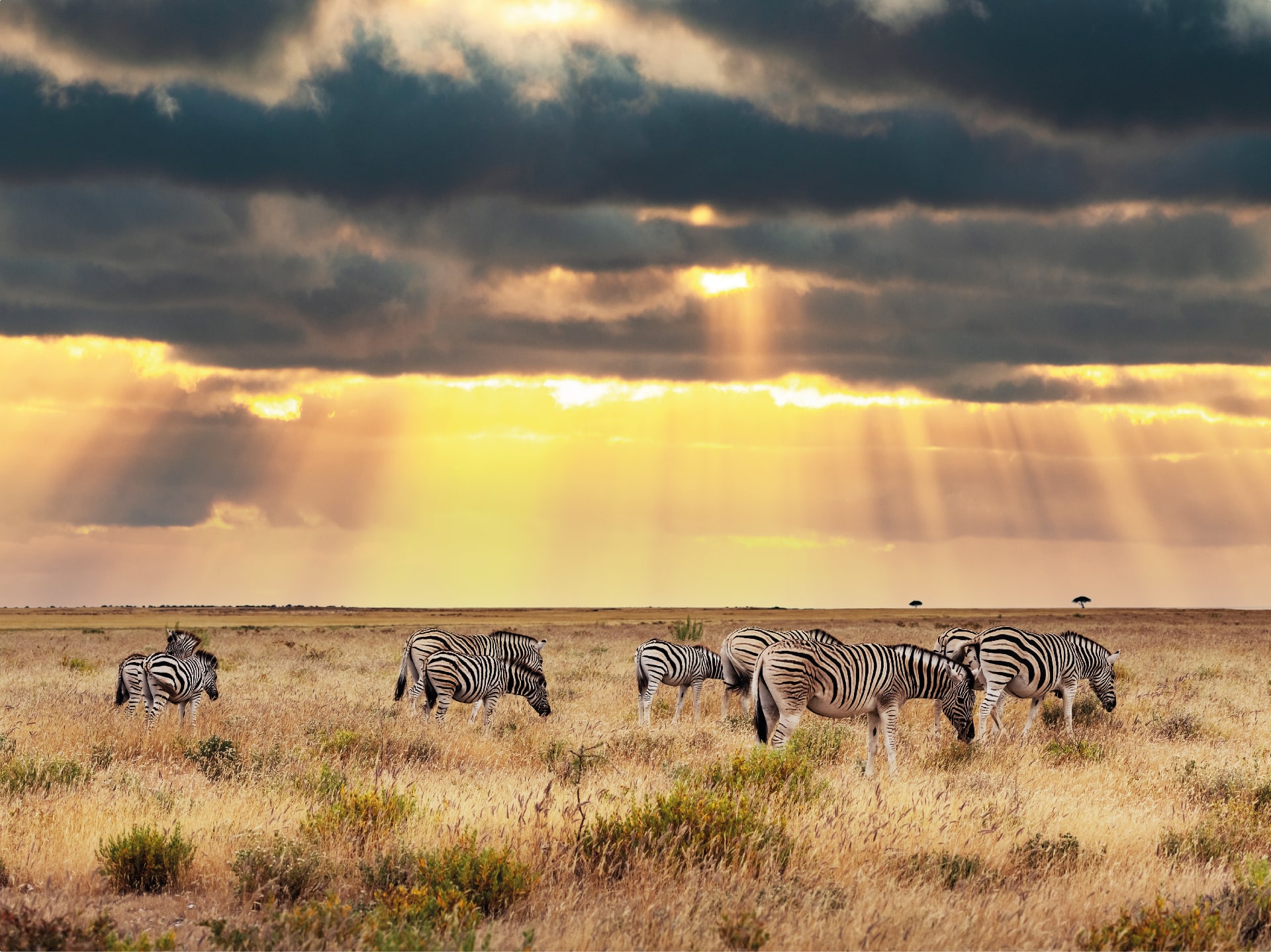
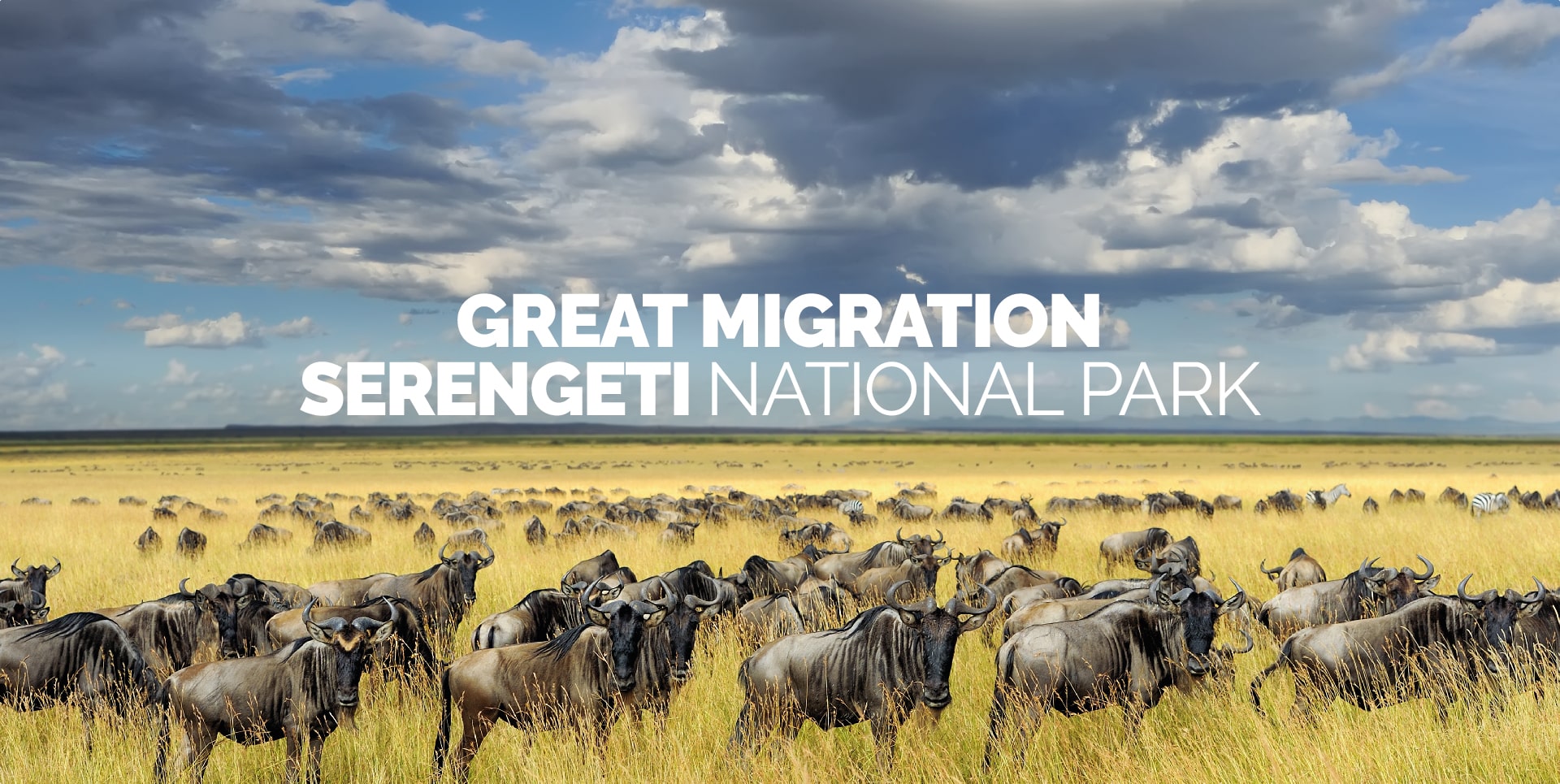
The Serengeti is the oldest and best known National Park in Tanzania. Declared a UNESCO World Heritage Site in 1981, it covers an area of about 15,000 km². Consisting of grasslands, savannahs and forests, it owes its fame to the largest migratory movement of wild animals. Gigantic herds of ungulates (more than one and a half million wildebeests, more than 200,000 zebras and 300,000 Thomson’s gazelles), following the seasonality of the rains in search of new pastures, move relentlessly between the southern plains and the Masai Mara, covering a circular route of almost 800 km. Such vastness offers diverse environments and extraordinary biodiversity.
How to get to the park and how it is included in safaris
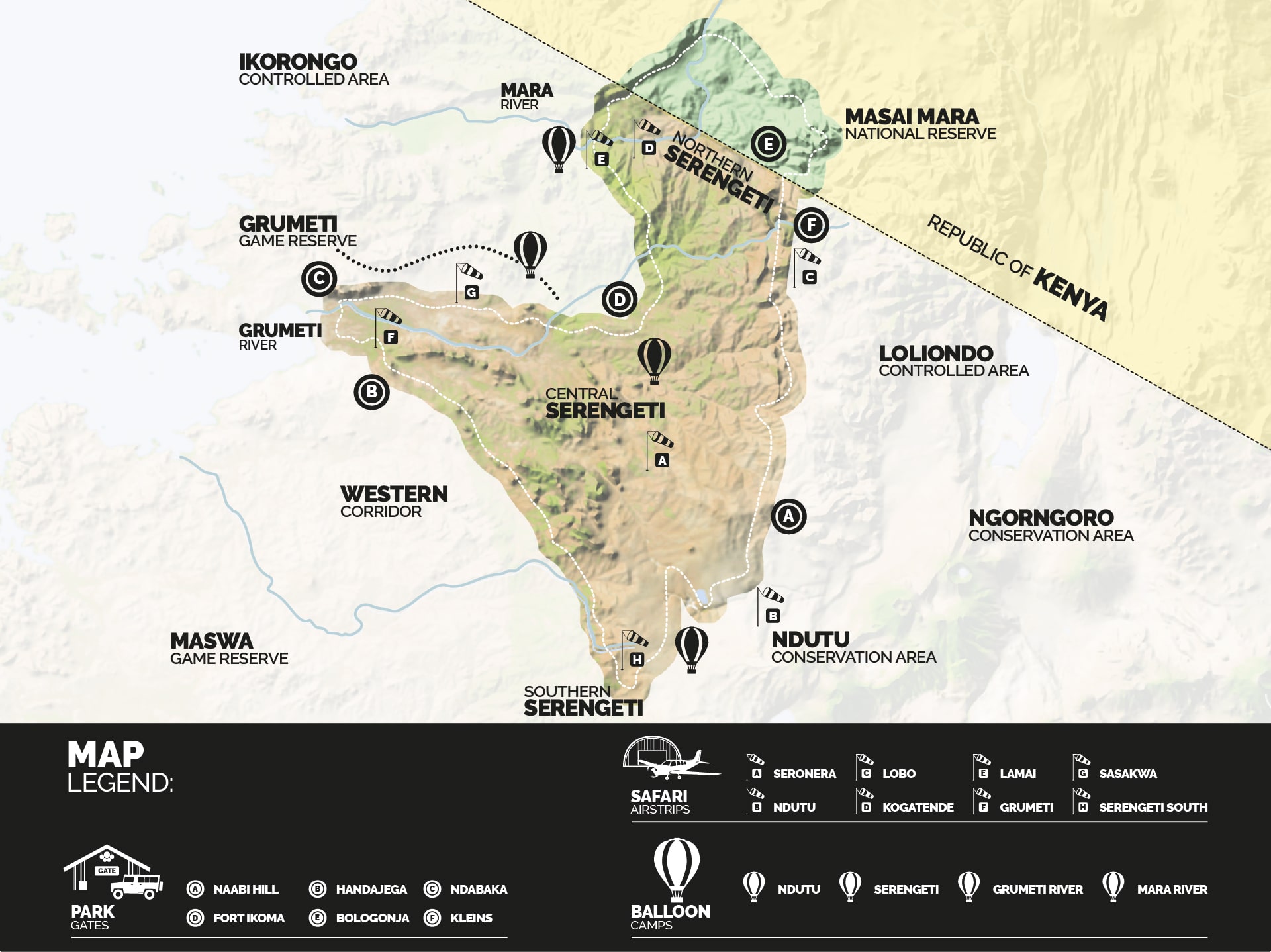
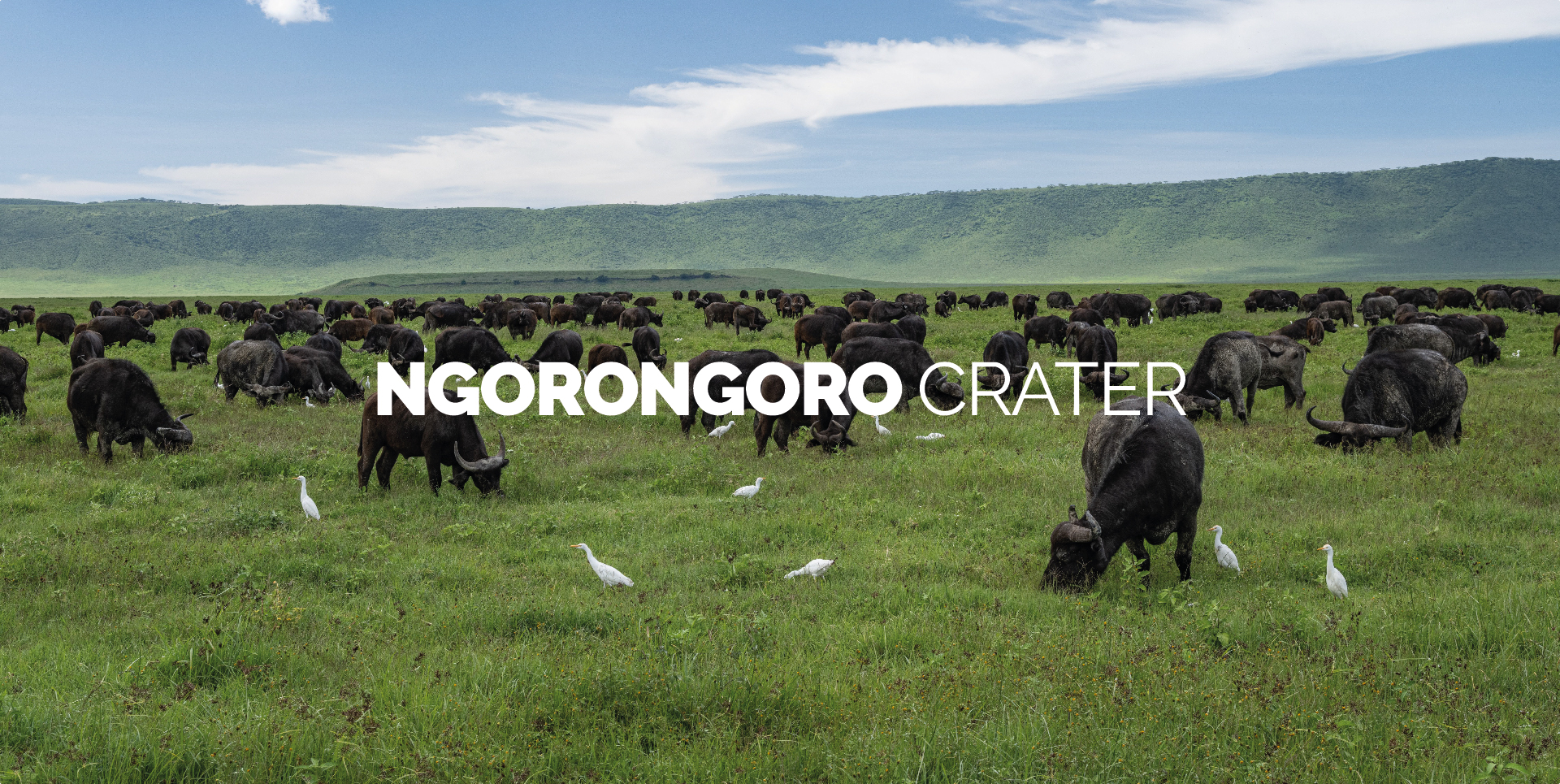
The park can be reached by land, via the Ngorongoro Crater, or by internal charter flights landing at several local airstrips such as Seronera. Often included in Tanzania safari itineraries of 5 days or more, the Serengeti is combined with other parks such as Tarangire, Lake Manyara and the aforementioned Ngorongoro.
Travellers who choose our tour operator for safaris in Tanzania can rely on organised packages that optimise visit times and guarantee authentic experiences.
The regions of the Serengeti: which zone to choose according to the period
Each region of the Serengeti has specific characteristics that make it unique. The Central Serengeti, known as Seronera, is perfect in every season due to the constant presence of water sources that attract animals all year round. The southern area, bordering the Ndutu area, is the beating heart of migration from January to March, when thousands of cubs are born. The western sector, with the Grumeti River, is ideal between May and June to observe the dramatic river crossings. Finally, the northern part, with Kogatende and Lobo, hosts the passage of the herds towards the Masai Mara from July to September. On this immense stage of life, “prey” and “predators” dominate the scene of Tanzania’s largest park.
Planning a 9-10 day Tanzania safari allows you to touch more areas and get the full experience.
The Great Migration: one of nature’s most extraordinary spectacles
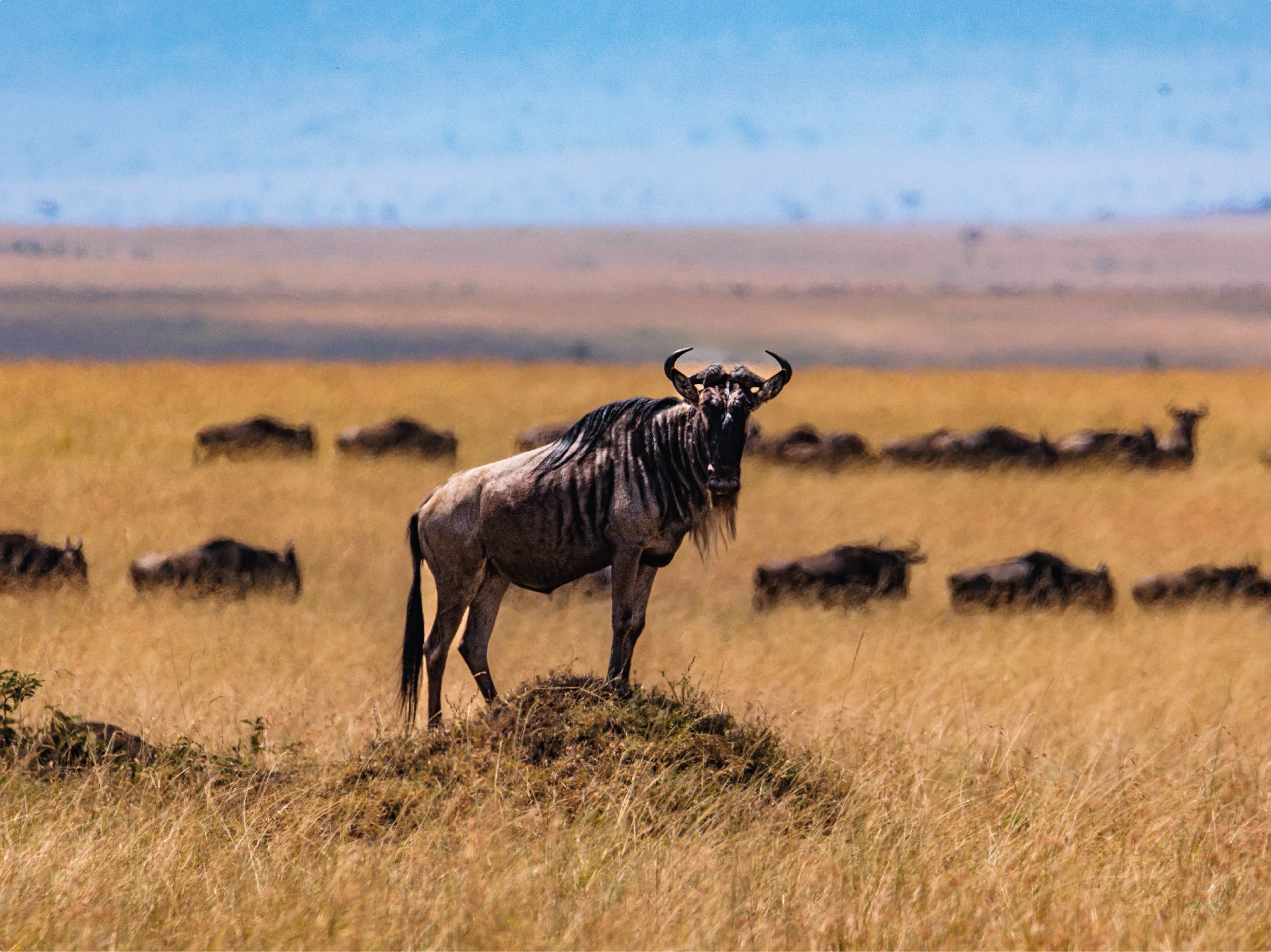
The Great Migration is without doubt one of the world’s most spectacular natural phenomena. Over 1.5 million wildebeests, zebras and gazelles move each year following the rains, in search of fresh pastures. Between January and March, the birthing season takes place in the south of the park. As the months pass, the herds move north, crossing crocodile-infested rivers. The most exciting moments are the river crossings, where the struggle for survival becomes a scene for a documentary. Witnessing this life cycle is one of the main reasons to visit the Serengeti National Park.
Iconic animals and biodiversity in the Serengeti
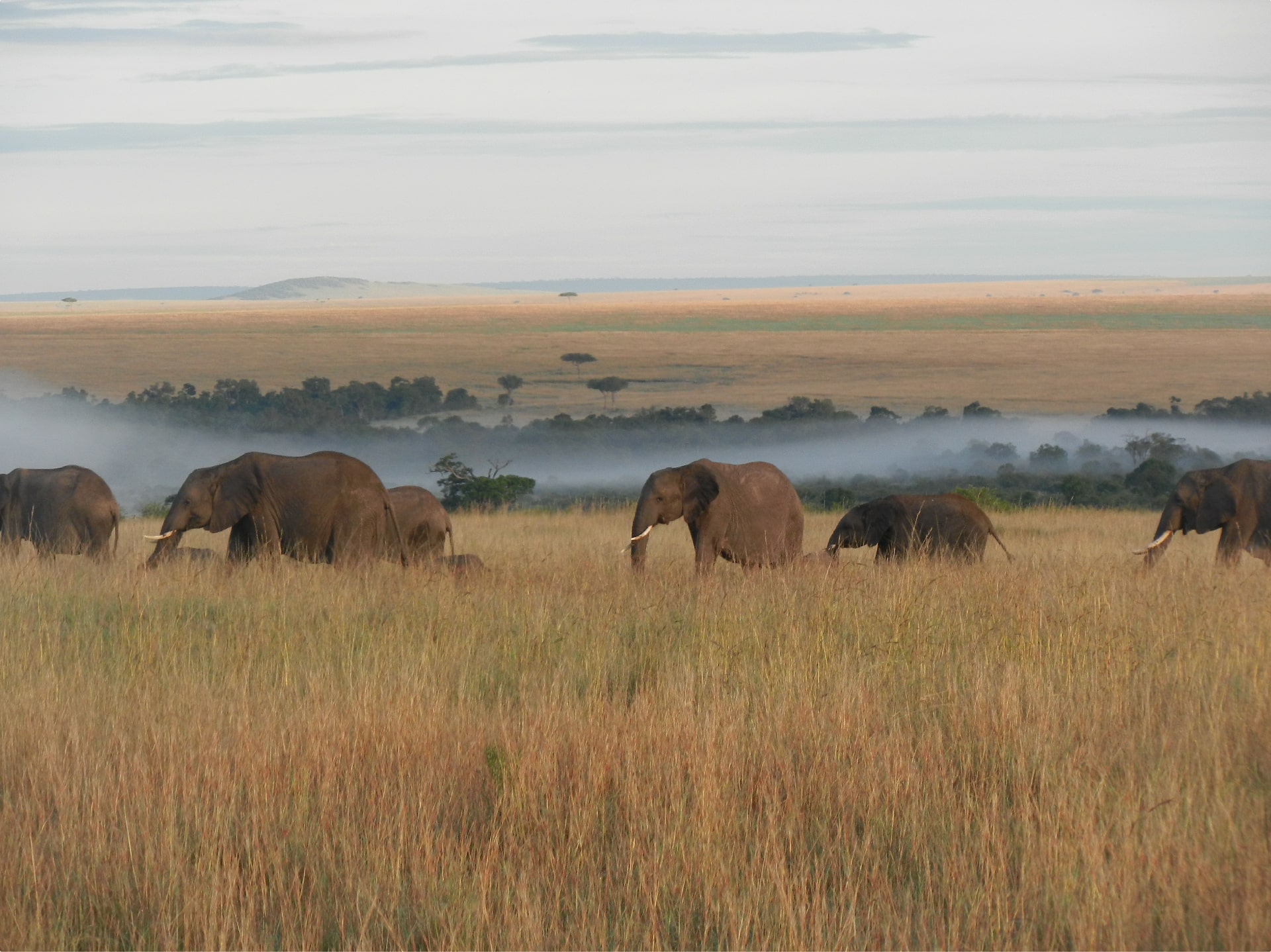
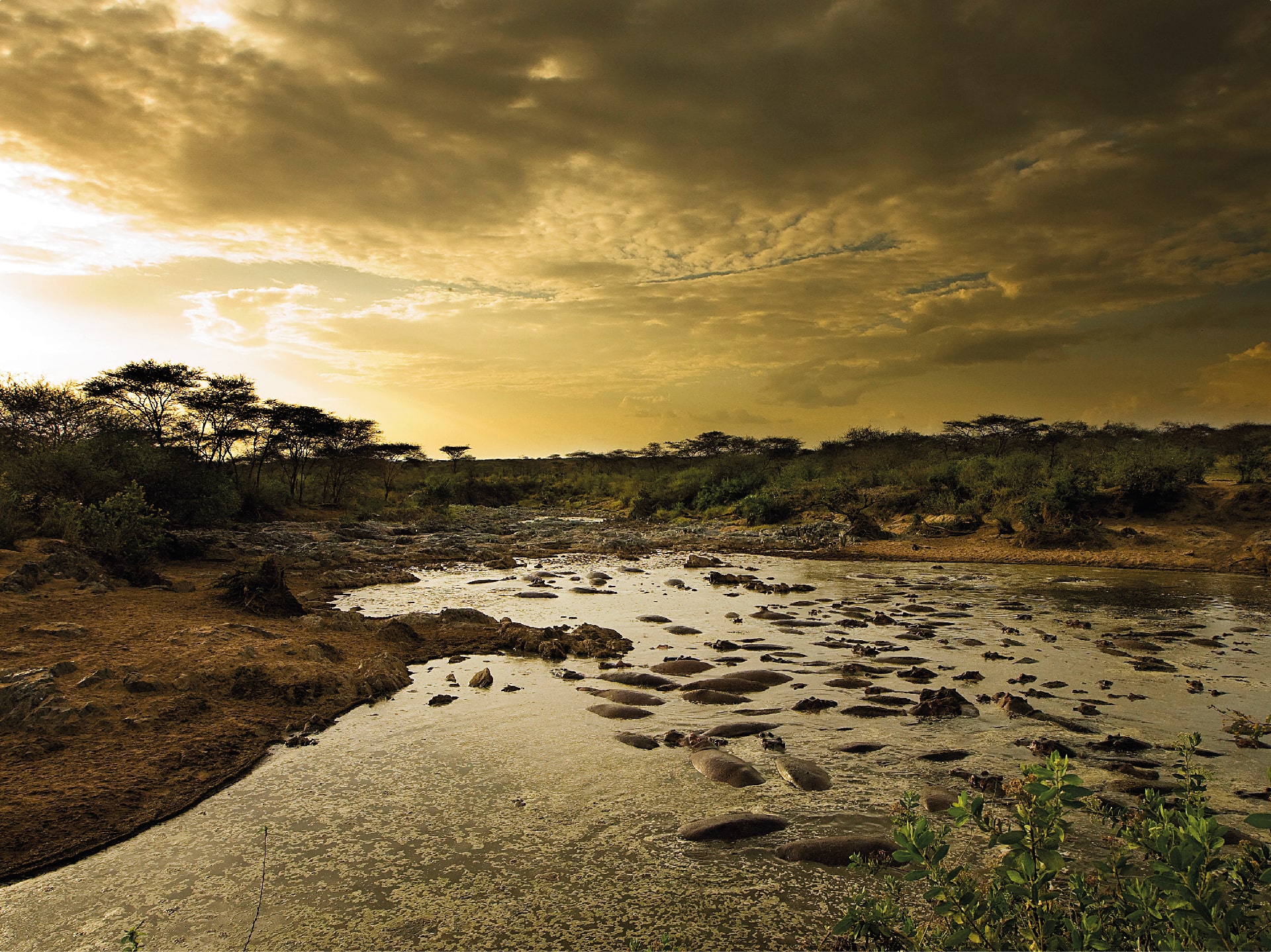
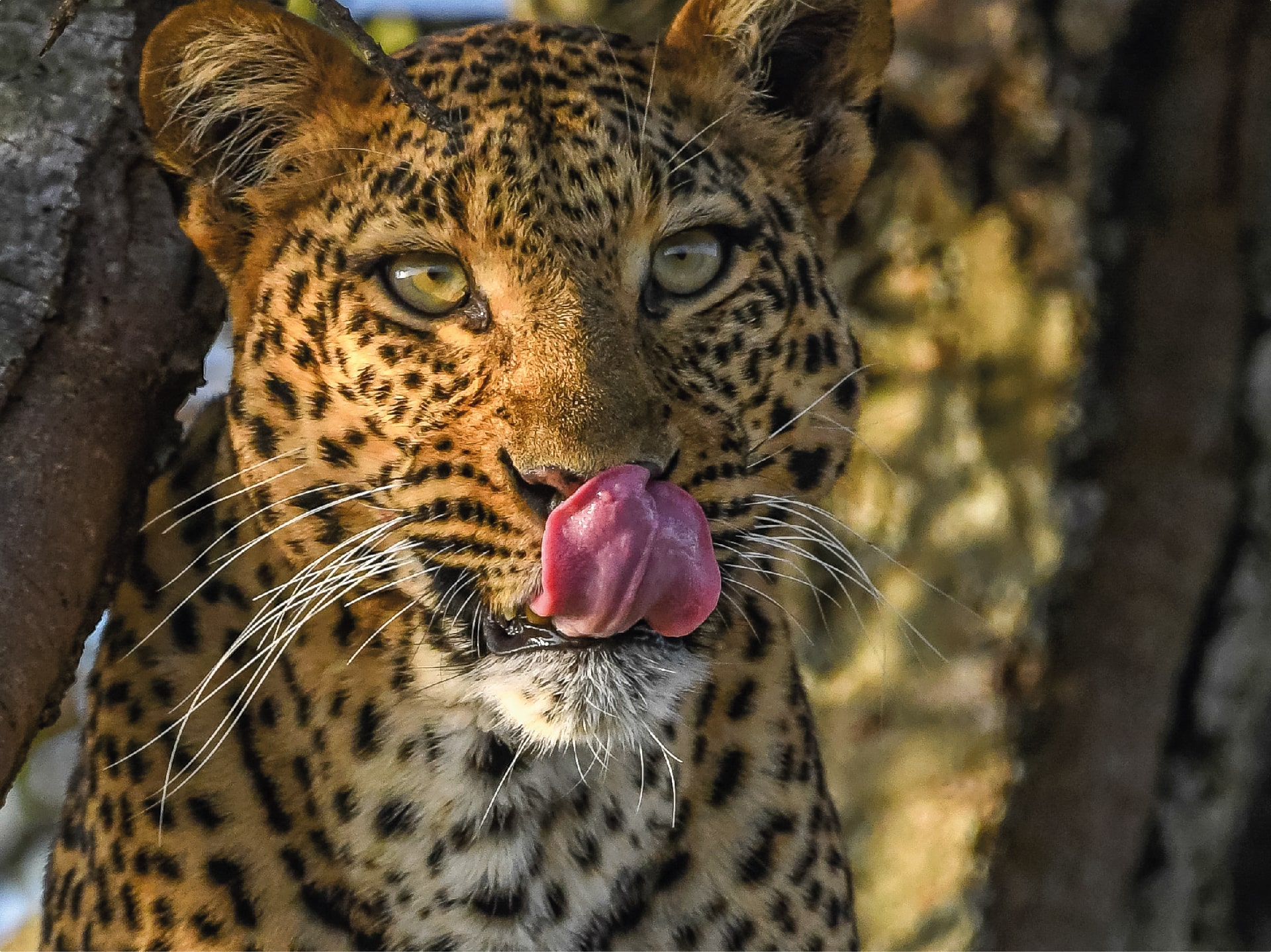
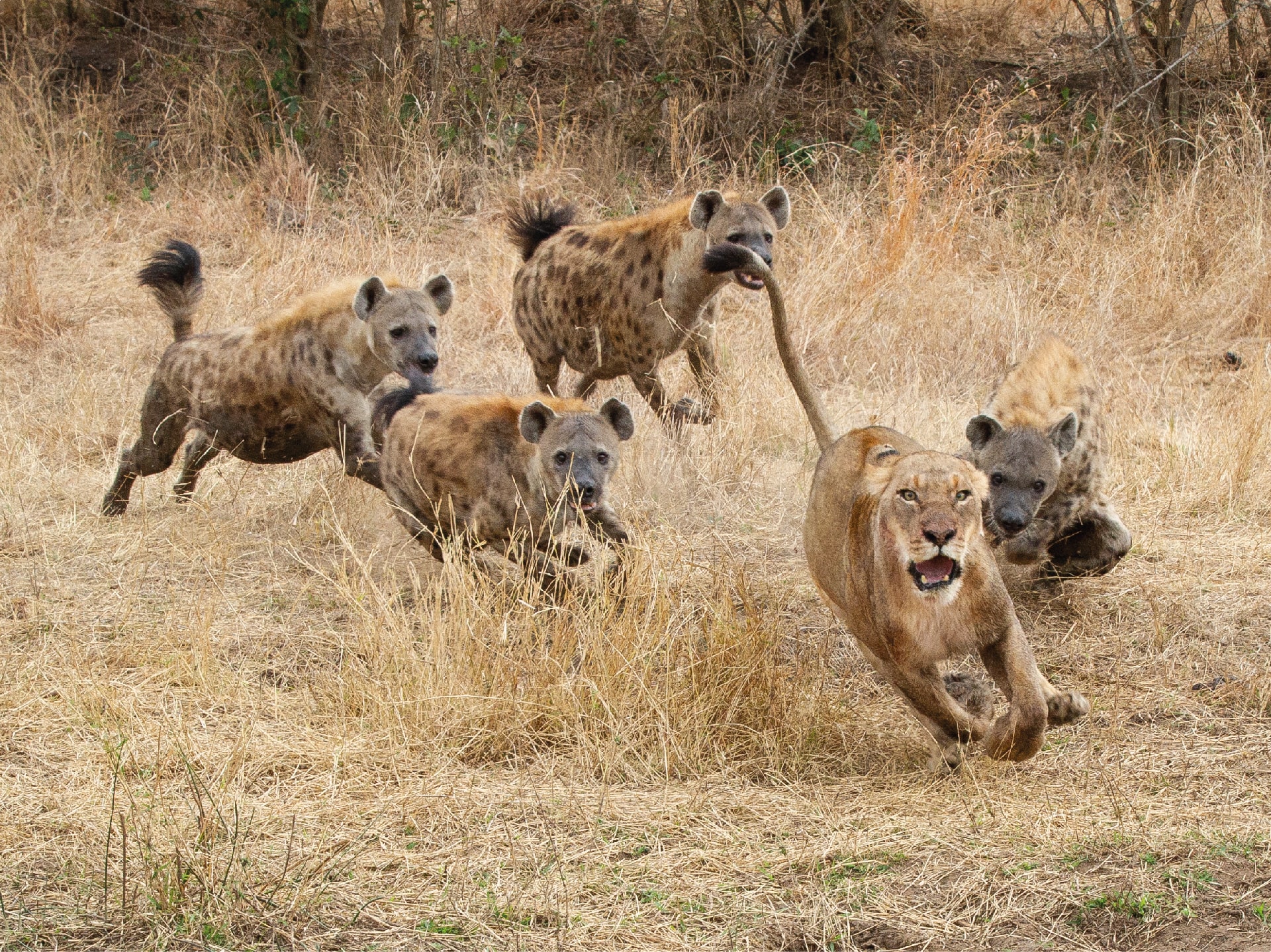
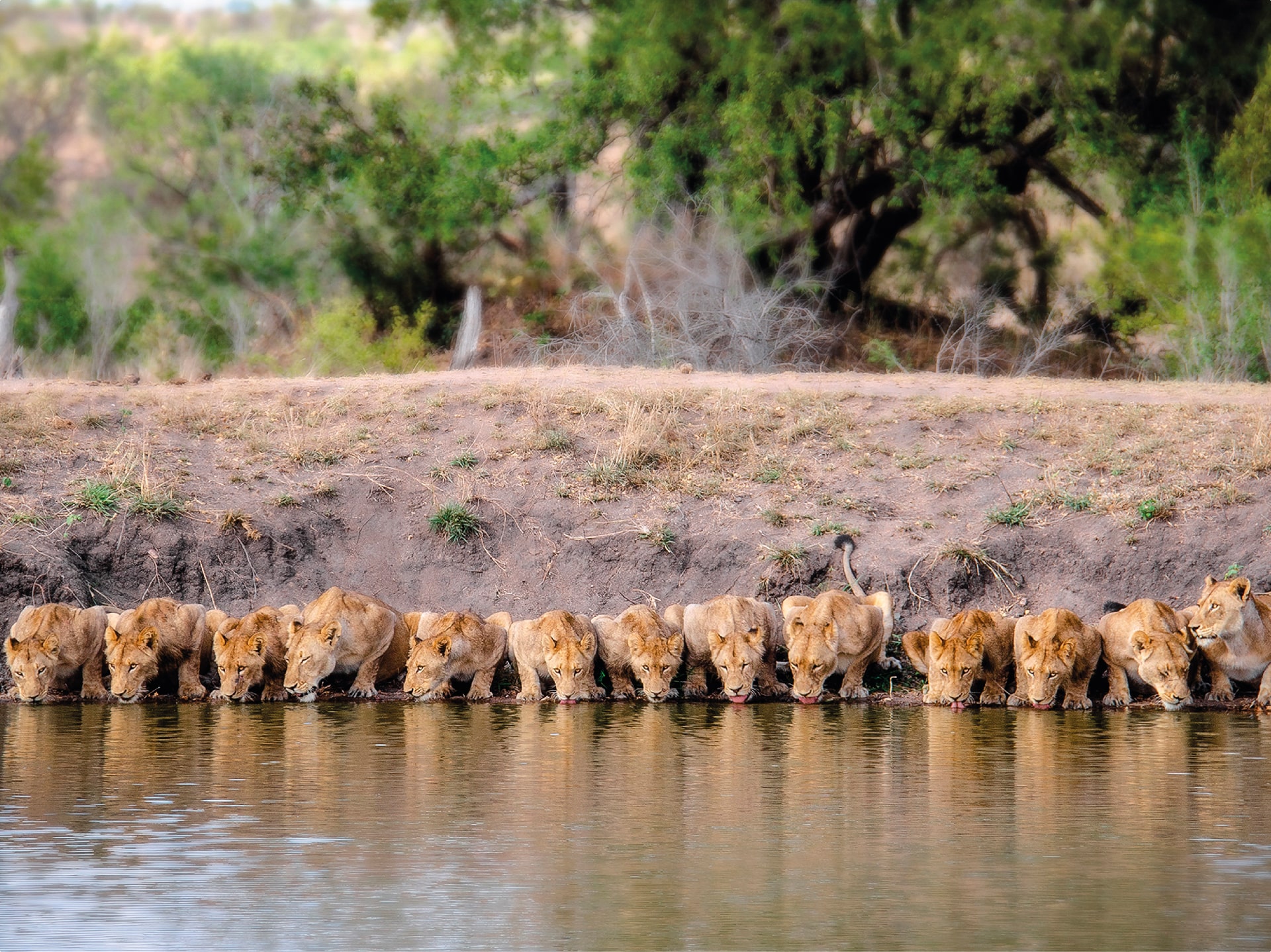
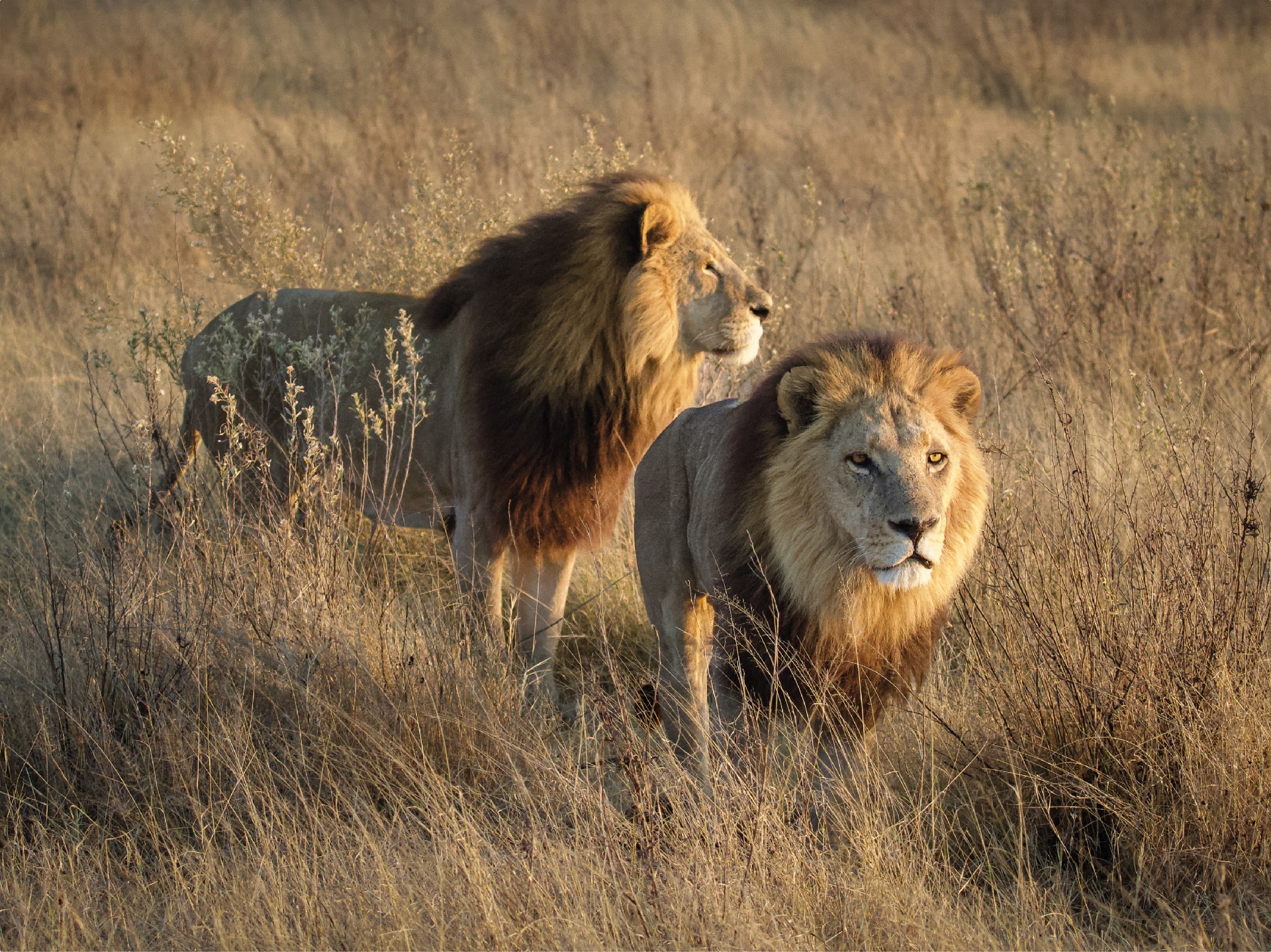
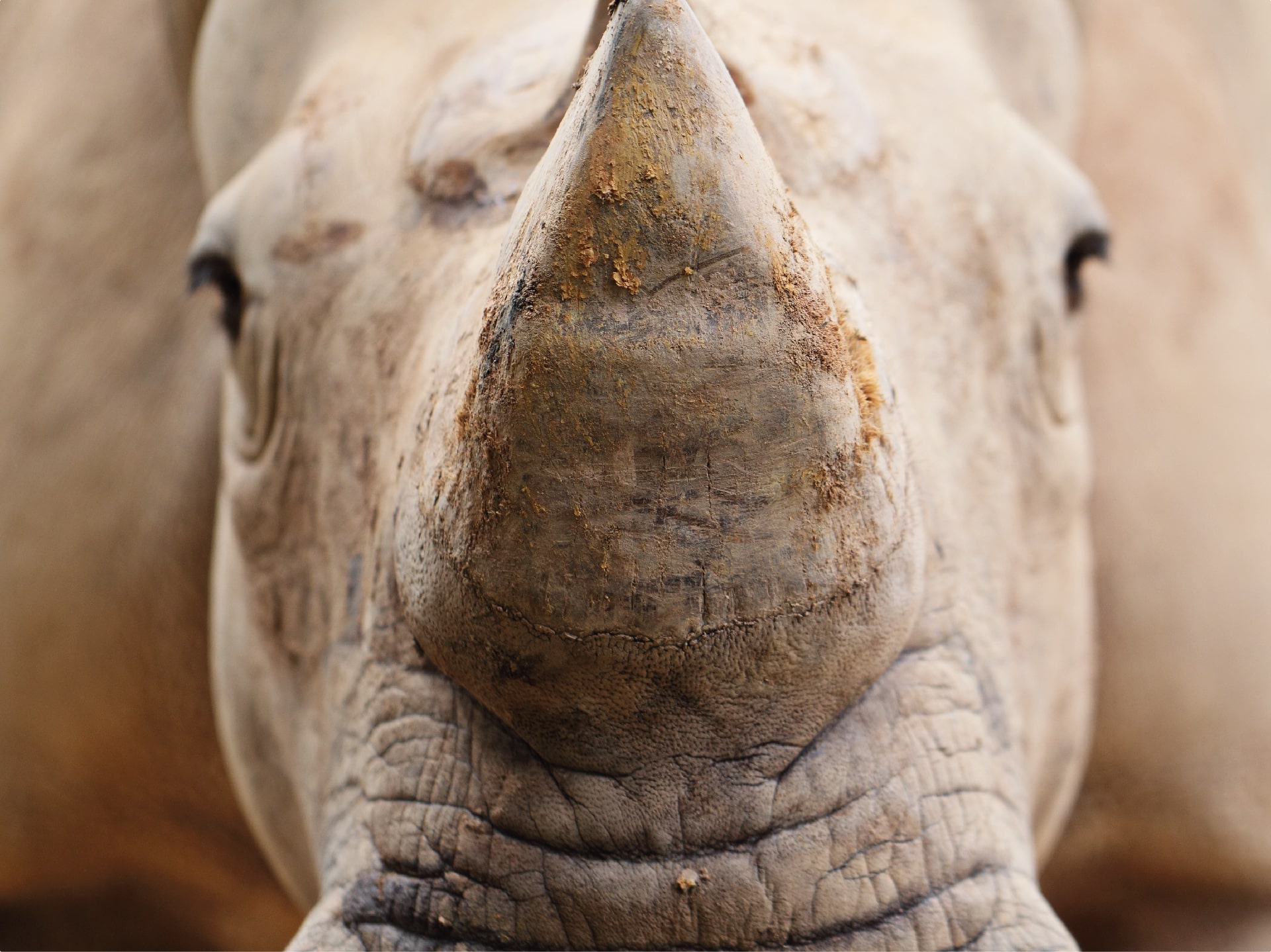
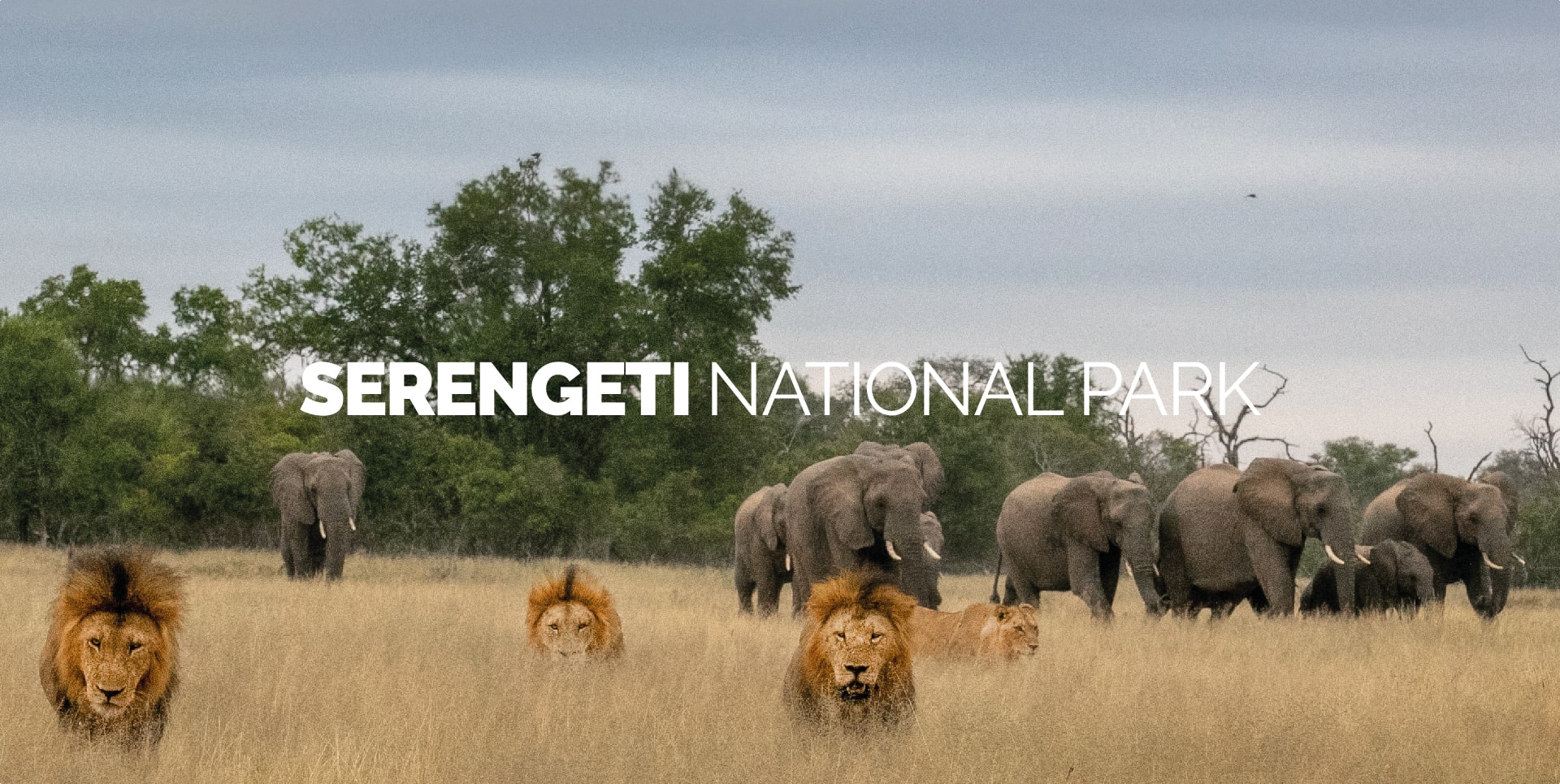
The Serengeti is home to all the famous Big Five: lion, leopard, rhinoceros, elephant and buffalo. It is not difficult, in fact, to observe herds of lions feasting on the abundance of herbivores, while solitary leopards roam among the acacias along the Seronera River. Almost uniquely, the park is home to all three species of African jackal, the spotted hyena and smaller, more elusive predators such as the insectivorous aardwolf or the beautiful serval cat. A high density of cheetahs populates the south-eastern plains, while in the south-western part, in the Moru Kopjes area, it is possible, with a little luck, to spot black rhinoceroses, now almost decimated by the wild poaching of past decades. And this, not surprisingly, is also the location of the Serengeti Rhino Project: a centre for the conservation of endangered species. But, the Serengeti is not only the land of the Big Five because the variety of its fauna is truly incredible and astonishing. Flamboyant agama lizards and rock hyraxes roam the surfaces of the isolated granite kopjes that dot the endless plains. As many as 100 varieties of dung beetles and over 500 species of birds are recorded, from the ostrich to the bizarre secretary bird of the open grasslands, to the black eagles that soar effortlessly above the Lobo Hills. Along the waterways, numerous hippos and the bloody stillness of crocodiles can be observed. The biodiversity is astonishing, making the park one of the best places in the world for nature photography. Each season offers unique encounters and moments to remember, making each visit different from the last.
Viewpoints and environments to explore
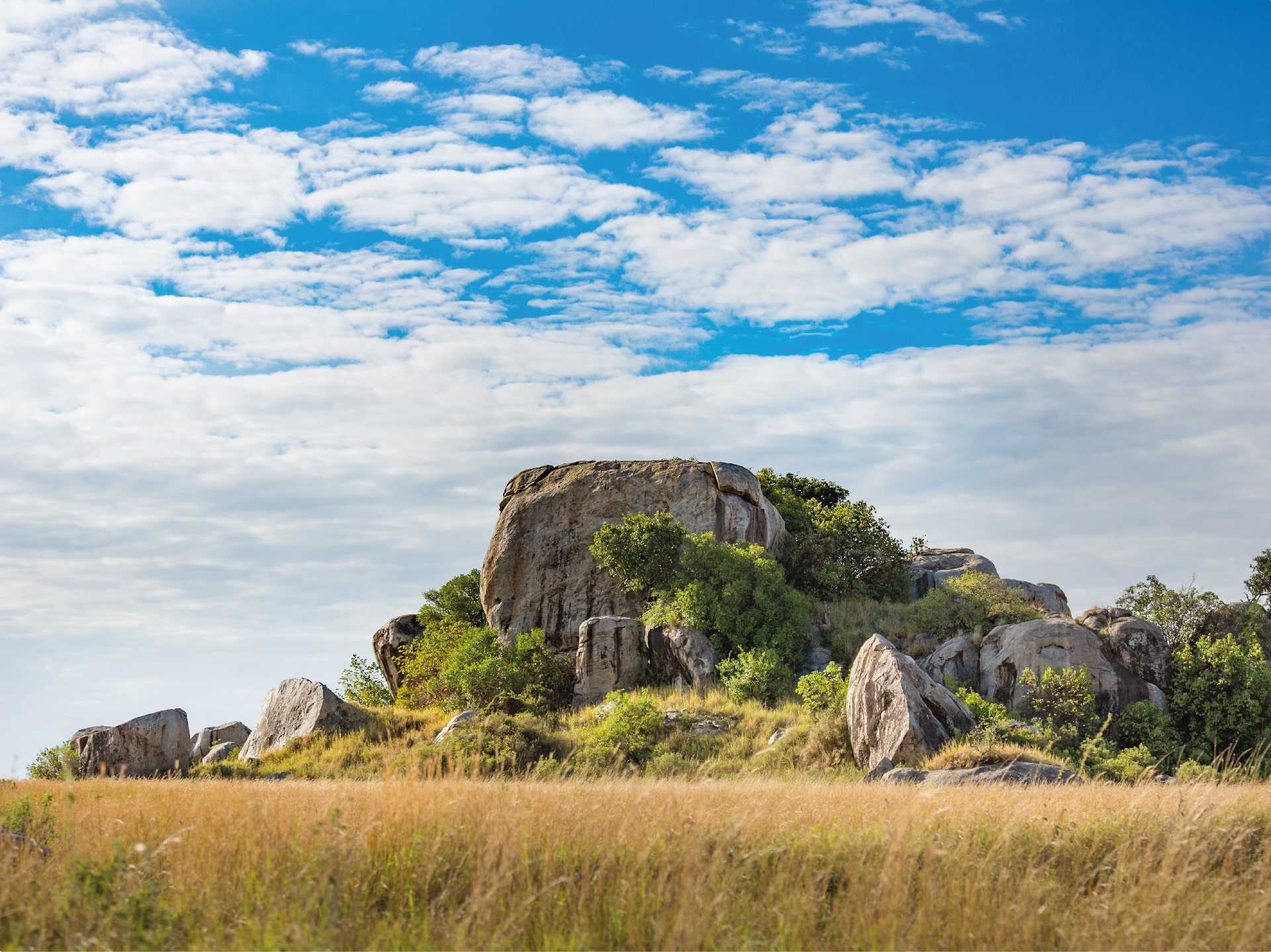
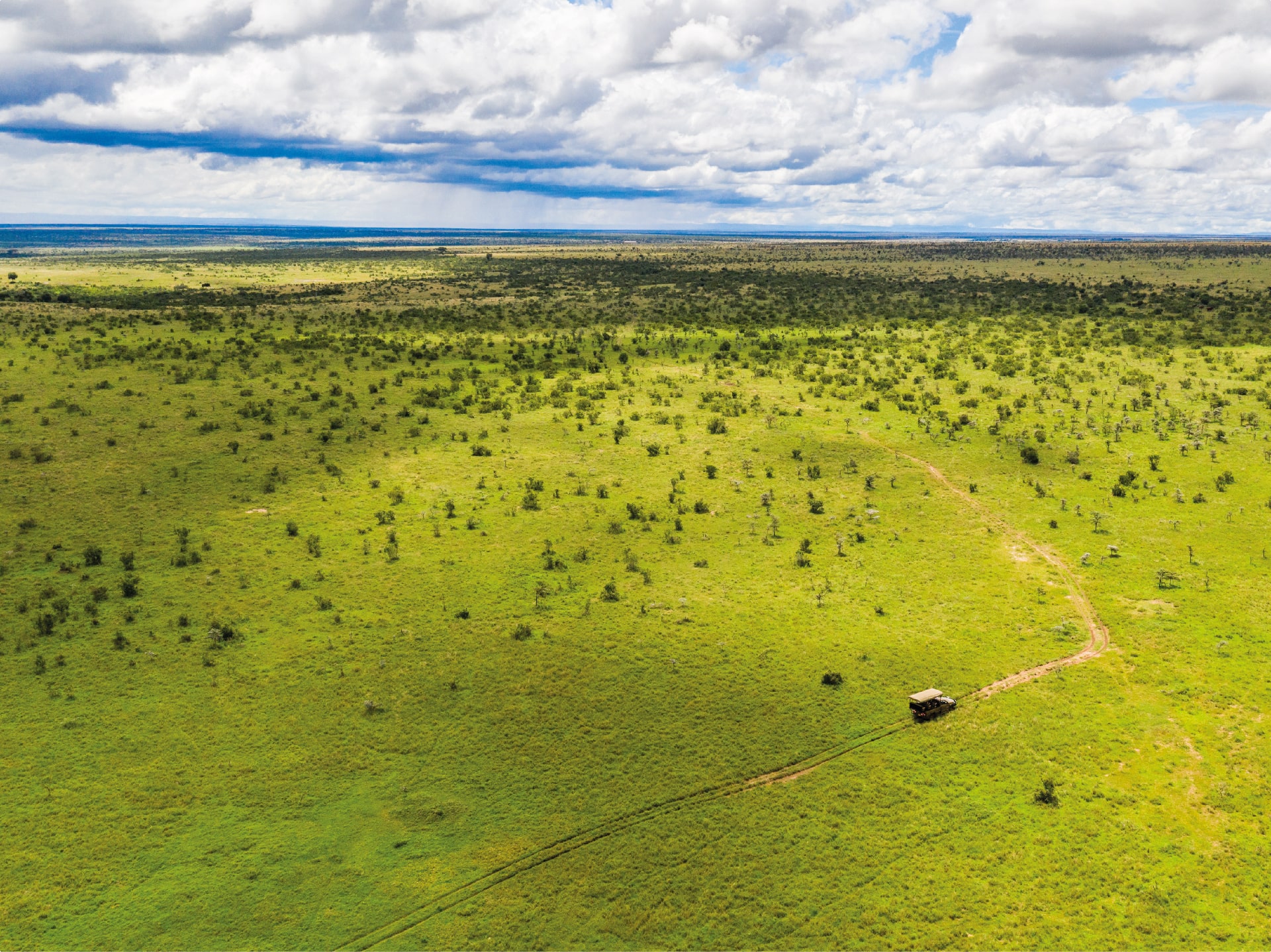
The landscape of the Serengeti is a succession of striking environments. The endless plains are quintessential to the park and create the feeling of boundless space that makes it so iconic. The Grumeti and Mara rivers are crucial settings during migration, while the kopjes (isolated rock formations) provide shelter for predators such as lions and leopards. Each area has its own atmosphere, and exploration allows one to capture the infinite nuances of the terrain.
Activities available in the Serengeti
Among the main activities are game drives, which take place at dawn and dusk to increase the chances of sightings. But it doesn’t end there: you can experience exciting hot-air balloon safaris, especially in the central area, to admire the landscape from above in surreal silence. Photography and birdwatching enthusiasts will find the Serengeti a paradise, while those seeking a more immersive experience can opt for overnight stays in mobile tented camps, where you sleep in close contact with nature, under a sky dotted with stars.
For an experience organised down to the last detail, we recommend a safari in Tanzania to visit the Serengeti National Park.
When to go: climate and seasonality
The climate of the Serengeti is tropical, with two main seasons: the dry season from June to October, and the green season from November to March. During the dry season, animals concentrate around the waterways, making sightings easier.
The green season, on the other hand, colours the savannah in bright tones, the rains are short and the landscapes lush. It is also the time of births, and with fewer tourists around there is a more intimate experience. Either way, the Serengeti National Park offers special moments.
For whom a visit to the Serengeti is recommended
This park is perfect for those seeking an authentic immersion in African nature. It is suitable for first-time safari goers as well as professional photographers, wildlife lovers and thrill-seeking travellers. Thanks to its vastness and variety of ecosystems, it offers a range of experiences suitable for all types of travellers, with the possibility of customising your own itinerary with the help of experts in the field.
The journey of a lifetime into the animal kingdom
Every step taken in the Serengeti is a return to the origin. Here, in the vastness of these primeval lands, time seems to slow down. The sounds are deep, the emotions intense, the colours vivid as in childhood dreams. Watching a herd of lions as they rest in the shade of a kopje, following the flight of a fish eagle, listening in silence to the sound of the wildebeest’s paws as they cross the savannah: all this is not mere tourism, but a reconnection with something ancient. The emotions in the Serengeti are so overwhelming and numerous that there is not enough room in the heart to contain them all. It is impossible to describe the lingering feeling of freedom and spirituality created by the immense space of the plains stretching across the sun-scorched savannah, all the way to the shimmering golden horizon. The magic continues after the rains, when the golden expanses of grass turn into a boundless carpet of green, dotted with wild flowers. Finally, there are forested hills of acacia and rivers lined with fig trees where the green foliage stands out, inexorably, against the characteristic dusty red earth: ‘the spectacle within the spectacle’. It is no coincidence that the Serengeti National Park is considered one of the most impressive places on the entire African continent.
Organising a safari in Tanzania is not just a travel choice, but an experience destined to leave a deep mark in the memory and heart.