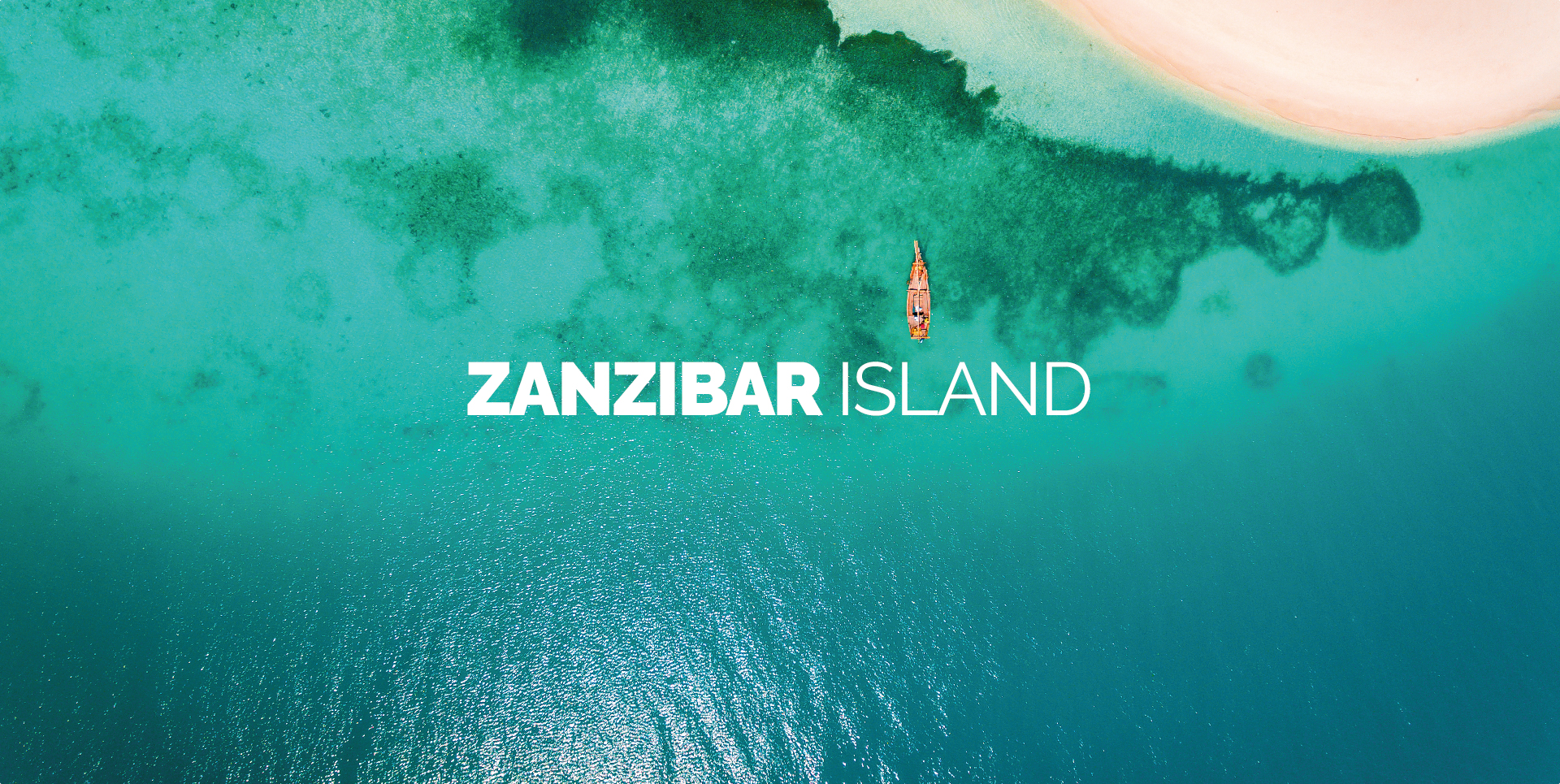
Zanzibar is not just a tropical postcard, it is a place of the soul. A mosaic of white beaches, fragrant markets and cultural influences that tell of centuries of encounters between civilisations. This archipelago, nestling in the turquoise waters of the Indian Ocean, is the perfect hideaway for those seeking a combination of wilderness, tradition and authentic relaxation.
Its proximity to the African mainland often makes it the ideal final stop after the intensity of a savannah trip. It is no coincidence that Zanzibar is proposed by our Tanzania safari tour operator as a sea extension, for those who want to end the adventure with a touch of the exotic.
But it is also a destination in its own right, able to amaze with its myriad nuances, from the fishing villages to the spice plantations that have given it the nickname ‘the island of perfumes’.
Zanzibar: an archipelago of culture, beaches and thousand-year-old traditions
Consisting mainly of the islands of Unguja and Pemba, and surrounded by a constellation of islets, the archipelago of Zanzibar was for centuries a key stop on the Indian Ocean trade routes. Africans, Arabs, Indians and Persians met here, creating a cultural mix that is still evident today in the island’s language, cuisine and architecture. Every corner of Zanzibar tells a story, and walking through its streets is a bit like leafing through a book of flavours, colours and legends.
Where is Zanzibar and how to get there from Tanzania
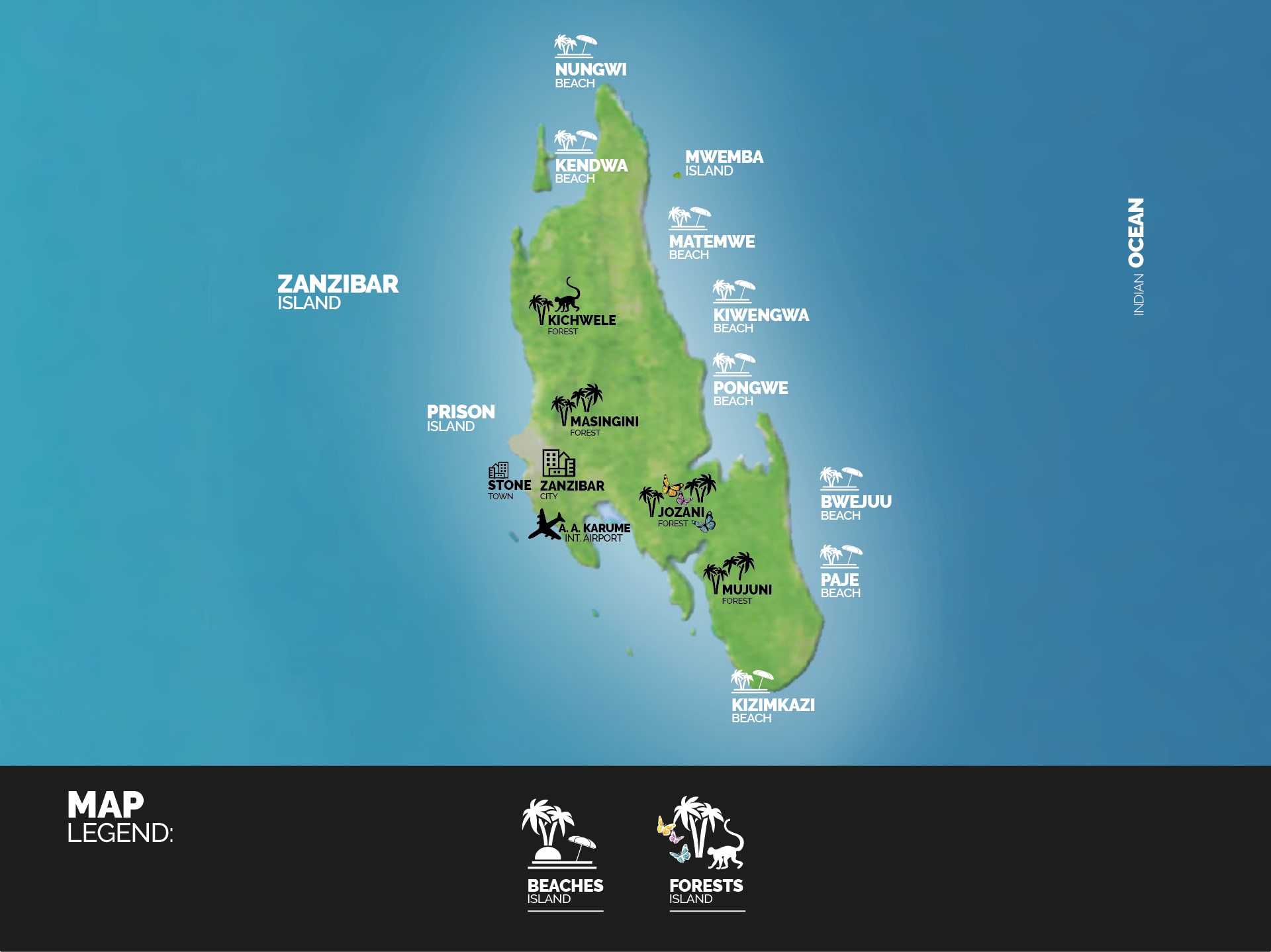
Zanzibar is located about 40 kilometres from the east coast of Tanzania. It is well connected by internal flights from Dar es Salaam, Arusha or the Serengeti Park, making it easily accessible after a safari.
Not surprisingly, those who choose a safari in Tanzania find it natural to end the experience with a few days’ rest on the island’s beaches. A perfect transition from the red dust of the savannah to the endless blue of the ocean.
The most beautiful beaches from north to south
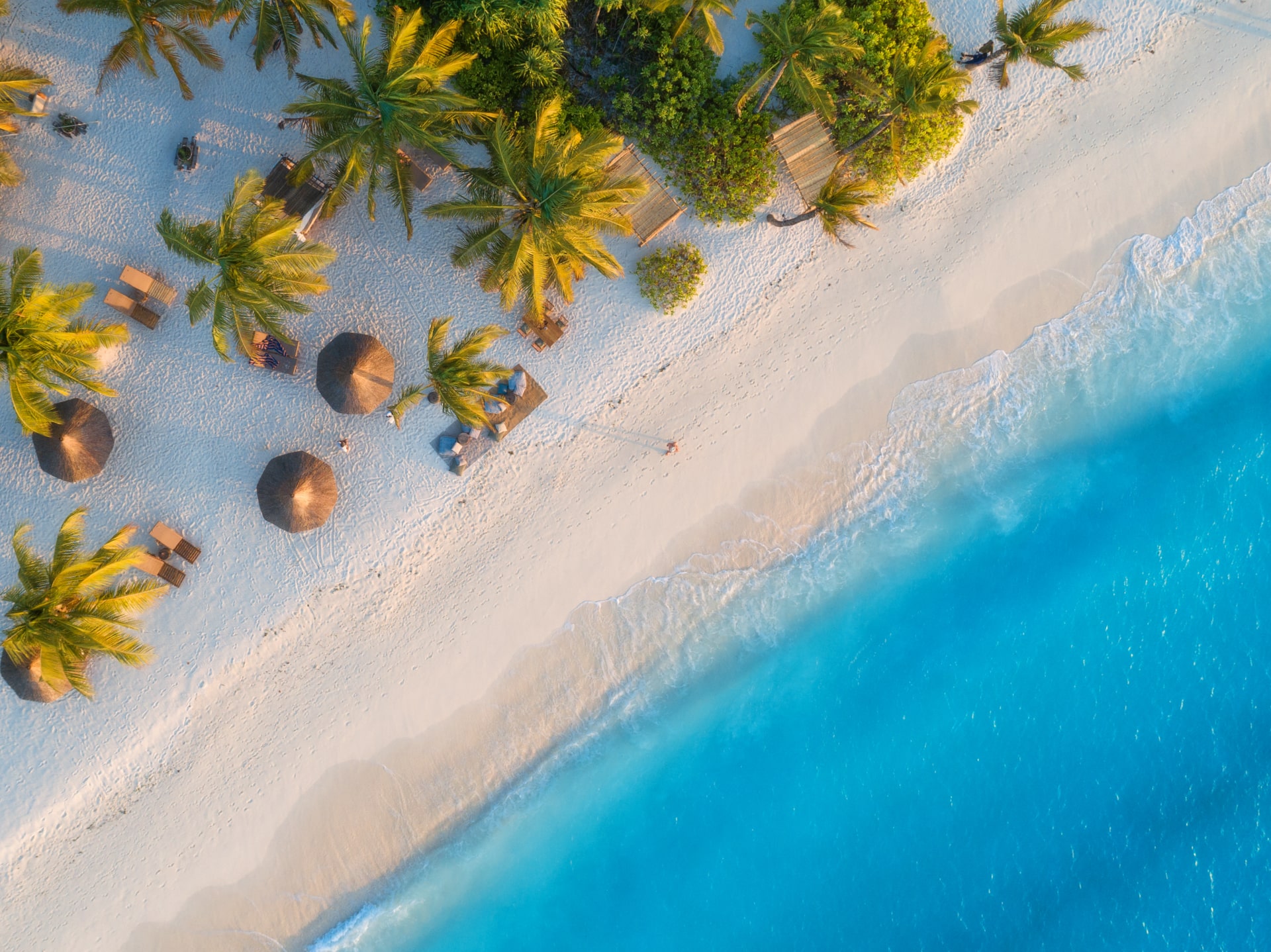
Zanzibar’s beaches are among the most fascinating in Africa. The north coast, with places like Nungwi and Kendwa, is famous for its dreamy views, always swimmable waters and sunsets that look like paintings. Moving eastwards, one discovers the wilder soul of the island: Paje and Jambiani are popular with kitesurfers or those who want to live in contact with the local communities. Matemwe and Kiwengwa, on the other hand, are ideal for couples seeking peace and quiet and families with children.
Stone Town: between history, culture and Swahili architecture
The cultural heart of the island is Stone Town, a labyrinthine and fascinating city, declared a UNESCO World Heritage Site. Here, every carved door tells a piece of history, every mosque is an echo of the past, every alley smells of spices and ancient tales. The atmosphere is suspended between past and present: you can lose yourself in the markets, visit ancient palaces, or just sit and watch life go by. Landmarks include the House of Wonders, the old slave market and the Arabian Fort.
The spices of Zanzibar: a visit to a plantation
No trip to Zanzibar is complete without a visit to one of its spice plantations. Here you can rediscover familiar scents in a completely new context. Cardamom, cinnamon, cloves, nutmeg and vanilla: all grow luxuriantly in this tropical climate, cultivated for generations using traditional techniques. Guided tours are engaging and often interactive, allowing direct contact with the island’s agricultural culture, learning how spices are harvested, processed and used in daily life.
Excursions and experiences not to be missed
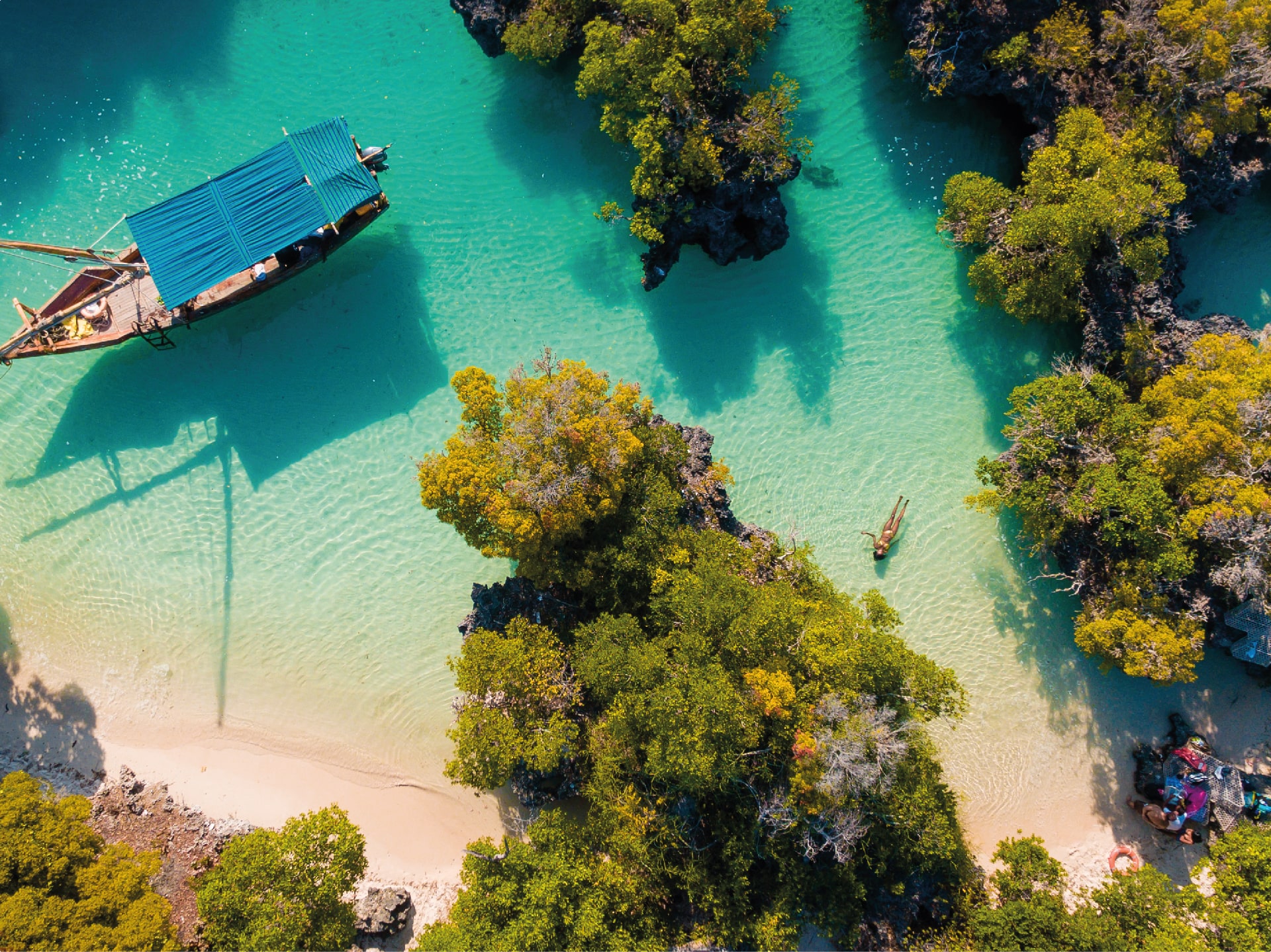
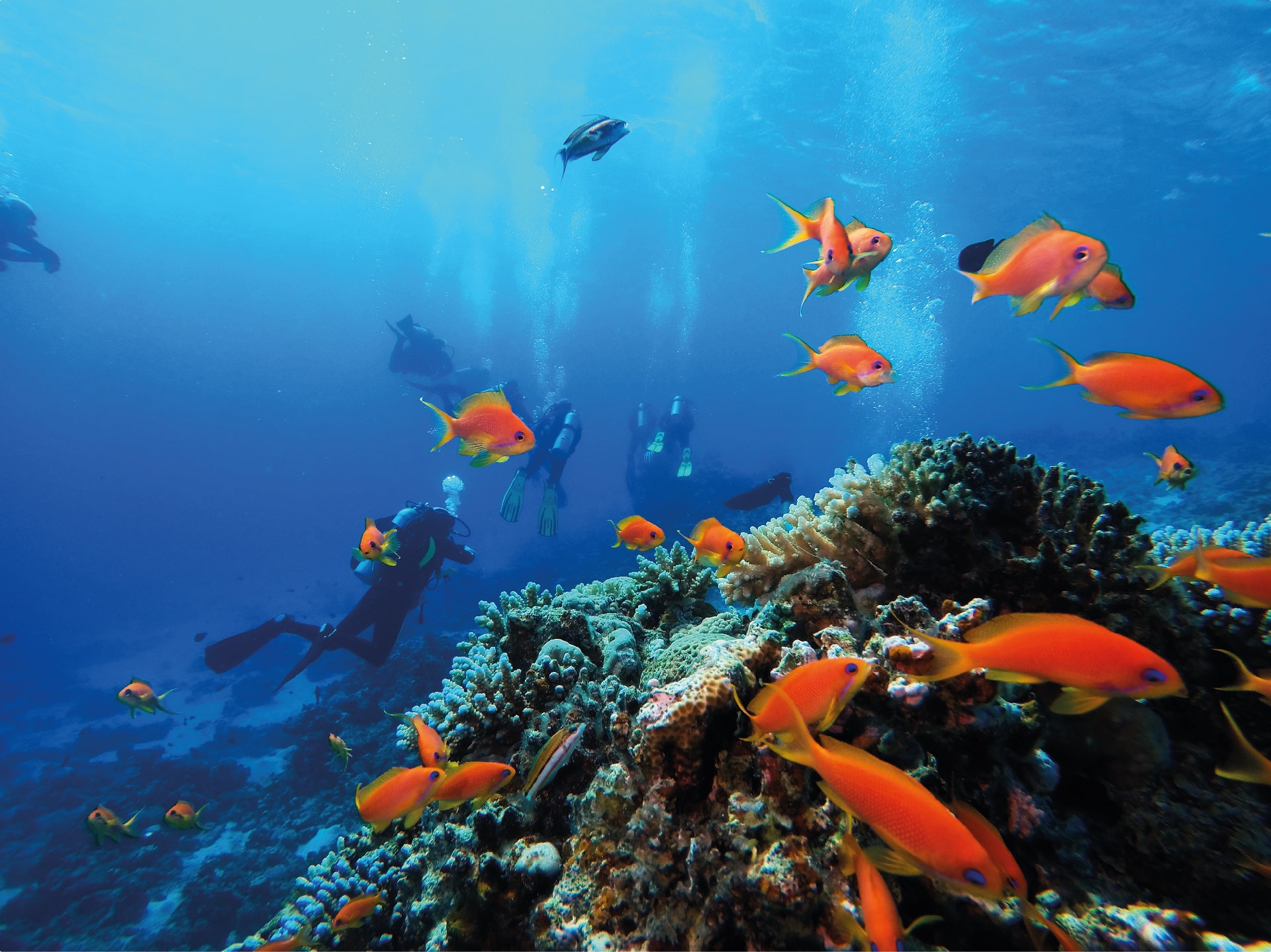
For those seeking a bit of adventure, Zanzibar offers much more than relaxation. Among the unmissable experiences is the Blue Safari, a day at sea aboard a traditional dhow among sandy islets and coral reefs. Or diving in the marine paradise of Mnemba Atoll, where swimming among tropical fish is like living inside a documentary film. The Jozani forest, with its red colobus monkeys and tropical butterflies, also offers unique emotions. Finally, Prison Island, with its giant turtles and colonial ruins, is a window into the lesser-known history of the archipelago.
Local food and flavours: the cuisine of Zanzibar
The cuisine of Zanzibar is one of the great pleasures of travelling. Here, spices are not just souvenirs, but the very soul of the dishes: spicy soups, coconut fish, fragrant chapatis, pilau rice, stuffed samosas and tamarind-scented sweets. Each meal is a fusion of Swahili tradition, Arabic influences and Indian touches. For those who wish to learn, many guesthouses offer local cooking classes, ideal for taking home not just a souvenir, but a whole wealth of flavours and knowledge.
When to go to Zanzibar: climate and seasons
The climate in Zanzibar is tropical, warm and sunny almost all year round. The dry season, from June to October, offers breezy and cool days, perfect for exploring the island.
The months of December, January and February are warmer but equally pleasant. The least suitable period is between April and May, when rainfall can be heavy. However, every season has its charm, and even in the less touristy months the island offers fiery sunsets and rejuvenating silences.
Who is Zanzibar recommended for
Zanzibar is a flexible and surprising destination. Ideal for honeymooners, but also perfect for families, backpackers and nature lovers. It offers facilities for every type of traveller, from budget guesthouses to luxury resorts.
Those looking for a tailor-made experience can consider packages proposed for honeymoons in Tanzania and Zanzibar, which combine adventure and romance. Even for those who want a rejuvenating break after a demanding tour or an in-depth cultural experience, the island is a perfect answer.
A perfect extension to complete a trip to Tanzania
After the intensity of an African safari, Zanzibar appears like a caress. The silence of the beaches, the sound of palm trees in the wind, the vivid colours of the markets and the scent of the sea close the circle of an experience that stays with you. It is the place where slowing down becomes natural, where every sunset becomes an opportunity to marvel again.
It is no coincidence that many choose a luxury safari in Tanzania precisely to experience the sweet magic of this island in closing. Zanzibar is not just a stopover, it is a destination that stays in the heart.